Wrap Report – The Popcorn List: Pop Up Series
An Experiment in Collaborative Non-Theatrical Distribution
By Lela Meadow-Conner (mamafilm) and Kathy Susca (The Film Collaborative)
TL;DR
The Pop Up Series grew visibility for participating films, brought new programming to theaters and audiences, and offered filmmakers an additional exhibition window with built-in marketing to elevate discoverability.
- 100% of participating exhibitors would host the Series again, and mission fulfillment is consistently cited as a core driver of exhibitor satisfaction.
- 83% of audiences would attend another screening, and surveys show they appreciate curation, and want to support indie filmmakers and art house theaters.
- Filmmakers reported an average overall satisfaction rating of 8.14/10, expressing appreciation for the solidarity amongst the cohort, and emphasizing the value of expanding theatrical opportunities for all participating films.
- The cooperative marketing strategy, which promotes both individual films and the Series as a whole, reached 568,526 accounts on TPL’s socials, with just 0.8% generated by ads, indicating strong organic discovery.
- The modest box office ($10,713 for the hybrid Series) was in line with expectations for a first-year Series still building its brand. Unsurprisingly, the most successful screenings were eventized. Of the top 3 grossing films, 1 was virtual.
- In 2026, TPL will expand theatrical opportunities, grow capacity-building offerings, and remain responsive to a changing distribution landscape.
🍿 What is The Popcorn List?
The Popcorn List launched in 2024 as a visibility initiative in hopes of bringing more film industry visibility to independent feature films that had successfully played the film festival circuit and were still without traditional distribution.
It lives as an annual survey of acclaimed feature films recommended by film festival programmers across North America, and strives to:
- amplify independent films that deserve wider release,
- inform the greater film community about practical operational fixes to the current distribution system,
- highlight the discovery nature of film curation, and
- cultivate community and capacity building for new and established filmmakers.
Since 2024, the List has shone a spotlight on 70 films. See Appendix for more details on how the films make the final cut.
The 2025 List:
The 2025 List was compiled based on the recommendations of 30 U.S. film festival programmers. The List, featuring 19 eligible films, was published on our own socials, Substack, and website, as well as with partner outlets IndieWire, Hope For Film, and Letterboxd, on April 23, 2025. The List included:
- 6 Documentaries & 14 Narrative Features
- 13 first time feature film Directors
- 11 Female Directors
By the time of the announcement, we were deep into planning for the Pop Up Series.
🍿 The Inaugural Pop Up Series: Discover Fresh, Hot Films
Inspired by the many opportunities that exist within the distribution space, we set out to take the 2025 List from the page to the screen with the inaugural Pop Up Series. This audience-facing Series would take TPL from a solely industry-driven initiative and broaden our horizons for supporting filmmakers as they pursue wide distribution.
Our primary goals for the 2025 Pop Up Series were to:
- Experiment with a collaborative non-theatrical distribution model
- Facilitate access for theaters to festival darlings before their wide release
- Cultivate audiences for TPL films fueled by the discovery nature of film curation
- Create capacity-building and networking opportunities for filmmakers
- Serve as a springboard for wider distribution opportunities for TPL films
A Hybrid Structure
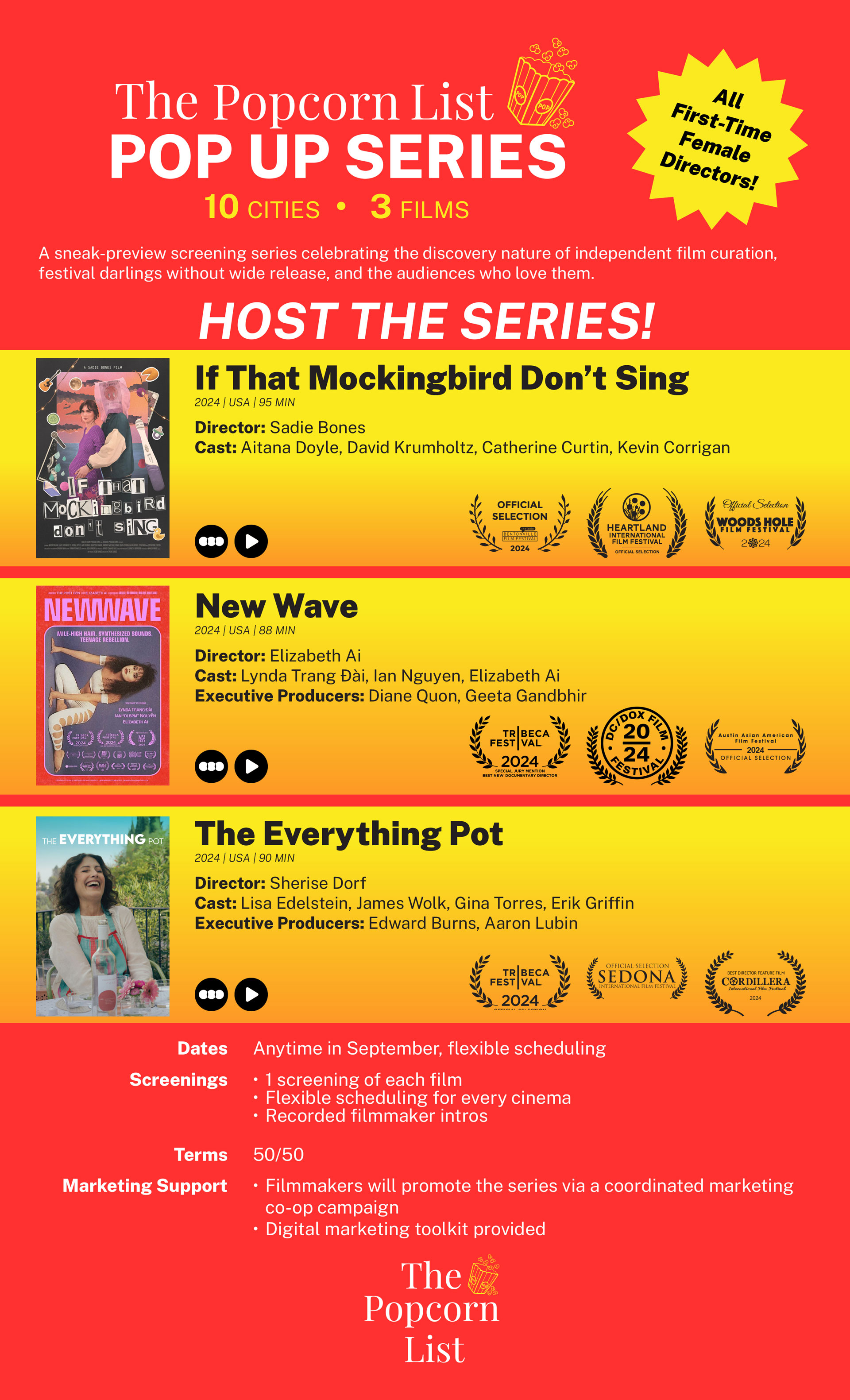
Starting out as a scrappy initiative with no funding, we knew the beta must be contained to ensure we could see the experiment through to completion. As we ideated the ideal structure, we opted to pursue a hybrid model, featuring both in-theater and virtual screenings. Ultimately, eight of TPL’s 2025 recommended films trusted us to help bring their films to audiences.
In keeping with our ethos to support films’ overall distribution plan and subsequent windows, we designed the Pop Up Series so as to not interfere with what distributors refer to as “cannibalizing audiences,” or to scare off potential buyers by being too broad or even referring to it as “theatrical.”
In Theaters: 10 cities, 3 Films, 1 Month Only
Selecting three films for the theatrical portion of the Series felt manageable, so we packaged the in-person Series with three films by first time female feature directors, representing a mix of documentary and narrative and an interesting spectrum of points of view and life experience.
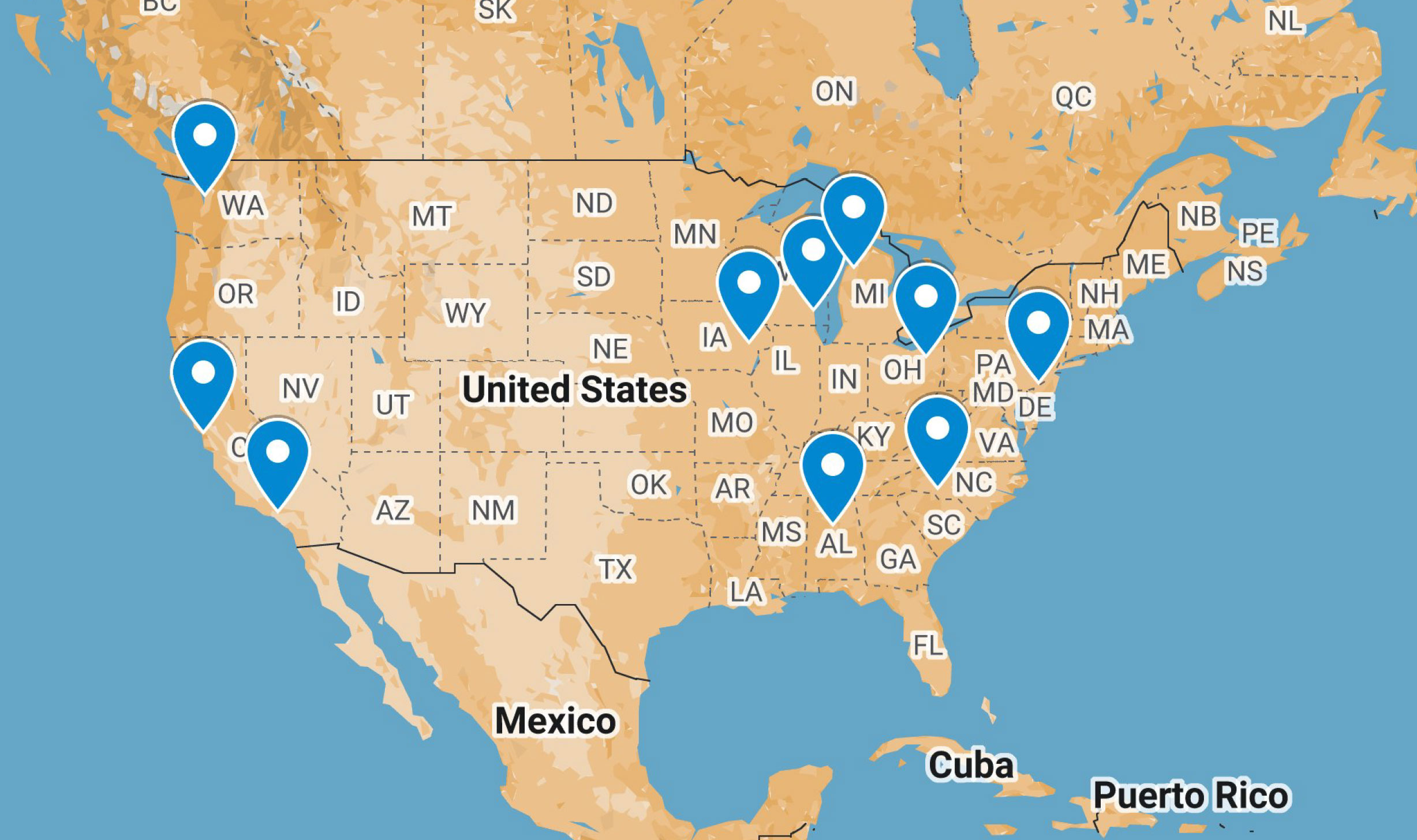
Ten arthouse theaters around the country took the leap and joined us in the inaugural Series, agreeing to play all three films as “one-night-only sneak previews” throughout the month of September – but with complete flexibility on their end as to scheduling – since they know their audiences best.
Virtual Screenings: Nationwide on Eventive, 6 days Only
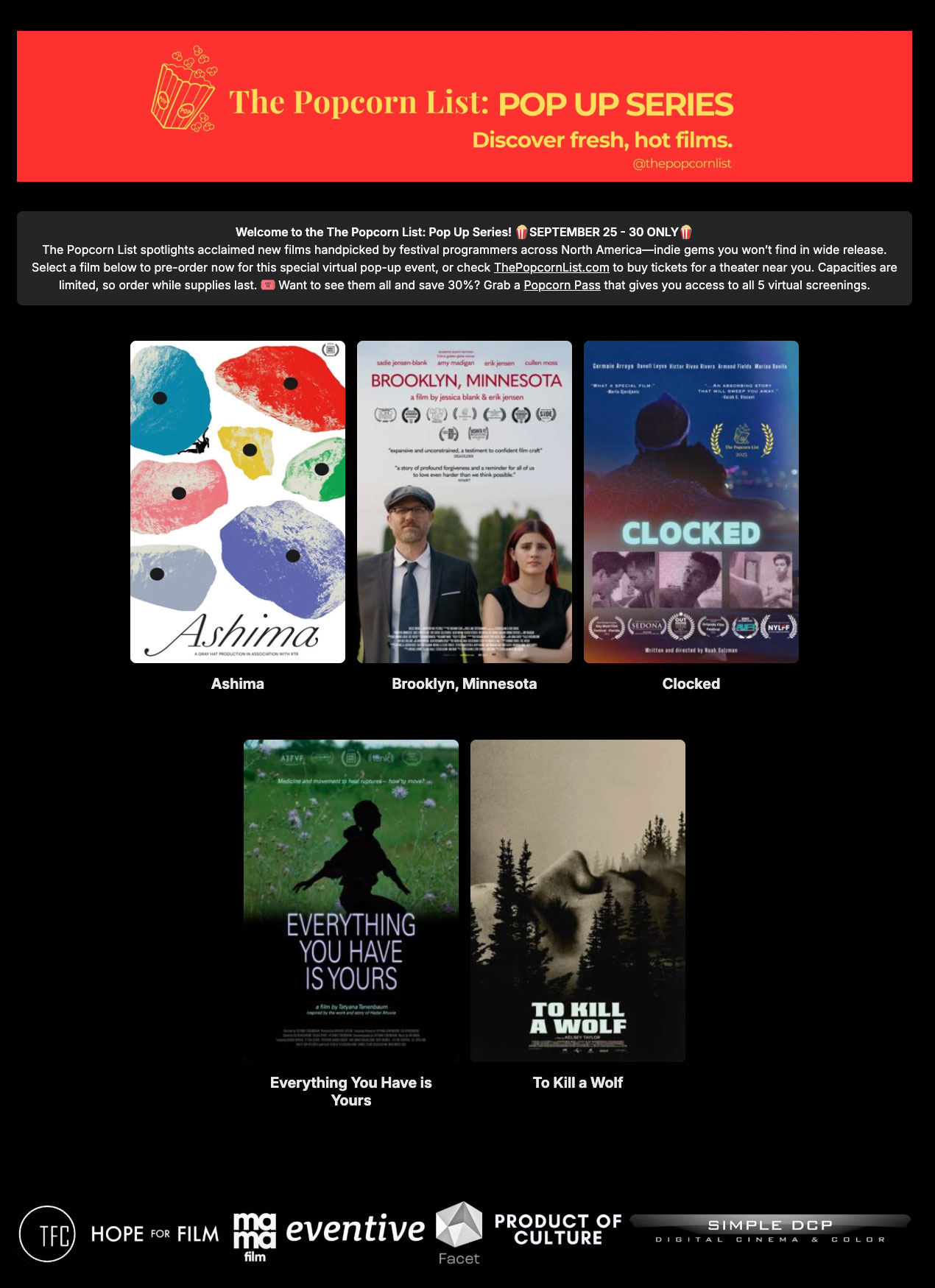
We invited all remaining films from the 2025 List who had expressed interest in participating in the Series. Five films opted in to play virtually for six days at the end of September geo-blocked to the U.S.
Hosted by Eventive, the virtual element allowed us to expand the invitation not only to more filmmakers, but also to more audiences who may not be able to come to a theatrical screening because of geography, childcare, access, or any number of other reasons.
🍿 A Collaborative Approach
TPL’s ethos lies in the fundamental idea that there is power in the collective. We harnessed this notion as we continued to design a collaborative approach to revenue share and marketing.
Filmmaker Solidarity Pool & Rev Share Structure
We built the economics based on a rev-share structure of box office receipts (both for in-theater & virtual screenings). It allowed us to proceed without funds up front to pay licensing fees, while being as fair as possible to exhibitors, filmmakers, and ideally, ourselves as well. The message was clear: we are all in this together.
The payout structure included a Filmmaker Solidarity Pool:15% of every ticket sold went into a pool which was split evenly among teams at the Series’ conclusion. We hypothesized this would incentivize film teams to support and promote each other’s films, ensure that every film would receive some sort of payout regardless of individual box office, and reflect the collaborative nature of the Series.
In-Theater: The terms were 50/50 with the theaters, making us partners with an equal financial stake in this endeavor. The full economic split was:
- 50% to theater
- 25% to film team
- 15% to a Filmmaker Solidarity Pool (to be split equally among the teams)
- 10% to admin & overhead
Virtual: Because the exhibitor share was lower for the virtual Series, we were able to allocate a higher percentage to the individual films and design this split:
- 35% to platform
- 40% to film team
- 15% to a Filmmaker Solidarity Pool (to be split equally among the teams)
- 10% to admin & overhead
Marketing Collective
Independent filmmakers don’t have surplus money, but they do have social capital, so we conceived a collective social media marketing campaign in which the film teams would promote not only their own films but also each other’s films and the Series as a whole, creating crossover among existing followers and leveraging their social media to the collective’s benefit. The more tickets sold, the more each film team could:
- Retain a percentage of their own ticket sales
- Add to the overall value of the Filmmaker Solidarity Pool
- Be on the ground floor of building a new approach to marketing
- Form long-term relationships amongst each other & with key industry partners
Assets:
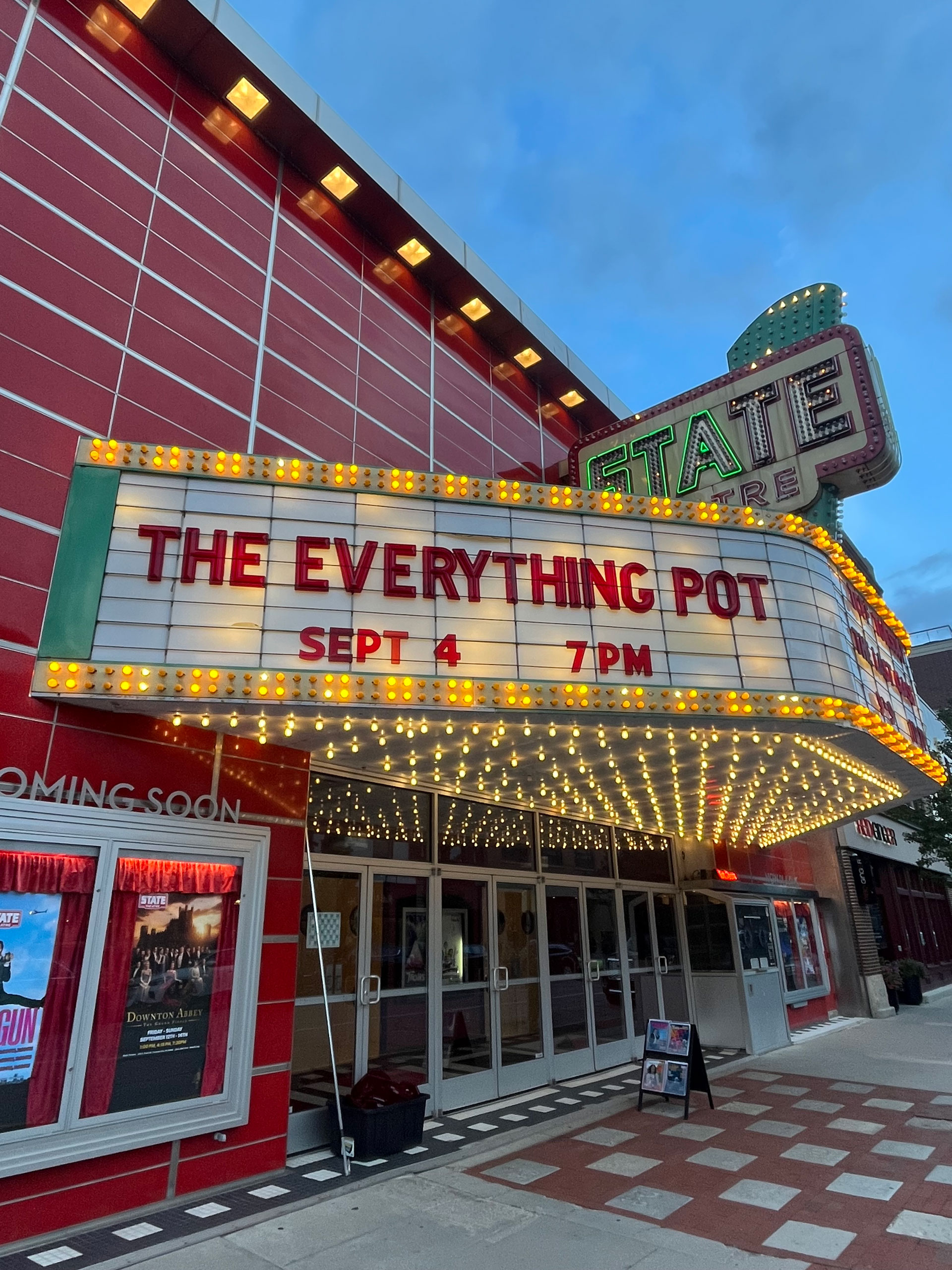
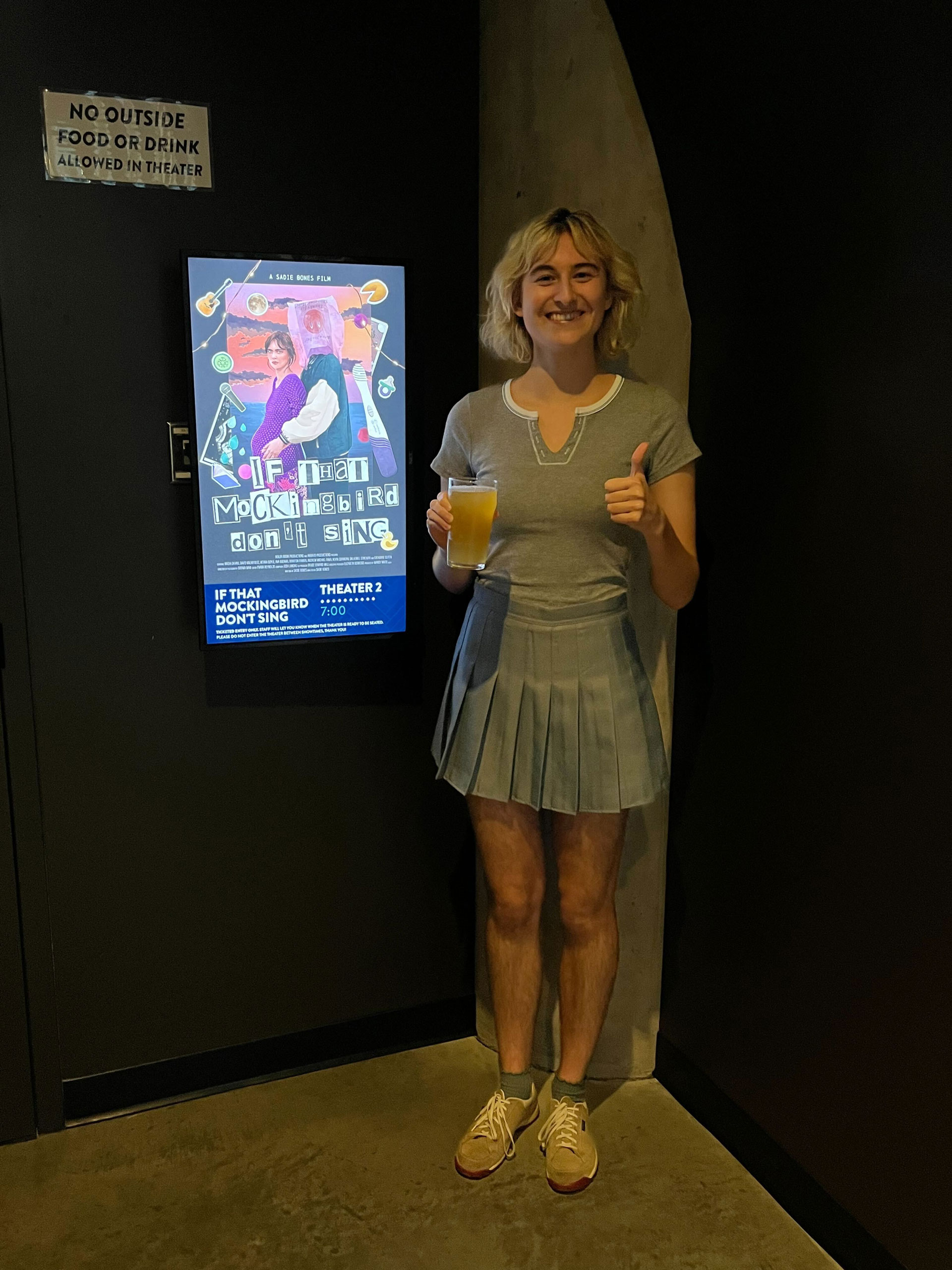
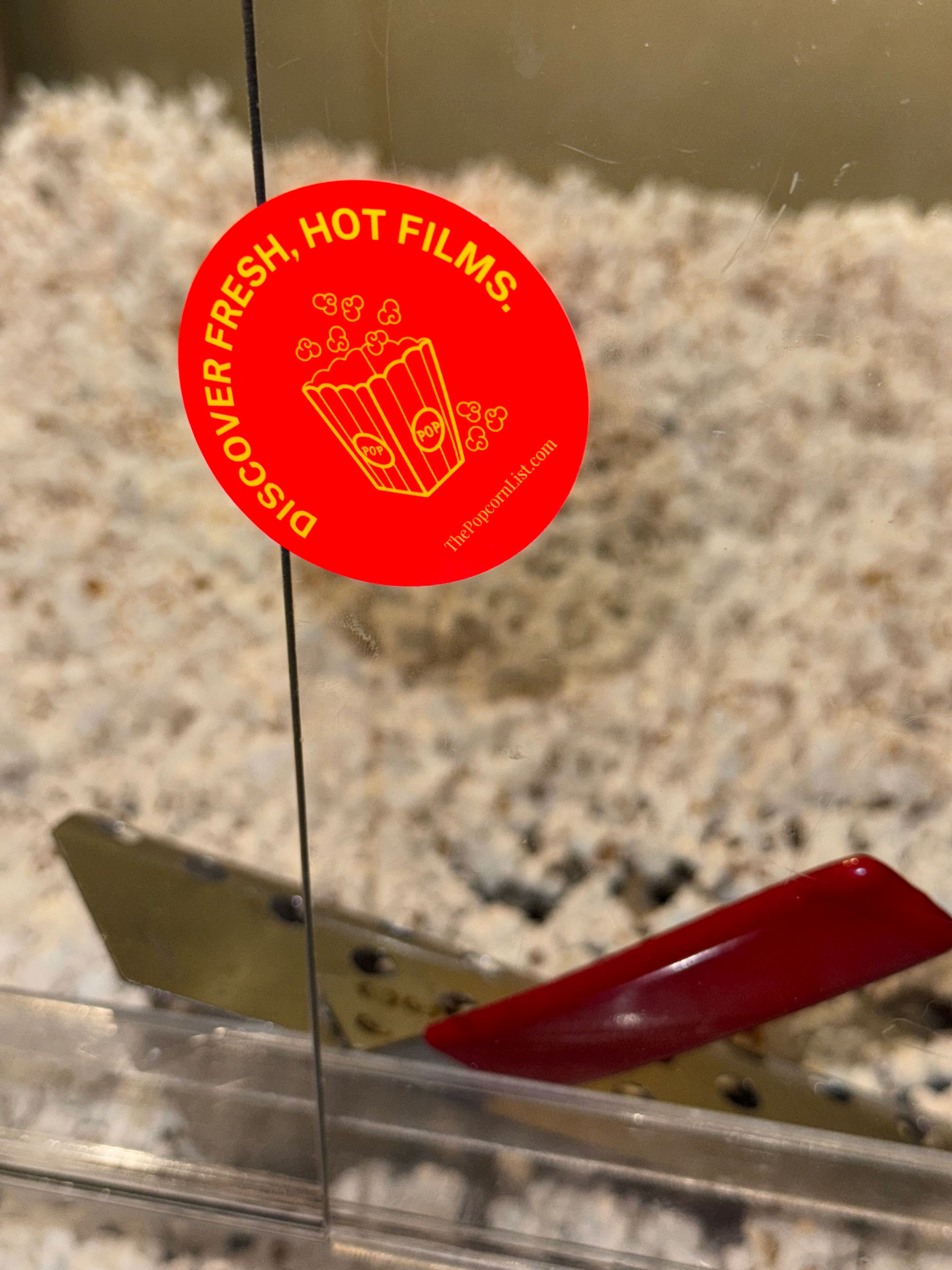
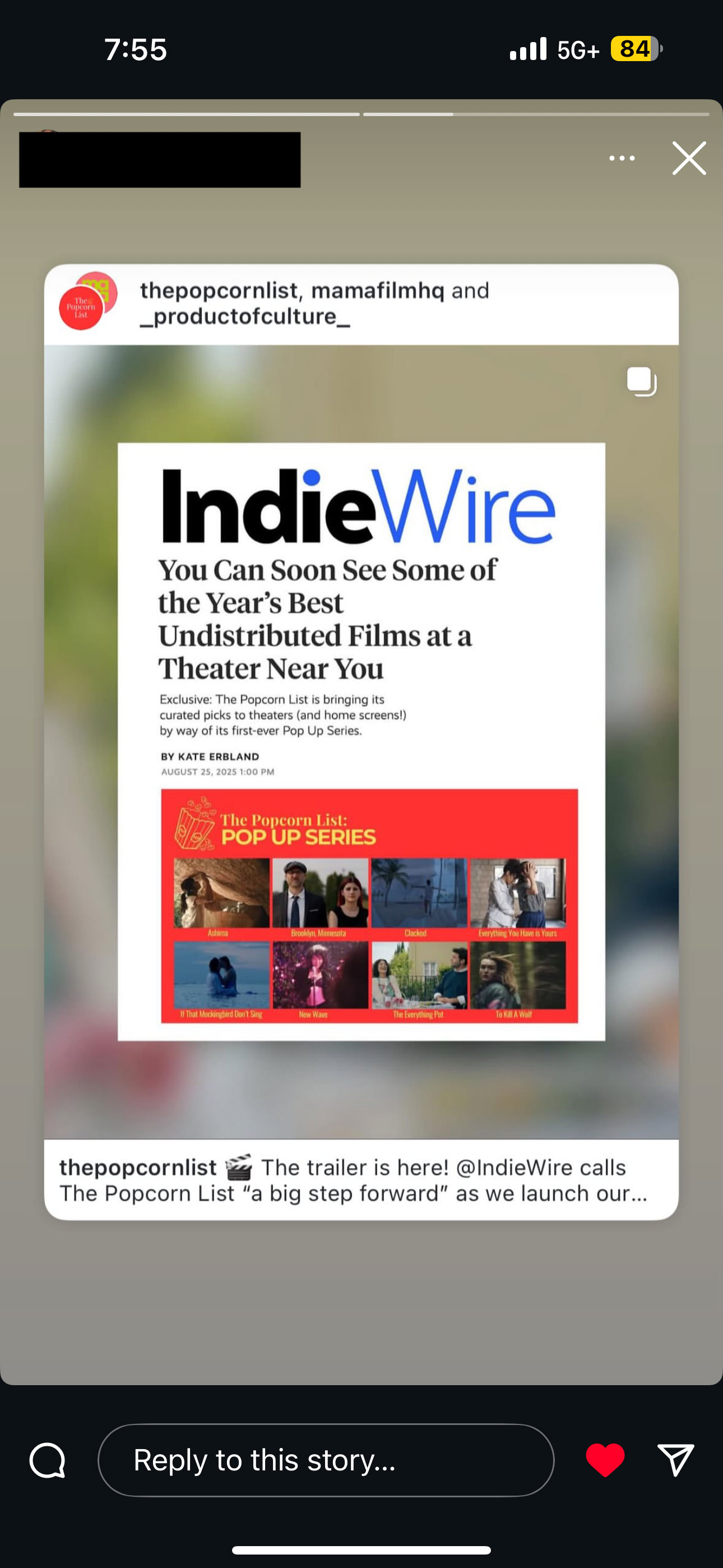
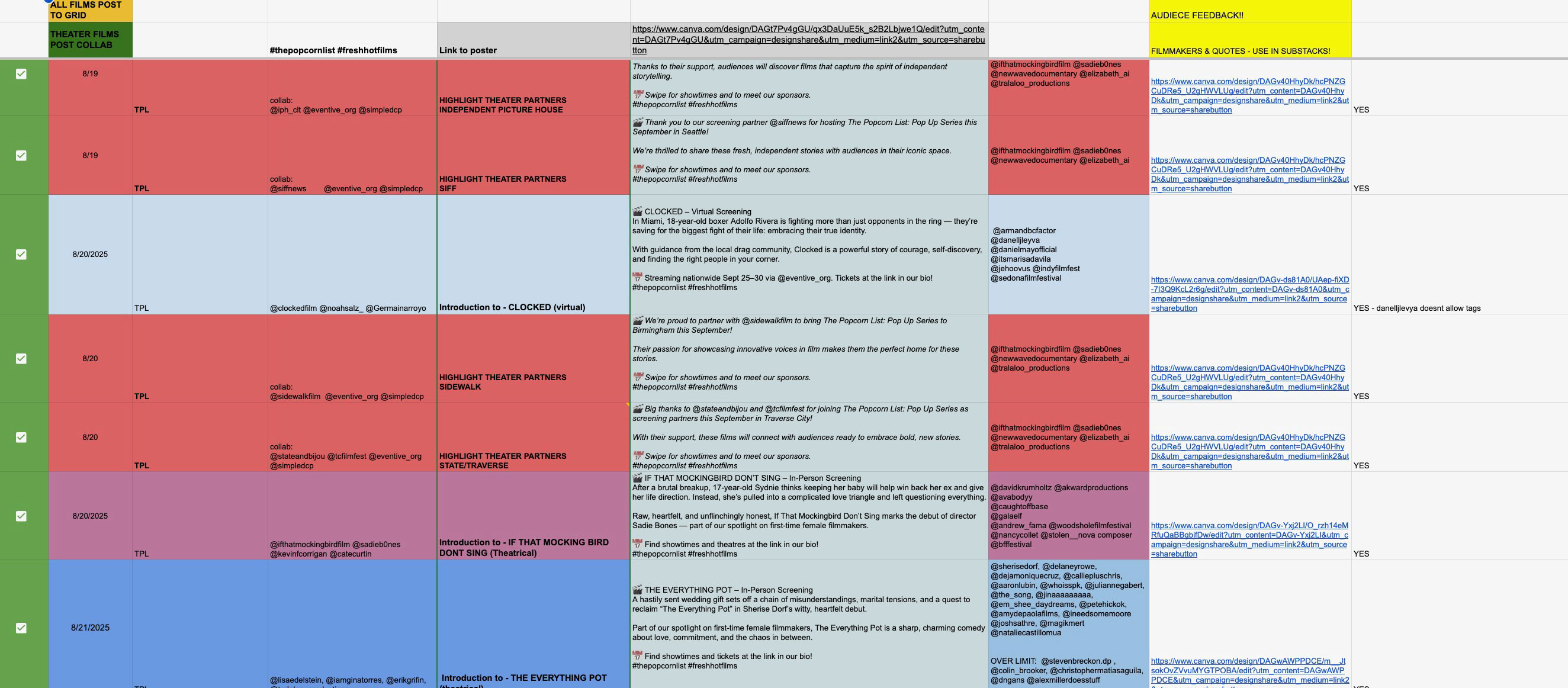
Working with marketing & social media agency Product of Culture, we created a Social Media Toolkit to be used by filmmakers, partners and theaters and a Series Trailer (in both horizontal and vertical formats) which IndieWire debuted. We created myriad promo codes to track ticket sales. All of our social media graphics were created internally in Canva and we ordered TPL stickers to be shipped directly to the theaters. Each theater was offered an additional stipend to collect videos and images.
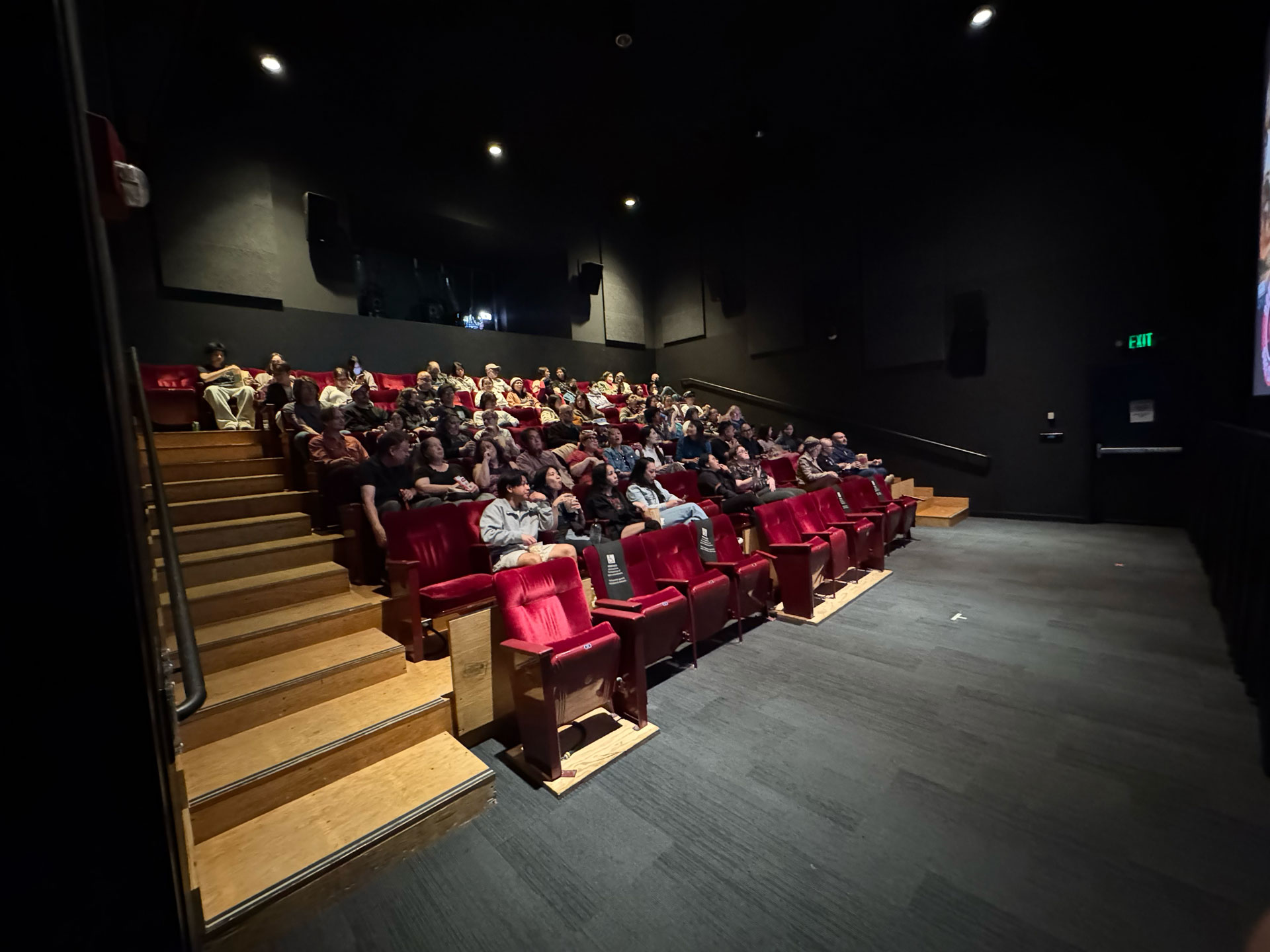
Campaign:
We began our marketing campaign in earnest on August 15th. Each film team was asked to share two posts that promoted all of the films/Series; and each team was guaranteed 3-4 unique posts. We collaborated on as many posts as possible with filmmakers, programmers, festivals, partners and theaters, and the team at Product of Culture cross-posted our content to Facebook and TikTok. In total, the campaign included 110 unique Instagram posts over the course of about 6 weeks. All in, we spent $4,500 on social media marketing (exclusively on Meta platforms).
Some filmmakers noted that the comms, posting schedule, and collab posts were overwhelming at times – a longer lead time for prep would allow us to streamline that process for ourselves and for participating filmmakers.
🍿 Cultivating Community & Capacity
For Filmmakers
Throughout the course of the year, we aimed to create community and opportunity for TPL filmmakers. We hosted group Zooms for networking, introductions to field experts and informational calls throughout the Series. Filmmakers got a peek behind the curtains, in real time, at what it’s like to organize a Series, received social media education from Product of Culture, and learned from each others’ strategies, successes, and failures.
Highlighting the Role of the Curator
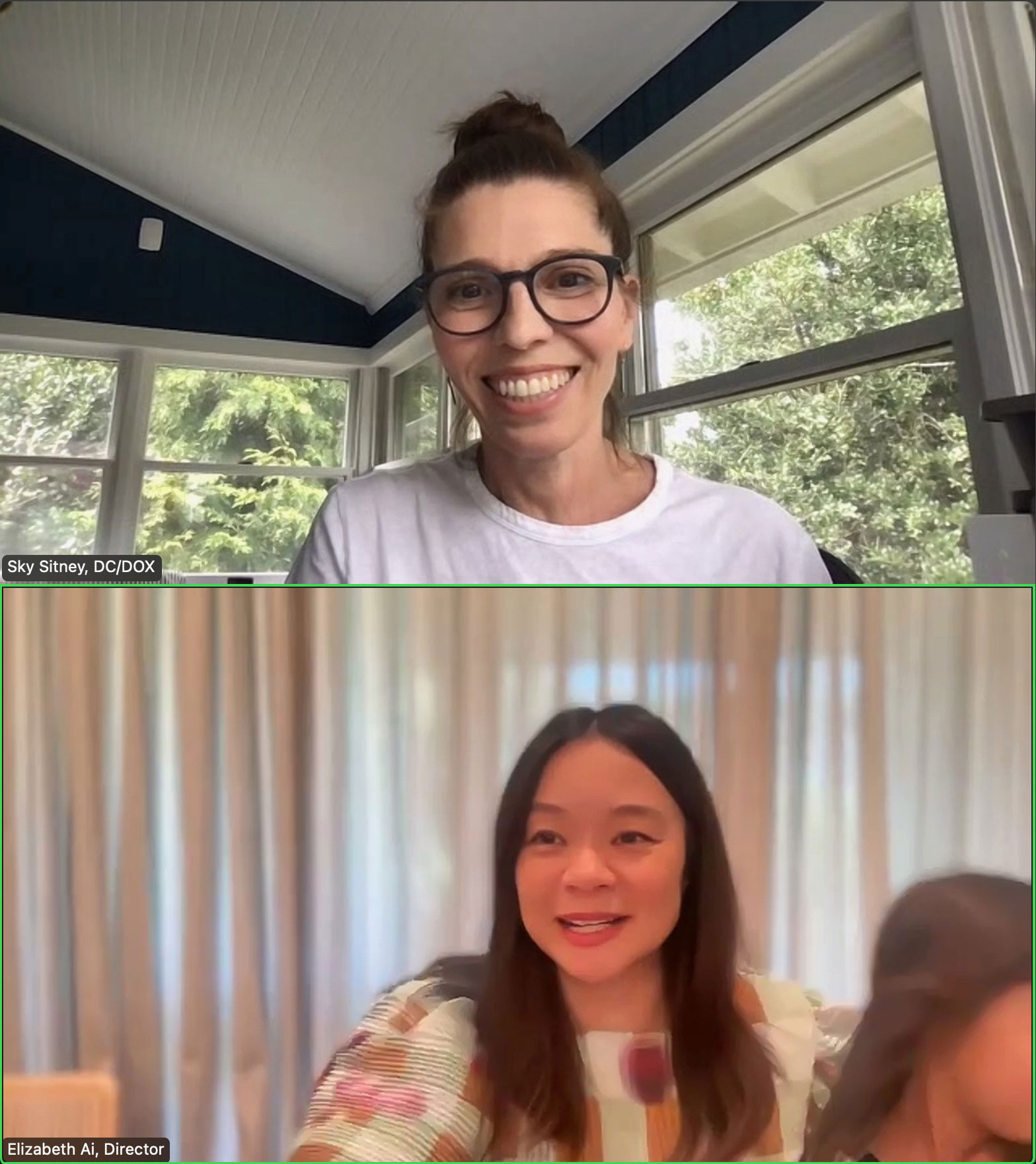
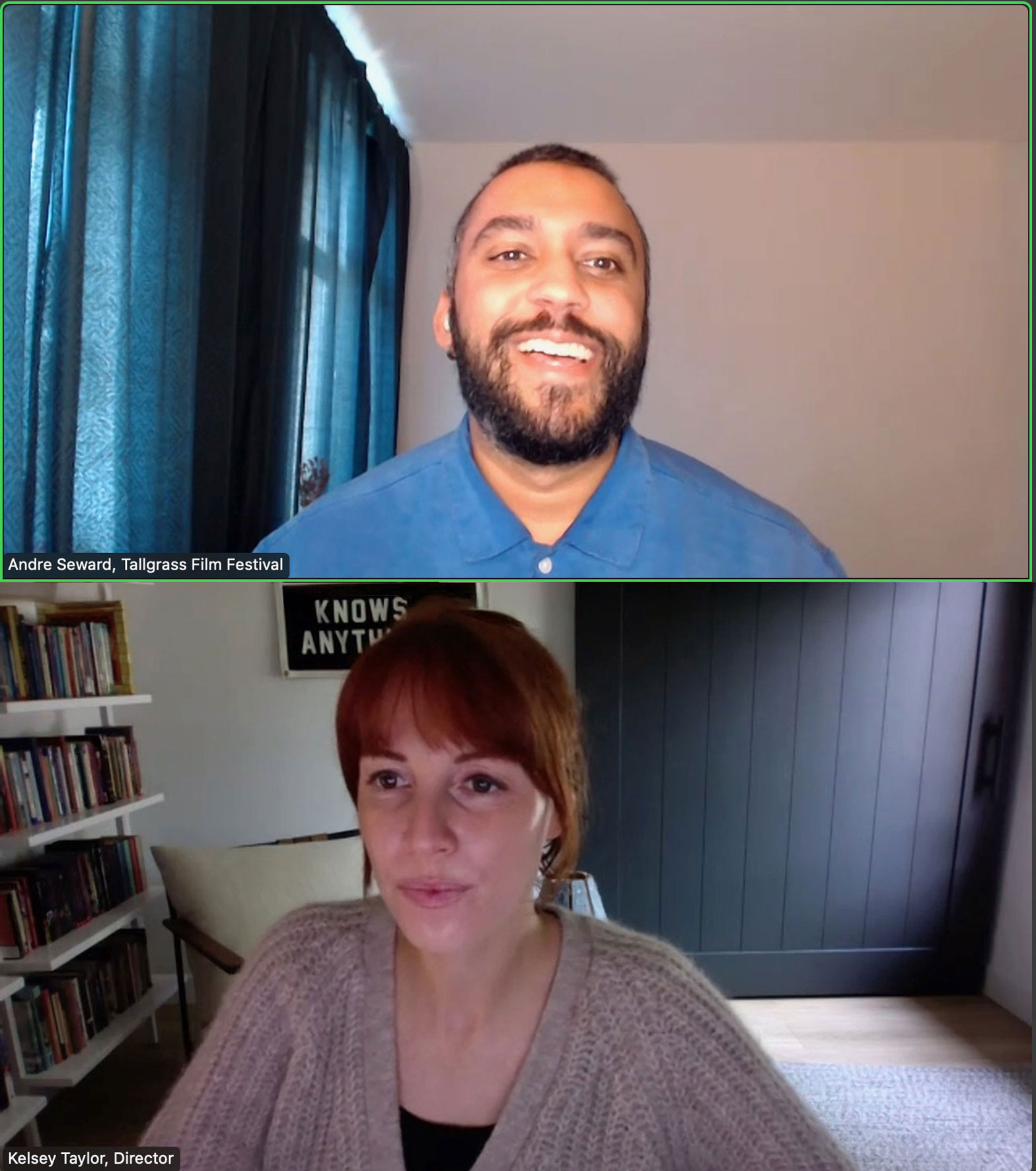
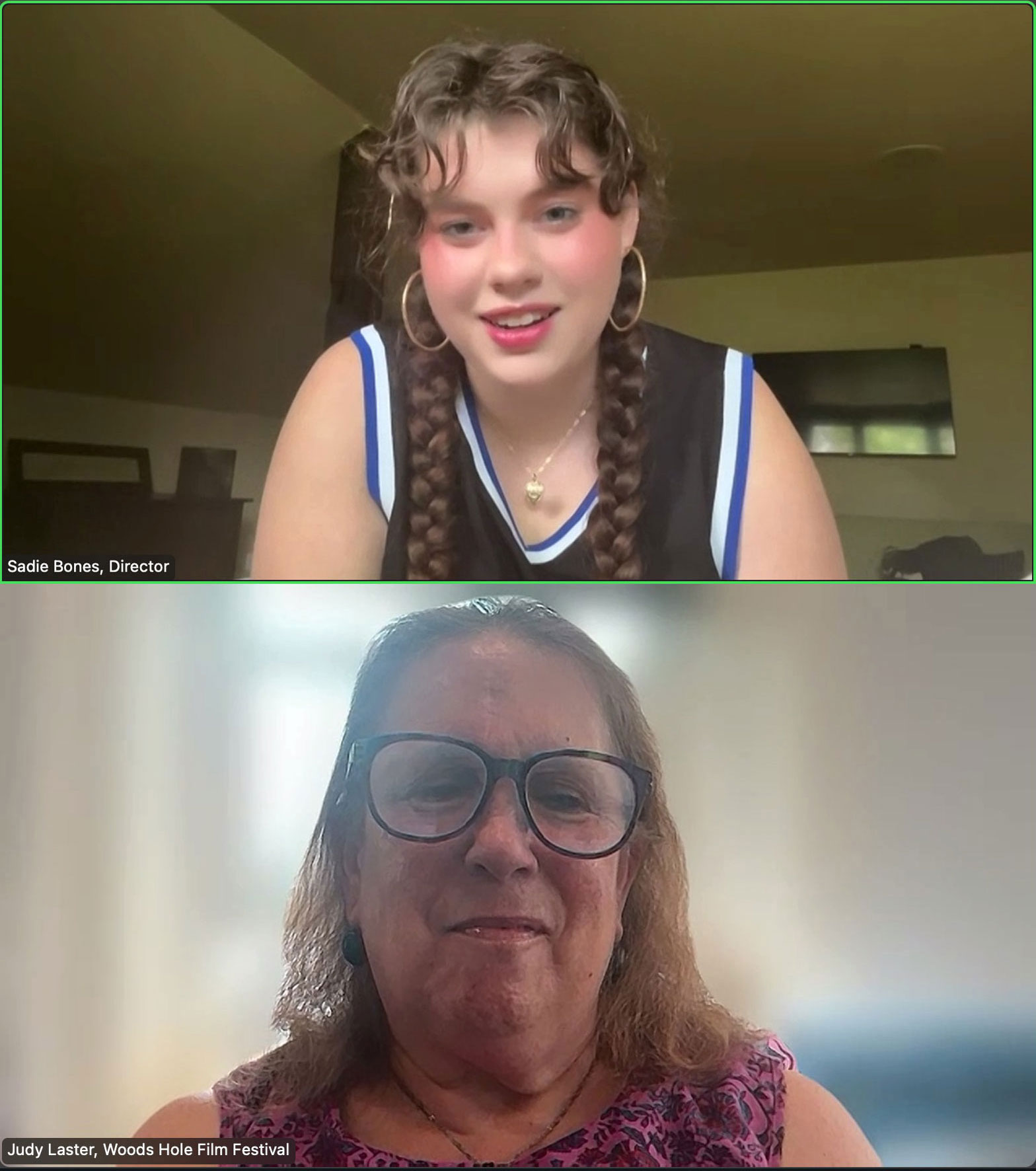
With no travel budget we pre-recorded short intros for every film with the film’s Director and the Programmer who recommended the film to TPL. This allowed audiences to connect with the storyteller and the curator who championed it – setting up TPL films with context and offering a human face in today’s disconnected world. It was important for the Series identity for audiences to have a better understanding of how and why they were watching these films.
Screenshots from the pre-recorded intros
Key Partners Stepped In
As it garnered more visibility, in-kind partners and donors came aboard to support the Series and our own capacity. Thanks to our fantastic partners, who made the Series happen in record time and who trusted us to try something new, together.

Hope for Film/Ted Hope
Ted Hope’s and his Hope for Film Substack have been partners since the first iteration of The Popcorn List in 2024. He offered the Series additional visibility and offered to match $5,000 in donations.
Eventive
Eventive came on as an in-kind partner to host the virtual portion of the Series. They also participated in the cooperative marketing campaign, doing a matching ad spend on socials, and showcased The Pop Up Series as a featured channel on their homepage for all of September.
Facet
In June, Maida Lynn and her philanthropic Facet LTD swooped in with a donation of $25,000, which gave us the ability to do paid ad spends on social media, hire extra muscle to implement our social posting calendar, cut a Series trailer, print stickers, compensate ourselves, and more.
Product of Culture
Product of Culture came on early as in-kind partners, designing our collaborative social strategy, implementing a robust calendar of posts throughout the month and beyond, and providing comprehensive analytics and follow up.
Roseade Wine Spritzer
Our very first brand partner, Roseade collaborated with us at Vidiots to offer a special combo price for spritzer and popcorn for anybody attending the LA screenings.

Simple DCP
Simple DCP came on as an in-kind partner to help us author DCPs for the filmmaker intros and the trailer to package each film’s deliverables into a neat, one-click download for theaters.
🍿 The Results: Did We Achieve Our Goals?
The Series was just a twinkle in our eye on February 9, 2025 and was in the bag by September 30. In order to analyze our success we collected the following:
- Filmmaker surveys: 7/8 film teams responded
- Theater surveys: 9/10 theaters responded
- Audience surveys: 69 respondents from across 9 cities and nationwide virtual
- Social media metrics: Product of Culture synthesized Meta metrics
- Box Office Receipts: From all theaters and Eventive
This year served as a beta; thus our metrics of success focused on participant satisfaction versus financial return. Note: with 7 film teams, 9 theaters, and 69 viewers responding, we don’t have the data to support a full statistical analysis. However, the anecdotal evidence included below is still valuable for us as we revise the Series for 2026, and informative for the field at large.
Overall, the general feedback we got from filmmakers, theaters, and audiences as to their experiences with this new model was very positive.
Goal #1: Experiment with a collaborative, ‘non-theatrical’ distribution model
Regarding the collaborative model, 100% of filmmakers agreed that the Filmmaker Solidarity Pool “was an asset”, though the question “collaborating with other filmmakers was to build audiences and support for each other’s films was useful” received mixed reviews, with 3 responding “Strongly Agree,” 3 responding “Somewhat Agree,” and one responding “Disagree.”
From our filmmaker survey, all responding films indicated that they would recommend participating in the TPL Series to fellow filmmakers, and their satisfaction scores averaged 8.14/10. What are the top things they took away from this experience?
“Understanding that marketing assets are very important.”
- “Understanding local press and outreach/community are necessary.”
- “We could directly see that you get what you put into it!”
- “I thought this was really interesting to include a solidarity pool and I thought it helped share the love amongst everyone.”
A major metric that is not to be overlooked is that the Series worked: the filmmakers trusted us with their projects, the theaters and Eventive came on board to exhibit the films, and the audiences showed up.
Goal #2: Facilitate access for theaters to festival darlings before their wide release
One of the Pop Up Series’ main goals was to help exhibitors access these films, and to support these films with a marketing push. 88% of theaters said that the level of marketing support they received from TPL was “Greater Than” the “amount of support they typically receive from small distributors or individual filmmakers.”
100% of responding theaters said they would be interested in participating in the Series again and expressed a general sentiment that the Pop Up Series is very mission-aligned for them. Open-ended feedback included the following notes:
- “We feel it is important and worthwhile to support independent filmmakers and give them an avenue in which to show their art.”
- “The Popcorn List Pop Up Series was exactly the breath of fresh air we needed as a small non-profit arthouse theater in the Midwest. You can tell they (TPL organizers) care as much about finding creative solutions to the problem of independent movie theaters and IRL audience attrition as they do about uplifting great films & filmmakers.”
Anecdotal feedback also indicates that not only was this goal clearly communicated, it was successfully achieved:
- “TPL lets us bring the films that matter—those the world hasn’t seen yet—directly to our audience, expanding the path from filmmaker to viewer. We look forward to bringing it back next year!”
- “TPL is a brilliant idea to spotlight overlooked gems on the festival circuit, particularly in a time of uncertainty in theatrical distribution.”
- “We loved hosting! There are so many amazing films that don’t get picked up post festival and this is a wonderful way to ensure that these important films don’t get lost in a void. We look forward to future events!”
From the filmmaker point of view, while the virtual had value, the ultimate goalpost remains big screen exhibition. In designing the Series, we did our best to create equal opportunities for all participating films, but we must acknowledge that just by the nature of a hybrid series, the three in-person films got outsized benefit compared to the virtual titles. This is a potential direction to develop the Series moving forward:
- “I never thought a theatrical release would be attainable for us before TPL.”
- “Access to the film from anywhere in the country was super beneficial!…[but] in person events are always appreciated. I think that’s the best way to support us.”
- “You could be of assistance by connecting us with a group of theaters that you have connections with so we could work alongside them to get screenings.”
- “I’m hoping that by getting on the list… it would be enough of a boost to convince theaters to program the film.”
Overall, a combination of in-person and hybrid access for films seems to be the best path forward to achieve the most opportunities for TPL films, reaching audiences that don’t have access to art house theaters, but still leaning into the traditional art house circuit and the importance of the communal viewing experience.
Goal #3: Cultivate audiences for TPL films fueled by the discovery nature of film curation
Audiences enjoyed the experience of the Pop Up Series, both in theater and virtually – and to a significant extent, they were motivated by the same metrics as the theaters:
- 46% attended the Series to support independent filmmakers
- 83% would attend another Pop Up Series screening
The majority of respondents fell into the 35-54 age range, skewed 71% female and regularly attend movies in the theater. Furthermore, the industry has long known that “word of mouth” generates the best ticket sales, and 34% of audience respondents said they learned about The Popcorn List from a friend. But even more importantly, when asked, 89% of respondents answered they were “highly likely to recommend TPL films to a friend.”
We were also excited to see the audience’s love for independent cinemas, who play a large role in the ecosystem and life span of an indie film:
- “(I attended) Because I still adore and prefer watching films on the screens they were intended to be conveyed on, and with an audience.”
- “Great theater, glad to know about it!”
- “The staff was so nice. I love supporting theatres like this one.”
A surprising result was to find that 41% of respondents said they had never been to that arthouse theater before – which shows us that we are successfully reaching new audiences not just for the films, but for the theaters as well.
And a note about virtual: Although virtual has lost some of its luster for filmmakers this far post-pandemic, audience feedback that suggests they still appreciate the access:
- “It was wonderful to access a new indie film. I live in a city with no art house cinema and my young kids keep me closer to home”
- “Excellent selection of interesting films. Streaming option was important.”
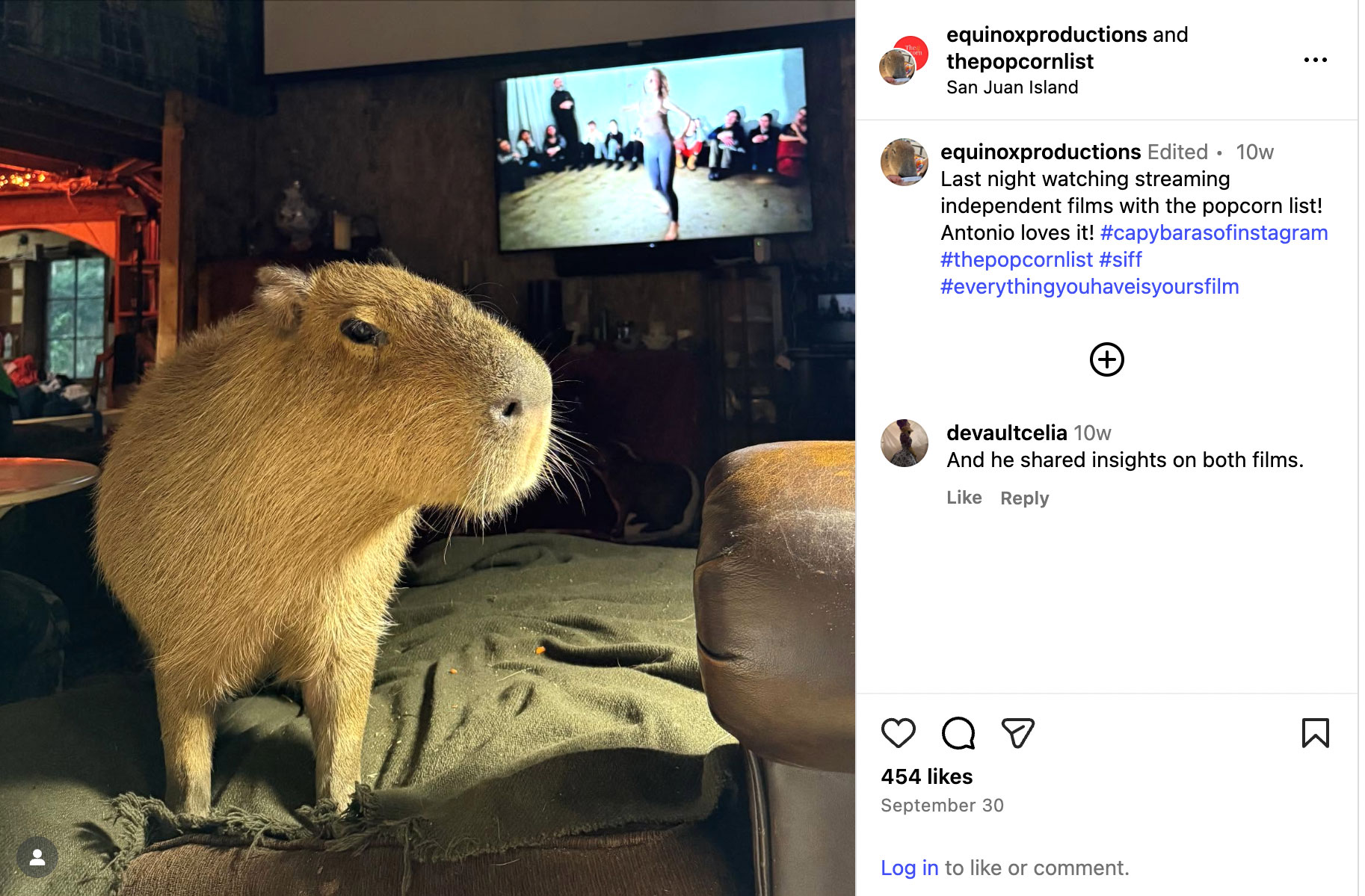
Anecdotal feedback from audiences indicates that the curation-forward messaging came across and was valuable to the attendees. When asked “why they would come back to a TPL screening” responses included:
- “To discover cinema gems and support filmmakers.”
- “Great to see a film different from mass releases.”
- “Good film selection.”
- “It was affordable, convenient, and I loved the Q&A with creators beforehand.”
- “It’s a really neat thing! I like supporting programmers doing their jobs and telling me what movie I should see! They’re usually correct!”
- “Because it’s cool to see a movie before it gets distribution and/or goes to VOD!”
- “It was an impactful and meaningful pick, i’d be interested to see other picks from the list!”
Social Media Metrics
Our social metrics told a similar story of broad reach not driven by paid ads or even necessarily by our own followers, but by organic discovery through collabs and cross-promotion. From the report generated by Product of Culture:
- Reach:
- Total Accounts reached: 133,841
- Total views: 568,526 (0.8% from ads)
- Total interactions: 7,577 (48.8% from followers / 51.2% from non-followers)
- Profile activity: 3,454 actions (+66.6%)
- 3,137 profile visits (+62.7%)
- 317 external link taps (+118.6%)
More than half of all engagements now come from non-followers, showing strong organic discovery and shareability.
- Engagement Sources:
- Followers: 48.8%
- Non-followers: 51.2%
- Accounts reached: 133,841
High share and non-follower rates suggest content is traveling beyond the core audience.
Box Office:
While the Box Office for 2025 was relatively modest, it was within the range we anticipated for a first-time Series that is still building its brand. Box office results were:
- In-person: 773 Tickets sold, $7,712.61 box office gross
- Virtual: 291 Virtual views, $3,001.15 virtual gross
- Total hybrid: 1,064 audience members, $10,713.76 gross
- Of the top 3 grossing films, one was virtual
As part of our commitment to transparency, we did our best to update a live shared BOR Google Sheet, so that the film teams had visibility into sales in real time. We also received some donations through Eventive’s portal, which we opted to split with the filmmakers.
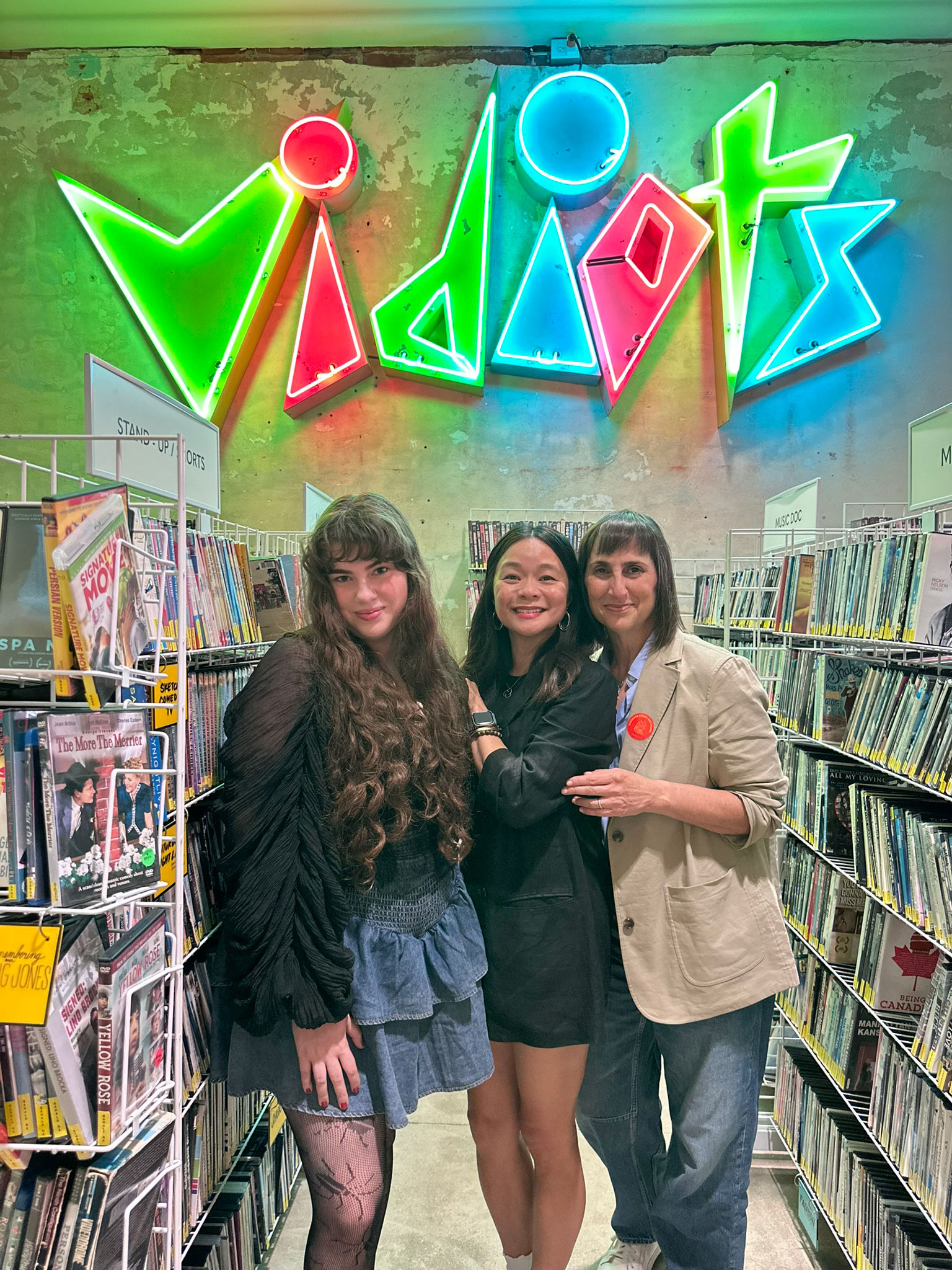
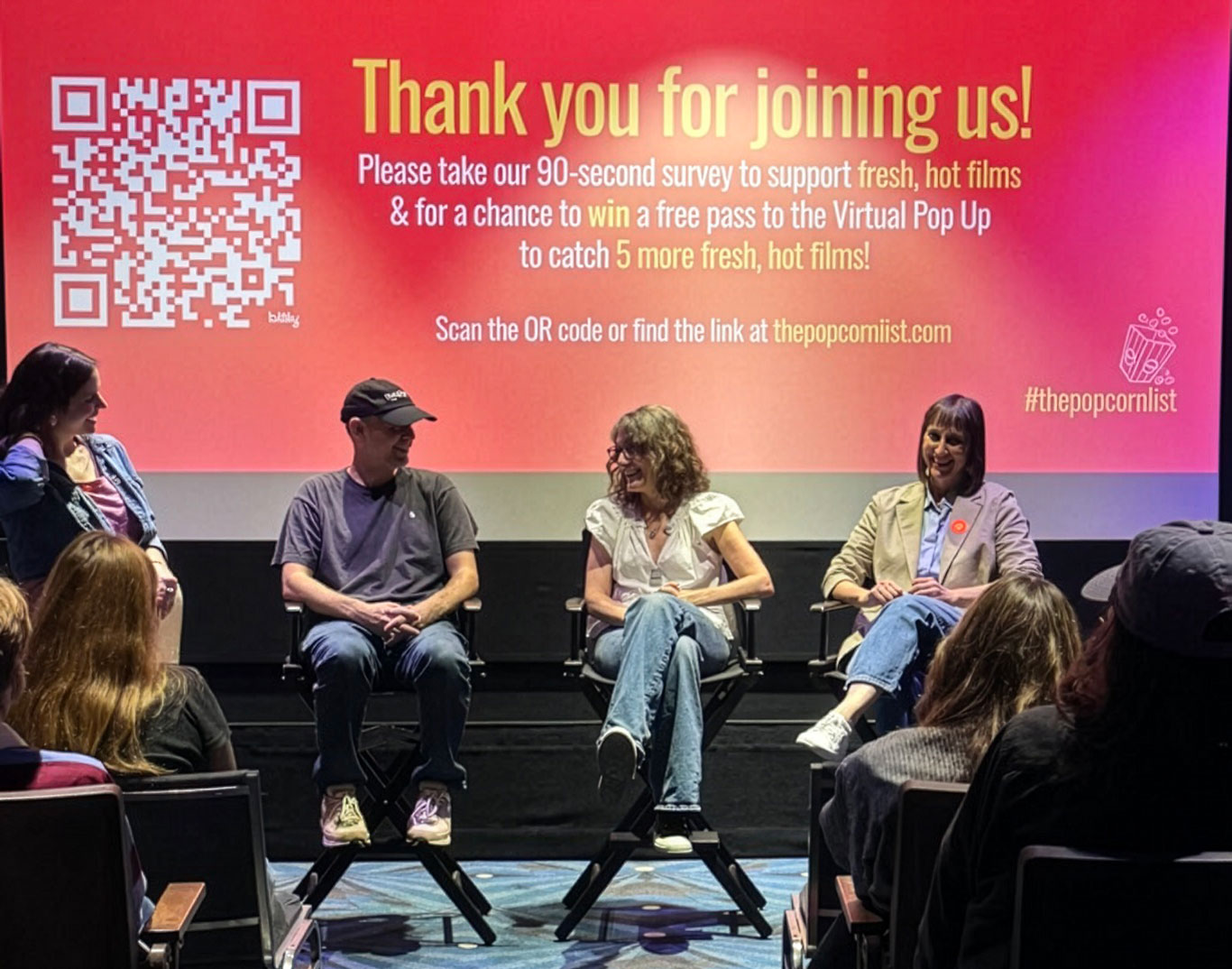
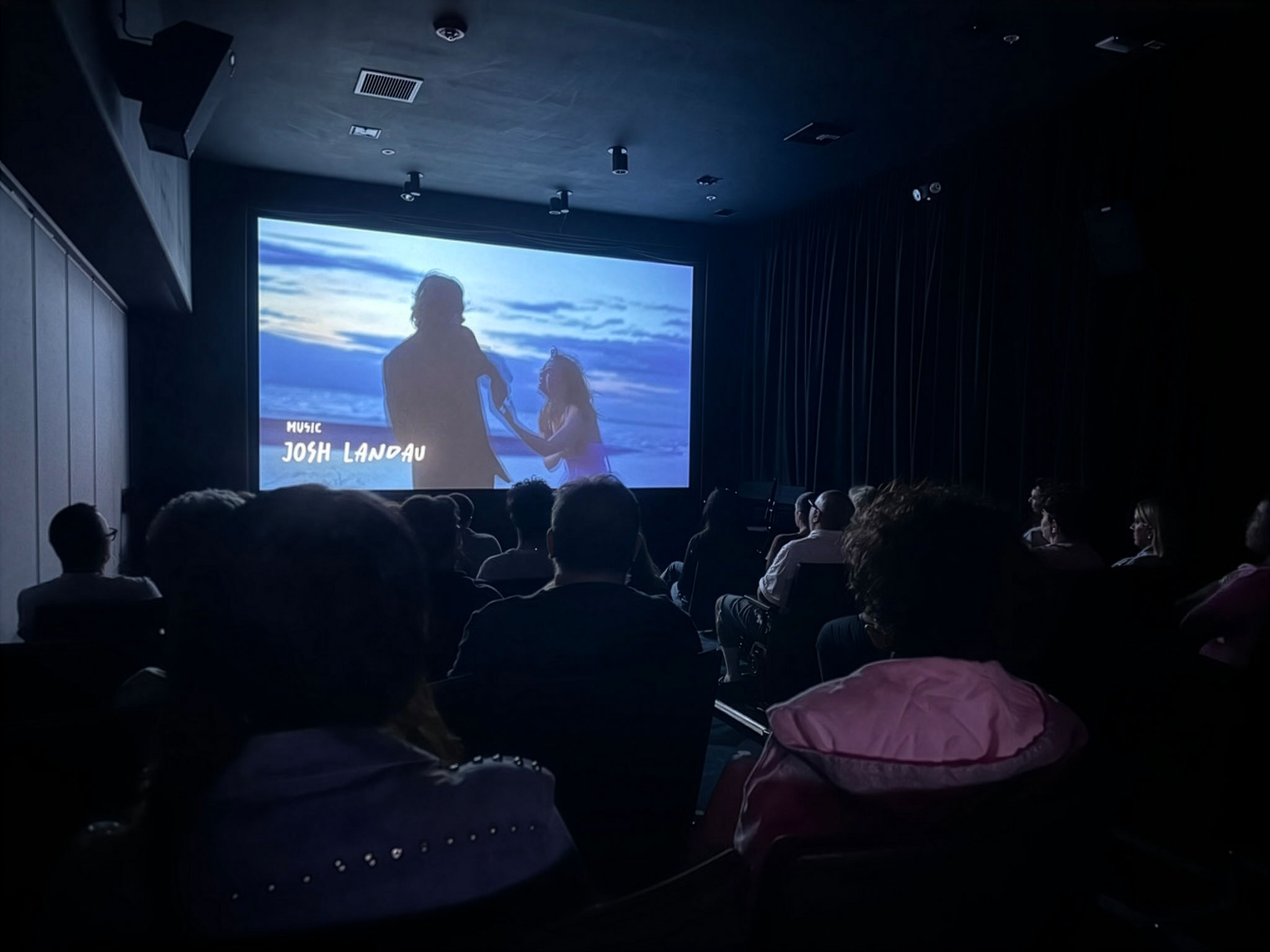
Ticket sales were correlated directly to the level of social media engagement on each film team’s side and their consistent outreach on socials drove significant ticket sales leading up to and during the virtual window. The most successful in-person screenings had filmmakers in attendance, or were eventized (e.g. The State Theatre offered a catered Vietnamese dinner to compliment NEW WAVE). The 3 sold-out screenings at Vidiots microcinema took place all in one day, allowing us to concentrate promotional efforts to a small window of time, create urgency around the scarcity of tickets, and draw audiences with a filmmaker Q&A–making this “mini-fest” a Series highlight.
Goal #4: Create capacity-building and networking opportunities for new and established filmmakers
One of our top priorities in the inaugural Series was filmmaker solidarity, both financially and in practice. We wanted the teams to feel like a cohort, to support each other (on socials and off), and to feel like they all had an equal stake in the Series.
Throughout the course of the Series, when the filmmakers came together (in-person and online) a lot of great energy, inspiration, commiseration, and innovative ideas were born. The film teams told us that it was encouraging to hear that other filmmakers were going through the same struggles.
Filmmaker surveys showed us that all of the film teams are keen to be part of a TPL peer mentorship program and anecdotal feedback around community-building included that filmmakers gained:
- “A feeling of solidarity with other filmmakers without distribution.”
- “New connections in the industry.”
- “A sense of accomplishment.”
- “I’d be happy to connect with new audiences and other filmmakers however possible.”
- “What a wonderful way to be in community w/ some badass indie filmmakers white knuckling their way through this.”
- “Loved the camaraderie with our cohort. Wish there was a bit more!”
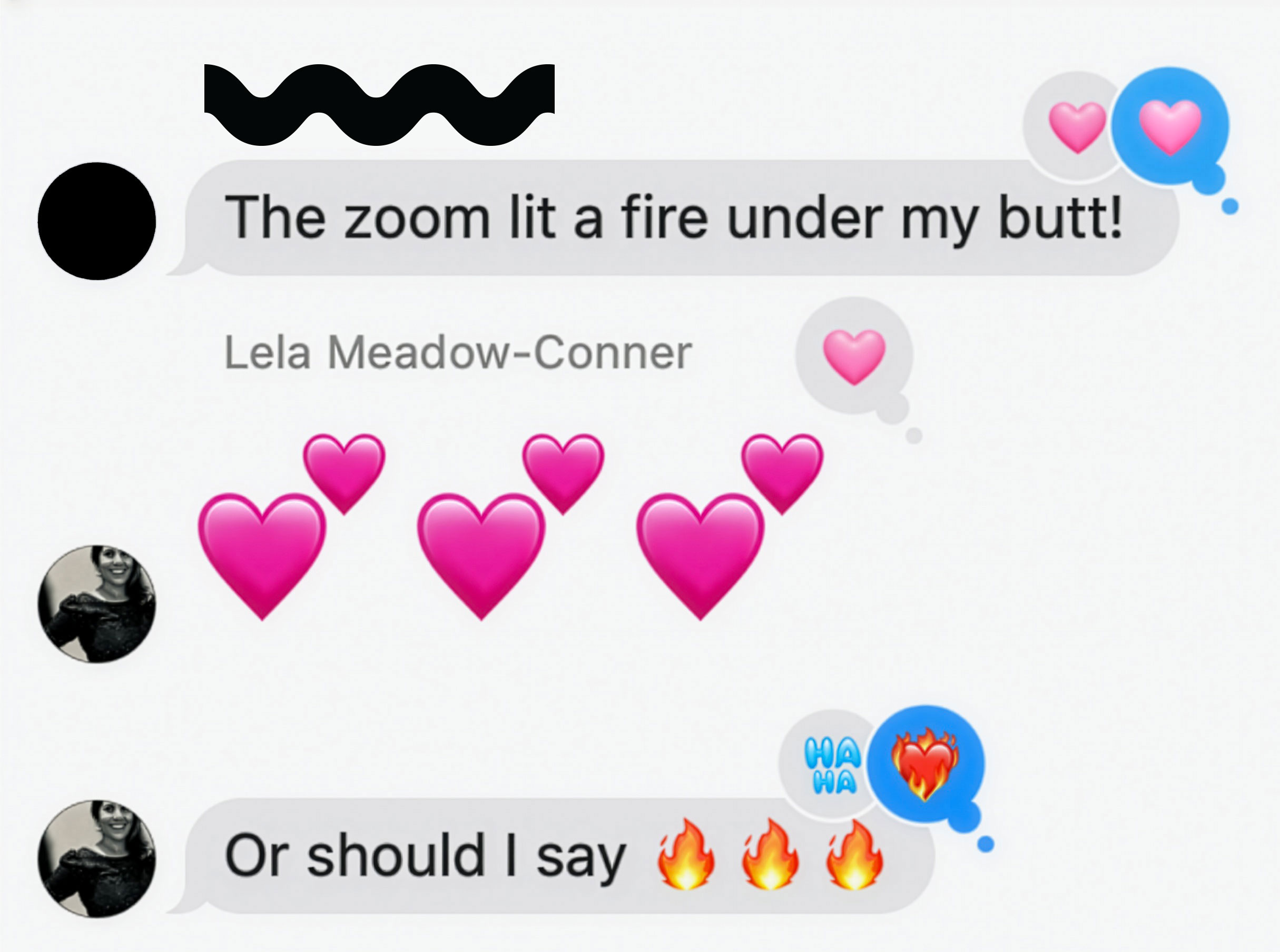
Connecting filmmakers in a cohort to discuss their journeys, their struggles, their questions – and also of course their successes and hopes and goals – was a breath of fresh air for everyone. Every film benefits when others succeed and vice versa. A rising tide lifts all boats. We make the tide together.
Goal #5: Serve as a springboard for wider distribution opportunities for TPL films
One of the primary goals of The List and the The Series is visibility for recommended films: visibility to audiences (we sold over 1,000 tickets and passes across the Series), social media presence (we had 568,000 views on our socials alone), and visibility within industry (IndieWire, Hope for Film, Filmmaker Magazine, etc.)
Many filmmakers reported having had conversations with distributors that were generated directly by their participation in the List and/or Series. We fielded some outreach from theaters interested in booking films outside the scope of the Series – we put them directly in touch with the film teams. One film even scored a two-week theatrical run in New Zealand. We’re tracking the film’s journeys as they continue to release wider into the world and are excited to see them making moves that are outside the conventional paths for independent films.
Anecdotal feedback from filmmakers does indicate that they learned something about distribution (in particular, self-distribution) from participating in the Series, and that they came away from the experience more empowered than when they went in. When asked “what does the term “not having distribution” mean to you at this moment?,” responses included:
- “Freedom.”
- “Opportunity.”
- “Control.”
- “Being a Punk Rock Muthfkr.”
- “The journey with this film isn’t over.”
- “We are letting go of a traditional distribution pathway. Our dreams have shifted organically and TPL has been a part of that journey.”
- “Made us more aware of other routes to get eyes on the project that don’t include aggregators or needing to take “the least crappy” deal.”
- “Being able to retain theatrical rights.”
🍿 The 2026 Popcorn List: Pop Up Series
As we move into the next iteration of the Series, we’re thinking about building our audience-facing brand, expanding opportunities for TPL films and fundraising for additive and supplemental elements. Some of the things we’re taking into consideration include:
- Expanding theatrical opportunities to more films and more cinemas.
- Hiring a publicist is always a gamble, but earned media is valuable.
- Lengthening promotional timeframe with a focused spend to & asset to build audience engagement.
- Offering travel support for filmmakers to attend screenings brings out audiences.
- Offering ‘Popcorn Stipends’ so theaters can provide free or discounted popcorn to audiences as part of our brand.
- Scheduling the Series to take advantage of theater’s more available months, and strategize the virtual window accordingly.
- Cultivating more collaborative opportunities to grow networking and capacity-building opportunities for and within the TPL Filmmaker cohorts.
- Expanding our budget. What would be ‘enough’ to execute this Series at the highest levels, checking all the boxes on this list? Our current estimate is over $150k per year.
- Being mindful of labor bandwidth: We’ll be more effective and intentional with how we spend our time and allocate resources.
For TPL, successful distribution means connecting films to audiences who would otherwise not find them; engaging in collaborative marketing and an incentivized financial model, introducing audiences to new filmmakers through the trust of known film curators; and building a community of networked filmmakers who uplift each other on their film’s distribution journey.
As the initiative and experiment grows into something bigger and better in 2026, we’re aware that we sit in the unique position of straddling lines, breaking boundaries, and participating in the discussion around redefining distribution. We know these parameters will continue to evolve with the times, and we want to keep The Popcorn List flexible, reactive and proactive to the industry’s ever-changing needs.
Stay tuned: The third edition of The Popcorn List drops January 5th, 2026.
Stay fresh, stay hot! 🍿🍿🍿
Lela Meadow-Conner (mamafilm) & Kathy Susca (The Film Collaborative)
(with special thanks to Maida Lynn for her invaluable guidance)
🍿 Appendix
*How does TPL work?
TPL is a curation of films recommended by film festival programmers who received a survey asking them to share a film that they believe: 1) deserves to be seen more widely and 2) does not have traditional distribution. TPL compiles all of the recommendations, and communicates with the film teams directly to confirm their eligibility.
Thank you to the Programmers who recommended films to 2025’s The Popcorn List:
- Nehad Khedar (BlackStar)
- Sean Flynn (Camden International Film Festival)
- Mimi Plauché (Chicago International Film Festival)
- Paul Sloop (Cordillera International Film Festival)
- Dan Brawley (Cucalorus)
- Sky Sitney (DC/DOX)
- Paris Burris (deadCenter)
- Matthew Campbell (Denver Film Festival)
- Allegra Madsen (Frameline)
- Kayla Meyers (IndieMemphis)
- Jason Hoffman (Indy Film Fest)
- Cara Ogburn (Milwaukee Film)
- Tom Hall (Montclair Film)
- Crystal Merrill (Mountainfilm)
- Nick McCarthy (NewFest)
- Barak Epstein (Oak Cliff Film Festival)
- Jim Farmer (Out on Film)
- tt stern-enzi (Over-the-Rhine Film Festival)
- Isaac Zablocki (Reel Abilities)
- Lisa Simmons, Allison Simmons-Uvin (Roxbury International Film Festival)
- Beth Barrett (SIFF)
- Paul Sbrizzi (Slamdance)
- Heidi Zwicker (Sundance Film Festival)
- Andre Seward (Tallgrass Film Festival)
- Shailaja Rao (Tasveer Film Festival)
- Faridah Gbadamosi (Tribeca)
- Karen McMullen (Urbanworld)
- Judy Laster (Woods Hole Film Festival)
- Meira Blaustein (Woodstock Film Festival)
*Why the data shows us that there are opportunities within the sector:
- Theatrical releases generate 8x more social buzz than streaming-only releases (MarketCast 2023).
- 78% of US moviegoers go to theaters due to word-of-mouth (Market Data).
- 74% of Gen Z & Millennials prefer originals to remakes and value diversity onscreen, and 71% want to see more indie content. (Tubi)
- Theatrical runs are thriving for films lacking traditional distribution: No Other Land, Hundreds of Beavers
- In 2025 Gen Z will purchase more than 452 Million movie tickets
The Films
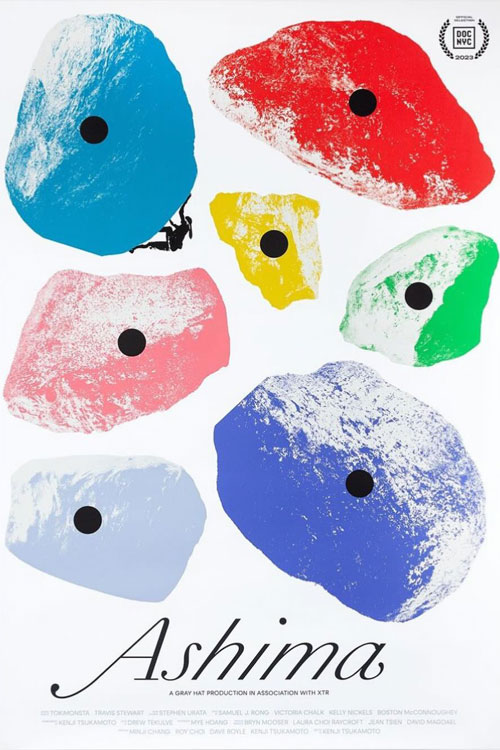
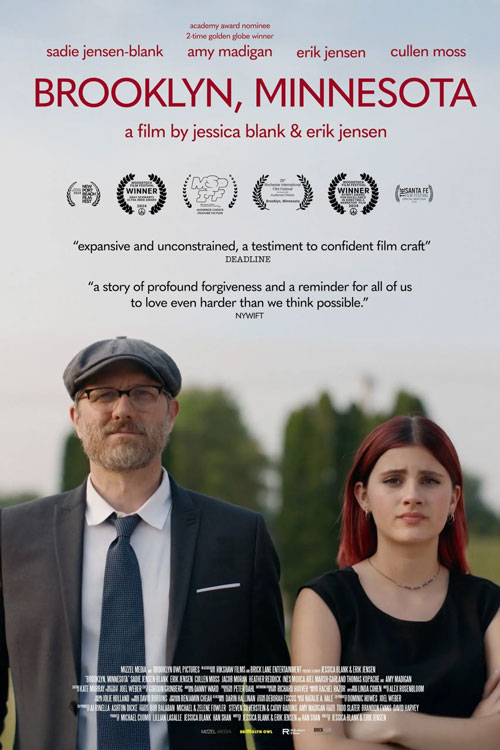
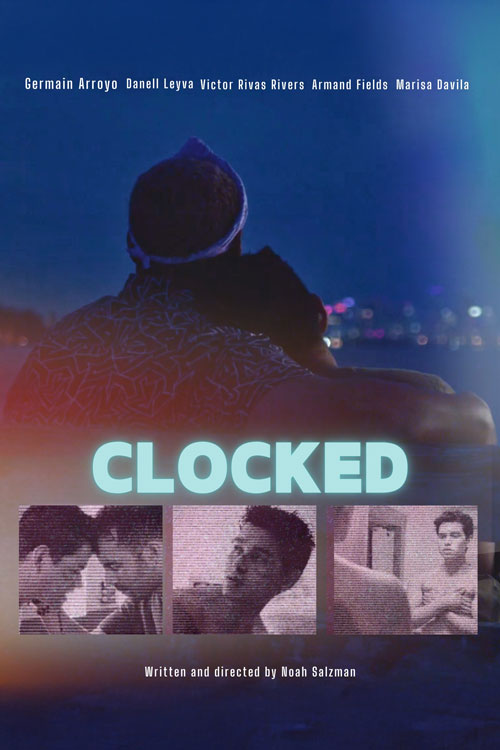
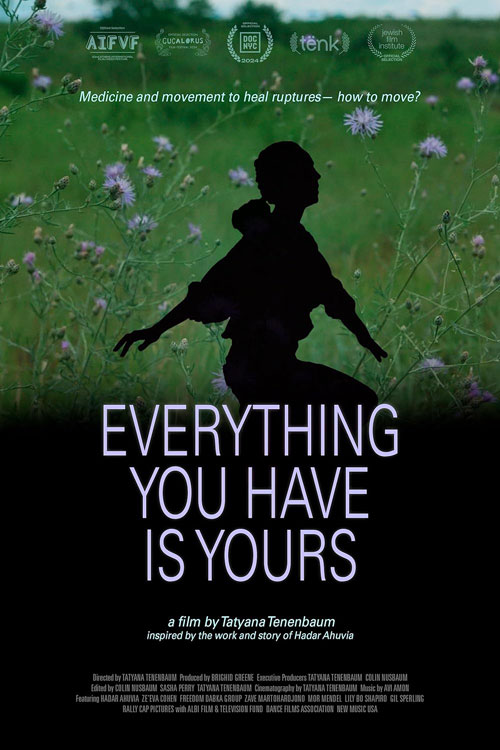
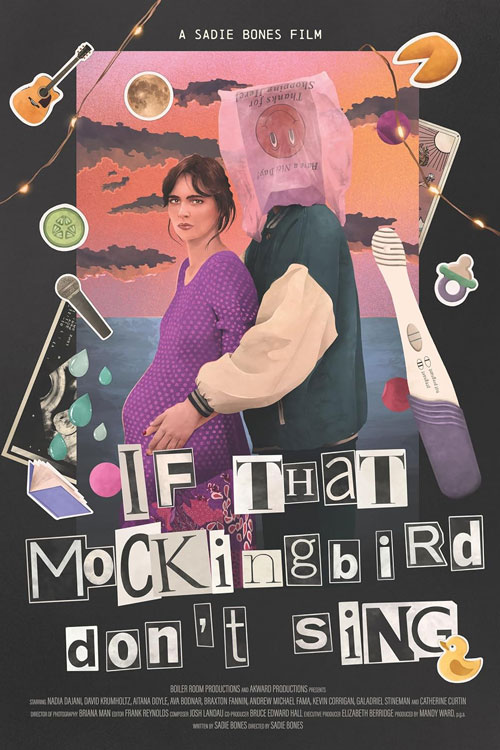
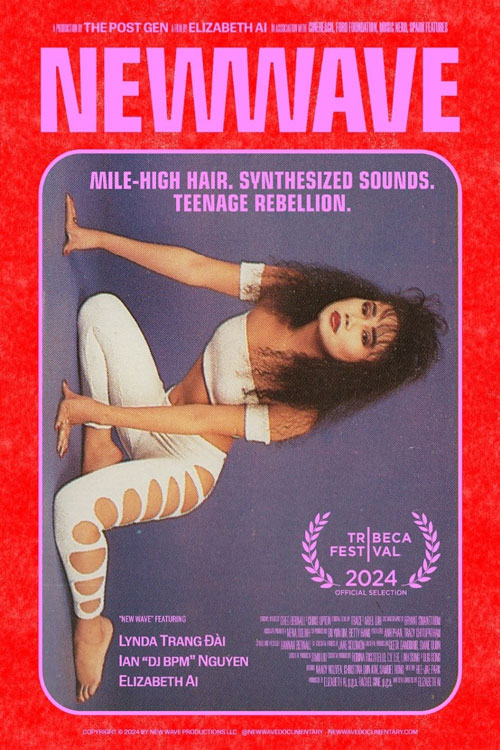
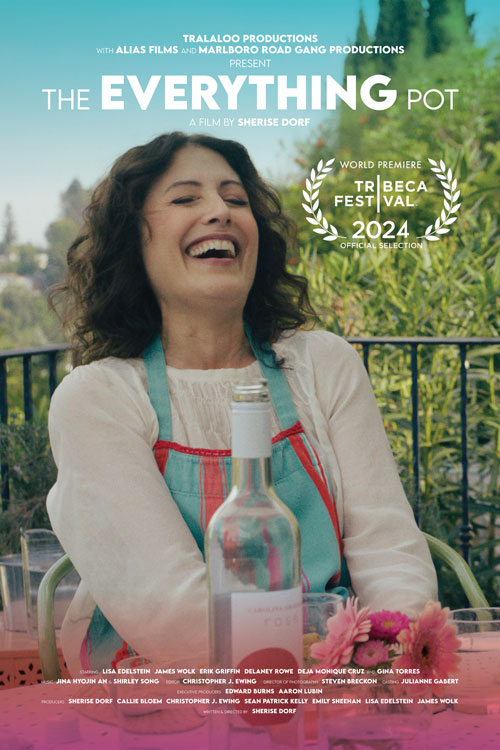
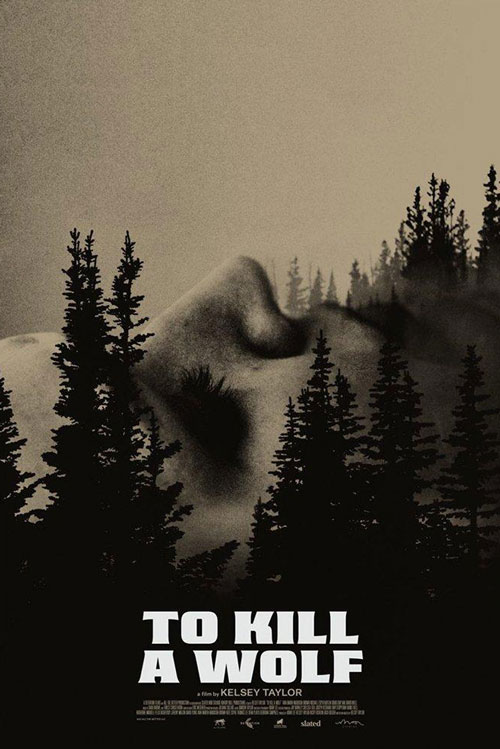
Eight of TPL’s 2025 recommended films trusted us to help bring their films to audiences:
The Theaters
- SIFF Film Center (Seattle, WA)
- cinéSPEAK (Philadelphia, PA)
- The Downer (Milwaukee, WI)
- The Independent Picture House (Charlotte, NC)
- Sidewalk Film Center (Birmingham, AL)
- State Theatre (Traverse City, MI)
- Vidiots (Los Angeles, CA)
- Roxie (San Francisco, CA)
- FilmScene (Iowa City, IA)
- Nightlight Cinema (Akron, OH)
Special Thanks: Archana Jain, Barbara Twist, Charity Hicks, Charlotte Simmons, Chris Hiti, David Averbach, Emily Christensen, Eric Moore, Fire on the Bluff, Gabrielle Wray, Garrett Sargent, Iddo Patt, Isis Masoud, Jeffrey Winter, Karl Ziegler, Kim Kauffman, Kylie Brown, Lynnette Gryseels, Maida Lynn, Marco Paolieri, Monika Sharma, Nina Winter, Onni Creative, Orly Ravid, Rich O’Brien, Robin Rose Singer, Ted Hope, Tejaswi Bhavaraju, Todd Looby, Trent Nakamura, Victoria Ash and to all the filmmakers, programmers, exhibitors and audiences who helped bring the Series to life.
Kathy Susca December 31st, 2025
Posted In: case studies, Community partnership, Distribution, DIY, Documentaries, Film Festivals, Publicity, Social Network Marketing, Theatrical, Trailers
Social Media Update 2020
by Sheri Candler
Every year, I compile a presentation for the TFC all-staff meeting to inform the group on what the latest social media trends are, what changes have recently taken place and what may be to come on the major social media platforms. This post will share the insights I gathered with that might benefit filmmakers in the coming year.
General Social Media Trends
- People’s attention spans are short and the way they like to consume content has also changed. Content formats like Stories have become popular. They are short, engaging, and addictive in a way that people can spend hours scrolling through one Story after another. Facebook forecasts that sharing to Stories will surpass sharing to Feeds at some point in the coming year. Consider creating a 15 seconds vertical video as one of your trailers.
- 1 out of every 4 Facebook Pages now use paid advertising as part of their social media strategy and Facebook accounts for 23% of total U.S. digital ad spending. If you’re trying to grow an audience via Facebook and Instagram, budget will be needed for paid social media placement.
- 4 in 10 consumers say they are unlikely to become emotionally attached to a brand unless they are interacting via social media, but those interactions need to be authentic and personalized. This means refrain from only posting about your projects and really try to relate, on a personal level, to your audience.
- Most popular mobile social networking apps in the United States as of September 2019, by monthly users (in millions). Facebook is still tops when it comes to users.
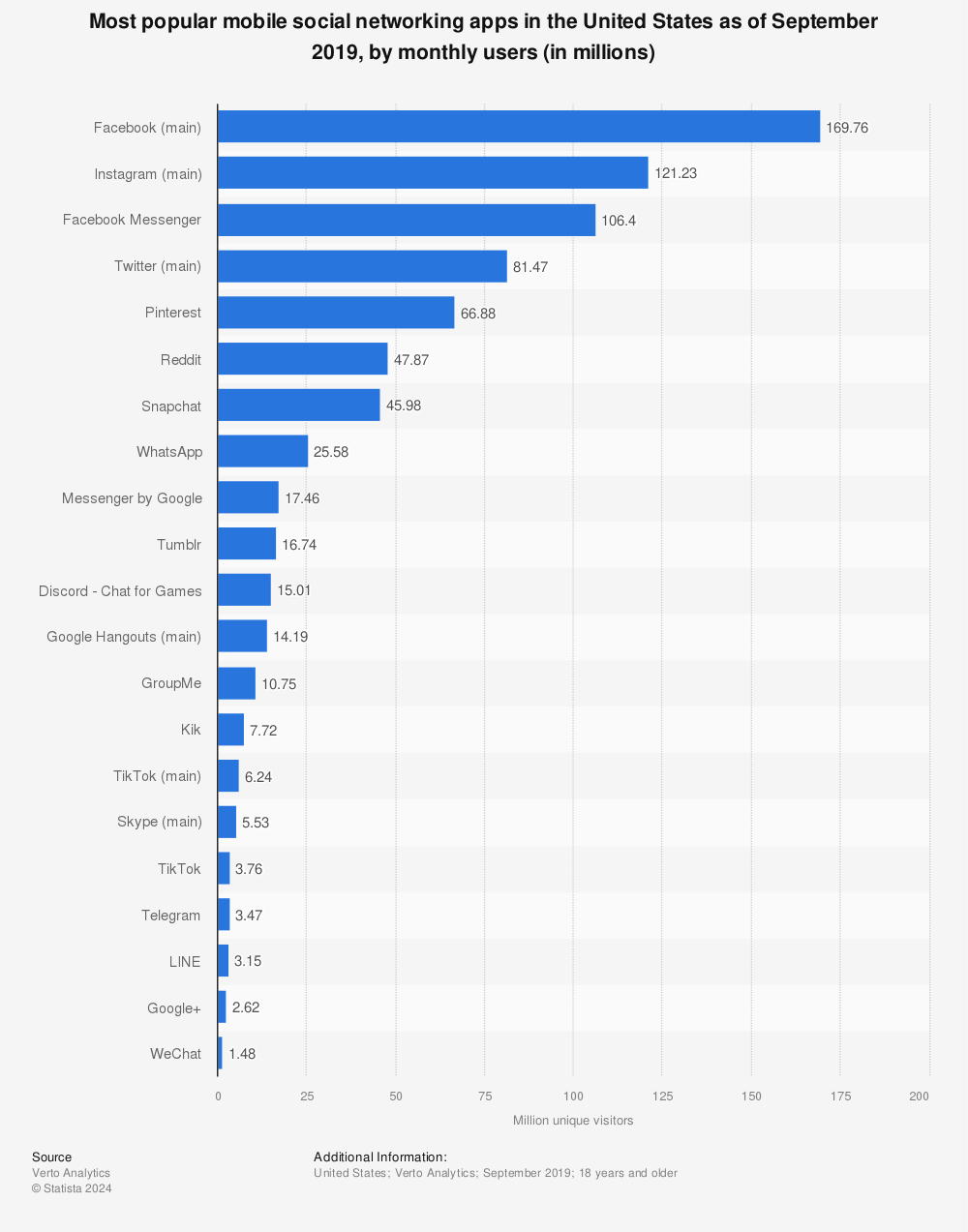
- Approximately 223 million Americans use social media in 2019. This is a slight increase over 2018, and a slight decrease compared to 2017. Overall, however, social media usage is essentially unchanged over the past four years. The ONLY social network growing among young Americans is Instagram, up from 64% to 66% in the past two years. Social networks in 2019 are now nearly as likely to be utilized by people 35-54 years old, than those younger, which is good news for theatrical campaigns and documentary makers.

Social Media Usage: Total U.S. Population, from 2008 to 2019
- Facebook is actually less popular now than it was four years ago. But it is still at the top of the list for daily users.
The only demographic group that is using Facebook more than in prior years are Americans 55+. - The average monthly change in page likes is just 0.13% Building your Facebook audience is definitely a slow and steady game.
The average organic reach for a Facebook post is 5.5%. Take the number of fans on your page and multiply it by 5.5% to see if you are reaching the average per post. If you are not, then re-evaluate what you are posting. - 60% of Americans who watch digital video do so on Facebook and the average engagement rate for Facebook video posts is 6.13%
Among U.S. adults who use Facebook, around three-quarters (74%) visit the site at least once a day. - Facebook has eliminated Post Scheduling for pages on DESKTOP. To access this function, you need to use Creators Studio or third-party scheduling tools like Hootsuite.
- Groups are booming on Facebook. They’re pretty much the platform’s most popular feature, and engagement in groups is skyrocketing.
- A change in Reach calculations. More on that here.
- New Creators Studio insights called Traffic Source. More on that here .
- Twitter’s U.S. user base is predicted to grow 0.3% in 2020.
- Only 20% of Twitter’s daily users are American.
- Compared to other age groups, Gen Z is most likely to be using Twitter. (By comparison, only 26% of 30- to 49-year-olds use Twitter.) That said, Gen Z is still much more likely to be using YouTube, Instagram, Snapchat and Facebook. 65% of Twitter’s top 10% of users (by tweet volume) identify as women. And 69% of this group say they tweet about politics, and identify as Democrats.
- Tweets with hashtags get 100% more engagement, but only 1 or 2 hashtags.
- 93% of video views on Twitter happen on mobile so be sure to use mobile-optimized video that has subtitles or captions for sound-off viewing.
- No political advertising. Political ads are defined as content that references a candidate, political party, elected or appointed government official, election, referendum, ballot measure, legislation, regulation, directive, or judicial outcome. Ads that contain references to political content, including appeals for votes, solicitations of financial support, and advocacy for or against any of the above-listed types of political content, are prohibited under this policy.
- Redesign of the Twitter layout on desktop happened in summer 2019.
- Twitter lets you add a photo, video or gif to a Retweet. Read more about this here.
- 2 rumored changes that could be coming in 2020. The ability to prevent other users from mentioning you without your permission and ability to disable a retweet on your tweet.
- 1 billion people use Instagram every month, though only 110 million are located in the United States.
- Instagram is the most popular traditional social network among U.S. teens 13-17yrs. Only YouTube is more popular with teens. 72% of U.S. teens say they use Instagram, compared to 69% for Snapchat and 51% for Facebook.
- The gender mix on Instagram is pretty even: 52% female and 48% male.
- In case you were thinking of hiring an influencer to help with an Instagram campaign, brands pay Instagram influencers between $100 and $2,085 per post. For videos, they pay between $114 and $3,138, and for Stories they pay between $43 and $721.
- Brands post an average of 2.5 Stories per week.
- Instagram is now hiding Likes on mobile devices for US accounts after testing in several other countries. Facebook may soon start hiding likes, too. Likes can still be seen on desktop.
- Donation stickers available on IG. Instagram launched donation stickers for Stories back in May, giving accounts the capacity to raise money for non-profit groups via the option. A non profit must be registered on Facebook first in order to have this capability.
- IGTV now supports Landscape Videos, though it is up to the user to actually turn the phone to watch them. Most people watch their IG feed in vertical position so uploading a landscape video is asking to go against consumer habits.
- It is recommended to use Facebook Creators Studio on desktop to manage a brand Instagram account because it gives access to scheduling posts and expanded metrics.
Sources: https://www.convinceandconvert.com/social-media-research/social-media-usage-statistics
https://blog.hootsuite.com/facebook-statistics/#business https://www.pewresearch.org/fact-tank/2019/05/16/facts-about-americans-and-facebook
Recent changes that affect Facebook Pages
Source: https://blog.hootsuite.com/twitter-statistics
Recent changes that affect Twitter
Instagram.
Source: https://blog.hootsuite.com/instagram-statistics
Recent changes that affect Instagram
A word about TikTok
For those who do not have teenagers in your life, TikTok is a video sharing platform where short updates, typically accompanied by music, are shared publicly. This is one of the fastest-growing social platforms and forecasted to continue to grow by leaps and bounds in 2020, but be cautious with any platform championed by teens. The very young are quite fickle and meteoric rise is frequently countered with equally quick crashes as the party moves to the next shiny thing. For a look at brands killing it on TikTok, read more here.
`
Sheri Candler February 21st, 2020
Posted In: Facebook, Instagram, Marketing, Social Network Marketing, technology, Twitter
Tags: Facebook, social media, social media for filmmakers, social media tools, Twitter
Social Media Update for Indie Filmmakers, Part 3: Twitter

In the previous two posts, I wrote about changes I think most independent filmmakers should be aware of when it comes to using Facebook and Instagram for their marketing efforts. This post will talk about Twitter. Is having an account here still necessary?
With 69 million monthly active users in the United States, 267 million worldwide, Twitter is one of the top social media sites that brands still actively use. We can’t go a day without hearing news of a certain someone ranting on the platform, and without a doubt, Twitter is the number one social media platform for breaking news. But is that helpful for the average indie filmmaker?
While it isn’t likely that filmmakers will post breaking news that is of interest to a broader public, one great reason to use Twitter is for video sharing. Over the last 12 months, tweets containing videos perform the best in terms of reach compared to posts with links, images, and GIFs. Filmmakers need to be able to produce a regular supply of short videos, ideally less than 1 minute long (Twitter mainly allows for videos of 2 minutes 20 seconds in total), with the first 3 seconds serving to capture thumb-stopping attention (thumb-stopping-causing someone on a mobile device to pause scrolling through their newsfeed). Give some thought to the kind of clips and trailers you will post to social versus what you would make for a theatrical experience (where the audience won’t be scrolling on their phones). Also, don’t forget to make these videos square (600 by 600 pixels) or vertical (600 by 750 pixels), instead of horizontal, to optimize for mobile viewing.
In 2018, Twitter has been grappling with slow user growth and has deleted thousands of fake and bott accounts, lowering follower numbers on most accounts. If you have seen a slight drop in followers, likely you had a few of these accounts following you.
A recent update to the Facebook Platform Policies ended the ability to automatically post Tweets to your Facebook profile or page. This was never a good idea as audiences on the two platforms are different and it was a lazy way of marketing. But for those who did connect their Twitter accounts and Facebook pages, a more manual process is now needed for posting to the different platforms.
As of September, Twitter has re-enabled the ability to see tweets in purely chronological order, if you change your settings. Two years after phasing out this ability in favor of top-ranked or “curated” tweets, Twitter gave back the functionality that most people loved about the platform. But you have to make a change in your settings, by unchecking the box that says Show the Best Tweets First. In a world where it seems your newsfeed is programmed by an algorithmic guess, finally having the ability to see news according to the time it was posted is refreshing.
Like Facebook and Instagram, Twitter has instituted its own political content policy on advertising. The platform considers ads that advocate for legislative issues of national importance to be governed by their new policy and in order to advertise, advertisers must go through Twitter’s certification process (https://business.twitter.com/en/help/ads-policies/restricted-content-policies/political-campaigning/US-political-content/how-to-get-certified-issue-ads.html). Most likely, if you are making a documentary with an issue of national significance at its core, such as abortion, civil rights, climate change, guns, healthcare, immigration, national security, social security, taxes, and trade, you will need to register your account in order to use Twitter advertising in the future.
Getting back to the question of whether indie filmmakers still should be using Twitter, it all depends on your ability to handle multiple social media accounts and what you want each account to do as far as your goals. If connecting with Twitter influencers, or perpetuating a campaign hashtag, or reaching a global audience outside of the U.S. are some of your main objectives, Twitter is still a great place to do that.
Sheri Candler December 31st, 2018
Posted In: Marketing, Social Network Marketing, Twitter
Tags: digital marketing, film marketing, independent film, Marketing, Sheri Candler, social media, The Film Collaborative, Twitter
Social Media Update for Indie Filmmakers, Part 2: Instagram
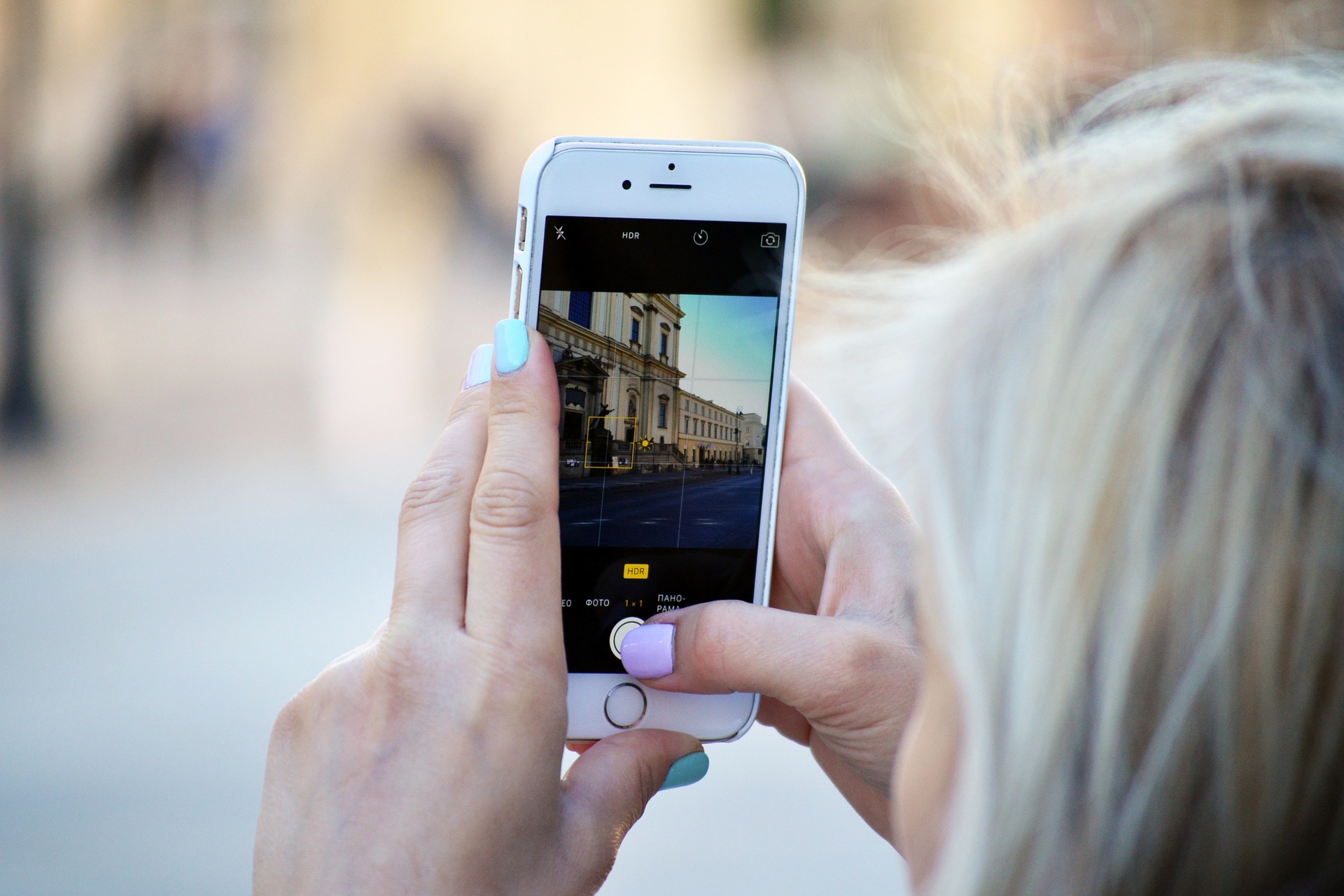
In the previous post, I wrote about changes I think most independent filmmakers should be aware of when it comes to using Facebook for their marketing efforts. This post will talk about Instagram, owned by Facebook, which has been growing exponentially since its debut in 2010.
The preferred platform of choice for the millennial set and no longer just a space for image-sharing. In the past two years, the convergence of Instagram and Facebook has made them extremely similar in that they share an ad platform, both have Stories capabilities and increasingly product sales capabilities.
With over 500 million daily active users, Instagram skews more female and most of its users fall between the ages of 13-29 yrs old. If this is an audience you need to reach, Instagram is a must have platform for your marketing efforts and you need to start thinking how to optimize for it.
Like Facebook, the platform is constantly evolving and this makes keeping up with the changes a challenge. Instagram also has instituted a political ads policy and now account administrators must register their accounts through their Facebook Business Manager’s Authorization section (find this section in Settings>Authorizations) in order to place advertising that has a political or issue of national interest topic involved. As discussed in the previous Facebook blog, this is a wide range of topics which can be seen to advocate on legislative issues such as abortion, civil rights, climate change, guns, healthcare, immigration, national security, social security, taxes, trade etc. If you are a documentary filmmaker, this advertising policy is likely to be something with which you have to contend and if your page is not authorized, you will not be able to place any form of paid advertising on your posts (including boosts) unless you have gone through the verification process.
Algorithms on all social media platforms are constantly changing. Instagram is no exception. The news feed algorithms determine who actually sees the content you publish and who doesn’t. Instagram has shifted the feed from strictly chronological to showing users “prioritized” posts and takes signals like an account’s relationship to the consumer (if someone takes actions on your posts, they are more likely to see more of them in the future), a consumer’s past interaction with similar topics (this relates to the kind of content you share and the associated hashtags being used), and how recently a post was made from a specific account (accounts need to post on a regular basis in order to have their content seen). Continual engagement from your followers is now more important than ever for both Instagram and Facebook success, especially since it can earn you one of the top spots in their feeds.
Increasingly, paid promotion is needed on Instagram in order to reach a bigger audience and gain more of a following (only through paid promotion can you add an action button such as Watch More or Learn More with a URL to click, otherwise the only link that is clickable on Instagram is in the bio section). One great use of paid promotion on Instagram is to grow your following. You can promote a post that has done well in the past, target the kind of audience that should relate to your content, and select your CTA (call to action) as Your Profile. When consumers view the content, they can click through to follow your account. In my experience, Instagram does not drive off site traffic very well so if you are going to pay to get in front of an audience, you may as well build up your following within Instagram.
In May 2018, Instagram paired up with a number of booking sites (Atom Tickets, Fandango and Eventbrite) to enable ticket sales directly on those platforms through your Instagram profile which can be handy when your film starts its theatrical launch. In order to add these to your Instagram account, you must have a Business Account and have an account or URL to link your action button to. Learn more HERE.
You may have noticed that while the run time for videos on Instagram remains at 1 minute, a new service was launched in June that allows for longer run times. IGTV made its debut this summer, featuring vertical videos with run times between 10 minutes (for Instagram accounts with less than 10,000 followers) and 60 minutes. The jury is still out on whether consumers will flock to IGTV, but it is a great place to experiment with video.
Filmmakers may have a more difficult time adjusting as videos will need to be formatted for 9:16 rather than 16:9. Follow examples from Jimmy Fallon and NASA (who definitely has video originally meant for widescreen, yet somehow edits to optimize it for IGTV) to see how they are optimizing their videos and connecting with audiences on a platform that is too new to be competing with thousands of videos yet. Buzzfeed and Instagram have started an initiative called VerticalU to help video creators learn about making optimal videos in a vertical format. First round applications closed already, but click here to learn about the course and see if they will have a second round of applications.
The Stories format on Instagram originally started with Snapchat, but now Instagram’s Stories sees 400 million daily users as opposed to Snap with less than 200 million users in total. The Stories feature is meant to be ephemeral marketing in that a story only lasts 24 hours and then disappears. It is possible to archive a story, but consumers must come to your profile page to see the archive rather than having the story at the top of their news feed.
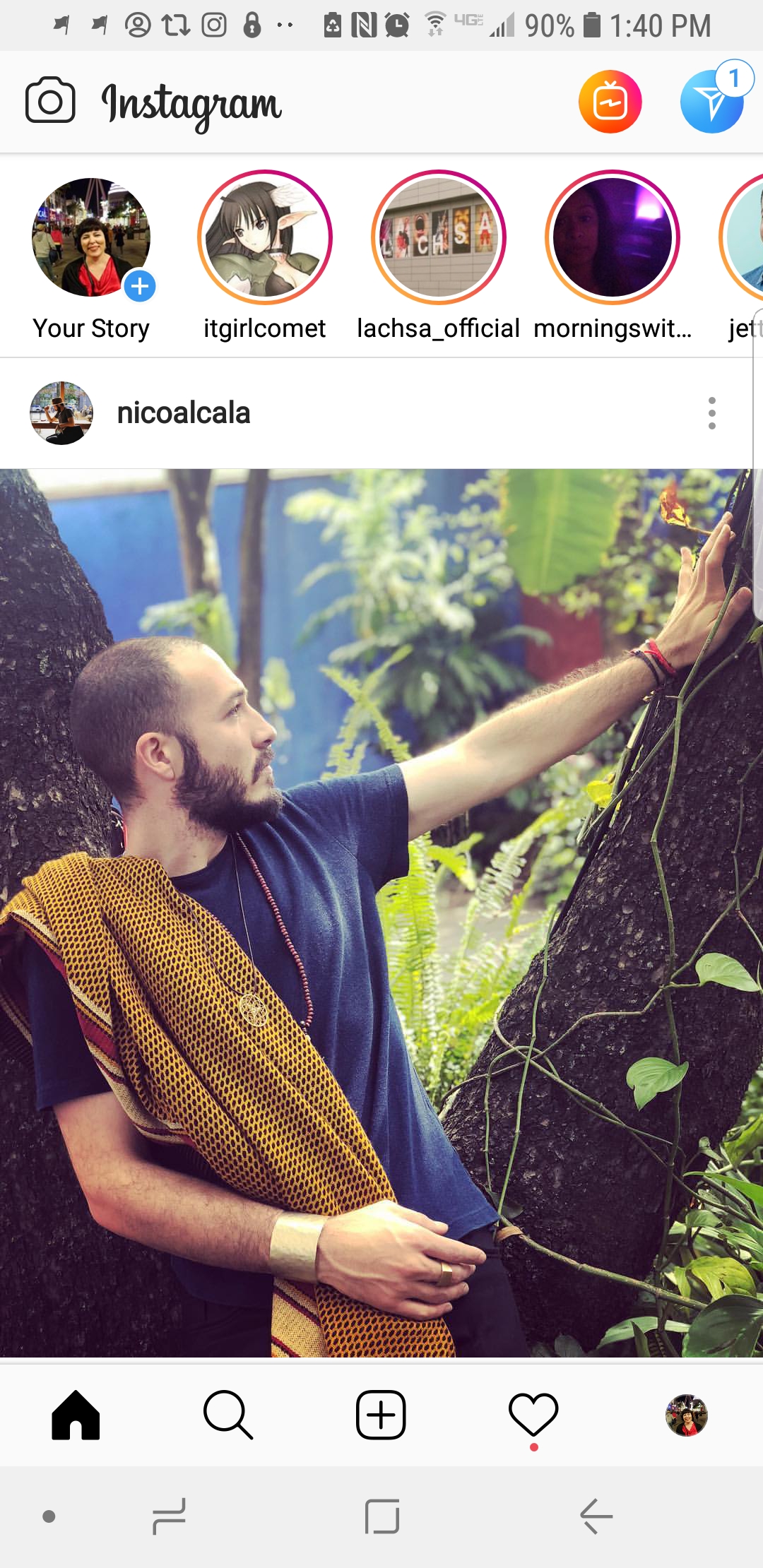
Think about using Stories to give a snapshot of an experience (like a festival or theatrical premiere) or to tell mini stories in the world of your film (things that are not in the actual film, but help set the stage for the story or extend the storyworld beyond your film). Instagram Stories can also be shared to your Facebook page to make a Facebook Story, but the functionality on Facebook is not the same. On an Instagram story, URL links can be added if the viewer swipes up on their mobile phone, but this function is not possible on Facebook. Things like polls or Spotify music links can also be added to Instagram Stories, but those functions do not travel over to Facebook if the same story is transferred.
Advertising can be placed within Instagram Stories as long as you are working through Facebook Business Manager. Short videos and images can be inserted to the Stories of other accounts in order to reach a wider audience. For more about using Instagram Stories advertising, click here.
Next time, I will take a look at Twitter, a site that has seen flat user growth in the last year and has been plagued by numerous spam accounts and bots. Is Twitter still worth your time? I’ll let you know.
Sheri Candler November 15th, 2018
Posted In: Instagram, Marketing, Social Network Marketing, Uncategorized
Tags: film marketing, independent film, Instagram, Instagram Stories, Marketing, Sheri Candler, The Film Collaborative
Social Media Update for Indie Filmmakers, Part 1: Facebook

If there is one constant rule in social media marketing, it’s that things are always changing. What might have worked a year ago, six months ago, possibly even yesterday, is not working today. Each social platform is continually trying to stay relevant to followers and increasingly trying to improve profitability for shareholders and business users.
At a recent all-staff meeting for The Film Collaborative, I was asked to present recent changes to the main social platforms most relevant to marketing independent films and to advise on how to take advantage of these changes. Here are the trends and changes I think most independent filmmakers should be aware of when planning for their marketing efforts. This is a multi-part series with the first part focused on Facebook, the biggest social network (by FAR) in the world.
Reports of Facebook’s demise have been circulating for many years, yet despite all the controversy and concerns over account hacking, user privacy and election rigging, Facebook as an enterprise has continued to grow in the past months. Worldwide, there are over 2.23 billion monthly active Facebook users as of Q2 2018, an 11% increase year over year. In fact, a recent study projects that “Facebook will command 24.5% of all video ad spending this year … and be the top social media platform with an estimated 87% share of U.S. social media video ad spending.”
In order to optimize their profitability and relevance to Facebook users, as well as implementing their commitment to better policing the content that is distributed on the social network, changes are constantly being made to the platform which affect business pages. Here are the recent ones:
- Introduction of Admin Registration: If a Facebook page or Instagram account you administrate is going to pay to boost or advertise ANY content of a political or national legislative interest persuasion, you will not be able to place ads unless you are personally registered with Facebook. This entails a scan of your driver’s license or governmental photo ID and a letter which will come in the USPS with a code that you have to use in order to register.
- Admins may register and carry all pages they administrate under their registration. Admins who do not register will be unable to place paid ads on content that is deemed “political” and this is a broad list. Topics like education, immigration, environment, abortion, civil rights, etc.are all deemed political and in need of permission and labeling. See the broad list here. I would imagine that many documentaries will need to be aware of this rule. All “political” ads will be cataloged into a Political content database for anyone to search.
- All active advertising is now publicly visible under the Ads and Info tab on any public Facebook page: From the Info and Ads tab, people will be able to view the active ads a Page is running across Facebook, Instagram, Messenger and Audience Network, even if they’re not in the target audience. Any clicks on the ads do not contribute to the click count and clicks are not charged against the advertising budget. For more info on this go here.
- Yet another change to the newsfeed algorithm. The new algorithm puts more emphasis on data points that show active interaction. That means comments, shares and reactions (in this order) are crucial. Also, personal posts are more valuable than business posts so if you want to do well in the newsfeed, strongly encourage individuals to post for your film organically. In order to create meaningful interactions, pages need to share things that are meaningful to their followers, not just to themselves. Only if followers engage emotionally and personally will they feel the need to comment, share or interact with your content. However, Facebook will actively demote any posts that explicitly ask for actions such as “tag a friend” or “leave a comment below” so try wording your posts as questions or use words, images or videos that elicit reaction. You might also ask your followers to set your page to See First so that they will keep seeing your posts in their newsfeed, even after an algorithm change.Probably the most important advice filmmakers should be aware of, with Facebook and all other major social media platforms is embrace the power of PAID REACH!
- Pay to play is not new on Facebook. It has been happening for at least three years and still filmmakers are putting so little into it. With Facebook further de-prioritizing content from pages and brands, its time to be educated and more prepared for paid advertising in order to reach targeted audiences in the newsfeed, among many other places. Education is especially needed for using Ad Manager rather than just boosting posts. Ad Manager gives much more precise control over where ads appear, who can be targeted, cost per click, links where traffic will go and creative to be used, but it does need practice…or working with someone who uses it. Ad Manager also is constantly evolving, so taking a crash course will only begin to cover the basics.
- It is important to note that paid Facebook advertising DOES NOT just encompass Facebook. It stretches to include Instagram, banner ads on Instant Articles and Facebook Audience Network, Messenger, Instagram Stories, and Facebook Stories. Perhaps IGTV will be coming as an ad platform in the future. For those who think their target audience is not using Facebook, likely you will be reaching them through Facebook Ad Manager on one of the many other places they are visiting online, so do not discount Facebook as an ad platform.
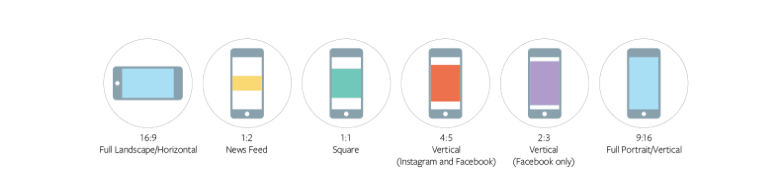
- Create mobile first content. This is especially true for videos being posted to Facebook, but also to Twitter and Instagram. Filmmakers need to stop creating only one trailer, in a 16:9 aspect ratio. Most likely your trailer is not going to be shown on TV, so start thinking about how to optimize it for mobile viewing. Mobile viewers now do not turn their phones, and often do not watch with the sound on so provide caption overlays.
Videos on Facebook perform exceptionally well, so lots of compelling video clips and stories should be created. The chart below shows all of the different formats possible and filmmaking teams should bear these in mind when editing for social media use.
As examples, reference these clips, featurettes and trailers:
As I hit Publish on these updates, doubtless something new will be cropping up that will either expand your ability to reach new audiences or curb that ability in some way. It is important to keep up with the the changes or work with someone who handles social media marketing on a constant basis so that the efforts you put in to reaching audiences aren’t a waste of time, labor and money. Social media is the most cost effective and measurably impactful way of putting your work in front of those who will love it, but as with all forms of marketing, it takes a budget and consistent testing to perfect the right messaging and content that will capture attention and cause an audience to seek out your full work.
My next post will cover one of the next biggest social media platforms, Instagram, and take a look at what is changing and how to optimize your efforts there.
Sheri Candler will be participating on a panel at the New Heights Arts Symposium called “Top Marketing Tips for Indie Filmmakers.” The FREE, full day symposium will be held in Santa Clarita, California on October 20. Details here.
Sheri Candler October 16th, 2018
Posted In: Facebook, Marketing, Social Network Marketing, Uncategorized
Tags: digital marketing, Facebook, film marketing, independent film, Marketing, Sheri Candler, social media, The Film Collaborative
SXSW Case Study Discussion – The Light of the Moon

If you missed our SXSW Case Study Discussion on The Light of the Moon, or if you just want a copy of the accompanying PowerPoint deck, you can download it here.
Case study discussion of the distribution of SXSW Winner The Light of the Moon diving into topics including: the platform theatrical release, educational, festivals and hybrid theatrical distribution, collaborative nature of the release involving key vendors, the filmmakers, grassroots partnerships, corporate sponsorships, use of social media, publicity firms on both coasts and representing lead actress Stephanie Beatriz, release timing analysis, and socio-cultural impact objective, all while coordinating TVOD and international licensing alongside utilizing the Amazon Festival Stars AVD offering and reconciling when to go direct-to-platform vs. license to buyers.
Participants: Michelle Mower, Imagination Worldwide (Distributor • International Sales Agent), Orly Ravid, The Film Collaborative/MSK (Festival/Theatrical Distribution), Michael Cuomo, Gran Fallon (Producer of The Light of the Moon), and Myriam Schroeter, Stedfast Productions (Co-Producer of The Light of the Moon)
Orly Ravid March 14th, 2018
Posted In: Amazon VOD & CreateSpace, case studies, Digital Distribution, Distribution, Distribution Platforms, DIY, education, Film Festivals, iTunes, Key Art, Marketing, Publicity, Social Network Marketing, Theatrical, Vimeo
How Should Filmmakers Use Social Media in 2018?
Updated January 25, 2018 to take into consideration changes announced for Facebook and Instagram.
As 2017 winds to a close, I wanted to take some time to evaluate what I’ve learned in the social media space this year, both in my work with independent filmmakers and working for public media.
Between those two endeavors, I have helped to create, test and connect audiences to over 350 short videos made specifically for social media. The vast majority of those were less than one minute in length, included captions burned into each video, and used a paid social approach to ensure that the videos were seen by a highly targeted audience who would be most likely to share them.
Here are the main things I want to share with you as you contemplate your use of social media in 2018:
-
- Cardinal rule on social: The content you post must be interesting and relevant to motivate a reaction from the viewer. Boring links, boring videos, boring images, boring calls to action that clearly only benefit you WILL BE IGNORED [and will be demoted in the newsfeed by Facebook algorithm]. The organic videos that performed the best for me were a story in themselves. They weren’t trailers, they weren’t promo videos, they didn’t often include a call to action on the video, and they weren’t random behind the scenes footage. The stories took one main idea and presented it first, then explained the idea, then sometimes ended with a question to encourage people to comment. The more shares and comments the videos received, the more views it got. But why am I mainly talking about videos? Because…
- By 2021, 82% of global internet traffic will be attributed to video. As more and more newsfeeds are filled with short video content, your account will need to compete. You’re a filmmaker so generating quality video content should be easy for you. But remember, 90% of the videos people see in their feeds are watched with the sound off. Better to make a video that is not audio driven, but rather driven by images that can tell a story on its own. Also, it is best to present these videos in a square format, rather than in a horizontal rectangle. As most people now access social media platforms via their mobile devices, a square video (1:1) fills the screen and gives a much richer experience. Widescreen videos are crunched and make captions difficult to read. See good examples here and here.
- Facebook Live, Instagram Live, Live Story for Snapchat, Periscope for Twitter, Youtube Live. Live or near live experiences will continue to proliferate on social. Some of this may be ephemeral content, that lives for only 24 hours. If you have an exciting event happening or you have access to a person with a large following, you should be utilizing live sessions on social media. Facebook, in particular, will be highlighting videos that receive lengthy interaction in the comment section. If you want to see a comparison between Youtube Live and Facebook Live, CLICK HERE.
- Influencer marketing is a thing, but it isn’t free. It is awesome to think that if you tag a celebrity, they will share your tweet, but the real impact comes from those who have an engaged following instead of a vague, large number. Look toward influencers that have a niche following and are more willing to get excited about your project than a tweet from a celeb who has little connection to your project. Another idea could be to utilize influencers as social media content creators for your project. Rather than hoping to access their network, perhaps you can pay them to create for yours. Be advised, the Federal Trade Commission is now cracking down on sponsored posts that do not publicly disclose a paid sponsorship arrangement. It is better to work with companies that specialize in bringing influencers and brands together, like MediaKix Mostly Sunny and Heartbeat as they are usually up to date on the regulations and how to negotiate deals. For an idea on pricing for working with influencers, see this Digiday report.
- Facebook organic posting is nearly dead. If you are still posting links, photos and videos that do not regularly receive multiple comments, you can stop. The company has just announced that it will stop showing posts by brands and publishers if those posts are not inspiring conversation (comments) as their new focus is on bringing people together, not pushing traffic and views. Facebook is not interested in sending traffic to other websites or providing a passive viewing experience (such as video views with no comments). This change will really hit pages that have not been inspiring conversation in their comment sections. However, don’t ask for comments in your posts. Engagement bait will be demoted in the newsfeed. This change will not affect paid promotion.
- Which means that you MUST invest in social advertising. Yes, you could boosts your organic posts, but you really should be set up on Facebook Business Manager and running campaigns through Ad Manager. You need a monthly budget to spend. Anyone who has tried to build up a following or reach their following on social will know the time of reliable, free, organic reach has passed, and it isn’t going to return since social media platforms have shareholders who want to see revenue. The good news is this allows for smarter advertising spend for a trackable return than publicity or more traditional methods of advertising (posters, postcards, flyers, TV/radio/outdoor/print). While a marketing mix is important and if you can spend to hire a publicist for earned media, and place media buys in as many outlets as possible, then by all means do it. But try tracking that write up in the New York Times or Variety to any kind of monetary return outside of an ego boost or calls from your friends to say they saw it. It is nearly impossible unless you run a survey at the theater or on a digital VOD service to prove that your publicity spend or traditional advertising spend resulted in any measurable return. There is so much proof of awareness and actual revenue tied to a digital advertising effort, even over the number of Likes/Retweets/Favorites and “Impressions.” Added bonus for Facebook advertising, you can create Custom Audiences to keep remarketing to those who have shown an interest in your posts rather than spending to hit the disinterested. You’ll just need to install the Facebook pixel on your website, store, Eventbrite etc in order to track properly and accumulate that audience for later targeting. Also, if you are going to be setting a monthly budget, you need to be setting monthly goals for growth. How do you know if what you are doing is working if you don’t measure against a goal? I wrote a piece on tracking social media earlier this year.
- Twitter growth is the slowest of all the major social media platforms. If you are building up a big following on Twitter, you may want to quickly branch out. Twitter is great for breaking news stories, but rather sucks for self promotional tweets.
- Instagram is also making changes, but they have been a little less forthcoming in this news. If you are using Instagram for business, such as having an account related to your film, you should make sure that it is set up as a business account, not a personal account. Just as years ago, Facebook stopped supporting personal profiles that were being used for business, Instagram is starting to do the same. Besides, it is great to access analytics that are offered on business accounts, so go ahead and set your account up like that or convert. Also, you should be taking advantage of Instagram Stories, rather than just posting photos and videos. Stories can now be archived on your account so they won’t disappear after 24 hours, as long as you choose to feature them on your account. For instructions, go HERE. One last bit of advice, start following hashtags that are relevant to your project. Accounts now have the ability to follow a hashtag, not just other accounts. See more on that HERE.
- This year, Facebook introduced Watch and rumor has it that they will start prioritizing shows rather than only short content in their newsfeed. With this knowledge (and the vast audience that Facebook reaches), have you considered turning that feature script into a series instead? A series of content with an ongoing narrative between episodes provides many benefits: increased audience retention, strict production schedule and time management, sponsorship opportunities, and being able to create a loyal community over the long run instead of starting over with each new project. Social media is a great place to ensure distribution of said series. It is also a low cost place to test out plots, characters, flow, audience reactions etc. without having to gather heavy investment for a feature that is untested and has no clear path distribution.
For everyone here at The Film Collaborative, I wish you a happy, creative, industrious, and prosperous new year. Look for members of The Film Collaborative at Sundance 2018 and at many other film festivals and events in the coming year.
Sheri Candler December 17th, 2017
Posted In: Facebook, Social Network Marketing, Uncategorized
Tags: Facebook, filmmakers, independent film, Instagram, paid social, Sheri Candler, Snapchat, social media, social media for filmmakers, social video, The Film Collaborative, Twitter, YouTube
NO ONE IS COMING TO YOUR RESCUE: Marketing and Distribution for the micro-budget feature TENTACLE 8
Today’s guest post is from TFC member John Chi whose microbudget film Tentacle 8 was recently released by Grand Entertainment Group. We thank John for sharing his experience with TFC and the knowledge he gained during the distribution phase of his film so that all independent filmmakers might benefit.
Changing The Paradigm
The first thing every filmmaker should ask themselves before considering to make an independent feature film is: how badly do I want to do this? Are you prepared to do everything it takes, and make the necessary personal and professional sacrifices to ensure your film gets made and seen by an audience? Often times, filmmakers think the answer is yes, when in fact it’s something less clear.
You can make it easier on yourself by writing a script that’s marketable, fits the sweet spot of what other people think you should be doing, saying, feeling, and thinking. Then Google “how to win major awards at Sundance, SXSW, Toronto, Cannes and start a bidding war” and click, “I’m feeling lucky.” That’s definitely a path many people take.
But like most independent filmmakers, who aren’t answering to studios or huge investors, it’s against our nature to do what other people tell us to do, especially when it comes to what’s popular or in vogue. We’ll be the one that breaks the mold; we’ll be the one that changes the paradigm. That’s exactly what we said as we assembled our team for TENTACLE 8. We would be the one film that would change the paradigm of what’s possible. We were going to make a global espionage movie about the NSA, shoot it in 15 days, and do it within the Ultra-Low Budget SAG agreement. While many saw disaster, we saw opportunity. It was our chance to stand out from the crowd, and do something either truly brave or astoundingly idiotic.
Just Get Through Production
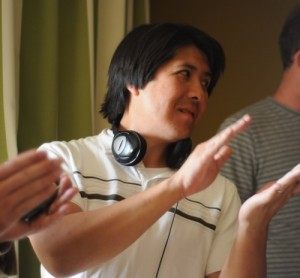
Director John Chi on the set of Tentacle 8
I was determined to make TENTACLE 8, a film that addressed social and political issues that wasn’t being addressed anywhere else. At least not in narrative features. My job was to assemble a team of filmmakers that shared my ambition, my optimism, and my foolishness to attempt what appeared on paper to be an impossible task. If we kept saying that we were going to be the one, and preached it often enough, it would become true. We would be the film that would change the paradigm of what independent films were capable of.
For most first time feature filmmakers, like I was, I thought Production would be the most difficult part of the journey. It’s what most filmmakers are pretty good at, and best prepared to do. I won’t describe at length what it took to get TENTACLE 8 made. Instead, I’ll just say that it took an incredible amount of ingenuity, effort, and hard work to pull off what we did. It was an extraordinary synergy of trust, belief, attention to detail, and commitment that made it all possible. There were many selfless acts of kindness from people who didn’t have any reason to help us, but did anyway. They were our angels. Without them, we wouldn’t have finished the movie on our budget. You can’t plan on those things happening, you just need to make sure you treat other people with respect, be humble, and always act professionally. Don’t make it easy for other people to turn you away when you ask for help. You might get lucky.
Making a movie is a labor of love under extremely stressful conditions, which tends to bond people. By the end of production, we believed that we had accomplished something very special together. We had done it. We were on our way to realizing our mantra. We were going to be the film that changed the paradigm.
High Hopes and First Impressions
Several months later, we were ready for our coming out party. We had worked really hard to put a solid, but not perfect, festival cut together for people to start looking at. One of our first calls was to The Film Collaborative. We thought they would probably put us in touch with all the festival programmers at Sundance, Cannes, Toronto, et al, and we could focus on our travel plans for the next year. Jeffrey Winter, co-executive director of The Film Collaborative, was kind enough to watch our film, and give us some feedback.
I remember reading his comments the first time over, scanning it quickly looking for the words, “great, fantastic, ground breaking, change the paradigm”….but I didn’t see them. So I read the email again a bit more carefully. Maybe I missed it. “Not a festival film. Difficult to market. No marketable name talent. Challenging subject matter and run time will make it difficult to program. Proceed with modest expectations”. This had to be a mistake. Maybe the DVD screener got mixed in with someone else’s packaging. I read the comments over, and over again. Maybe if I read them often enough, cursed them loudly enough, they would magically transform into the words I was looking for. That never happened.
Filmmakers Are Often In Denial
We went ahead anyway and applied to all the major film festivals and some regional ones as well. A year later, and a folder full of spiritless rejection form letters, we hadn’t been accepted into any film festivals. Maybe Jeffrey Winter was on to something.
Putting away those dreams of being courted by rabid, hungry distributors, waving seven figure blank checks in the air, was hard. It was more than a dream, it was almost an expectation. Make a great film, and the rest will come. Didn’t anyone know that we were going to be the one?
We asked our sales agent, Glen Reynolds from Circus Road Films, to start reaching out to distributors. 1% of all feature film applicants get into Sundance. Maybe it’s less. Out of that 1% maybe half get some distribution opportunity. A long and painful eight months or so had passed waiting to get into a film festival, with no results. It was time to roll up our sleeves, and take back some of our own fate.
What happens to films that don’t win the Palm D’Or or the Grand Jury Prize? What happens to films that aren’t on the other end of Harvey Weinstein’s phone call? The first thing we needed to understand was that no one was going to do the hard work for us. There simply is no substitute for grinding it out, and doing the dirty work. The Film Collaborative, along with other indie film organizations like Film Courage, IFP, Film Independent, San Francisco Film Society, and Hope For Film, to name just a few, all have archives full of useful information written by filmmakers for filmmakers. We scoured them all, looking for nuggets of truth in every success story, hoping to recognize some shared path to that pot of gold. The only thing those stories shared in common, was that there was no common path to success. They were as unique as the films they made.
Distribution For The 99%
Finding a distributor via our sales agent didn’t take very long. After maybe two months of sending out screeners (or viewing online screeners), we had a handful of distributors that were interested in distributing our film. Hallelujah. Victory! Time to celebrate and take a much needed sigh of relief. We reached out to TFC again and sought out their counsel to help us make the best decision. We explored DIY distribution, and traditional VOD/Digital distribution, making sure we understood all the variables and decisions that went into each approach. I had a conversation with TFC founder Orly Ravid about our options, and she told us that our film wasn’t mainstream enough for any distributor to really go out on a limb for us. We could:
1) bypass the traditional distributor and go with a DIY approach, put in a lot of additional time, energy, and money with no guarantees of success; OR
2) sign on with a traditional distributor and manage/lower our expectations. Orly made it very clear that no distributor was going to spend a lot of money or expend a lot of energy marketing the movie. Whatever we could get them to commit to, we should try to get in writing.
That bit of honest feedback was an unexpected buzz kill, and didn’t exactly sound like a reason to celebrate. After going through our options again and really assessing the pros and cons of each approach, we ultimately chose to go with a traditional distributor, Grand Entertainment Group. Grand is a new distribution company that focuses on championing unique and innovative voices, founded by long time home entertainment executives that had 20+ years of experience distributing independent films for Lionsgate and ThinkFilm, among others. We felt they could help us reach a much wider audience than we could ever reach on our own. There was just no way for us to get our DVDs onto store shelves at Walmart or Best Buy, or land a cable TV deal without their help and prior relationships.
Two long years after we finished shooting the film, finally our work was done. Everything would be clearer, and all of our problems would get solved once we signed with our distributor. Right?
Our Moment of Truth
It’s at this critical stage, that films either go on to thrive and find success or get completely lost in a giant swamp of never to be seen again films. No one cares about your film more than you do. Not your sales agent, your producer’s rep, your distributor, your publicist, no one. To them, as committed and dedicated as they might be, it’s still a job. To you, it’s your life. This goes back to the question you should have asked yourself when you started:
How badly do you want to do this? Are you prepared to do everything it takes, and make all the necessary sacrifices, personal and professional, to ensure your film will be made and seen by an audience?
My producer, Casey Poh, gave me a statistic from his studies at the Peter Stark Producing Program at USC: It takes a $5M minimum marketing spend to make a dent in DVD sales. I don’t know how true that is, but for argument sake, let’s say it’s only 10% of that, which is still $500,000. There are no distributors in the world that will spend that kind of money on your movie if it didn’t win Sundance, SXSW, Toronto, etc., and definitely not for a film like TENTACLE 8. But we still had some false notions that our work was done, and that our distributor was going to be out there marketing the film 24/7.
Thankfully, like most independent filmmakers, we’re obsessive. So we plan, and plan, and plan, down to the very last detail. Website updated, new content on Facebook every day up until the DVD release, maintain and energize the interest of our cast and crew. Be active on Twitter, start tweeting things that make you an interesting follow. Share interesting things about other people and other interests. Repeat and accelerate. List all the things you want to have happen: NY Times review, University and College theatrical tour, major launch parties, DVD premiere at the Arclight, Spirit Award Nomination. Didn’t people remember that WE were the one?
My Moment of Clarity
With only a few weeks to go before our DVD release date, we noticed that our wish lists were still only wish lists. Our action plans were gathering e-dust, and we weren’t any closer to making them happen than the day we typed them into our laptop. We had put years into getting the film to this point. There was no one to blame other than ourselves if it tanked. As the creator of the material, as the producer/director/writer of the film, there was no one else more responsible for marketing and promoting the movie than me. No one else was going to come to my rescue. Not my friends, not my family, not my producers, my sales agent, my distributor, no one. I had to give them a reason to believe that my film was worth their time, their attention, their money. Just maybe after I had done all the groundwork, someone might be inspired to help. As soon as I came to terms with that, it was much easier to move forward.
We did an inventory of the assets we had:
- We had made a movie about the NSA, which by an incredible stroke of fate, had been splashed across the headlines in the previous months;
- We had several soap opera actors with very popular and loyal followings from their fans;
- We had made a completely original and different kind of movie that I could articulate to others with clarity and passion.
We had to mobilize our assets as quickly and as provocatively as we could to all those outside our bubble of cast and crew. Prior to our DVD release, there were three very influential moments that impacted our awareness:
1) NSA whistleblower Edward Snowden became an international headline;
2) Not so random acts of kindness and generosity from Soap Opera Network, Go Into The Story, and Film Courage;
3) I realized NO ONE WAS COMING TO RESCUE ME if I didn’t fully and actively solicit an audience for my movie.
Our Watergate Moment
Casey had mentioned months ago that we needed a Watergate moment to spark some interest in the movie, in reference to ALL THE PRESIDENT’S MEN, a movie that inspired TENTACLE 8. I laughed off that notion, but as fate would have it, news of NSA whistleblower, Edward Snowden, splashed across every news headline around the world. We finally caught a break. As tragic and as difficult as it was for Mr. Snowden, it was something that we had to capitalize on. We started branding the movie as the NSA-themed Independent Feature Film. I used that as the header for every unsolicited email I wrote to every journalist, blogger, activist, and film enthusiast I could find on the internet. I started making bold and provocative statements on Twitter regarding privacy rights, and the treatment of whistleblowers, always making sure I hashtagged #TENTACLE8 with #NSA. Slowly but surely, we were building an awareness and interest in both the film, and us as filmmakers.
When Life Gives You Lemons, Make Soap
We also had several cast members who had a large soap opera following, as current and former stars on some very popular soap operas. Joshua Morrow stars on the very popular “The Young and the Restless”, Matthew Borlenghi had a long and successful run on “All My Children”, as did John Callahan on “All My Children” and “Days of Our Lives”, veteran character actor Bruce Gray was on several popular soaps, and Teri Reeves, who most recently starred in NBC’s “Chicago Fire,” was a one-time “General Hospital” regular. It would be a huge mistake not to reach out to this fan base.
Two weeks prior to our DVD release, I reached out to the Soap Opera Network, and wrote them an email introducing myself and the movie. A few days later, Editor in Chief, Errol Lewis and West Coast Editor Kambra Clifford responded. We had several very enthusiastic email exchanges describing what we were looking to do, and they agreed to publish and promote an article on the film, and our actors. We’ve continued to discuss ways in which we can cross promote our mutual interests.
Scott Myers and Go Into The Story
I had written close to a hundred unsolicited emails to almost every film journalist, critic, blogger, and movie enthusiast in the indie film world known to Google. There’s something to be said for a well crafted email to introduce yourself, why you’re writing them, and a little about your film. It’s probably no accident that influential screenwriter and screenwriting teacher, Scott Myers, was one of the very few people who responded. His blog, “Go Into The Story” is widely considered to be one of the most influential screenwriting blogs on the internet. It was a real break for us that Scott offered to do a brief write up on the making of TENTACLE 8, as part of his “Movies You Made” series. This was exactly the right audience that would appreciate an intricately written, complex, and thought provoking movie like ours. The feature was posted a day before our DVD release, and links tweeted continuously for about a week. We continue to use that feature in our marketing efforts.
Film Courage
Lastly, I would say our feature on FilmCourage.com was the single most influential piece of internet marketing that helped our success. Karen, David, and April were among the most gracious and hospitable collaborators we were lucky enough to work with, during the entire process. They just inherently understood our situation and wanted to help. Like The Film Collaborative, their followers are really loyal and dedicated to the independent film cause and help filmmakers educate themselves. Being featured on their site gave us some much needed credibility and visibility with the community that we wanted our film to be a part of.
Early Exit Poll Results
After eight days of release, our initial DVD allotments sold out at WalMart, Best Buy, and Amazon.com. IMDB put us on a list (#12 out of 192) of Most Popular Independent Feature Films released in 2014, based on their Movie Meter Rankings. Considering there are thousands of movies made each year, this was an incredible feat, given we’re such a small film. It goes to prove that a small, but dedicated following can move mountains, and probably has a greater chance at long term sustainability.
There’s no magic solution, you just have to grind it out and do the work. Hundreds of tweets, unsolicited emails, creative Facebook posts, introducing yourself, your film, and your purpose. There’s no fancy diet, no elaborate exercise machine to get around the fact that if you want to lose weight, you have to eat less and exercise more. Similarly, if you want to build an audience, there’s no app, or software, or social media guru that’s going to magically build your audience for you. You do it one follower at a time.
In retrospect, one of the biggest mistakes we made was being a bit too precious about who we followed and didn’t follow on Twitter. We didn’t quite know how to exploit Twitter at first, but like everything else, we learned on the fly, and were able to course correct in time to build a strong following for the film, and us the filmmakers.
Are we the film that changed the paradigm of what micro-budget independent films are capable of? We defied the odds in many ways, making a movie without a strong marketing hook, for a niche audience that wasn’t easily identifiable, and we secured DVD and VOD/Digital distribution without getting into one film festival. We listened and valued all the guidance we got, from TFC and others we sought input from, even though we didn’t always follow their advice. So did we break the mold? I’m not sure that matters so much anymore. We never stopped believing that we could.
Sheri Candler April 23rd, 2014
Posted In: case studies, Digital Distribution, Distribution, DIY, Marketing, Social Network Marketing
Tags: Bruce Gray, Casey Poh, Circus Road Films, Edward Snowden, Facebook, Film Courage, Glen Reynolds, Go Into the Story, Grand Entertainment Group, Jeffrey Winter, John Callahan, John Chi, Joshua Morrow, Matthew Borlenghi, NSA, Orly Ravid, Scott Meyers, Soap Opera Network, Tentacle 8, Teri Reeves, Twitter
Help Audiences Find Your Film By Using a Language List
My friend Charles Judson wrote a recent post chastising filmmakers about their marketing materials. In a post entitled “Your Film’s Marketing Materials SUCK at Helping Audiences Find You,” he explains why filmmakers have a poor understanding of how films are found in online search results and why it doesn’t bode well for their chances at festival inclusion, distribution offers, further career opportunities and, ultimately, audience sales.With his permission, we are reprinting some of his points.
“A film no one has heard of may not exactly be burning news for the average person searching the web. However, no matter what hat I wear [festival programmer, blogger, critic], this is information relevant to me. It’s likely going to be the same for the Georgia film critics and bloggers covering film. Festival directors who track news on festivals they love – and often share programming philosophy with– would be interested. Filmmakers who have their trailer, website, Facebook page and Twitter account ready to go before they begin submitting their film to festivals are light-years ahead of their peers. But having just those materials is not enough. The vast majority of filmmakers overlook the crucial step of crafting language that can improve their chances to be discovered online, as well as differentiate their films from others.” Takeaway: Lots of different audiences are looking for information on your work, not only the viewing audience. Waiting to build up awareness of your work until right before premiere or release is a very outdated idea. There is no time like the present to start connecting with people online.
“Increasing the specificity and variation of the words chosen should be a priority for every bit of marketing material you create. Carefully thinking about how your potential audience interacts, talks and searches online shouldn’t be skipped or undervalued. First, scrutinize your film’s story, theme and genre. Who are the core fans of your film? What is your film’s niche? Then move out from there.” Takeaway: In my workshop sessions, I talk a lot about this too. If you don’t have a clear picture of who your potential audience is, that problem will plague your efforts in the marketplace. If anything, start with analyzing yourself as the model audience member because something drew you to the story you are telling.You can move wider once you are well connected with a certain audience. Don’t try to hit a wide, vague audience all at once.

photo credit M Car
“Begin generating a Language List for your film. The words and phrases you’re adding are the ones that would catch the attention of the audience you’re going after. I’m using the term “Language List” as opposed to keywords to reinforce that this is about creating a conversation. This should be an extension of how you will share and talk about your work offline, as well as online. With that goal in mind, the places to use this “Language List” will go beyond your website’s metadata. Examples of list headings would be Emotions and Emotional Words; Movies similar to this film; Genre and Genre related words/phrases; Character traits; Character actions; Character motivations; Character types; Character relationships; Character names; Themes; Setting; Influences (directors, films, etc); Film Title(s); People Connected to the film; Cast; Crew; Shooting locations; Cast and Crew’s past film credits; Production companies.
As you build your list, Google is the one-click away buddy you should rely on when you’re stumped for language. Searching the term “emotions”, I found a page on Sonoma.edu with 265 words. Wikipedia’s List of Genres includes descriptions and their subgenres. Don’t use I-couldn’t-think-of-anything as an excuse. Research films, novels and TV shows similar to your movie. Go to the sites your audience frequents and look for words that stand out, that show up repeatedly. Note how your audience identifies itself.
These questions should be in your mind as your list grows:
Who is my primary target audience?
Who are the different audiences that would be interested in my film?
What makes this movie different?
Who would spend money to see this movie?
Who would come see this movie opening weekend (pretend you scored that distribution deal)?
Where does my audience get its information?
As you build your list, it may begin to look like this example:
Emotions: devastated, insecure, distracted, temperamental
Movies similar to this film:* Fargo, In Bruges, Kiss Kiss, Bang Bang
Character motivations: greed, fame, love
Character archetypes: tortured artist, comic mentor, shapeshifter, the judge
Settings: Minneapolis, car dealership, Fargo, North Dakota
Influences (directors, films, etc.): Preston Sturges, Howard Hawks, screwball comedy, film noir
Cast: William H. Macy, Frances McDormand, Steve Buscemi, Peter Stormare. Jerry Lundegaard
Crew: Joel Coen, Ethan Coen, Roger Deakins
Shooting locations: Chanhassen Dinner Theatre, Chanhassen, Minnesota, USA
Past Film Credits: Blood Simple, Miller’s Crossing
* Use your list of Similar Movies judiciously. Comparing your film to a well known film can turn off people. It can raise expectations to a level you will never meet. So, inside metadata, in the about section of a website, and after the plot synopsis, are good places to use those titles. Placed up front, before you’ve allowed your audience to make up their own mind about your film, is dangerous. Until an audience has seen your film, they may not always peg what kind of movie they are reading up on. Compared to a well-known film or two, your audience may get a bead on the tone and feel of your movie. That’s okay.” Takeaway: By actually sitting down and writing out a list of words your audience might be looking for online, you will get a better understanding of your audience’s intent to see the film you are making. As Charles said, these words are not only used in the online space, but also in your publicity efforts and in helping you frame that language you use when speaking about your film in the offline space (such as festivals or pitch meetings). You can also use these terms in Google Keyword Planner to get an estimate of how much online traffic they could attract to your website and alternate words to use. The keyword planner is also used for PPC advertising campaigns which is helpful in your film’s release phase.
Ultimately, anything you can do to make it easy to find your film online will help you in the long run. Don’t just think of marketing materials as poster and trailer, there are many different audiences looking for your film besides viewers (journalists, festival programmers, cinema programmers, agents, grant making organizations, financiers etc) so be sure to include as many potential keywords as you can think of that will fulfill the search needs of all kinds of audiences.
Sheri Candler February 20th, 2014
Posted In: Digital Distribution, education, Film Festivals, Marketing, Publicity, Social Network Marketing
Tags: Charles Judson, Google Keyword Planner, keywords, language list, marketing materials, target audience