Wrap Report – The Popcorn List: Pop Up Series
An Experiment in Collaborative Non-Theatrical Distribution
By Lela Meadow-Conner (mamafilm) and Kathy Susca (The Film Collaborative)
TL;DR
The Pop Up Series grew visibility for participating films, brought new programming to theaters and audiences, and offered filmmakers an additional exhibition window with built-in marketing to elevate discoverability.
- 100% of participating exhibitors would host the Series again, and mission fulfillment is consistently cited as a core driver of exhibitor satisfaction.
- 83% of audiences would attend another screening, and surveys show they appreciate curation, and want to support indie filmmakers and art house theaters.
- Filmmakers reported an average overall satisfaction rating of 8.14/10, expressing appreciation for the solidarity amongst the cohort, and emphasizing the value of expanding theatrical opportunities for all participating films.
- The cooperative marketing strategy, which promotes both individual films and the Series as a whole, reached 568,526 accounts on TPL’s socials, with just 0.8% generated by ads, indicating strong organic discovery.
- The modest box office ($10,713 for the hybrid Series) was in line with expectations for a first-year Series still building its brand. Unsurprisingly, the most successful screenings were eventized. Of the top 3 grossing films, 1 was virtual.
- In 2026, TPL will expand theatrical opportunities, grow capacity-building offerings, and remain responsive to a changing distribution landscape.
🍿 What is The Popcorn List?
The Popcorn List launched in 2024 as a visibility initiative in hopes of bringing more film industry visibility to independent feature films that had successfully played the film festival circuit and were still without traditional distribution.
It lives as an annual survey of acclaimed feature films recommended by film festival programmers across North America, and strives to:
- amplify independent films that deserve wider release,
- inform the greater film community about practical operational fixes to the current distribution system,
- highlight the discovery nature of film curation, and
- cultivate community and capacity building for new and established filmmakers.
Since 2024, the List has shone a spotlight on 70 films. See Appendix for more details on how the films make the final cut.
The 2025 List:
The 2025 List was compiled based on the recommendations of 30 U.S. film festival programmers. The List, featuring 19 eligible films, was published on our own socials, Substack, and website, as well as with partner outlets IndieWire, Hope For Film, and Letterboxd, on April 23, 2025. The List included:
- 6 Documentaries & 14 Narrative Features
- 13 first time feature film Directors
- 11 Female Directors
By the time of the announcement, we were deep into planning for the Pop Up Series.
🍿 The Inaugural Pop Up Series: Discover Fresh, Hot Films
Inspired by the many opportunities that exist within the distribution space, we set out to take the 2025 List from the page to the screen with the inaugural Pop Up Series. This audience-facing Series would take TPL from a solely industry-driven initiative and broaden our horizons for supporting filmmakers as they pursue wide distribution.
Our primary goals for the 2025 Pop Up Series were to:
- Experiment with a collaborative non-theatrical distribution model
- Facilitate access for theaters to festival darlings before their wide release
- Cultivate audiences for TPL films fueled by the discovery nature of film curation
- Create capacity-building and networking opportunities for filmmakers
- Serve as a springboard for wider distribution opportunities for TPL films
A Hybrid Structure
Starting out as a scrappy initiative with no funding, we knew the beta must be contained to ensure we could see the experiment through to completion. As we ideated the ideal structure, we opted to pursue a hybrid model, featuring both in-theater and virtual screenings. Ultimately, eight of TPL’s 2025 recommended films trusted us to help bring their films to audiences.
In keeping with our ethos to support films’ overall distribution plan and subsequent windows, we designed the Pop Up Series so as to not interfere with what distributors refer to as “cannibalizing audiences,” or to scare off potential buyers by being too broad or even referring to it as “theatrical.”
In Theaters: 10 cities, 3 Films, 1 Month Only
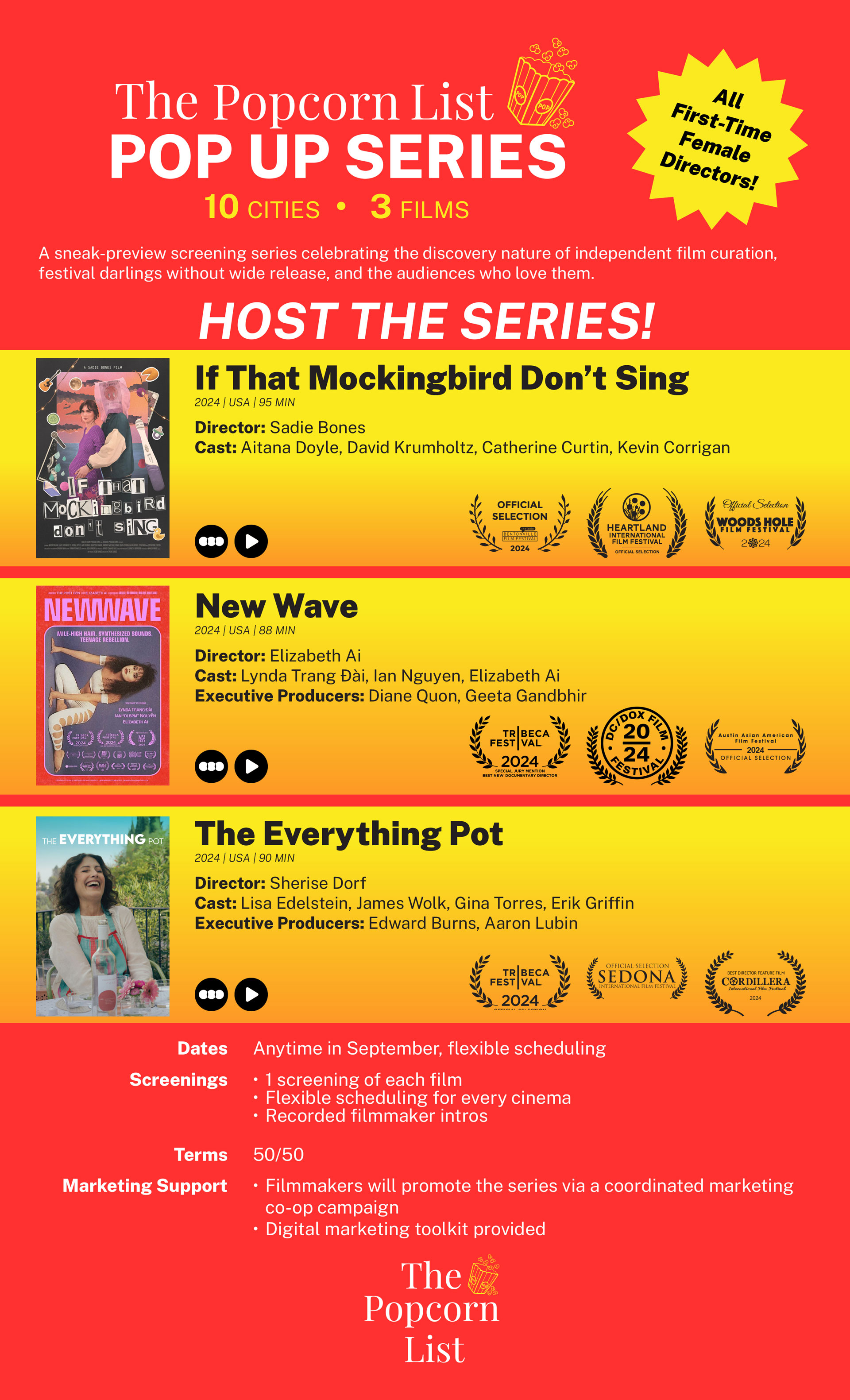
Selecting three films for the theatrical portion of the Series felt manageable, so we packaged the in-person Series with three films by first time female feature directors, representing a mix of documentary and narrative and an interesting spectrum of points of view and life experience.
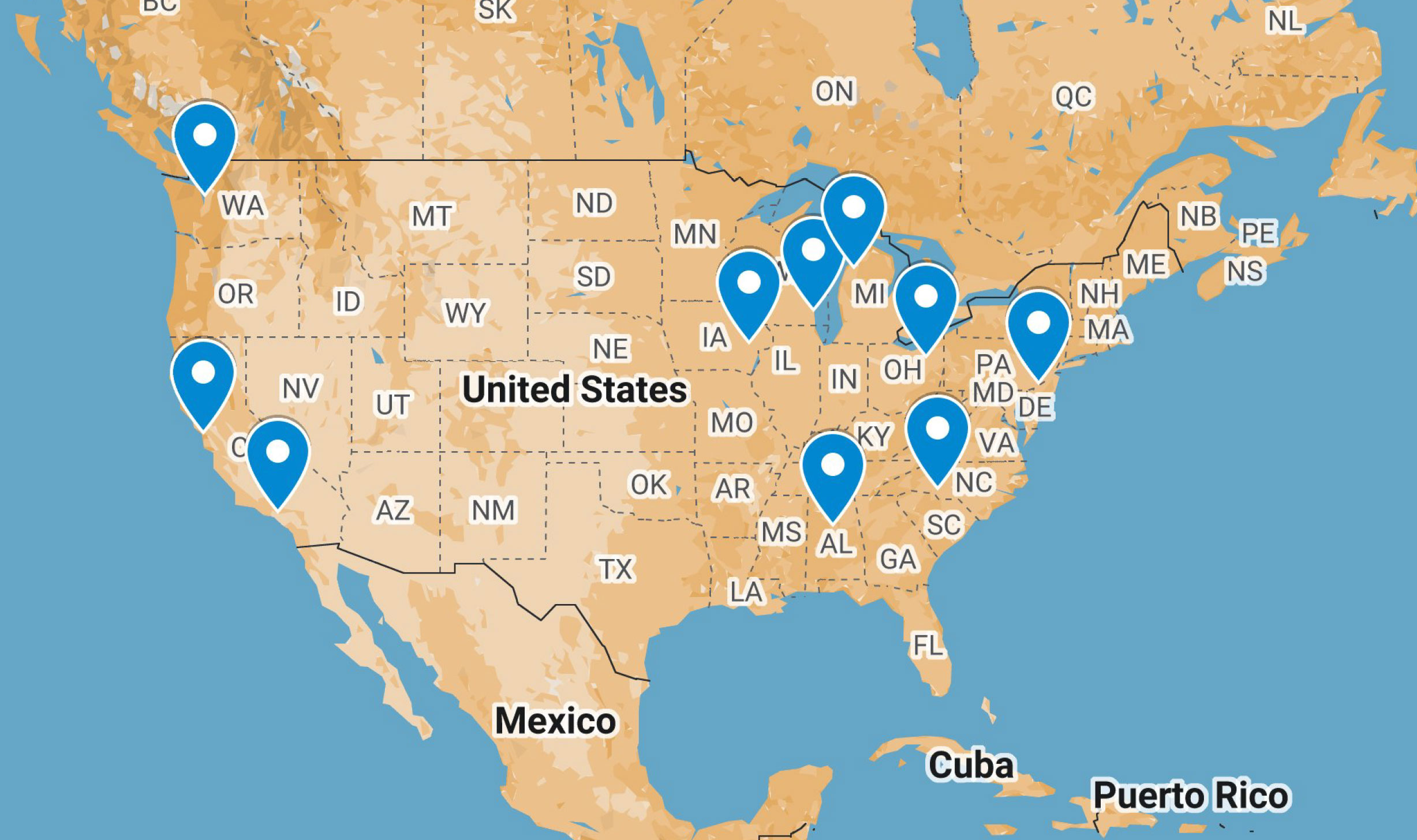
Ten arthouse theaters around the country took the leap and joined us in the inaugural Series, agreeing to play all three films as “one-night-only sneak previews” throughout the month of September – but with complete flexibility on their end as to scheduling – since they know their audiences best.
Virtual Screenings: Nationwide on Eventive, 6 days Only
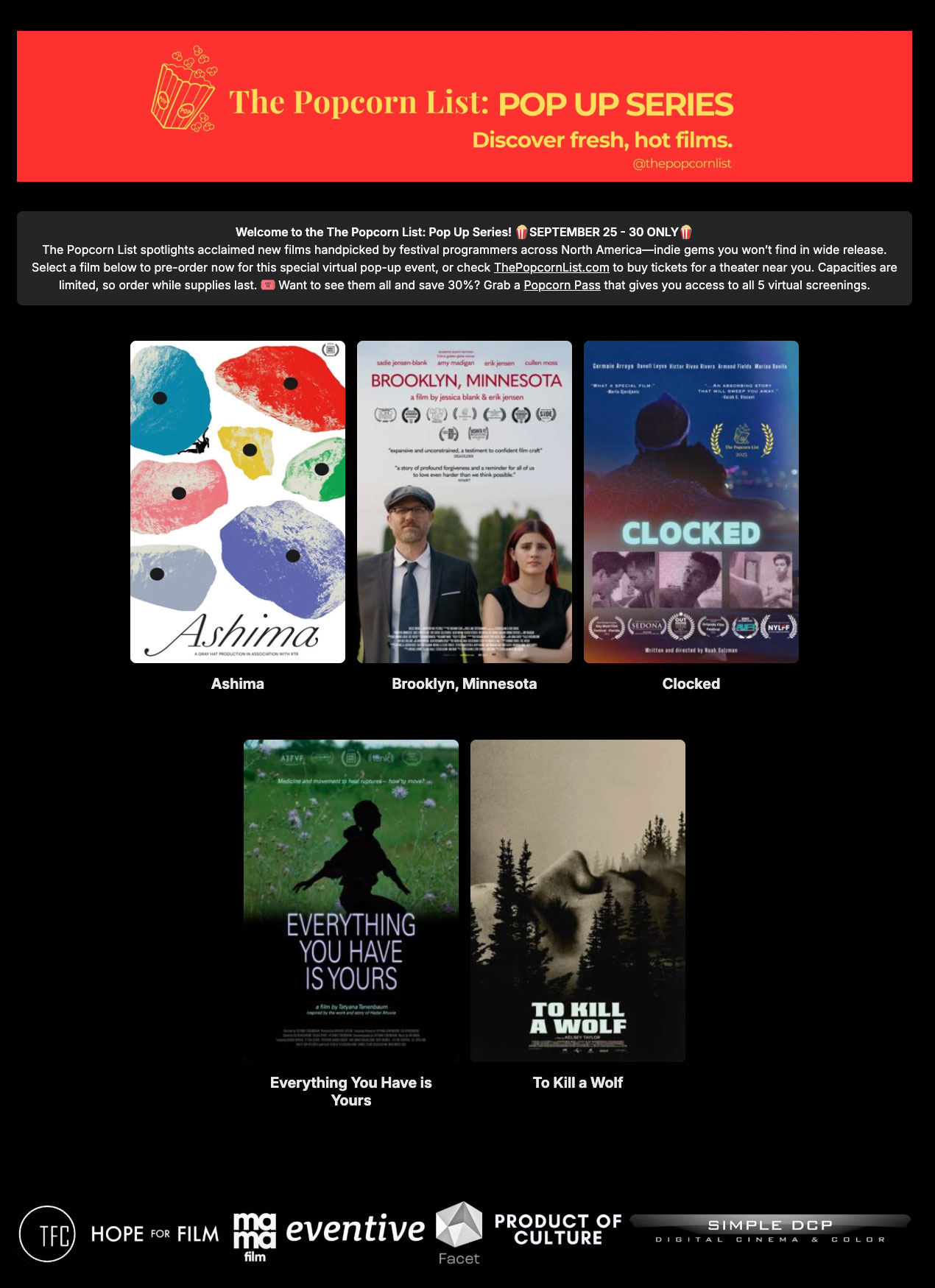
We invited all remaining films from the 2025 List who had expressed interest in participating in the Series. Five films opted in to play virtually for six days at the end of September geo-blocked to the U.S.
Hosted by Eventive, the virtual element allowed us to expand the invitation not only to more filmmakers, but also to more audiences who may not be able to come to a theatrical screening because of geography, childcare, access, or any number of other reasons.
🍿 A Collaborative Approach
TPL’s ethos lies in the fundamental idea that there is power in the collective. We harnessed this notion as we continued to design a collaborative approach to revenue share and marketing.
Filmmaker Solidarity Pool & Rev Share Structure
We built the economics based on a rev-share structure of box office receipts (both for in-theater & virtual screenings). It allowed us to proceed without funds up front to pay licensing fees, while being as fair as possible to exhibitors, filmmakers, and ideally, ourselves as well. The message was clear: we are all in this together.
The payout structure included a Filmmaker Solidarity Pool:15% of every ticket sold went into a pool which was split evenly among teams at the Series’ conclusion. We hypothesized this would incentivize film teams to support and promote each other’s films, ensure that every film would receive some sort of payout regardless of individual box office, and reflect the collaborative nature of the Series.
In-Theater: The terms were 50/50 with the theaters, making us partners with an equal financial stake in this endeavor. The full economic split was:
- 50% to theater
- 25% to film team
- 15% to a Filmmaker Solidarity Pool (to be split equally among the teams)
- 10% to admin & overhead
Virtual: Because the exhibitor share was lower for the virtual Series, we were able to allocate a higher percentage to the individual films and design this split:
- 35% to platform
- 40% to film team
- 15% to a Filmmaker Solidarity Pool (to be split equally among the teams)
- 10% to admin & overhead
Marketing Collective
Independent filmmakers don’t have surplus money, but they do have social capital, so we conceived a collective social media marketing campaign in which the film teams would promote not only their own films but also each other’s films and the Series as a whole, creating crossover among existing followers and leveraging their social media to the collective’s benefit. The more tickets sold, the more each film team could:
- Retain a percentage of their own ticket sales
- Add to the overall value of the Filmmaker Solidarity Pool
- Be on the ground floor of building a new approach to marketing
- Form long-term relationships amongst each other & with key industry partners
Assets:
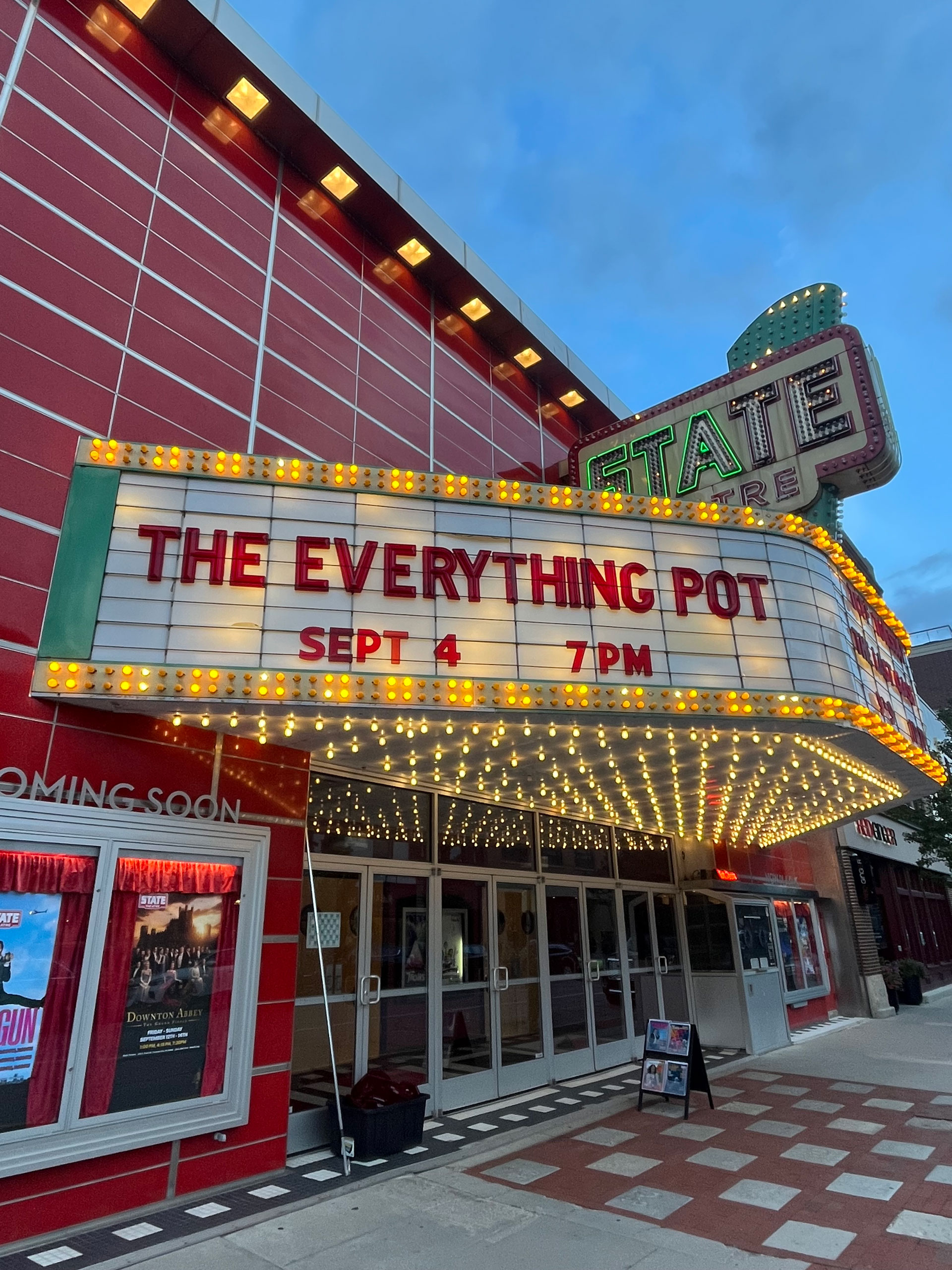
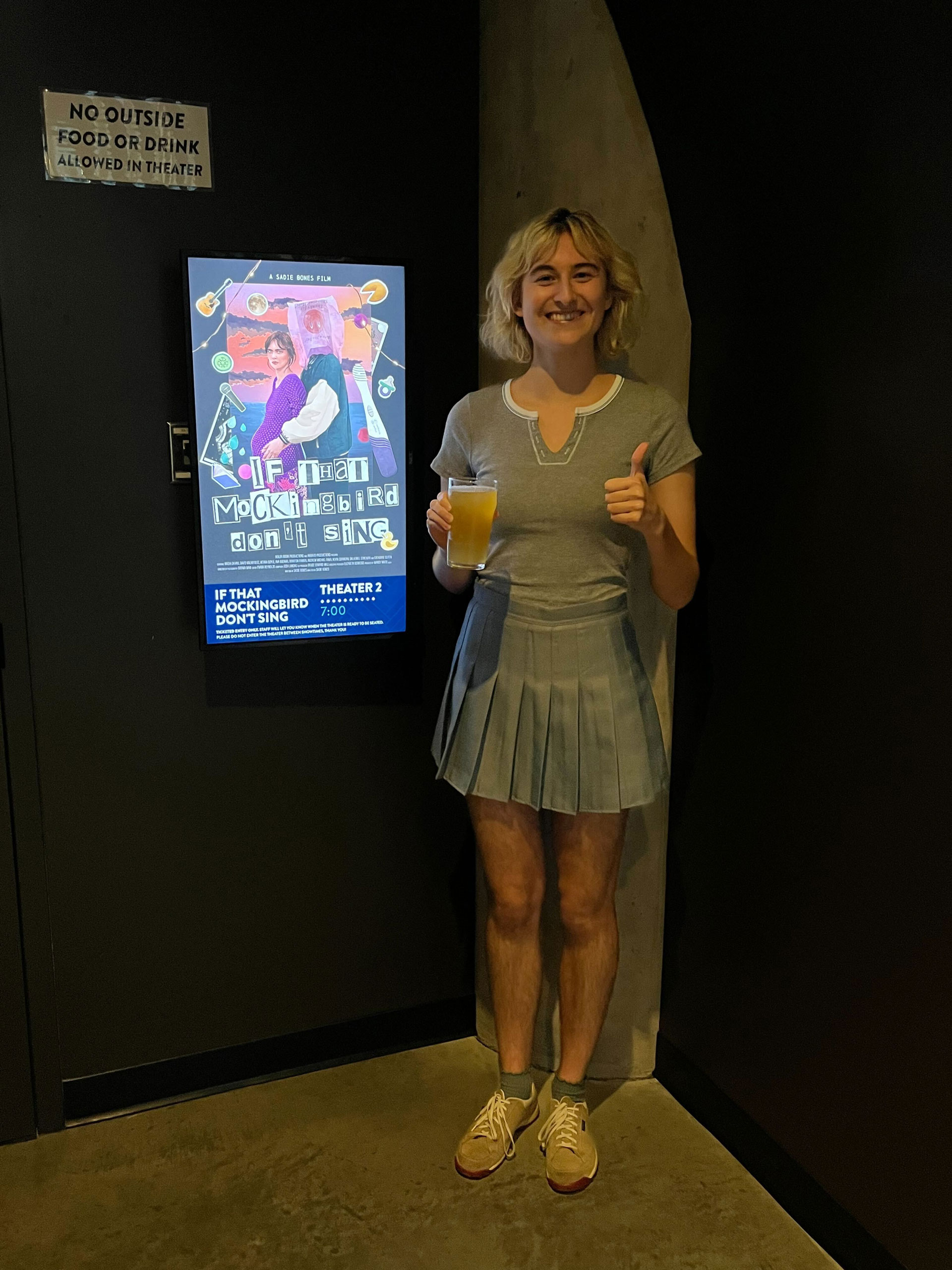
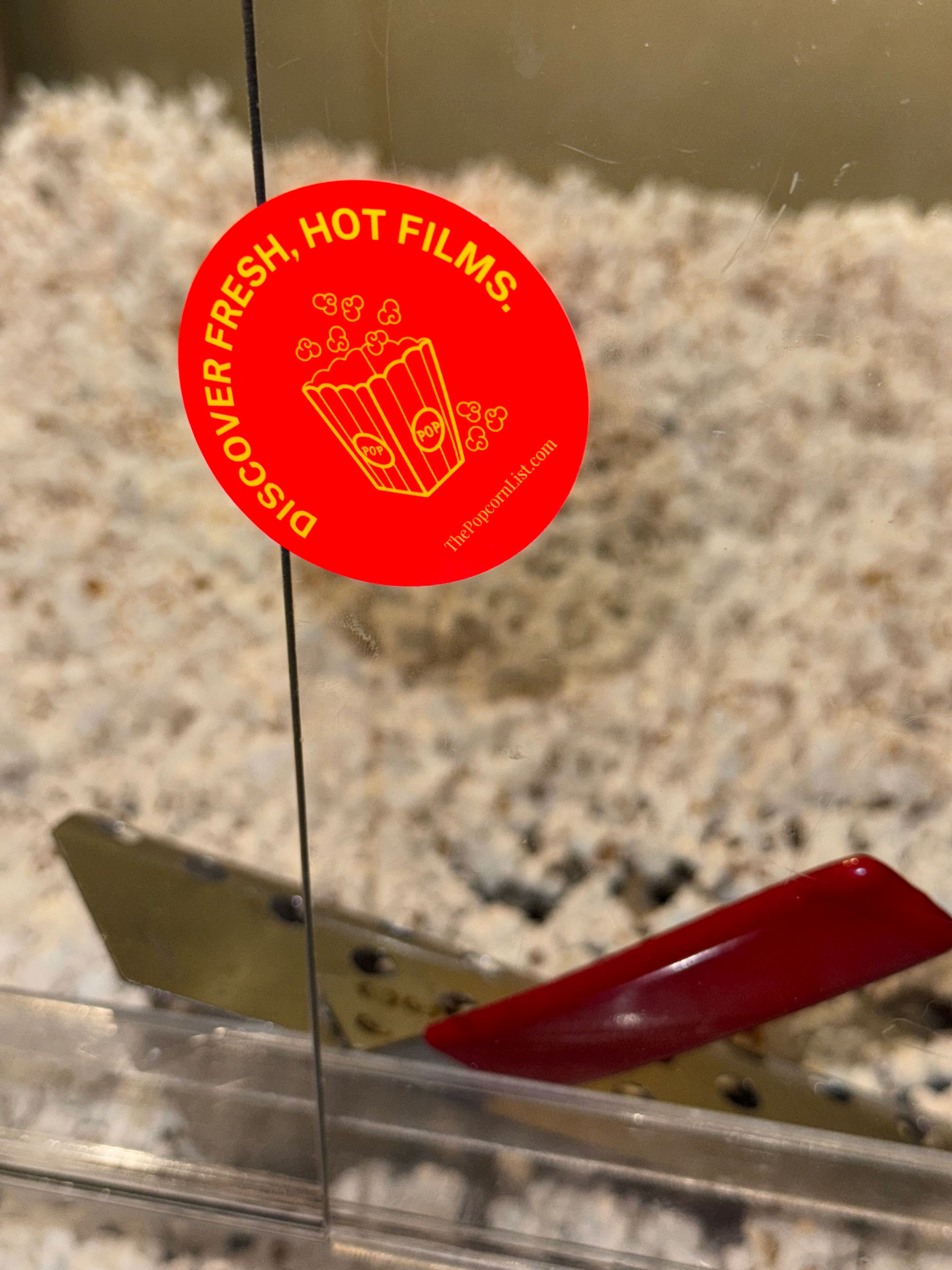
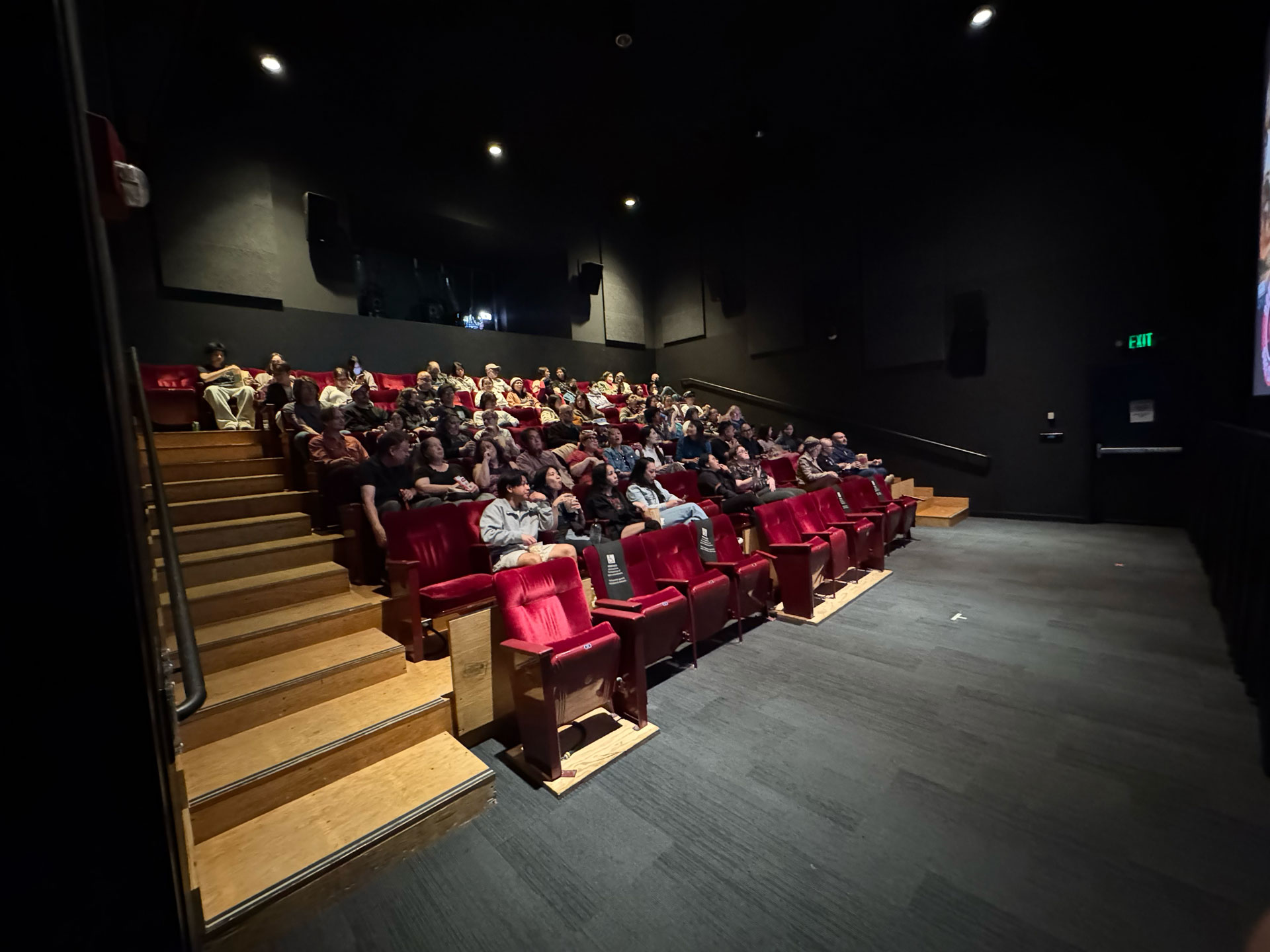
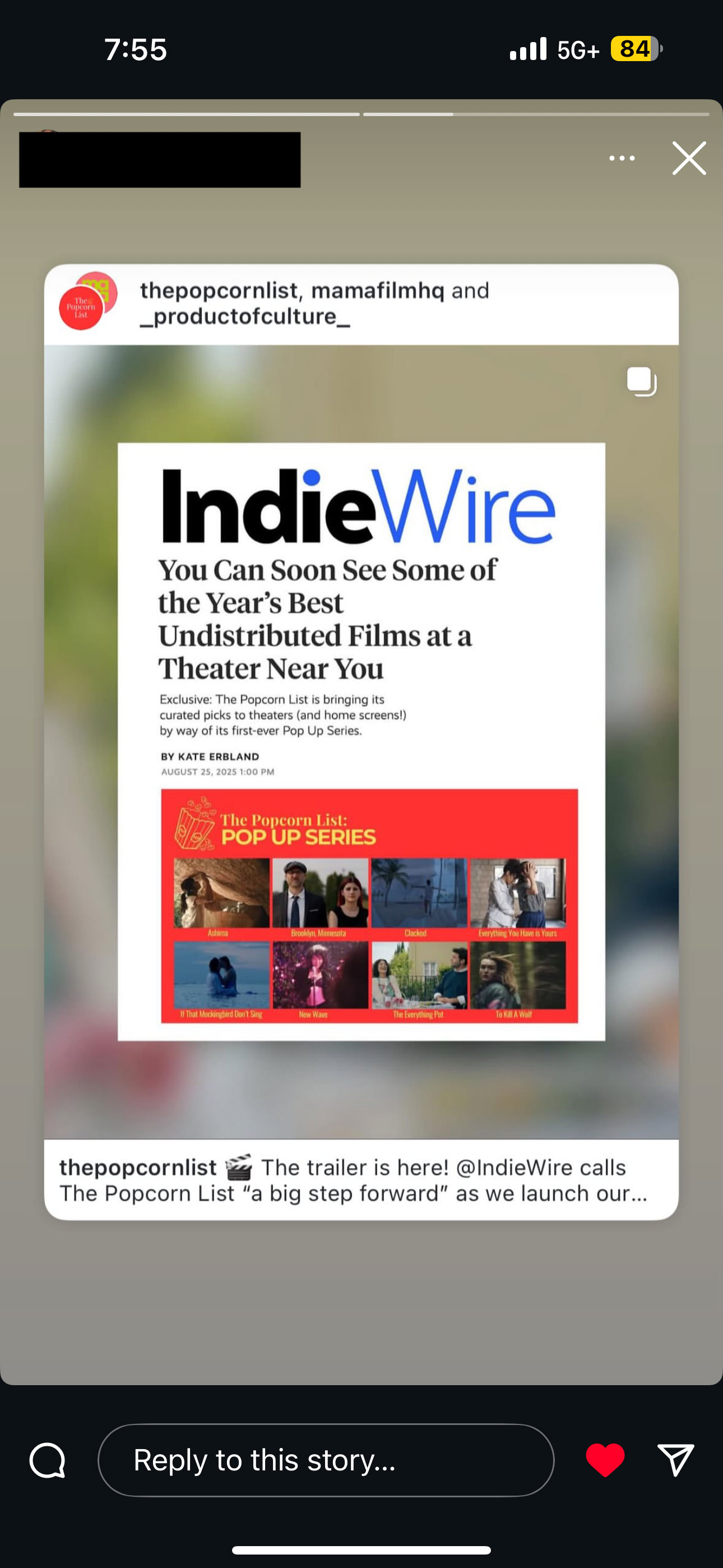
Working with marketing & social media agency Product of Culture, we created a Social Media Toolkit to be used by filmmakers, partners and theaters and a Series Trailer (in both horizontal and vertical formats) which IndieWire debuted. We created myriad promo codes to track ticket sales. All of our social media graphics were created internally in Canva and we ordered TPL stickers to be shipped directly to the theaters. Each theater was offered an additional stipend to collect videos and images.
Campaign:
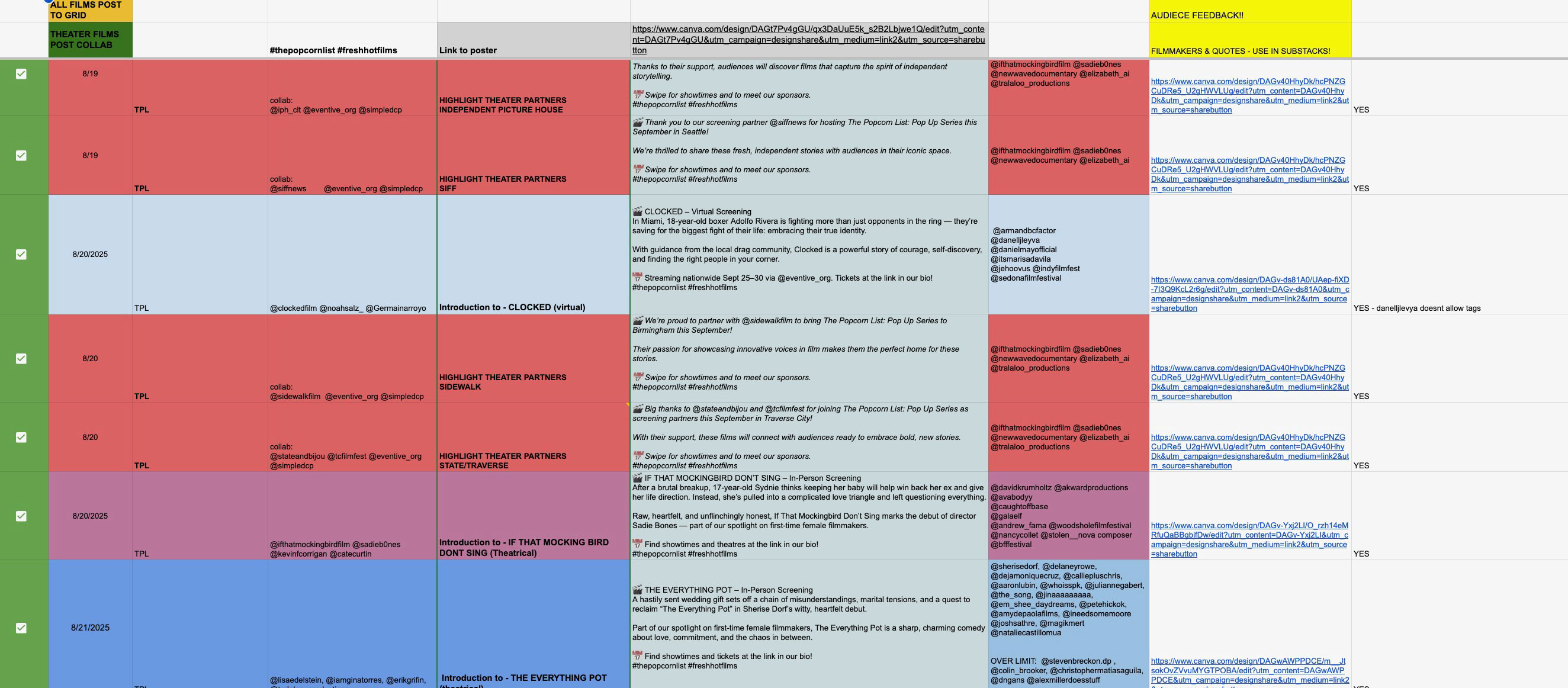
We began our marketing campaign in earnest on August 15th. Each film team was asked to share two posts that promoted all of the films/Series; and each team was guaranteed 3-4 unique posts. We collaborated on as many posts as possible with filmmakers, programmers, festivals, partners and theaters, and the team at Product of Culture cross-posted our content to Facebook and TikTok. In total, the campaign included 110 unique Instagram posts over the course of about 6 weeks. All in, we spent $4,500 on social media marketing (exclusively on Meta platforms).
Some filmmakers noted that the comms, posting schedule, and collab posts were overwhelming at times – a longer lead time for prep would allow us to streamline that process for ourselves and for participating filmmakers.
🍿 Cultivating Community & Capacity
For Filmmakers
Throughout the course of the year, we aimed to create community and opportunity for TPL filmmakers. We hosted group Zooms for networking, introductions to field experts and informational calls throughout the Series. Filmmakers got a peek behind the curtains, in real time, at what it’s like to organize a Series, received social media education from Product of Culture, and learned from each others’ strategies, successes, and failures.
Highlighting the Role of the Curator
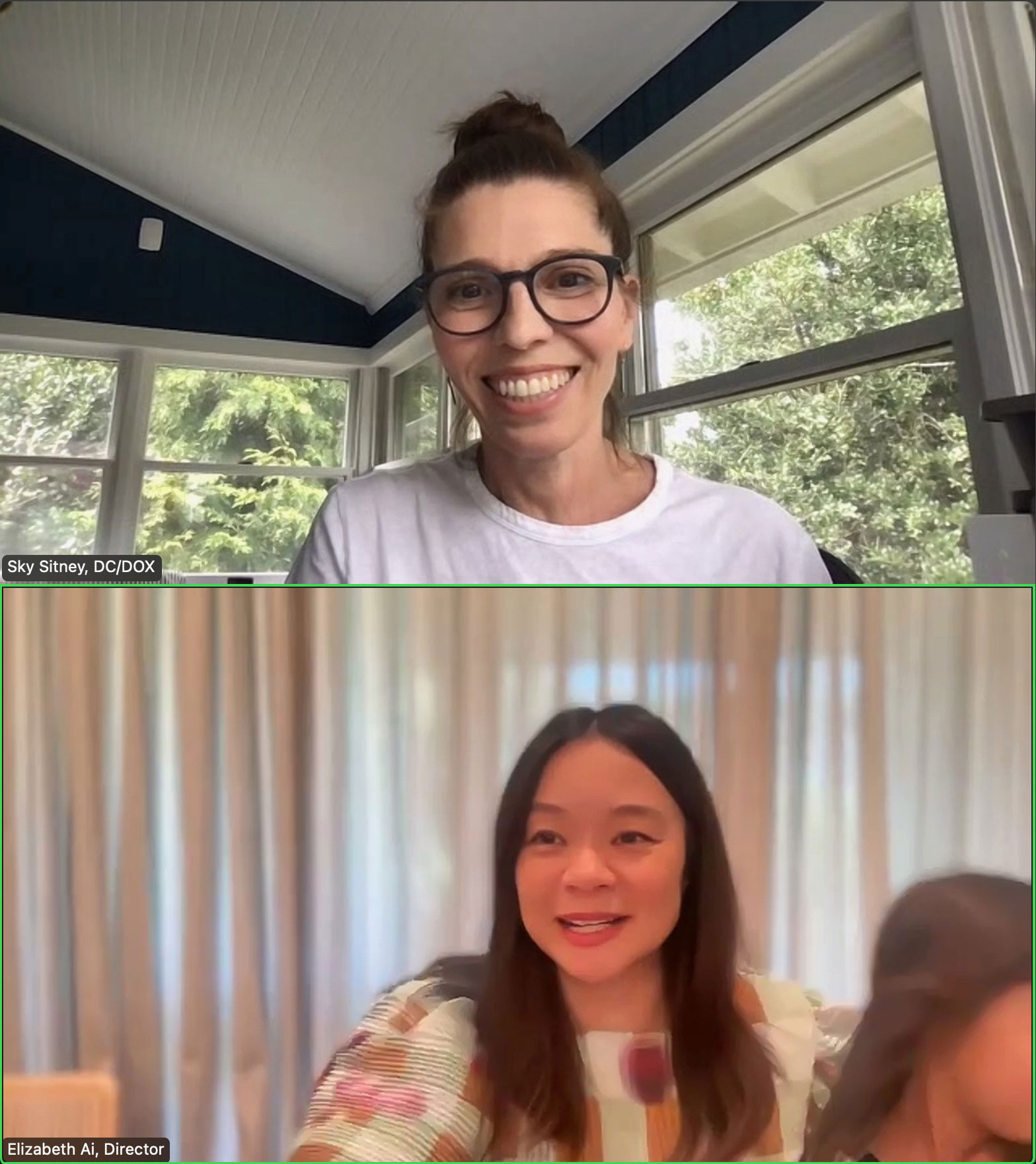
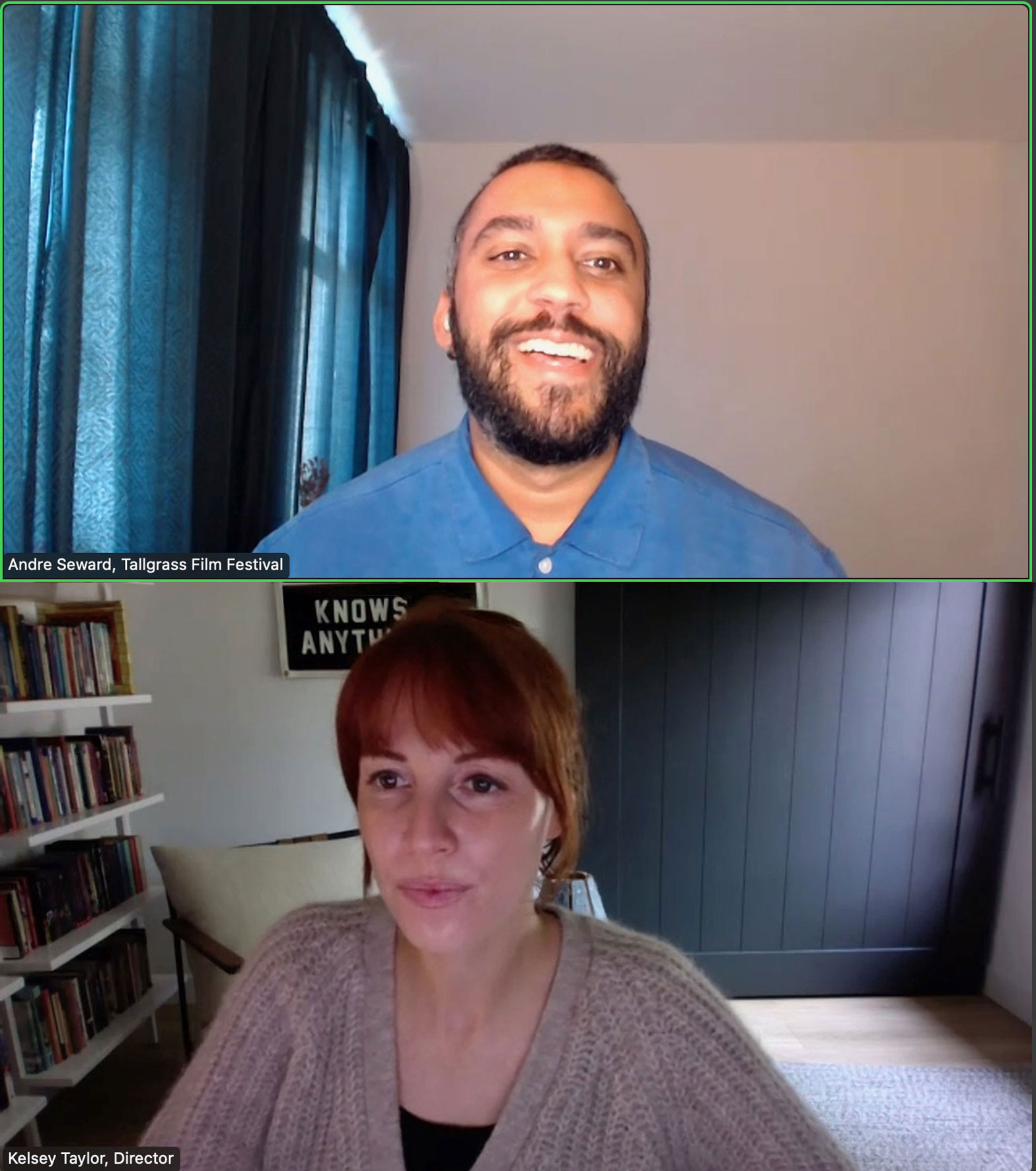
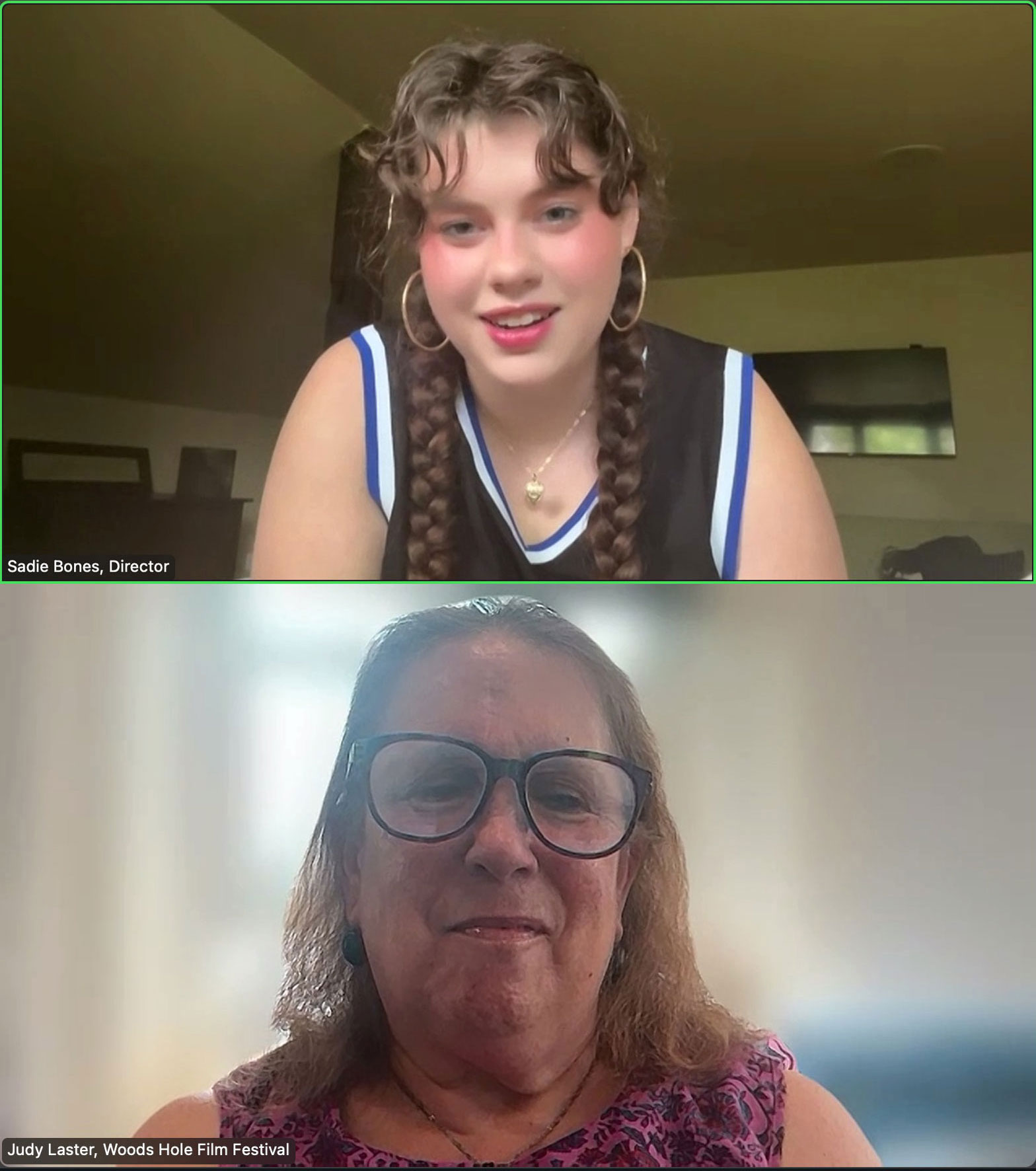
With no travel budget we pre-recorded short intros for every film with the film’s Director and the Programmer who recommended the film to TPL. This allowed audiences to connect with the storyteller and the curator who championed it – setting up TPL films with context and offering a human face in today’s disconnected world. It was important for the Series identity for audiences to have a better understanding of how and why they were watching these films.
Screenshots from the pre-recorded intros
Key Partners Stepped In
As it garnered more visibility, in-kind partners and donors came aboard to support the Series and our own capacity. Thanks to our fantastic partners, who made the Series happen in record time and who trusted us to try something new, together.

Hope for Film/Ted Hope
Ted Hope’s and his Hope for Film Substack have been partners since the first iteration of The Popcorn List in 2024. He offered the Series additional visibility and offered to match $5,000 in donations.
Eventive
Eventive came on as an in-kind partner to host the virtual portion of the Series. They also participated in the cooperative marketing campaign, doing a matching ad spend on socials, and showcased The Pop Up Series as a featured channel on their homepage for all of September.
Facet
In June, Maida Lynn and her philanthropic Facet LTD swooped in with a donation of $25,000, which gave us the ability to do paid ad spends on social media, hire extra muscle to implement our social posting calendar, cut a Series trailer, print stickers, compensate ourselves, and more.
Product of Culture
Product of Culture came on early as in-kind partners, designing our collaborative social strategy, implementing a robust calendar of posts throughout the month and beyond, and providing comprehensive analytics and follow up.
Roseade Wine Spritzer
Our very first brand partner, Roseade collaborated with us at Vidiots to offer a special combo price for spritzer and popcorn for anybody attending the LA screenings.

Simple DCP
Simple DCP came on as an in-kind partner to help us author DCPs for the filmmaker intros and the trailer to package each film’s deliverables into a neat, one-click download for theaters.
🍿 The Results: Did We Achieve Our Goals?
The Series was just a twinkle in our eye on February 9, 2025 and was in the bag by September 30. In order to analyze our success we collected the following:
- Filmmaker surveys: 7/8 film teams responded
- Theater surveys: 9/10 theaters responded
- Audience surveys: 69 respondents from across 9 cities and nationwide virtual
- Social media metrics: Product of Culture synthesized Meta metrics
- Box Office Receipts: From all theaters and Eventive
This year served as a beta; thus our metrics of success focused on participant satisfaction versus financial return. Note: with 7 film teams, 9 theaters, and 69 viewers responding, we don’t have the data to support a full statistical analysis. However, the anecdotal evidence included below is still valuable for us as we revise the Series for 2026, and informative for the field at large.
Overall, the general feedback we got from filmmakers, theaters, and audiences as to their experiences with this new model was very positive.
Goal #1: Experiment with a collaborative, ‘non-theatrical’ distribution model
Regarding the collaborative model, 100% of filmmakers agreed that the Filmmaker Solidarity Pool “was an asset”, though the question “collaborating with other filmmakers was to build audiences and support for each other’s films was useful” received mixed reviews, with 3 responding “Strongly Agree,” 3 responding “Somewhat Agree,” and one responding “Disagree.”
From our filmmaker survey, all responding films indicated that they would recommend participating in the TPL Series to fellow filmmakers, and their satisfaction scores averaged 8.14/10. What are the top things they took away from this experience?
“Understanding that marketing assets are very important.”
- “Understanding local press and outreach/community are necessary.”
- “We could directly see that you get what you put into it!”
- “I thought this was really interesting to include a solidarity pool and I thought it helped share the love amongst everyone.”
A major metric that is not to be overlooked is that the Series worked: the filmmakers trusted us with their projects, the theaters and Eventive came on board to exhibit the films, and the audiences showed up.
Goal #2: Facilitate access for theaters to festival darlings before their wide release
One of the Pop Up Series’ main goals was to help exhibitors access these films, and to support these films with a marketing push. 88% of theaters said that the level of marketing support they received from TPL was “Greater Than” the “amount of support they typically receive from small distributors or individual filmmakers.”
100% of responding theaters said they would be interested in participating in the Series again and expressed a general sentiment that the Pop Up Series is very mission-aligned for them. Open-ended feedback included the following notes:
- “We feel it is important and worthwhile to support independent filmmakers and give them an avenue in which to show their art.”
- “The Popcorn List Pop Up Series was exactly the breath of fresh air we needed as a small non-profit arthouse theater in the Midwest. You can tell they (TPL organizers) care as much about finding creative solutions to the problem of independent movie theaters and IRL audience attrition as they do about uplifting great films & filmmakers.”
Anecdotal feedback also indicates that not only was this goal clearly communicated, it was successfully achieved:
- “TPL lets us bring the films that matter—those the world hasn’t seen yet—directly to our audience, expanding the path from filmmaker to viewer. We look forward to bringing it back next year!”
- “TPL is a brilliant idea to spotlight overlooked gems on the festival circuit, particularly in a time of uncertainty in theatrical distribution.”
- “We loved hosting! There are so many amazing films that don’t get picked up post festival and this is a wonderful way to ensure that these important films don’t get lost in a void. We look forward to future events!”
From the filmmaker point of view, while the virtual had value, the ultimate goalpost remains big screen exhibition. In designing the Series, we did our best to create equal opportunities for all participating films, but we must acknowledge that just by the nature of a hybrid series, the three in-person films got outsized benefit compared to the virtual titles. This is a potential direction to develop the Series moving forward:
- “I never thought a theatrical release would be attainable for us before TPL.”
- “Access to the film from anywhere in the country was super beneficial!…[but] in person events are always appreciated. I think that’s the best way to support us.”
- “You could be of assistance by connecting us with a group of theaters that you have connections with so we could work alongside them to get screenings.”
- “I’m hoping that by getting on the list… it would be enough of a boost to convince theaters to program the film.”
Overall, a combination of in-person and hybrid access for films seems to be the best path forward to achieve the most opportunities for TPL films, reaching audiences that don’t have access to art house theaters, but still leaning into the traditional art house circuit and the importance of the communal viewing experience.
Goal #3: Cultivate audiences for TPL films fueled by the discovery nature of film curation
Audiences enjoyed the experience of the Pop Up Series, both in theater and virtually – and to a significant extent, they were motivated by the same metrics as the theaters:
- 46% attended the Series to support independent filmmakers
- 83% would attend another Pop Up Series screening
The majority of respondents fell into the 35-54 age range, skewed 71% female and regularly attend movies in the theater. Furthermore, the industry has long known that “word of mouth” generates the best ticket sales, and 34% of audience respondents said they learned about The Popcorn List from a friend. But even more importantly, when asked, 89% of respondents answered they were “highly likely to recommend TPL films to a friend.”
We were also excited to see the audience’s love for independent cinemas, who play a large role in the ecosystem and life span of an indie film:
- “(I attended) Because I still adore and prefer watching films on the screens they were intended to be conveyed on, and with an audience.”
- “Great theater, glad to know about it!”
- “The staff was so nice. I love supporting theatres like this one.”
A surprising result was to find that 41% of respondents said they had never been to that arthouse theater before – which shows us that we are successfully reaching new audiences not just for the films, but for the theaters as well.
And a note about virtual: Although virtual has lost some of its luster for filmmakers this far post-pandemic, audience feedback that suggests they still appreciate the access:
- “It was wonderful to access a new indie film. I live in a city with no art house cinema and my young kids keep me closer to home”
- “Excellent selection of interesting films. Streaming option was important.”
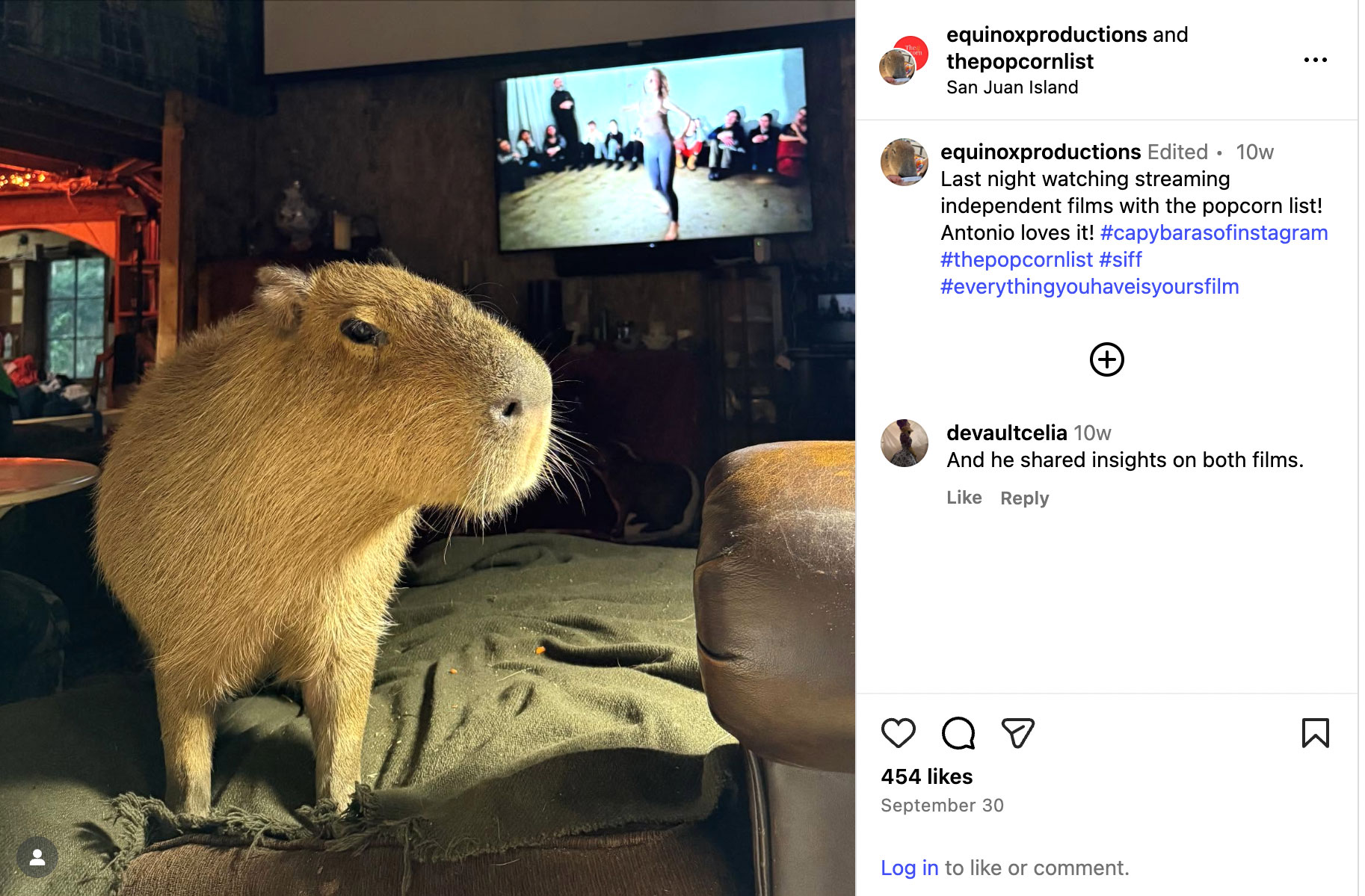
Anecdotal feedback from audiences indicates that the curation-forward messaging came across and was valuable to the attendees. When asked “why they would come back to a TPL screening” responses included:
- “To discover cinema gems and support filmmakers.”
- “Great to see a film different from mass releases.”
- “Good film selection.”
- “It was affordable, convenient, and I loved the Q&A with creators beforehand.”
- “It’s a really neat thing! I like supporting programmers doing their jobs and telling me what movie I should see! They’re usually correct!”
- “Because it’s cool to see a movie before it gets distribution and/or goes to VOD!”
- “It was an impactful and meaningful pick, i’d be interested to see other picks from the list!”
Social Media Metrics
Our social metrics told a similar story of broad reach not driven by paid ads or even necessarily by our own followers, but by organic discovery through collabs and cross-promotion. From the report generated by Product of Culture:
- Reach:
- Total Accounts reached: 133,841
- Total views: 568,526 (0.8% from ads)
- Total interactions: 7,577 (48.8% from followers / 51.2% from non-followers)
- Profile activity: 3,454 actions (+66.6%)
- 3,137 profile visits (+62.7%)
- 317 external link taps (+118.6%)
More than half of all engagements now come from non-followers, showing strong organic discovery and shareability.
- Engagement Sources:
- Followers: 48.8%
- Non-followers: 51.2%
- Accounts reached: 133,841
High share and non-follower rates suggest content is traveling beyond the core audience.
Box Office:
While the Box Office for 2025 was relatively modest, it was within the range we anticipated for a first-time Series that is still building its brand. Box office results were:
- In-person: 773 Tickets sold, $7,712.61 box office gross
- Virtual: 291 Virtual views, $3,001.15 virtual gross
- Total hybrid: 1,064 audience members, $10,713.76 gross
- Of the top 3 grossing films, one was virtual
As part of our commitment to transparency, we did our best to update a live shared BOR Google Sheet, so that the film teams had visibility into sales in real time. We also received some donations through Eventive’s portal, which we opted to split with the filmmakers.
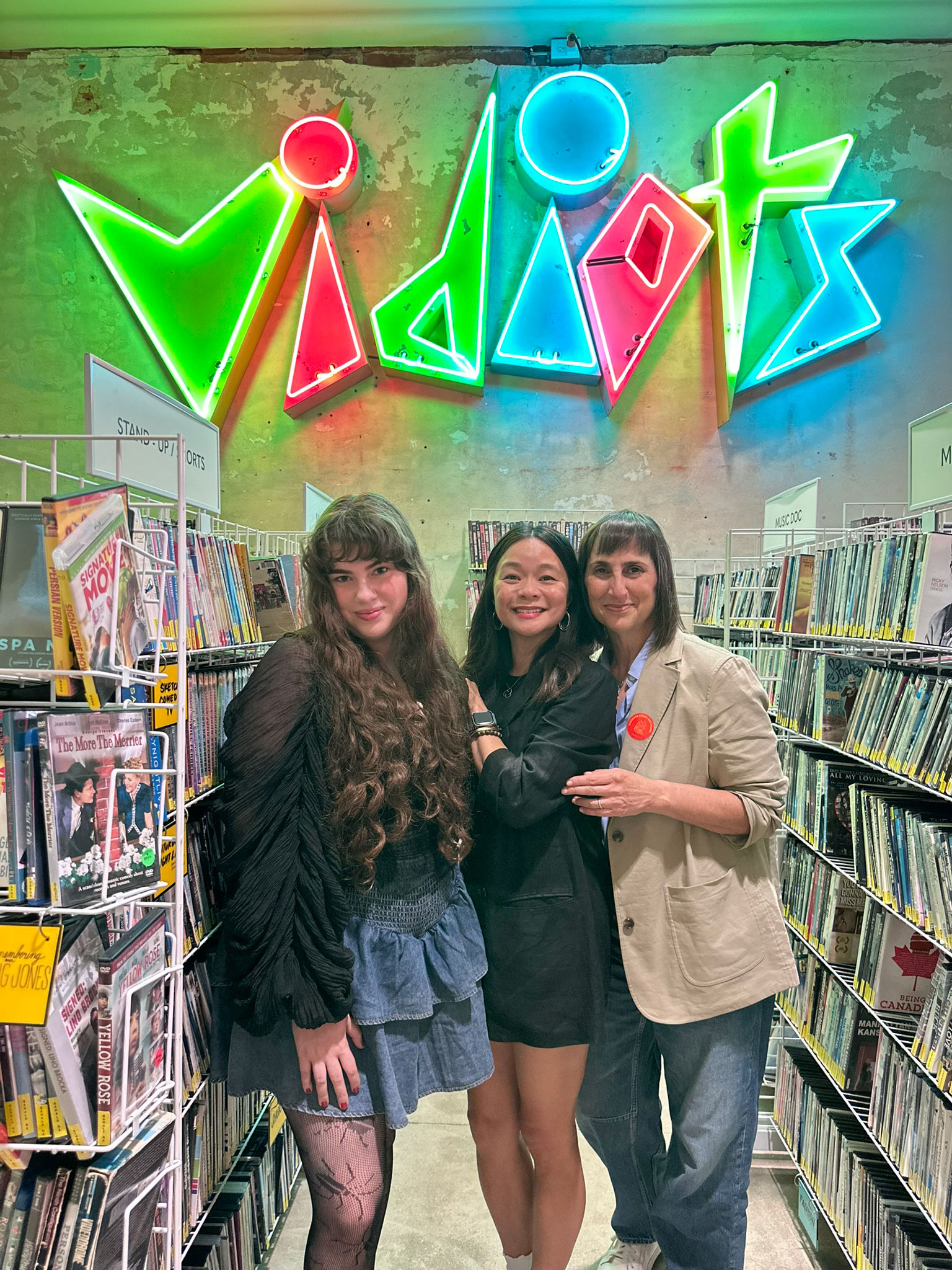
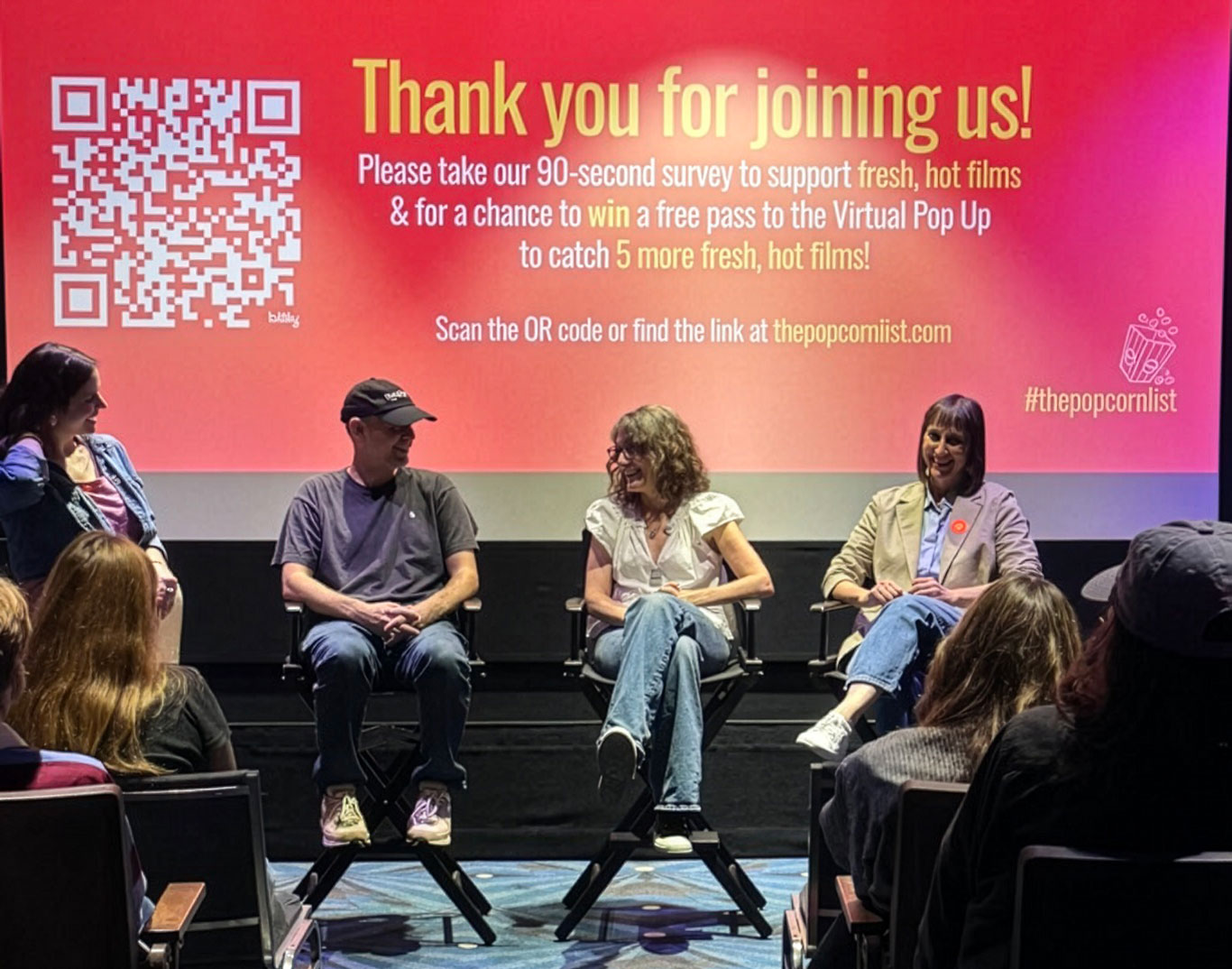
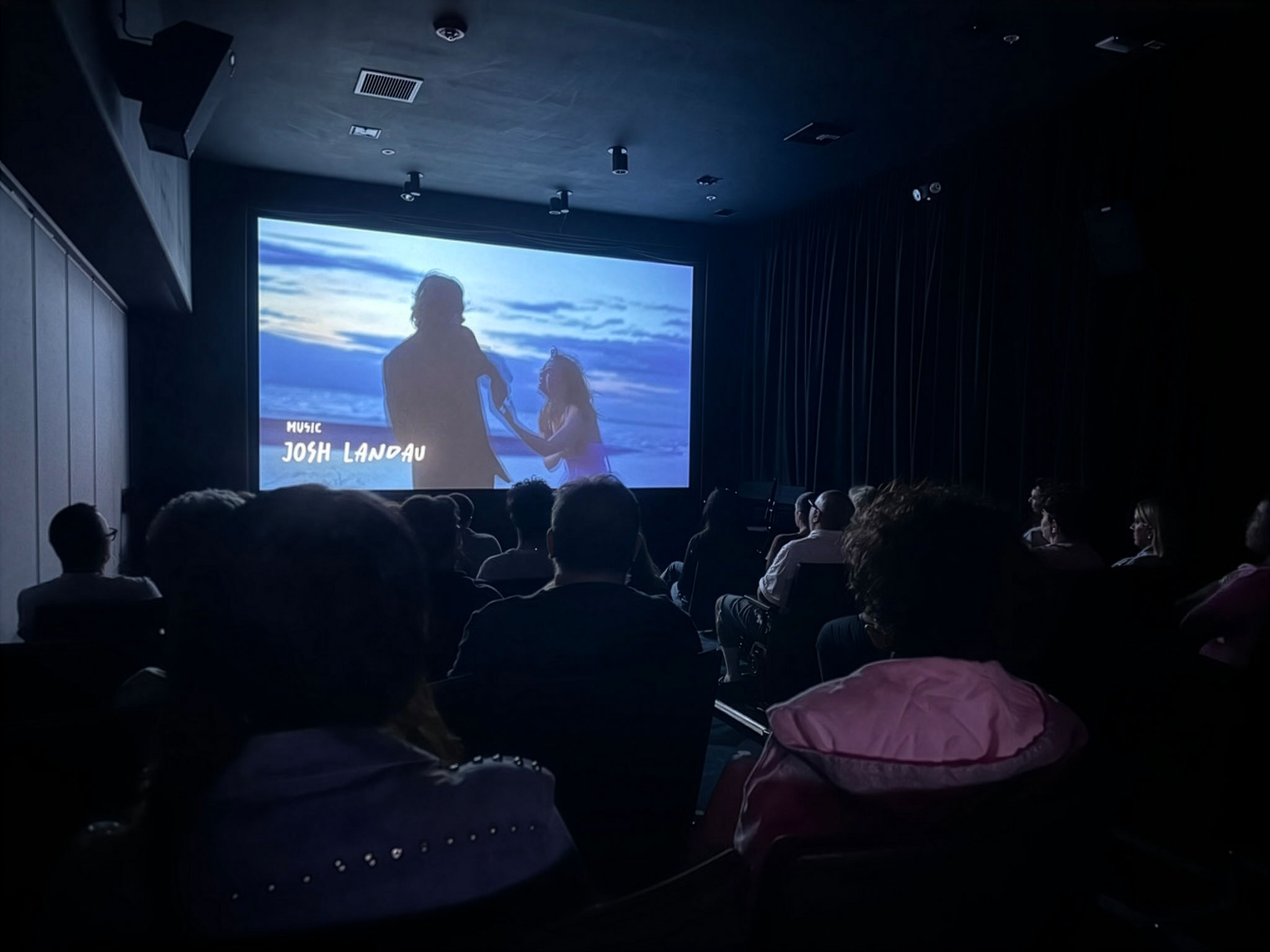
Ticket sales were correlated directly to the level of social media engagement on each film team’s side and their consistent outreach on socials drove significant ticket sales leading up to and during the virtual window. The most successful in-person screenings had filmmakers in attendance, or were eventized (e.g. The State Theatre offered a catered Vietnamese dinner to compliment NEW WAVE). The 3 sold-out screenings at Vidiots microcinema took place all in one day, allowing us to concentrate promotional efforts to a small window of time, create urgency around the scarcity of tickets, and draw audiences with a filmmaker Q&A–making this “mini-fest” a Series highlight.
Goal #4: Create capacity-building and networking opportunities for new and established filmmakers
One of our top priorities in the inaugural Series was filmmaker solidarity, both financially and in practice. We wanted the teams to feel like a cohort, to support each other (on socials and off), and to feel like they all had an equal stake in the Series.
Throughout the course of the Series, when the filmmakers came together (in-person and online) a lot of great energy, inspiration, commiseration, and innovative ideas were born. The film teams told us that it was encouraging to hear that other filmmakers were going through the same struggles.
Filmmaker surveys showed us that all of the film teams are keen to be part of a TPL peer mentorship program and anecdotal feedback around community-building included that filmmakers gained:
- “A feeling of solidarity with other filmmakers without distribution.”
- “New connections in the industry.”
- “A sense of accomplishment.”
- “I’d be happy to connect with new audiences and other filmmakers however possible.”
- “What a wonderful way to be in community w/ some badass indie filmmakers white knuckling their way through this.”
- “Loved the camaraderie with our cohort. Wish there was a bit more!”
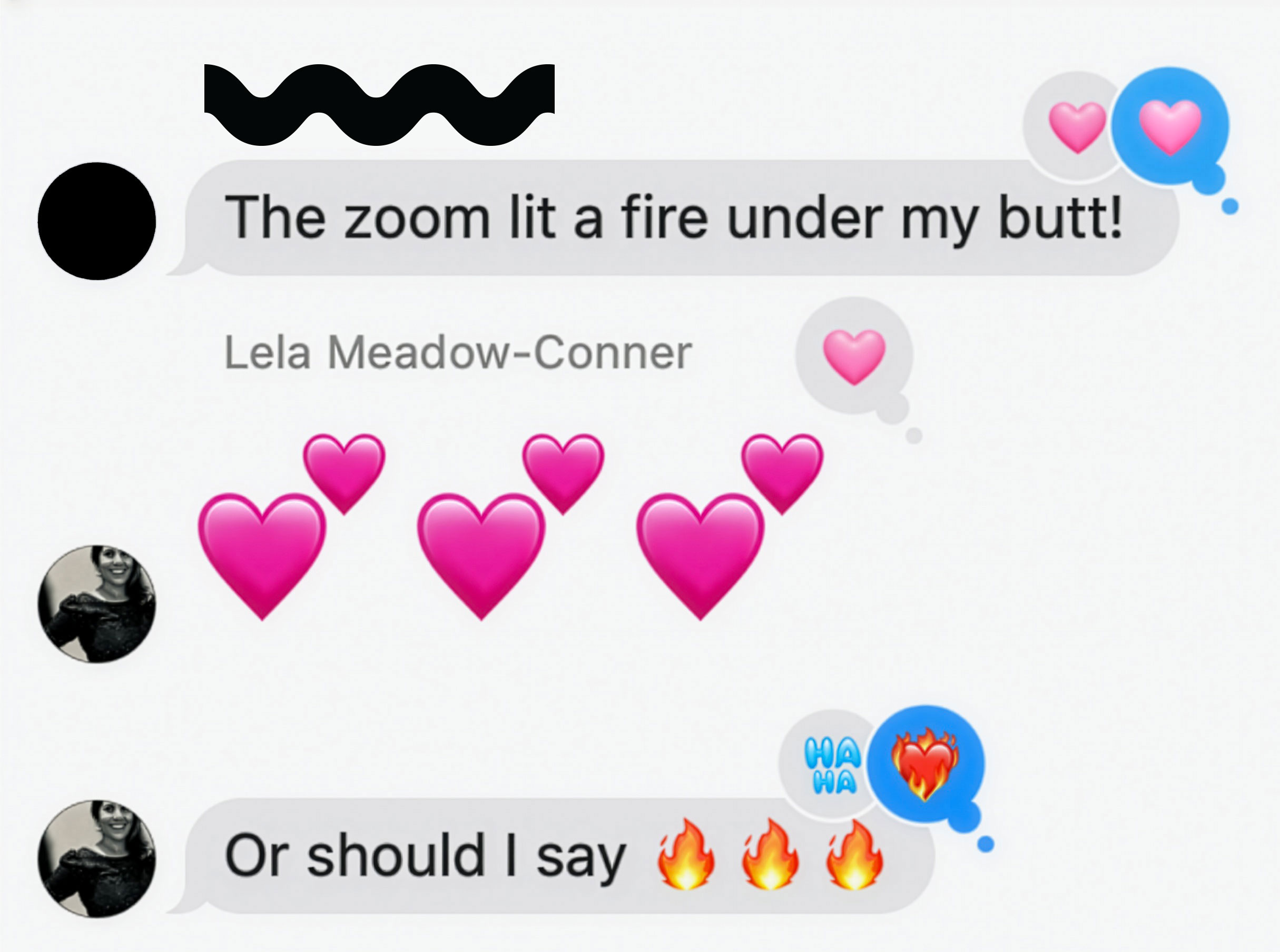
Connecting filmmakers in a cohort to discuss their journeys, their struggles, their questions – and also of course their successes and hopes and goals – was a breath of fresh air for everyone. Every film benefits when others succeed and vice versa. A rising tide lifts all boats. We make the tide together.
Goal #5: Serve as a springboard for wider distribution opportunities for TPL films
One of the primary goals of The List and the The Series is visibility for recommended films: visibility to audiences (we sold over 1,000 tickets and passes across the Series), social media presence (we had 568,000 views on our socials alone), and visibility within industry (IndieWire, Hope for Film, Filmmaker Magazine, etc.)
Many filmmakers reported having had conversations with distributors that were generated directly by their participation in the List and/or Series. We fielded some outreach from theaters interested in booking films outside the scope of the Series – we put them directly in touch with the film teams. One film even scored a two-week theatrical run in New Zealand. We’re tracking the film’s journeys as they continue to release wider into the world and are excited to see them making moves that are outside the conventional paths for independent films.
Anecdotal feedback from filmmakers does indicate that they learned something about distribution (in particular, self-distribution) from participating in the Series, and that they came away from the experience more empowered than when they went in. When asked “what does the term “not having distribution” mean to you at this moment?,” responses included:
- “Freedom.”
- “Opportunity.”
- “Control.”
- “Being a Punk Rock Muthfkr.”
- “The journey with this film isn’t over.”
- “We are letting go of a traditional distribution pathway. Our dreams have shifted organically and TPL has been a part of that journey.”
- “Made us more aware of other routes to get eyes on the project that don’t include aggregators or needing to take “the least crappy” deal.”
- “Being able to retain theatrical rights.”
🍿 The 2026 Popcorn List: Pop Up Series
As we move into the next iteration of the Series, we’re thinking about building our audience-facing brand, expanding opportunities for TPL films and fundraising for additive and supplemental elements. Some of the things we’re taking into consideration include:
- Expanding theatrical opportunities to more films and more cinemas.
- Hiring a publicist is always a gamble, but earned media is valuable.
- Lengthening promotional timeframe with a focused spend to & asset to build audience engagement.
- Offering travel support for filmmakers to attend screenings brings out audiences.
- Offering ‘Popcorn Stipends’ so theaters can provide free or discounted popcorn to audiences as part of our brand.
- Scheduling the Series to take advantage of theater’s more available months, and strategize the virtual window accordingly.
- Cultivating more collaborative opportunities to grow networking and capacity-building opportunities for and within the TPL Filmmaker cohorts.
- Expanding our budget. What would be ‘enough’ to execute this Series at the highest levels, checking all the boxes on this list? Our current estimate is over $150k per year.
- Being mindful of labor bandwidth: We’ll be more effective and intentional with how we spend our time and allocate resources.
For TPL, successful distribution means connecting films to audiences who would otherwise not find them; engaging in collaborative marketing and an incentivized financial model, introducing audiences to new filmmakers through the trust of known film curators; and building a community of networked filmmakers who uplift each other on their film’s distribution journey.
As the initiative and experiment grows into something bigger and better in 2026, we’re aware that we sit in the unique position of straddling lines, breaking boundaries, and participating in the discussion around redefining distribution. We know these parameters will continue to evolve with the times, and we want to keep The Popcorn List flexible, reactive and proactive to the industry’s ever-changing needs.
Stay tuned: The third edition of The Popcorn List drops January 5th, 2026.
Stay fresh, stay hot! 🍿🍿🍿
Lela Meadow-Conner (mamafilm) & Kathy Susca (The Film Collaborative)
(with special thanks to Maida Lynn for her invaluable guidance)
🍿 Appendix
*How does TPL work?
TPL is a curation of films recommended by film festival programmers who received a survey asking them to share a film that they believe: 1) deserves to be seen more widely and 2) does not have traditional distribution. TPL compiles all of the recommendations, and communicates with the film teams directly to confirm their eligibility.
Thank you to the Programmers who recommended films to 2025’s The Popcorn List:
- Nehad Khedar (BlackStar)
- Sean Flynn (Camden International Film Festival)
- Mimi Plauché (Chicago International Film Festival)
- Paul Sloop (Cordillera International Film Festival)
- Dan Brawley (Cucalorus)
- Sky Sitney (DC/DOX)
- Paris Burris (deadCenter)
- Matthew Campbell (Denver Film Festival)
- Allegra Madsen (Frameline)
- Kayla Meyers (IndieMemphis)
- Jason Hoffman (Indy Film Fest)
- Cara Ogburn (Milwaukee Film)
- Tom Hall (Montclair Film)
- Crystal Merrill (Mountainfilm)
- Nick McCarthy (NewFest)
- Barak Epstein (Oak Cliff Film Festival)
- Jim Farmer (Out on Film)
- tt stern-enzi (Over-the-Rhine Film Festival)
- Isaac Zablocki (Reel Abilities)
- Lisa Simmons, Allison Simmons-Uvin (Roxbury International Film Festival)
- Beth Barrett (SIFF)
- Paul Sbrizzi (Slamdance)
- Heidi Zwicker (Sundance Film Festival)
- Andre Seward (Tallgrass Film Festival)
- Shailaja Rao (Tasveer Film Festival)
- Faridah Gbadamosi (Tribeca)
- Karen McMullen (Urbanworld)
- Judy Laster (Woods Hole Film Festival)
- Meira Blaustein (Woodstock Film Festival)
*Why the data shows us that there are opportunities within the sector:
- Theatrical releases generate 8x more social buzz than streaming-only releases (MarketCast 2023).
- 78% of US moviegoers go to theaters due to word-of-mouth (Market Data).
- 74% of Gen Z & Millennials prefer originals to remakes and value diversity onscreen, and 71% want to see more indie content. (Tubi)
- Theatrical runs are thriving for films lacking traditional distribution: No Other Land, Hundreds of Beavers
- In 2025 Gen Z will purchase more than 452 Million movie tickets
The Films
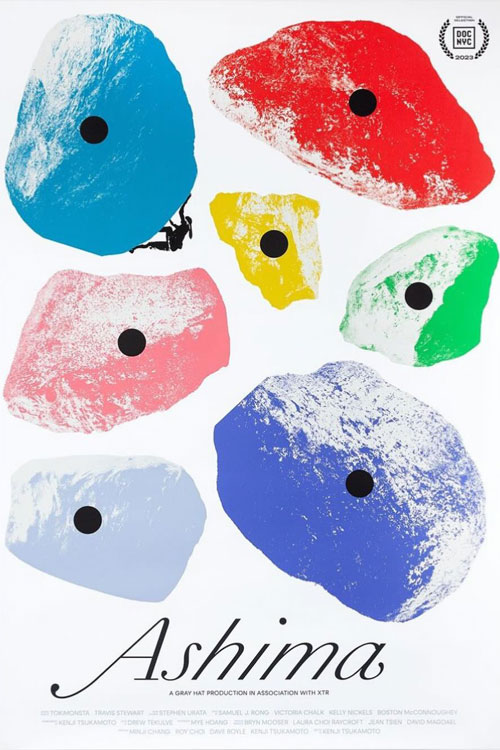
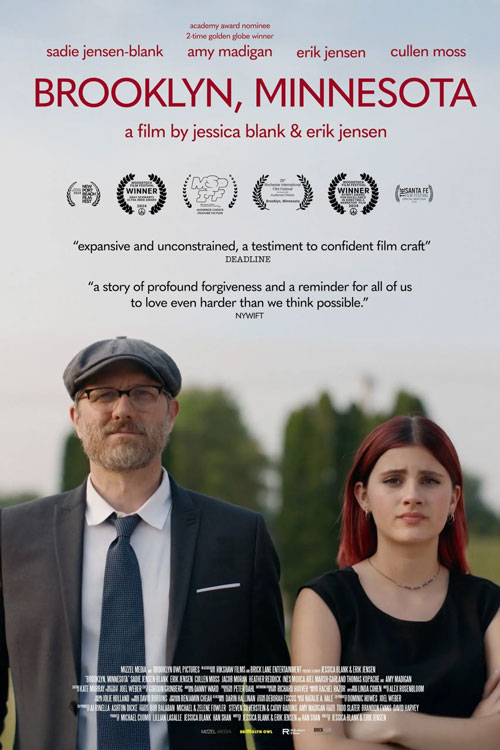
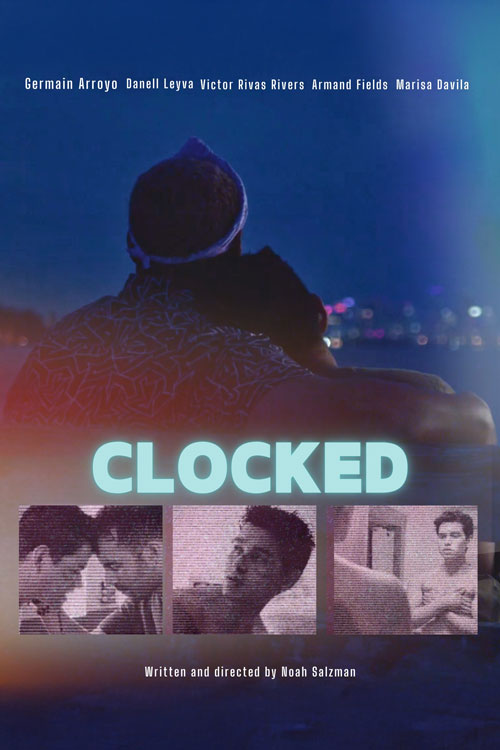
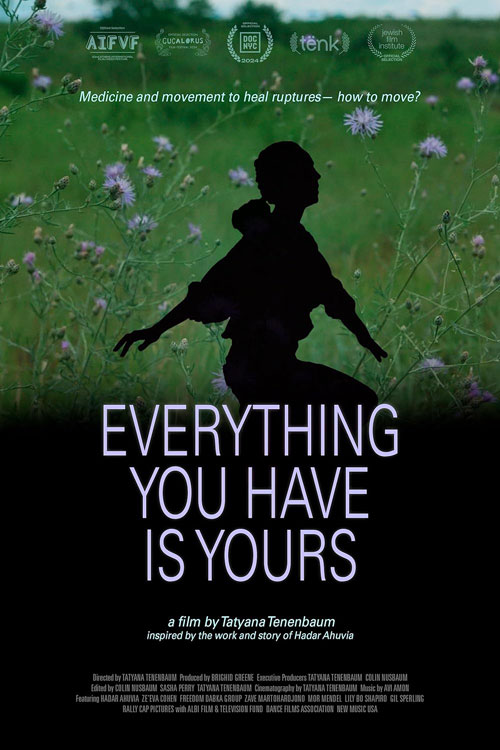
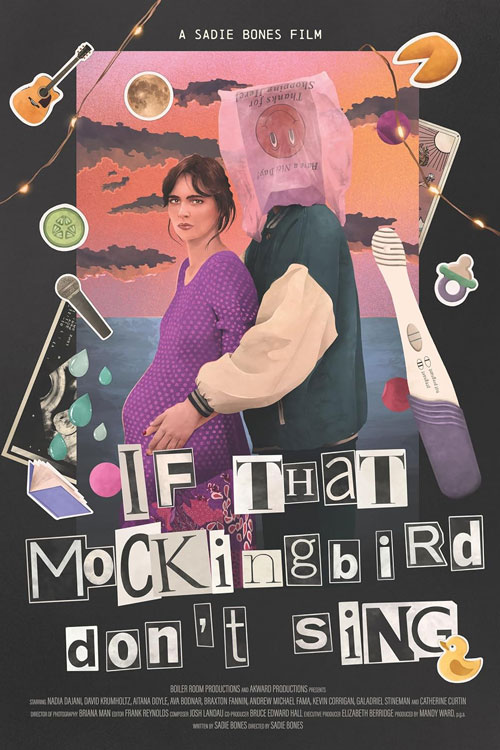
Eight of TPL’s 2025 recommended films trusted us to help bring their films to audiences:
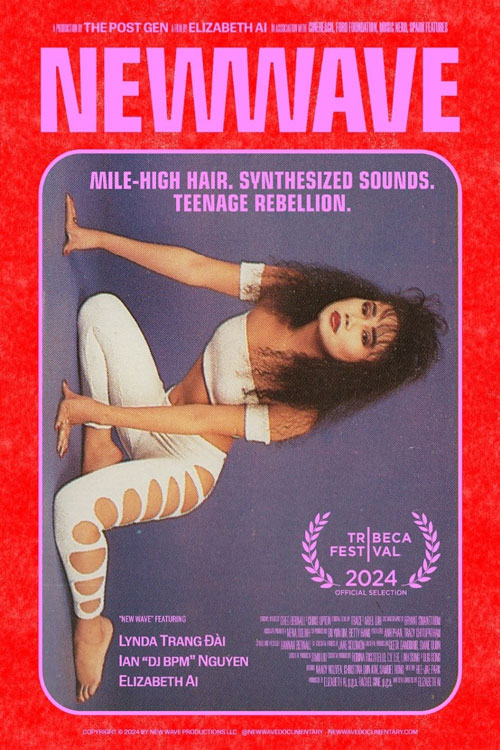
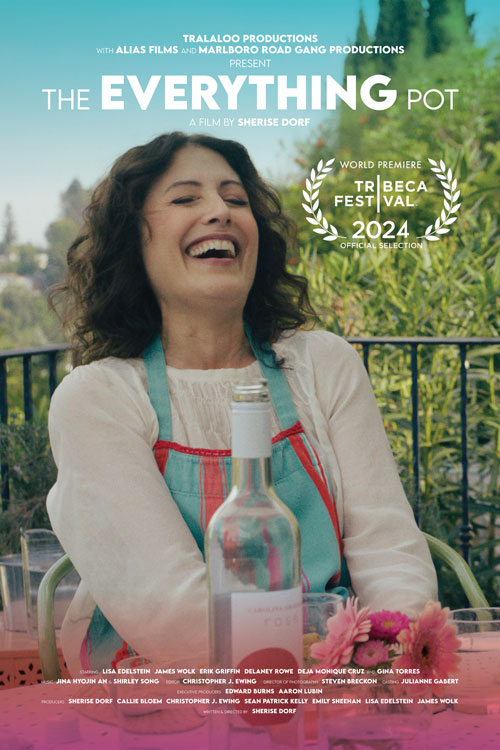
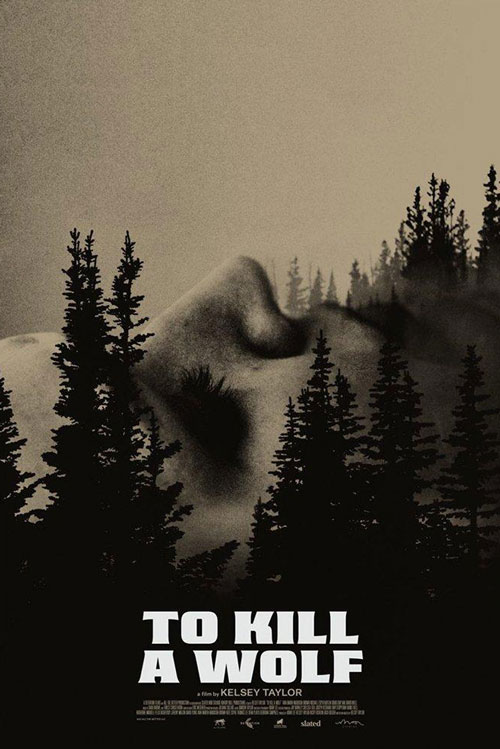
The Theaters
- SIFF Film Center (Seattle, WA)
- cinéSPEAK (Philadelphia, PA)
- The Downer (Milwaukee, WI)
- The Independent Picture House (Charlotte, NC)
- Sidewalk Film Center (Birmingham, AL)
- State Theatre (Traverse City, MI)
- Vidiots (Los Angeles, CA)
- Roxie (San Francisco, CA)
- FilmScene (Iowa City, IA)
- Nightlight Cinema (Akron, OH)
Special Thanks: Archana Jain, Barbara Twist, Charity Hicks, Charlotte Simmons, Chris Hiti, David Averbach, Emily Christensen, Eric Moore, Fire on the Bluff, Gabrielle Wray, Garrett Sargent, Iddo Patt, Isis Masoud, Jeffrey Winter, Karl Ziegler, Kim Kauffman, Kylie Brown, Lynnette Gryseels, Maida Lynn, Marco Paolieri, Monika Sharma, Nina Winter, Onni Creative, Orly Ravid, Rich O’Brien, Robin Rose Singer, Ted Hope, Tejaswi Bhavaraju, Todd Looby, Trent Nakamura, Victoria Ash and to all the filmmakers, programmers, exhibitors and audiences who helped bring the Series to life.
Kathy Susca December 31st, 2025
Posted In: case studies, Community partnership, Distribution, DIY, Documentaries, Film Festivals, Publicity, Social Network Marketing, Theatrical, Trailers
TFC’s Distribution Days is upon us!
by David Averbach, Liz Manashil, and Orly Ravid
Next week, The Film Collaborative is holding a free virtual distribution conference, Distribution Days, which will offer concrete takeaways on the state of indie distribution and how filmmakers can navigate it. Attendees will hear from exhibitors, distributors, consultants, and filmmakers, some with case studies, as they describe and reflect on the landscape.
This conference hopes to help filmmakers develop critical thinking skills around distribution by looking at what is and what is not viable within a traditional distribution framework. It will also offer some alternative approaches. Willful blindness or a doomsday mindset are equally unproductive.
So, we are offering this pre-conference primer to set the tone, take stock of what myths are out there, and talk about what thought leaders in this space are coming up with as ways to deal with the current landscape.
Here we go!
Remember the days when creators and distributors were lying back in their easy chairs, proclaiming their satisfaction with how independent cinema has been evaluated by the marketplace? Yeah, we don’t either…and we’ve been in the industry (in the U.S.) for more than two decades. Nevertheless, there is a pervading sense that the state of independent film has never been worse—and that we’ve been going downhill from this mythic “better place” ever since Sundance was founded in 1978.
Why do we insist on bemoaning a Paradise Lost when the truth is that being a filmmaker has never been a paradise? Filmmakers have always been confronted with predatory distributors, dense and confusing contract language, onerous term lengths, noncollaborative partners, lack of transparency, and anemic support, if any (just to name a few). For an industry that prides itself on creating and shaping stories that speak to diverse audiences, we should be better at articulating truer narratives about our field.
It doesn’t help that, at Sundance this past year, all one could talk about was how streamers were “less interested in independent film than a few years ago, preferring [instead] to fund movie production internally or lean on movies that they’ve licensed” and how Sundance itself was “financially struggling, presenting fewer films than in previous years and using fewer venues.” (https://www.thewrap.com/sundance-indie-film-struggles-working-business-model) Still others like Megan Gilbride and Rebecca Green in their Dear Producer blog have put forth ideas how Sundance should be reinvented completely.
But we all know that independent film isn’t just about Sundance. We have heard a lot of discussion recently about the need to reshape the narratives we tell ourselves regarding the state of the independent film industry.
Distribution Advocates, which is also doing great work chasing the myths vs. the realities of the field, also believes that we must all question “some of our deepest-held beliefs about how independent films get made and released, and who profits from them.”
In their podcast episode about Exhibition, economist Matt Stoller remarked how “weird” it is that even with all the technology we possess connect audiences, we’re still so “atomized” that all that rises to the top is whatever appears in the algorithm Netflix chooses for us in the first few lines of key art when we log in (and we will note that even the version of the key art you see is itself based on an algorithm).
But is it really all that strange? One of the main reasons that myths exist is that someone is profiting from perpetuating them. The same with networks and platforms and algorithms. And the more layers of middlemen and gatekeepers there are, the harder it is for us to see the forest for the trees. Keeping us in our algorithmically determined silos numbs us into not minding (actually preferring) that we are watching things—or bingeing things—from the safety and comfort of our living rooms. The ability to discover on our own content that aligns with our true interests or consuming content in a communal space has disappeared the same way that the act of handwriting has…we used to be able to do it but haven’t done it in so long that it feels unnatural and too time-consuming to deal with.
Brian Newman / Sub-Genre Media acknowledges that the problems remain real, but that what everyone is calling crisis levels seems to him merely a return to norms that were in place before the bubble burst. No one, he says, is coming to rescue “independent film”—certainly not the streaming platforms, which merely used it as necessary to build a consumer base.
Many have posited myriad ideas about how to bypass the gatekeepers. Newman echoed what TFC has been recently discussion internally: that instead of many competing ideas, we need them to be merged into one bigger idea/solution. Like, for example, an overarching solution layer run by a nonprofit on top of each public exhibition avenue that will aggregate data and help filmmakers connect audiences to their content. A similar idea was also discussed at the last meeting of the Filmmaker Distribution Collective in the context of getting audiences into theaters.
By exclaiming that “No one is coming to the rescue,” Brian really means that we are all in this together, and that it’s going to take a village.
We agree, but a finer point needs to be made.
Every choice we make moving forward—whether you are a filmmaker, distributor, theater owner, or festival programmer, what have you—could possibly be distilled into either a decision for the independent filmmaking public good…or for one’s own professional interest. Saying that a non-profit should come in and offer a solution layer to aggregate data is all well and good until it threatens to put out of business someone whose livelihood is based on acquiring and trafficking in that data. How refreshing was it to be reminded at Getting Real by Mads K. Mikkelsen of CPH:DOX that his festival has no World Premiere requirements? It reminds us of the horrible posturing and gatekeeping film festivals do in the name of remaining relevant and innovative. For us to truly grow out of the predicament we are in, some of us are going to have to voluntarily release some of the controls to which we are so tightly clutching.
Keri Putnam & Barbara Twist have an excellent presentation on the progress of a dataset they are putting together of who is watching documentaries from 2017 – 2022. They provide some other data that was very sobering:
Film festivals: comparing 2019 numbers to 2023 – there was a 40% drop in attendance;
Theatrical: most docs are not released in theaters and attendance is down even for those that are released.
But they also note that there is really great work being done in the non-theatrical space— community centers, museums, libraries – that is not tracked by data. TFC’s Distribution Days offers two sessions on event theatrical and impact distribution, so we’ll be able to see a tiny bit of that data during the conference.
We also know that the educational market is still healthy, and that so many have remarked of the importance of getting young people interested in film…so we have three sessions where we hear from the Acquisitions Directors of 11 different educational distributors.
We also have a panel from folks in the EU who will provide advice on the landscape and how best to exploit films internationally and carve our rights and territories per partner. And we’ll speak to all-rights distributors about what kinds of films they see doing well, what they are doing to support filmmakers—and what their value proposition is in this marketplace.
We have a great panel on accessibility, and two others that relate to festivals and legal agreements.
Starting off with a keynote from noted distribution consultant and impact strategist Mia Bruno, the 2-day conference aims to summarize the state of the industry while providing thought provoking conversations to inspire disruption, facilitate effective collaboration, and to aid broken hearts.
Regardless of whether current days are better or worse than the heydays of Sundance and the independent film of yesteryear, Distribution Days will identify the current obstacles of the independent film distribution landscape, and what we can hold on to—as a commonality—to evolve the landscape together in the future.
If you look a little deeper, you will see that, despite all the challenges, filmmakers have and can still achieve “success” when they understand the terrain, (sometimes) work with multiple partners with a bifurcated strategy, protect themselves contractually, and maintain and grow their own personal audience.
We hope you will join us. And for those of you that cannot make all of the sessions we are offering live on May 2 & 3, you’ll be able to catch up on what you missed via The Film Collaborative website after the conference is over.
We look forward to seeing you next week! And if you have not registered yet, you can do so for free at this link.
David Averbach April 25th, 2024
Posted In: case studies, Digital Distribution, Distribution, Distribution Platforms, DIY, Documentaries, education, Film Festivals, International Sales, Legal, Marketing, Theatrical
Launching a Theatrical on Demand Campaign: An Unvarnished Look at the Promise and Reality (Hint: Read to the end)
Dan Habib, director/producer of INTELLIGENT LIVES, is the creator of the nationally broadcast documentaries Including Samuel, Who Cares About Kelsey?, Mr. Connolly Has ALS, and many other films. His films have been broadcast internationally, nominated for Emmy awards, and translated into 17 languages. Habib was appointed by President Obama to serve on the President’s Committee for People with Intellectual Disabilities from 2014-2017.

Let’s be honest. Most documentary filmmakers dream of having our films projected on big, beautiful theatrical screens across the country, with gorgeous 5:1 audio and packed houses, sharing the experience as one.
But only a very small fraction of the thousands (tens of thousands?) of documentaries produced each year receive a national theatrical run. As I wrote in a blog last year, my last two feature-length documentaries were self-distributed and had solid film festival runs, extensive college/conference tours, financially successful educational and individual sales, and were broadcast on public television and internationally.
I never seriously pursued a theatrical run for those films because a) traditional theatrical distribution seemed highly unlikely, b) getting the film into theaters without a distributor seemed daunting and expensive, and c) there were several alternative distribution options to achieve our goals for positive social change.
For my new documentary INTELLIGENT LIVES, we took the plunge: we added a limited theatrical distribution plan onto our established hybrid release strategy as a way to:
- Dip our toes into theatrical release
- Reach new audiences and expand our “Opening Doors” social impact campaign
- Expand the national buzz for the film
- Make the film more attractive to distributors and broadcasters
- Give people around the country a fairly simple mechanism for hosting screenings and discussions of the film, and;
- Maybe even bring in some revenue (more on that later).
We decided to simultaneously release and self-distribute (for now) a robust INTELLIGENT LIVES Education Kit (containing the film, five short companion films, and extensive educational materials) concurrent with the event theatrical campaign—a decision that has paid off, as you’ll see below.
Building an outreach and distribution team.
I worked with a wonderful national outreach strategist, Lisa Smithline of Cultural Front Productions, who had worked successfully with Tugg and Gathr, two of the major “Event Theatrical” (Tugg’s language) or “Theatrical on Demand®” (or TOD, Gathr’s language) companies on other projects. Lisa and I also worked with consultant Jon Reiss of Hybrid Cinema, who has extensive experience in event theatrical. Jon helped us make many crucial early decisions about our overall distribution strategy. We also received key early input from Jeffrey Winter and Orly Ravid at TFC when we came on board as a TFC “Conspirator.”

We spent months researching our options and went with Gathr largely because of their filmmaker focus and support. The model for TOD is similar to other event theatrical platforms: a person or group of people need to step up and host a screening in their community (Gathr calls them “Captains”) and then they need to do the grassroots work to make sure enough people reserve tickets in advance in order to ‘tip’ or ‘greenlight’ the screening. That ticket number can range from a few dozen to close to a hundred, depending on the minimum cost charged by each theater. There are other costs that are factored in before a screening tips, including the DCP rental and delivery cost, and virtual print fee (VPF).
We are now three months into our Gathr TOD campaign, and the film has screened in 60 theatres across the country to date (which includes 16 theatrical screenings as part of a traditional run in a Pacific NW chain), with dozens of other communities holding screenings using our Education Kit. Here’s what we’ve learned so far.
For successful TOD, as for any hybrid distribution strategy, you have to create buzz, credibility, and take financial risks.
Like nearly every other filmmaker, we spent lots of time and money pursuing film festival acceptances, with mixed results. Although we weren’t accepted by the “game-changing” festivals like Sundance or Tribeca, we were given primo slots in 20+ fantastic festivals including Ashland IFF, IFF Boston, Bentonville, & Cleveland IFF. Our film stars and our Executive Producers (Chris Cooper, Marianne Leone Cooper, and Amy Brenneman) traveled to many festivals and special events with us. These fests helped us create strong social media buzz, generated news stories and local reviews, and gave us a credible collection of laurels for our website, poster, etc.

Our publicist, Emma Griffiths, counseled us to take a financial risk and 4-wall a NYC theatrical week, assuring us it was the only way to get national reviews. It’s not cheap (10K and up) and we never expected to recoup our costs. But we were able to line up two underwriters who cut our costs in half. We’ve heard that the NY Times declines to review about half the films that open theatrically in NYC, and we fell into that shunned half. But we received a wonderful review in Hollywood Reporter, and more reviews and articles in Salon and a dozen or so other trade publications. Our Rotten Tomatoes score holds steady at 88% Fresh from critics and 100% Fresh from the audience.
Just before our NYC run, we released our trailer on Facebook and it went viral (at least by our measures), with 300K+ views and 5,700+ shares to date. We brought on social media consultant Sheri Candler who helped us create and execute a serious but affordable strategy for paid and organic social media.
You need to reach A LOT of people for a successful TOD campaign: Develop a network of outreach partner organizations.
All of my film work touches on disability rights and inclusion, and over the past 10 years we’ve been building alliances with national partner organizations that have overlapping interests. We strengthen and refine that network with each film, and we are partnering with more than 30 Outreach Partners for INTELLIGENT LIVES. More than a year before our launch, we held a daylong national strategy summit in Washington, DC with the leaders of these organizations, and during part of the summit we briefed them on the concept of a TOD campaign. Discussions at the Summit led to the name and content of our “Opening Doors” impact campaign. We had commitments from these organizations to regularly share updates about our project with their network – expanding our reach to millions of people, without paid advertising. Many of our TOD “Captains” found out about the film through these networks.

Make it easy and fun to host a screening.
If you assume that people will start hosting screenings just because your film is listed on the Gathr/Tugg website, THINK AGAIN! You need to recruit, support, and nurture screening Captains each step of the way.
As a team, we spent about 80 hours writing and designing our Host a Screening PDF Toolkit and a wide array of related images and resources. Lisa Smithline, Sheri Candler, and Gathr staff helped us determine what assets needed to be created, and shared examples from other films with us. Probably the most important team members on this front are our freelance designers, who created the PDFs and images we share with all TOD hosts through this Dropbox folder.
We created a 2-minute host-a-screening video that emphasizes the impact of live screening events, and briefly walks them through the hosting process.
Gathr also launches a Screening Captains Facebook Group for each film. Lisa has been actively engaging the Screening Captains every step of the way. She is continually answering questions, pointing people to resources, and having one-on-one conversations with Captains by email, messaging, and phone. Lisa spends an average of 20 hours a week on communication with Captains, which often includes moral support and cheerleading. The Gathr team also monitors the FB group and weighs in as needed. Don’t underestimate how much guidance your Captains will need to successfully host a screening, as this process is likely to be new to all of them, and it can at times be confusing.

Find theme months or other organizing strategies to build enthusiasm.
We set up our campaign so Captains could start hosting TOD screenings on October 1, 2018 – the start of Disability Employment Awareness Month. Our Outreach Partners heavily promoted the film beginning in mid-August (it’s best if Captains have a minimum of 3-4 weeks to tip a screening), and we also created a Facebook ad campaign, targeting people that have either visited our website and/or expressed an interest in disability rights and special education. These efforts seem to have worked – dozens of theatrical screenings occurred in October. Some other distributors, like Richard Abromowitz, have opted for a much more narrow time frame, engineering successful one-day screenings of films.
Make in-person pitches at every event and festival.
My fulltime job at the Institute on Disability at the University of New Hampshire (a 501c3 non-profit) is to make documentary films, as well as travel and show/discuss the films at national and regional conferences, universities, and school districts. The screening/speaking fees we charge make up a significant portion of my project’s annual budget. During the Q&A after these screening events and festivals, I always try to tell – and if possible, show – the audience how to host a screening of the film, pointing them to the Host a Screening page on our website. I explain how easy it is to host a TOD screening in just a few clicks – and emphasize that there is NO financial risk for them, but they do need to rally their community to reserve tickets. I also tell them how to host a non-theatrical screening using our Education Kit.
“Tipping” will make the screening happen, but selling out will make you money.
One of the misconceptions we had for our TOD campaign was that if a screening ‘tipped’ (i.e. enough tickets were reserved to greenlight the screening), we would make money. Not so fast…tipping just means that enough tickets were reserved to cover expenses.
As of this writing, we’ve had 46 TOD screenings around the U.S., with an average audience of 82 people per screening. Not bad turnout numbers, right? But most of those ticket sales went to cover the base expenses, so our average net income is $150 per screening. When screenings barely tip, our net profit may be $20-30, or in some cases even result in a small loss (after Gathr takes their cut of every screening that ‘tips’). Gathr will tell you that selling out screenings is how you can make real money through TOD. That’s true! One sold out screening netted us about $1,000. But from my point of view, it’s just not very easy for Captains to sell out their screening, and many take an understandable breather once they’ve ‘tipped.’ We are working on more incentives (beyond cheerleading and peer pressure) to get them to keep pushing until they sell out.
So overall, we are not making a ton of money through TOD, but we are not losing money either. And most importantly, we are getting the film seen by more people, while also collecting names and email addresses through the Gathr platform and expanding our film’s reach into new communities all over the country. And film Captains are usually flying high after their screening, excited to share photos and anecdotes from the discussion. Many expressed interest in purchasing our Education Kit and continuing to promote the film in their communities.
The numbers.
So, what’s the upshot? I’ll give you some real numbers and you can be the judge.
$6,900:Net income from Gathr screenings from October 1, 2018-December 31, 2018. The estimated box office gross for that time frame was $44,000, and the major expense by far is the costs charged by the theatres. Note that this does not take into account the up-front costs like the master DCP creation, the cost associated with the design of our Host a Screening materials (about $1,000), or the cost of our outreach consultants. Keep in mind that many of these expenses will be incurred in any sort of hybrid release strategy.
$36,800: Net income from Education Kit sales from September 1, 2018-November 30, 2018 (which represents an average of $16,000/month in gross sales through our Institute on Disability Bookstore). These kits are being used to host dozens of screenings in non-theatrical settings like schools, universities, community centers, places of worship, etc. Education Kits from my previous films have been used for thousands of screenings across the U.S. and internationally.
$160,000: Our project’s income for my speaking/screening events around the country tied to INTELLIGENT LIVES during our current fiscal year (July 1, 2018-June 30, 2019). At almost all of these events, I also sell the film’s Education Kit, as well as related products, and in many cases, I also can reach attendees with follow-up communications.
1,514: The number of names and emails we’ve accumulated to date (via the Gathr ticket sales platform) from the people who have attended TOD screenings, bringing our e-blast list to more than 22,000 people.
So, you might be thinking, would I do this again? The answer is…probably. Our TOD run has strengthened our position for expanded distribution. Our plans include:
- Transactional VOD and an individual DVD
- National broadcast (we are close to firming up a deal) with limited streaming rights
- Partnering with an educational distributor to reach additional markets, like public and university libraries
- Language translations and international distribution and sales.
But next time, I’d do some things differently:
- Produce a promotional ‘Host a Screening’ video before we go live with TOD (see this strong example from filmmaker Laurel Chiten of JUST ONE DROP).
- Make it clearer to prospective Captains that there is a mechanism for Gathr screenings to also serve as fundraisers for a local organization.
- Create strong incentives to sell out the house as soon as a Captain initiates a screening.
- Explore corporate sponsorship to subsidize some of the tickets for each show to lower the tipping point and enable more low-income people to attend.
Please don’t hesitate to reach out to me if you have follow-up questions!
admin January 14th, 2019
Posted In: case studies, Distribution, DIY, Marketing, Theatrical
Tags: DIY, Gathr, independent film, social media, The Film Collaborative, Theatrical, Tugg
SXSW Case Study Discussion – The Light of the Moon

If you missed our SXSW Case Study Discussion on The Light of the Moon, or if you just want a copy of the accompanying PowerPoint deck, you can download it here.
Case study discussion of the distribution of SXSW Winner The Light of the Moon diving into topics including: the platform theatrical release, educational, festivals and hybrid theatrical distribution, collaborative nature of the release involving key vendors, the filmmakers, grassroots partnerships, corporate sponsorships, use of social media, publicity firms on both coasts and representing lead actress Stephanie Beatriz, release timing analysis, and socio-cultural impact objective, all while coordinating TVOD and international licensing alongside utilizing the Amazon Festival Stars AVD offering and reconciling when to go direct-to-platform vs. license to buyers.
Participants: Michelle Mower, Imagination Worldwide (Distributor • International Sales Agent), Orly Ravid, The Film Collaborative/MSK (Festival/Theatrical Distribution), Michael Cuomo, Gran Fallon (Producer of The Light of the Moon), and Myriam Schroeter, Stedfast Productions (Co-Producer of The Light of the Moon)
Orly Ravid March 14th, 2018
Posted In: Amazon VOD & CreateSpace, case studies, Digital Distribution, Distribution, Distribution Platforms, DIY, education, Film Festivals, iTunes, Key Art, Marketing, Publicity, Social Network Marketing, Theatrical, Vimeo
Best Advice For Marketing an Independent Video Project
Last month, TFC invited a select group of Los Angeles-based filmmakers to share their knowledge and specific details about how they marketed and distributed their independent films. We learned a lot and we thank those who took part that day. Now, we want to open up this opportunity to all creators, whether you make features, short films, or web series, so that we all may learn from each other in an anonymous, but factual way.
We know, many other entities have tried to compile statistics and details and have invited independent creators to contribute, but we think a lot of that information has been less than forthcoming or distributed within only a small subsection of creators who participate in closed labs or mentoring sessions. We propose to do something different.

For the next month, we are asking any creator who has actually participated in the marketing and distribution of their project (this is a requirement) to come forward and fill out this 10 question survey in detail. No questions will be asked about the identity of the creator or of the project which should allow participants to be completely honest about their efforts and results. The results will be compiled into a whitepaper of best practices and charts showing budget levels and revenue levels that will benefit the creators operating in this turbulent and confusing period of plenty of consumer choice, but creator uncertainty about the financial viability of their work. The whitepaper will be published online, for all to download for free.
We sincerely hope you will agree to help us, all of us, by participating. Our aim is to have the whitepaper ready for distribution by the beginning of the new year. TFC mailing list members will be notified first, so if you want a first look, please join that list here. Everyone will have access via this blog once the document is published.
We’re really excited to learn what creators are doing and we know you will find their insight invaluable. Thanks for participating!
Sheri Candler September 11th, 2017
Posted In: case studies, Distribution, Marketing
Tags: film budget, film distribution, film marketing, film revenue, survey, The Film Collaborative
How viable is DIY Digital Distribution? The Case Study of Tab Hunter Confidential
David Averbach is Creative Director and Director of Digital Distribution Initiatives at The Film Collaborative.
When distributing your film, a lot of time is spent waiting for answers. Validation can come only intermittently, and the constant string of “no”s is an anxiety-ridden game of process of elimination. Which doors open for your film and which doors remain closed determines the trajectory of its distribution, whether it’s festival, theatrical, digital, education or home video (until that’s dead for good).
I work with filmmakers, way down-wind of this long and drawn-out process, who, after exhausting all other possibilities, have “chosen” DIY digital distribution as a last resort.
TFC’s DIY digital distribution program has helped almost 50 filmmakers go through the process of releasing their film digitally over the past 5 years and with most of them, I have often felt as though I were giving a pep-talk to the kid who got picked last for the dodgeball team. “Hang in there, just stick to it…you’ll show them all.”
Is DIY Digital Distribution anything more than a last resort? Perhaps not…
DIY vs. DOA
Since TFC was formed over six and a half years ago, we have optimistically used “DIY” as a term of empowerment, where access and transparency had finally reached a point where one could act as one’s own distributor. After all, we tell these (literally) poor, exhausted filmmakers, “no one knows your film better than you do”, so “no one can do a better job of marketing it.” With a little gumption, a few newsletters and handful of paid Facebook posts, you, too, might prove all the haters wrong and net even more earnings than Johnny next door who sold his film to what he thought was a reputable distributor but never saw a dime past the MG (minimum guarantee) in his distribution agreement. We even wrote two case study books about it.
It’s not that I’m being untruthful with these filmmakers. Nor is it the case that these films are necessarily of poor quality. What they have in common is a lack of visibility. Most had some sort of festival run, and only a handful were released theatrically, usually with one- or two-day engagements in a handful of cities. Occasionally, we’ll get a film that has four-walled in New York or Los Angeles for a week. Or sometimes ones that have played on local PBS affiliates or even on Showtime. But their films are not even close to being household brand names. So without the exposure or the marketing budget, they can do little more than to deliver their film to TVOD platforms like iTunes and hope for the best.
So what happens to these films? The news, as a whole, is not good. Based on what I’ve seen from these films in the aggregate, and all things being equal, if you DIY/dump your film onto only iTunes/Amazon/GooglePlay with moderate festival distribution but no real money left for marketing, you will be lucky to net more than $10K on TVOD platforms in your film’s digital life.
And the poorer the filmmaking quality of your film, or the less recognizable the cast, or the less “niche” your film is, the more likely it will be that you won’t even earn much more revenue than what is required to pay off the encoding and delivery fees to get your film onto these platforms in the first place (which is around $2-3K).
Which is why, as of late, I’ve been aggressively suggesting to filmmakers that holding off on high profile TVOD platforms and instead trying to drive traffic to their websites and offering sales and rentals of their film via Vimeo On Demand or VHX, two much cheaper options, might be a better use of their limited remaining funds.
But am I down on DIY? Not necessarily.
Risky Business
Granted, there are a lot of films out there for which The Film Collaborative can do very little for in the area of digital distribution other than hold filmmakers’ hands. But what about for films working at the “next level up” from last-resort-DIY? Films who have either gotten a no-MG or modest-MG distribution offer?
Many distributors and aggregators working at this level will informally promise some sort of marketing, but many times those marketing efforts are not specifically listed contractually in the agreement. So when filmmakers ask me whether going with a no-MG aggregator is better than doing DIY, this is my answer…
It’s important to remember that, once a film is on iTunes, no one will care how it got there. And by this I mean with no featured placement, just getting it on to the platform. So, if that’s all a distributor/aggregator is doing, this is not the kind of deal that a filmmaker can dump into someone else’s hands and move on to their next project. In fact, many aggregators will send you a welcome packet with tips and suggestions on how to market your film on social media, such as Facebook. In other words, they are literally expecting you to do your own marketing. Not just do but pay for. So, it is entirely possible that all that an aggregator or distributor is doing is fronting your encoding costs, which they will later recoup from your gross earnings, but only after they take their cut off the top. And if your distributor is offering you a modest MG, you must be prepared for the possibility that that MG may be all the earnings you are ever going to see. Certainly, we have seen many, many filmmakers in this position.
So the question remains: Is DIY still too risky for all but films that have run out of options?
It’s a hard question to answer, mostly because there is no ONE answer. Undoubtedly, some films will be helped with such an arrangement and some films will not.
A View from the Other Side…
Distributors, of course, will stick to the sunny side of the street. They will tell you that DIY is too risky for the vast majority of films, and remind you that distribution is more than getting a film on to one or two platforms.
When I asked Gravitas Ventures founder Nolan Gallagher, a veteran in distribution and whose co-execs have a combined 50+ years in distribution experience, about his feelings regarding DIY, he was quick to point out that the main difference between a proven distributor and DIY is that while much of the work in DIY happens in year 1, distributors can help in year 3 or year 5 or beyond. He believes that DIY individual filmmakers will be shut out from new revenue opportunities (i.e. the VOD platforms of the future) that will be launched by major media companies or venture capital backed entrepreneurs in the years to come because these platforms will turn to established companies with hundreds or thousands of titles on offer.
This is a fair point, in theory, but I honestly cannot recall a single instance of one of our filmmakers from 2010-2013 jumping for joy over that fact that his or her distributor had suddenly found a meaningful new VOD opportunity in years 3-5, nor have we heard of any specific efforts or successes down the line. But it’s good to know one can expect this if signing with a distributor.
He also mentioned that many of Gravitas’ documentarians receive multiple 5 figures in annual revenue over 5 years after a film first debuted.
That’s nice for those filmmakers…But what about the ones that don’t? It would be ludicrous to suggest that any decent film, with the proper marketing and industry connections, can become a respectable grosser on iTunes.
By no means am I singling out Gravitas in order to pick on them in any way. For many films, clearly they do a terrific job.
But does that mean that there aren’t a handful of filmmakers that have gone through aggregators like Gravitas or other smaller distributors that many TFC films have worked with, such as The Orchard, A24, Oscilloscope, Virgil, Wolfe, Freestyle Digital Media, Breaking Glass Pictures, Amplify, Wolfe, Zeitgeist Films, Dark Sky Films, Tribeca Films, Sundance Selects, who are not entirely convinced that they were well served by their distributor? Of course not.
The Million Dollar Question…
The question I really wanted to know was more of a hypothetical one than one that assigns blame: if these so-called “borderline films” that went through aggregators/distributors had done DIY instead, how close could they have come netting the same amount of earnings in the end? Is it possible that they could have gotten more?
This is a hard question—or, should I say, a nearly impossible question—to answer, because no one has a crystal ball. But also because of the continued lack of transparency surrounding digital earnings, despite initiatives like Sundance Institute’s The Transparency Project, and because the landscape is continually evolving.
A recent article in Filmmaker Magazine, entitled “The Digital Lowdown,” discusses how independent filmmakers struggle to survive in an overcrowded digital marketplace and “admits” that niche-less festival films will only gross in the range of $100K-$200K, and that, in fact, talks about a “six-figure goal.” But in almost the same breath, there is a caveat. Sundance Artist Services warns that “…if a filmmaker spends about $100,000 in P&A to finance a theatrical run, they’re probably going to be making that much from digital sources.”
I have heard many stories of distributors and filmmakers alike, who put “X” dollars combined into P&A for both theatrical and digital only to make a similar amount back in the end. So what’s the point? If you look at distribution from the perspective of paying back investors, are a good portion of filmmakers netting close to nothing, no matter whether they do DIY or whether they gear up for a theatrical and digital distribution via a distributor? If a film does not succeed monetarily, is the consolation prize merely visibility and exposure? (Which is not nothing, but it’s not $$ either).
Sweet/Talk
A few months ago, my colleague Bryan Glick posted a terrific piece on our blog that questioned the ROI of an Oscar®-qualifying run, given the unlikelihood of being shortlisted. Bryan implies that because filmmakers like hearing “yes,” and like having their egos stroked, when publicists, publications, screening series, cinemas, and private venues all lure filmmakers with a possibility of an Oscar®, something takes over and they lose perspective at the very moment they need it most.
Could the same be true for a distribution strategy? Are filmmakers so happy to be offered a distribution deal at all that they are unable to walk away from that distribution deal, even if they suspect that it undervalues their film? And could a viable DIY option change that?
Evaluating Success with DIY
Last fall, I began to think about what a “successful” DIY digital release could look like. On the low end, we’ve heard about a magical $10K figure that I discussed above…in the context of MGs paid to Toronto official selections via Vimeo on Demand, and Netflix offers to Sundance films via Sundance Artists Services. So it would have to be at least greater than $10K. And on the high end, it would have to be at least $100K that the filmmaker gets to net over a 10-year period.
Working backwards, how can this be achieved and is it possible to recreate that strategy via DIY?
One thing that gave me hope was when my colleague Orly Ravid, acting as sales agent, negotiated a licensing low-six-figure deal with Netflix for the film Game Face, about LGBTQ athletes coming out. The film won numerous audience awards at film festivals, but had no theatrical release. Timing, as well as the sports and LGBT niche, made this film perfect for a DIY release. The only catch was the Netflix insisted on a simultaneous SVOD & TVOD window, so Netflix and iTunes releases started within one day of each other. TFC serviced the deal through our flat-fee program via Premiere Digital Services.
Lessons Learned from the DIY Release of Tab Hunter Confidential
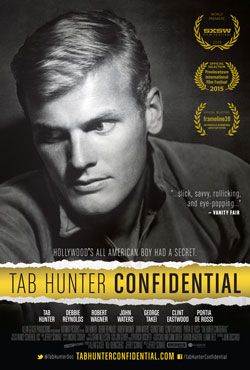 This past Spring, TFC spearheaded the digital release of Tab Hunter Confidential, a film for which we also handled festival and theatrical distribution, as well as sales. Truth be told, this film almost went through a distributor. In the end, however, after a protracted period of negotiation, an offer was made, but knowing how much Netflix was willing to offer, Orly advised the filmmaker to walk away from the deal and try our hand at a DIY release. The filmmaker agreed, and we serviced the Netflix deal via Premiere. However, as Netflix wanted the film for June, which is Gay Pride Month, we had a limited amount of time in which to do iTunes, and I was determined to make the most of it.
So what were the goals? And how could we get there?
I had been trolling both the “Independent” and “Documentary” sections on iTunes for months in preparation for what has now become this article on DIY. I had been noticing that while it is easy to get a film into the “New & Noteworthy” section in “Documentaries,” which contains at hundreds of films, the similar section in “Independent” is limited to about 32. So how could one get there? And how could one’s film be featured in the top carousel in “Independent” or in any of the genre categories? Would it help to offer iTunes exclusivity? Would it help to do iTunes Extras? Could we contact Apple and try and schedule something? What else could be done? These are the questions that I set out figure out on my own, or to ask our aggregator, Premiere Digital Services.
How can I get my film to be one of the 30+ films in the “Independent” Section of iTunes? This section is populated at Apple’s discretion. Their iTunes division is based in L.A., not Silicon Valley, and they attend film festivals and are very up-to-date on the indie film landscape. It’s clear, however, that while they do speak with distributors and aggregators about what’s coming down the pipeline, most of the decisions about what is to receive placement in this section occur within a week or two of the release date in question, and are decided ultimately by iTunes. I informed Premiere Digital that we were very interested in being placed in Independent, and they told me that they have weekly calls with iTunes and that—closer to the date of release—they would mention the film to them. In the end—spoiler alert—we did manage to get Tab into this section. But there were no back room deals to get that to happen…so I can hereby confirm that it is possible to be featured on the iTunes store based solely on your film and the specifics of its release.
Rotten Tomatoes Score: Out of approximately 100 films that appeared from late November 2015 to early February 2016 (which I kept track of manually, so the following is not completely scientific), about 50 of those had a “fresh” rotten tomatoes score. About 40 of those 50 had RT scores over 80%, and many of those were Certified as Fresh. Of the remaining 50 films, about 20 had “rotten” RT scores, and about 30 had no score at all. Luckily, Tab Hunter Confidential has an RT score of 87%, so I knew I was safe from that perspective. But while I was investigating, I was particularly interested in those films without a score. I noticed that many of them had star power attached, and a few of them were holiday-themed. A few of them were Lionsgate titles. And a few sports-related and horror titles, which always seem to rise to the top. I glanced at the Independent section for this week (third week in August), and these numbers pretty much bear out, save the holiday ones. The takeaway here was that if your film did not have a theatrical (and therefore perhaps does not have a RT score), if it doesn’t have famous people in it, it’s not about sports or is not in the horror genre, your chances of appearing in this section as a DIY film going through an aggregator seem pretty slim.
Check in, check out dates. As many of you know, films always end up in one of Apple’s genre sections. They stay there a few weeks or even a few months until they are bumped out of that category by newer items. But those sections are very glutted. The “Independent” section is a second placement, one that is curated by Apple, of only three rows of films. One thing that I became acutely aware of was the high turnaround in this section. Films seemed to be refreshed twice a week: once on Tuesdays (release day), and then again on Fridays. This was more or less consistent, although I got the feeling that on a few occasions things were a bit early or a bit late.
At any rate, it was very clear that if films were not pulling their weight, they would be booted from the “Independent” section for something else. At least 1/3 of the films were gone after only a few days. After all, Apple is in the business of making money off these films too. What occurred to me is that if filmmakers are doing distribution deals to get placement, and their films only last 3 days in the “Independent” section, and that measly placement is what amounts to the big perk/payoff of going through a distributor, it’s a pretty sad day for either the filmmaker, the distributor, or both.
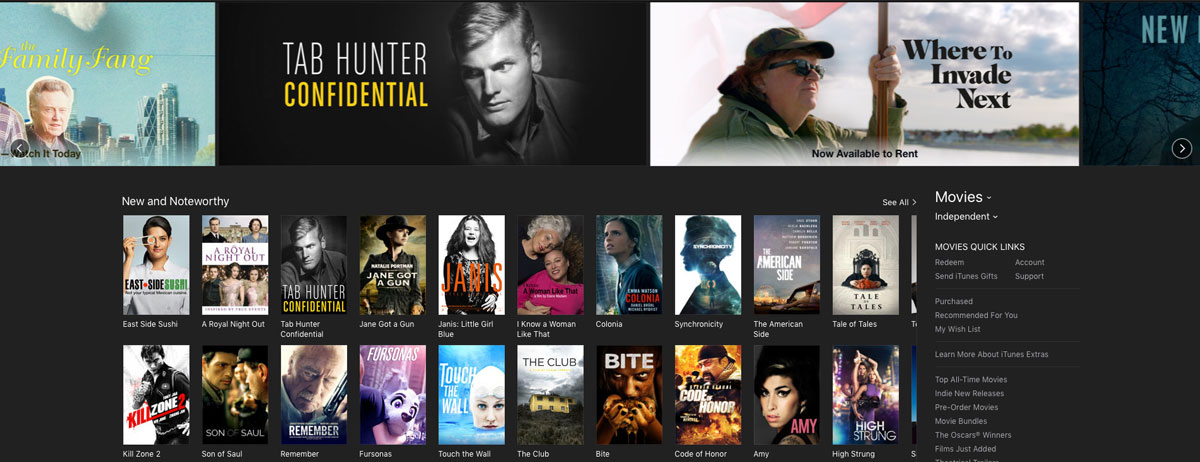
How can I get my film featured in the top carousel? It turned out to be the same answer as for the Independent section in general, but I can admit it now…I was a pest: I asked multiple people at Premiere this question. I was told over and over that Apple will make a request for layered artwork if they are interested in featuring the film. Two weeks before the release date I had not heard anything. But less than a week before, Premiere received the request for artwork from Apple. We ended up being featured in both the “Independent” and “Documentary” sections.
Why did they pick us? I am not completely sure, but here are my guesses: We had a great film festival run. The film was based on a bestselling book. We had a high RT score; we did a 40+ city theatrical; we had a lot of press, and we had a publicist; the film was apparently not doing terribly in the iTunes Pre-Order section, Tab Hunter did many interviews when the theatrical came out; Tab Hunter is freaking Tab Hunter; the film spans both LGBT genres and the genre of women of a certain age who came of age in the 1950s and still remember Tab’s poster on their bedroom walls; the artwork was classy; it was almost June; we gave them an exclusive (although I don’t think they ever advertised it as such); we did an international release on iTunes (we were told that Apple likes films to have more than one territory to be featured, which is kind of strange, because it wasn’t featured in any other iTunes store, like Canada or UK); and lastly, we did some iTunes custom artwork and iTunes Extras.
Walking the walk. Speaking of customization, one thing that I noticed about every film in the “Independent” section was that most detail pages contained customized promotion background artwork. Apple likes this. It gives the film branding, credibility. Apple has two different kinds of background art one for the iTunes store and one for AppleTV. We opted to do just the iTunes store art, which is an extra $75 conformance fee at Premiere. We also did iTunes Extras basic package, for about $700 extra, which offers a chance to include bonus features, such as outtakes and other exclusive video. Since we were planning on including bonus interviews on our DVD, we included that file, as well as 10 minutes of interviews for which iTunes is the only place that they are available. I’m not sure if Extras helped the featured placement, since we were literally down to the wire on having them appear on the store in time for the release. (At the last minute, we needed a looping background audio for iTunes, which we didn’t realize was mandatory, so if you go the Extras route, don’t forget that that audio file is needed).
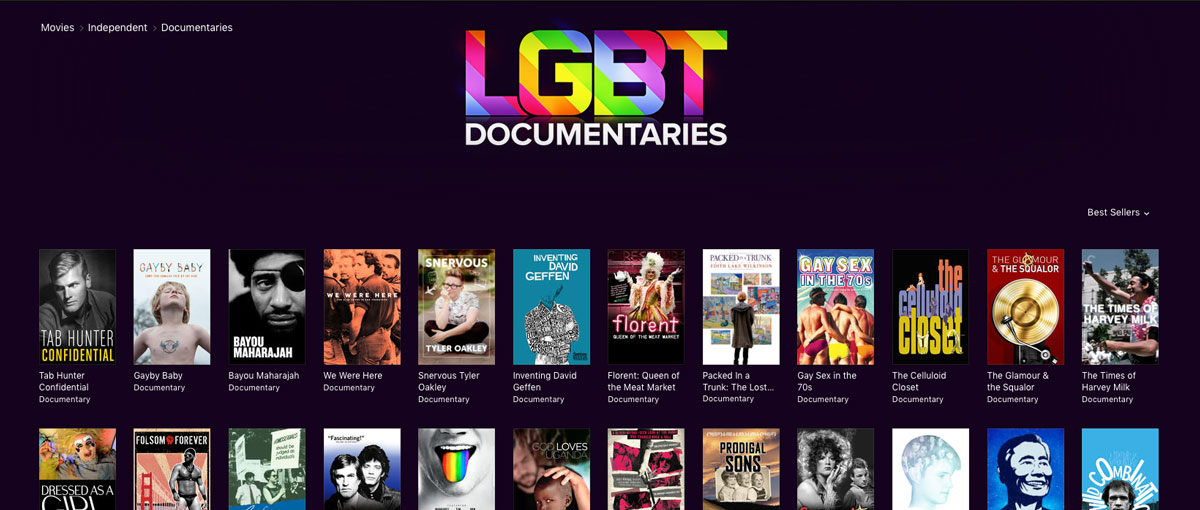
Results. All in all, we did everything we could, and it paid off. We were featured in both the carousels of the “Independent” and “Documentary” genre sections, and stayed in the “Independent” carousel for a full week and in “Documentary” carousel for two weeks. We stayed in the “New & Noteworthy” part of “Independent” for several weeks. At its peak, we reached #2 in Documentaries, being surpassed only by Michael Moore’s Where to Invade Next, which months later is still in the “New & Noteworthy” part of “Independent.” We made sure Tab Hunter Confidential shows up in both the iTunes Extras section and the “LGBT Movies” Collection section. The more places to find the film, after all, the more chance of it being rented or purchased.
After over 3 months, around the third week of August, Tab Hunter Confidential was the 12th All-Time Bestselling LGBT Doc in the iTunes store. As of the date of this blog, it has dipped down the 14th. It is still in the “New & Noteworthy” part of “Documentaries,” although to be fair that section contains hundreds of films.
Regrets? Could we have stayed longer in the iTunes carousels? Two things worked against us. First, although there was a social media push when the film was released, it was pretty limited, as we had only a small P&A budget. With more of a spend, we could have gotten more attention during the second week, and perhaps sales would have warranted the film sticking around for longer. Other films, such as Gravitas’ Requiem for the American Dream, for which TFC handled the Theatrical, featuring Noam Chomsky, have done a much better job surfing this wave. Fortuitous timing with Bernie Sanders, but that is a story for another day.
Although we offered TVOD exclusivity to Apple until June, it was unclear whether they really cared about that, as they never promoted it as such, and we probably should have released on Amazon, GooglePlay and Vudu on the same day as iTunes.
(Speaking of Amazon and GooglePlay, I once asked someone who used to work at Premiere how one gets featured on those other platforms’ stores. What they told me was shocking: Amazon and GooglePlay basically copy content ideas from the iTunes store. This was about a year ago, so who knows if this is still happening, or if it was even true at all. But I was kind of blown away by this.)
Conclusion. There are undoubtedly things one could immediately try and recreate from the steps that were taken with Tab Hunter Confidential. However, who is to know if they could work a second time, with a different film and different timeframe?
I am not suggesting in this article that distribution deals are unnecessary. Many companies have a ton of industry connections and experience that one might not be able to recreate with DIY.
But in this case, the filmmaker is thrilled, and my TFC team believes that dollar for dollar, the filmmaker walked away with a guaranteed net that is more than they would have received had they taken the distribution deal that was offered to them by a distributor.
So should DIY be considered a dirty word? Only you can decide if it is right for you film. As a whole, the jury might still be out, but, at the very least, I suspect that we’re going to get more filmmakers interested in iTunes background art.
Be sure to look out for Tab Hunter Confidential, on digital platforms, and now on DVD and Blu-Ray, which have recently been released by our friends at FilmRise.
David Averbach September 6th, 2016
Posted In: Amazon VOD & CreateSpace, case studies, Digital Distribution, Distribution, Distribution Platforms, DIY, education, iTunes, Marketing, Netflix
Are DVDs Worth It For DIY Film Distribution?
We are gearing up for a big article on DIY Digital Distribution, which will be posted very soon. In the meantime, we liked this No Film School case study article on DIY DVD Distribution so much that we had to link to it on our blog as well as SM. Enjoy!
Orly Ravid August 17th, 2016
Posted In: case studies, Distribution, DIY
An Update on International VOD Opportunities Outside the U.S. in The Indie Film Sector
Guest blog post by Wendy Bernfeld
The Cannes Film Festival starts today, and any Cannes season would not be complete without an update from our dear friend and colleague Wendy Bernfeld, Founder and Managing Director of Rights Stuff and co-author of our second case study book in 2014 Selling Your Film Outside the U.S. (free on Amazon Kindle and Apple iBooks. Wendy specializes in Library and Original Content acquisition/distribution, international strategy / deal advice, for traditional media (film, TV, pay TV), digital media (Internet/IPTV, VOD, mobile, OTT/devices), and web/cross-platform/transmedia programming, and also active on various film festival / advisory boards, such as IDFA, Binger Film Institute, Seize the Night, Outdoor FilmFest, and others, including TFC! Follow her on Twitter: @wbernfeld.
What’s happened out there in the two years since TFC first published Selling Your Film Outside the U.S. (“The Book”)?
My introductory chapter to the book, entitle, “Digital Distribution in Europe” provided a snapshot of the evolving sector at that point in time. However, by now, the sector, particularly in the area of SVOD and AdVOD, has leaped even more forward, and includes more mature services as well as new niche and thematic services out there— as well as some services with an increased appetite for foreign language, art house and documentary films/series (finally).
A. Blurred Lines — Traditional vs. Digital — Hybrid Platforms
More recent trends 2015-16 include increasingly blurred dividing lines between so-called traditional vs digital players .
- Traditionals: Many traditional players, internationally, (like telecoms, cable and free tv) have now become more digital, by either 1) bysetting up their own competing, or complementary, multi-window VOD offerings such as SVOD services (e.g. Channel 9’s STAN in Australia or Liberty Global’s MyPrime in both Switzerland and Netherlands); or 2) electing to instead “sleep with the enemy” by just hosting digital channels like Netflix, Spotify, etc. on their set-top box (e.g. Orange, ComHem Sweden, Virgin UK). Some traditionals opt to distinguish the brand identity of the VOD service from the main service, (different names); while others unite both services under one brand, such as CanalPlay (C+) or Viasat’s VIAPLAY. Recent developments include BBC announcing it will start SVOD internationally, after also migrating its Channel 3 to digital-only online offering; and ITV starting CURIO, a nonfiction SVOD in the UK.
- Digitals: Correspondingly, the so-called formerly digital-only players like Netflix, Amazon (previously more complementary or second window) are now acting a great deal like the traditional players. Think: old-fashioned commissioning broadcasters who increasingly require first-window status and exclusivity, and who are funding “originals”, getting involved competitively commissioning films from development stage etc. and fashioning game-changing windows.
Despite the complexity, this is overall great news for creators/rights-holders since it allows even more opportunity to maximize revenues and audiences per successive window, platform and region, if one takes the time to do it right.
B. VODs Per Window:
Lets look at various platforms in each window today, from TVOD, DTO, through to SVOD, AdVOD, etc. Note that many deliberately offer MULTI-model consumer services – such as Orange, Canal Plus and BSKYB (TVOD/DTO, SVOD), Amazon (Instant and Prime, for TVOD/DTO and SVOD, respectively) and Wuaki – while others (Netflix and Curio) operate under just one consumer business model.
- TVOD/DTO:
- For the Big5 (Google, Amazon, iTunes, Xbox, PS), one still generally goes through a digital aggregator, like Juice, Cinedigm, Kinonation, and Syndicado in N.America. Outside N.America, EMEA counterparts in include one of Rights Stuff clients MOMEDIA (attractive multi-platform new biz model, lower cost for more platforms and combined with social media/marketing) – and others like DoCo/ODMedia (NL), MoviePartnership, and Under the MilkyWay.
Shop around…these aggregators they have different models and price alone shouldn’t be the only indicator. Also look at their marketing/positioning: some take your IP, others (like Rights Stuff, TFC) do not.
- Going direct to the others in TVOD/DTO:
Don’t stop at one or even all of the Big5. The play is to have multiple deals , non exclusive, staggered, in all the windows, in each region. Virtually every country has an active telecom and cable or DTH competitor in the region, as well as mobile and online /consumer electronics players who offer VOD, so licensing non-exclusive TVOD to them on top of others is a good first step in the chain.Beyond the utility companies, some other examples in TVOD/DTO include premium pay tv services or platforms like CanalPlus (France and other regions) and BSkyB, (UK, Germany, Italy, New Zealand). Also theatrical chains in some countries, such as Cineplex in Canada or Pathé in Holland, have VOD arms and thus can offer complementary marketing of films in theatrical window with the subsequent TVOD/DTO window. Also check out online VOD indie film specialist FilmDoo (well-curated indie/art house focused, now in UK/EIRE and soon expanding), and as earlier written, Curzon offers day-and-date theatrical combined with VOD in UK. Wuaki announced moves into 15 countries internationally by end of 2016, most are now TVOD/DTO but the Spain HQ is an SVOD OTT platform. The NFB in Canada started TVOD/DTO in N.America and recently in 2016 an SVOD service, and they now buy docs/films from other sources and regions, too.
- Deals: TVOD/DTO continues to be typically a rev share model and sometimes only a loss leader, but can help drive critical awareness, especially when accompanied by social media marketing and audience engagement strategies. Sometimes, film dependent (for eg if a very niche film) it saves money to skip the big5 (who require costly specs) and license direct to the other international tvod/dto platforms, as then at least one participates from day one in revenues, vs having to recoup expensive deliverables.
- For the Big5 (Google, Amazon, iTunes, Xbox, PS), one still generally goes through a digital aggregator, like Juice, Cinedigm, Kinonation, and Syndicado in N.America. Outside N.America, EMEA counterparts in include one of Rights Stuff clients MOMEDIA (attractive multi-platform new biz model, lower cost for more platforms and combined with social media/marketing) – and others like DoCo/ODMedia (NL), MoviePartnership, and Under the MilkyWay.
- SVOD/PAY – whether first and second windows:
As predicted, this window has so far overall been most remunerative since it’s usually structured by a flat fee license fee (although smaller or niche thematic platforms in the larger USA market (such as Fandor or Indieflix) are still offering just a revenue share formula, which can make the returns lackluster). We generally favor licensing to platforms that pay even a modest flat fee, upfront. Or in some cases in the ‘’back end’’ i.e. rev share to start, then if the revenues at the end of a year (or the window) don’t reach, say, $1000, the platform pays the difference. That sort of model can be attractive for startup platforms who truly believe in the power of their SVOD service but are cash-strapped at the start. So one can license to a less remunerative platform, which does a great job of curation, editorial, placement, and
also license other SVOD platforms who may be more remunerative for you. - In the USA, you’ve finally seen growth since 2015 in the SVOD sector for documentaries, including the Curiosity Stream SVOD OTT platform (by former Discovery founder, John Hendricks), whose programs tend towards educational and traditional. They are usually on a rev-share only model, whereas competitor xive.tv (SVOD OTT) also buys docs features/series, but over a wider range of topics including more populist/reality content- and xive.com works on a flat fee and/or combo deal model. And a deal with well-curated xive.tv delivers an extra ‘lift’’ in reach by providing carriage on other platforms (Hulu, Roku, Amazon, etc.).
- In EMEA/beyond, some other SVOD OTT platforms for docs and arthouse have arisen such as CURIO in UK (via ITV), Filmin (Spain, Portugal, Mexico). Mobil has now transformed its model to a curated daily film+library, a lower price and is complete with hefty investment by Chinese backers/reach into China. They also started paying some flat fees, or MGs, for select higher-end indies, as opposed to the pure rev share SVOD model of earlier days.
There’s been a surge of local SVOD players popping up to compete or complement as Netflix or Amazon/competitors rolls into each new region. Some present outright competition, engaging in bidding wars for similar mainstream content offerings and price points. For instance, MNET South Africa, a premium pay tv operator, launched ShowMax locally and soon after announced further expansion. Other examples include: Videoland Plus (owned by free tv RTL/& SBS channels in the Netherlands) and Maxdome (owned by Prosieben in Germany).Others are complementary SVOD services, offering older library services in general interest. And still others exist at lower price points in narrow verticals/themes, like kids, anime, arthouse, etc. Hopster (UK/USA) is a buyer of purely kids programming, recently launched also in Iceland on Vodafone platform; similar to MinBIO (Nordic kids), which buys from international producers as well as from studios or locals, and Kidoodle (Canada svod ott). Cirkus in Nordic focuses on best of British programming (SVOD OTT).Recently in 2016 there’s a raft of SVOD platforms in developing regions like the MidEast and South East Asia: such as multi-region IFLIX and ICFLIX. As before Australia has pay and svod services such as Foxtel’s Presto (Australia); Lightbox (New Zealand), and Stan (channel 9).SVOD Deals: Producers should usually seek flat fee, but some platforms perform well on rev share. Particularly if you license multiple platforms in the same window and cross-promote so consumers find you from whichever entry point. In the lucky case where you can play off one against the other (e.g. traditional pay tv vs SVOD first-run) a stronger case can be argued for the license fees, as the buyer is “not the only game in town” anymore. In other cases, non-exclusive, multiple-platforms deals in smaller amounts still add up the revenues and audience. Prices can range from €250-2000 for an indie doc of film if old library and yet also up to 5- and 6-figure sums if a higher-end indie/doc or original/first-run. Pricing is also obviously affected by volume of the films in a deal, the number of regions, the awareness (platform, audience), popularity, critical acclaim, and language and cultural portability. - ADVOD:
Although TubiTV/AdRise in USA and Hulu (multi-model in AdVOD and SVOD) are strong platforms offering solid returns to producers in the AdVOD sector, there aren’t many doing the same in EMEA. Here, again, it’s worthwhile to have your films spread on other free AdVOD platforms (vs pirate sites) so the returns are cumulative and there’s cross-promotion. Sometimes a film sampled on AdVOD can help to yield revenues from DTO (e.g. if a consumer discovers a lesser known film on an AdVOD platform and decides then to buy it on iTunes, while they’d not have bought it unknown before).Some updates on the AdVOD sector in EU: Viewster.com (27 countries in EMEA) has shifted focus (since our last reference in the book) from buying arthouse/festival films, to millennial content, including edgier, fast-paced docs, some originals and anime. In 2015 they had added an SVOD anime service, but in March 2016 shut it down, as others have become more aggressive in that space. DailyMotion, EU competitor to Youtube, were sometimes paying flat fees and sometimes commissioning series, but a recent sale by Orange to Vivendi may bring changes. Channel4 (UK) recently launched WalterPresents, an AdVOD site focused specifically on dramatic series and some films strictly from outside the UK.
- HOW TO REACH THE PLATFORMS:
As before, one goes via aggregators for Big5, but your agent/representative, or distributor/sales agent, OR YOU YOURSELF can hit up the others direct.REPS: I highly recommend interviewing your potential sales agent/distributor, with new questions such as asking 1) if they’ve been active in digital lately vs just their traditional buyers; and 2) if so, then with which types of platforms—Big5-7 or also beyond to International? If not, it doesn’t have to be a barrier, if they’re willing to allow nonexclusivity in digital, and/or to allow you or digital agents to assist and collaborate alongside.
- FUNDING (including by SVODs):
Although beyond the scope of this article, note In 2015-16 there’s been increased activity in 5-6 figure prebuying/funding of originals or premieres (film, series)—not just from English regions and not only via Netflix and Amazon, but also other international and EMEA services like OneNet Poland, IcFlix, Telenet, KPNPlay, Vimeo, Vivendi/Canal+, etc.On the Amazon front, aside from bigbudget originals via Ted Hope’s division such as ChiRaq at Berlinale and Woody Allen this Cannes, they also fund weboriginals, digital series, via prototyping schemes and audience involvement/feedback. Netflix has been intensely active in funding originals, including docs and nonfiction (while a few years ago that was a rarity); more deals in arthouse, docs and foreign will be announced at or after Cannes.In Canada there is a funding for coproduction in digital programs; And in France/EU, Vivendi (owner of Canal+ and DailyMotion) just in April 2016 launched its “Studio+” initiative &,dash; funding short-form original series for mobile and telecom operators.
- TAKEAWAYS
As before in the 2014 Book, the following have intensified:
- Act quickly and work collaboratively (filmmakers + agents/distributors) to seize timing opportunities, particularly around certain countries where (s)VOD activities and platforms or hotly competing.
- Balance traditional and digital platforms, buyers and funders carefully in order to capture the cumulative and incremental revs in the nonexclusive deal sector, while also developing a longer term platform pipeline for future.
- Don’t stop at just one deal, unless exclusivity or funding elements are in play and worth it.
- Don’t be blocked per se by rights issues. Pragmatic business deals where others are “cut in” can help make those melt away
- Hybrid distribution: We as consultants/agents, aside from working direct for producers and platforms, now increasingly are retained by sales agents, distributors and even aggregators – as although they have the IP, they don’t always know all the others to sell to after going beyond the Big 5-7; this type of collaboration with producers and other reps on distribution yields good results (although time consuming at first) with each stakeholder getting a smaller piece but of a bigger pie. At the end of the day, 100% of zero is still zero.
- If not using a middleman at all, consider teaming up (especially if only selling a single film) with other producers to co-curate a mini-package of films around specific themes (e.g. eco, female, etc). This is particularly useful where the platforms don’t know you or your films, and it also helps program the service for their platform.
- Don’t abdicate distribution entirely to third parties, as in traditional past; now it is increasingly key to be aware of (if not participating more in) distribution and marketing (e.g. via social media). Help audiences know where to find your film!
Looking forward to seeing your films over here in EMEA!
Orly Ravid May 11th, 2016
Posted In: Amazon VOD & CreateSpace, book, case studies, Digital Distribution, Distribution, education, International Sales, iTunes, Netflix
Self financed Film Distribution in the Context of European Territories
 Last May, TFC released the second book in our series called Selling Your Film Outside the US. As with everything in the digital space, we are trying to keep track of a moving target. Netflix has now launched in France, Germany, Austria, Switzerland, Belgium and Luxembourg. iTunes continues its transactional VOD domination by partnering with Middle East film distributor Front Row Filmed Entertainment to give Arabic and Bollywood films a chance to have simultaneous releases in eight countries: UAE, Egypt, Bahrain, Qatar, Oman, Lebanon, Jordan and Kuwait. Amazon has just launched several new original series in the US and UK, including critical darling Transparent, to a line up that includes returning series Alpha House and Betas.
But what does DIY Distribution mean in the context of European territories? The following is an excerpt included in the book:
Here are a few tips for any filmmaker who is thinking about doing digital distribution in general, but especially in multiple territories:
-If your film is showing at an international film festival, ask if they are producing subtitles, and, if so, negotiate that the produced file be part of your festival fee. It may need to be proofed again or adjusted at a subtitling and transcription lab later on, but as a first pass it could prove very valuable down the road. See more about the kind of file you need in this post;
-When you are producing your master, create a textless version of your feature. Apple and probably other platforms will not allow external subtitles on any films that already have burn-ins. If your film, for example, has a few non-English lines of dialogue, instead of burning-in English subtitles into your film, a better method would be to create an external English-language subtitle file (separate from closed captioning) in a proper format and submit it with your master. Different aggregators may require different formats, and if you are going to a Captioning/Transcription/Translation Lab to do your closed captioning and subtitling work, be smart about which questions you ask and negotiate a price for everything, including transcoding from one format to another because you may not know exactly what you will need for all your deals right away.
Subtitles need to be timed to masters, so make sure your time code is consistent. When choosing a lab, ascertain whether they are capable of fulfilling all your current and future closed captioning and subtitling needs by verifying that they can output in the major formats, including (but not limited to) SubRip (.srt), SubViewer 1 & 2 (.sub), SubStation Alpha (.ssa/.ass), Spruce (.stl), Scenarist (.scc) and iTunes Timed Text (.itt);
-You may want to band together with films that are similar in theme or audience and shop your products around as bundled packages. Many digital services, including cable VOD, have thematic channels and your bundle of films may be more attractive as a package rather than just one film;
-Put the time in toward building your brand and your fanbase. Marketing still is the missing piece of the puzzle here. As it gets easier and easier to get onto platforms, so too does it get more difficult for audiences to find the films that are perfectly suited to their interests. This is especially true when talking about marketing one’s film outside one’s home territory. If you are accessing platforms for your film on your own, YOU are the distributor and the responsibility of marketing the film falls entirely to you.
To download a FREE copy of the entire book, complete with case studies of films distributed in Europe, visit sellingyourfilm.com.
Sheri Candler October 15th, 2014
Posted In: Amazon VOD & CreateSpace, book, case studies, Digital Distribution, DIY, iTunes, Netflix
Tags: Amazon, Digital Distribution, Europe, film bundles, independent film, iTunes, Middle East, Netflix, Selling Your Film Outside the US, Sheri Candler
All Stars of the Theatrical Self Release for Independent Films
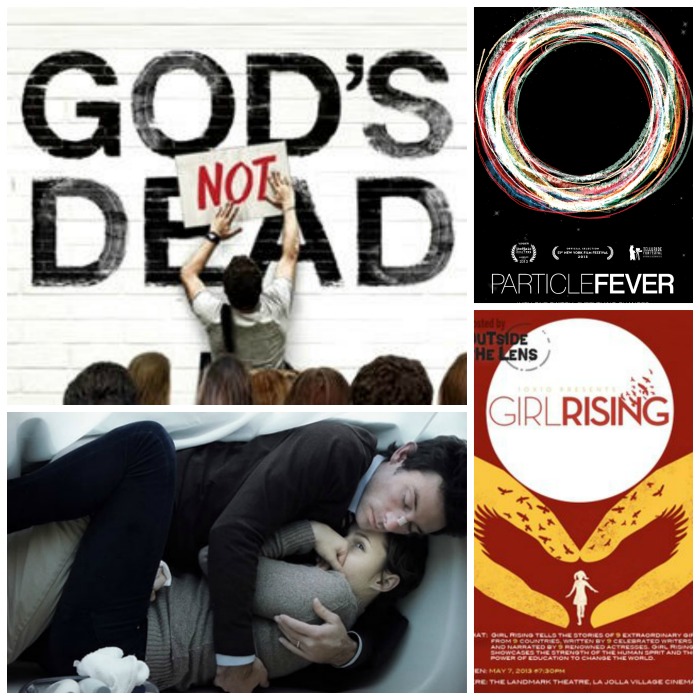
Handling self funded theatrical distribution for TFC clients, I find myself wondering why more filmmakers don’t consider the self releasing option from a long-term career standpoint and the potential upside that comes from receiving the bulk of the revenue from the release. I am continually intrigued, pleased and surprised by the success of many who do.
Here are pristine recent examples of self funded releasing. These films each found specific ways to tap into their audience and often opted to do something outside the norm. For the sake of transparency I only am listing films that are admittedly self released in their approach. I would argue Middle of Nowhere is in fact a self funded release as it is a solid example of building and controlling a filmmaker’s brand, but I didn’t include it in this list.
While Gathr have a number of films that have done very well using their demand a screening platform (such as Anonymous People which TFC advised on), no TOD (theatrical on demand) release was as monumentally successful as Girl Rising. The film was aided by many factors such as funding from the Paul G. Allen Family Foundation, partnerships with Intel, the United Nations and World Vision as well as a small army of political and grassroots influencers, technologists and publicists. The documentary featured Hollywood A-list narrators like Meryl Streep, Anne Hathaway, Alicia Keys and Selena Gomez.and reached a fever pitch of screenings via the Gathr platform in the Spring of 2013. The film was also picked up by CNN Films for broadcast.
Much of the self funded distribution space is about the value of name recognition. Louis CK has such a loyal audience that he can get away with only selling his Live stand up docs on his website that are DRM free and asking fans not to upload it for free online. The films do so well that he is making seven figures in profit and will keep distributing them this way. His level of sales success, of course, is not realistic for most indie filmmakers, but it shows the value of brand developed over time. If you build up a loyal base and treat them with respect, they will follow you and as a result you can cut out the middle man.
Detropia world premiered at Sundance, won the editing award and came from two Oscar nominated directors. But they found distributors were wary to take on the film and/or didn’t get what the directors were trying to do. After a successful Kickstarter campaign to raise funds to self distribute, the film went on to gross over $300k+ theatrically. The filmmakers made the wise choice to open the film in a suburb of Detroit instead of NYC and the film grossed over $20k from that single screen at Landmark Royal Oak, far more than they would have launched with in NYC. They embraced their target audience and much like Escanaba in Da Moonlight pushed very heavily to a hometown crowd.
Sound City world premiered at Sundance 2013 and decided to do a day and date release less than a month after premiere. No distributor would have agreed to that. Dave Grohl himself promoted the film heavily (again the value of a fan base will pay off) and the film launched as the #1 doc on iTunes and grossed over $400k theatrically. It’s the highest grossing release from service theatrical company Variance to date. While fellow music recording doc Muscle Shoals may have grossed more money at the box office, they have to split the revenue with the distributor, Magnolia. Sound City likely made quite a bit more money back into their pockets.
Particle Fever has grossed over $850k to become the highest grossing Abramorama service release. They creatively tapped into the science community and quickly and quietly bypassed other more high profile docs like “Life Itself”. Using support from a community with solid internet leverage meant a lower P&A and this film, just shy of a $1 Mil grosser, can easily be called a success on all cylinders. It also doesn’t hurt that it scored a 95% from critics on Rotten Tomatoes. The film is now available for paid streaming on their website powered by VHX.
I Am Divine had a self funded theatrical release handled by The Film Collaborative. The film grossed $82k on a $8,000 release budget. This was run just as the film was finishing its 200+ festival screenings tour around the world for which the filmmaker has made 10’s of thousands from screening fees. We let social media and the Divine brand do much of the work as the colorful character inspired many around the world and they were excited to see his life story on the big screen. The film spent multiple weeks as the #1 Doc on ITunes when Wolfe Releasing put it out this year. A rare film to be profitable in every viewing arena.
God’s Not Dead again shows the value of a niche demographic that can be reached with the help of deep online data analysis. Working with Freestyle Releasing to open on 780 screens nationwide, the religious right pandering film has theatrically outgrossed Wes Anderson’s “The Grand Budapest Hotel,” which at its widest played over 1400 screens. This technically makes it the highest domestic grossing indie release this year. It’s passed $62 million on only a $2 Million budget production budget. The production worked with Ash Greyson’s Ribbow Media to handle a sizable social media advertising campaign directed toward Duck Dynasty, Kevin Sorbo, Dean Cain and Shane Harper fans and limited TV advertising on the 700 Club, Up TV and Pandora radio. It was a highly coordinated gamble that paid off handsomely. Lionsgate picked up the rights to distribute the movie through VOD (video on demand), SVOD (subscription video on demand) Pay-Per-View and television across the U.S. this month.
Upstream Color was the long awaited follow up from indie auteur Shane Carruth. He vetted offers while planning months in advance for a self funded release that launched out of the film’s Sundance premiere. Carefully planned and executed to reduce costs, Carruth’s intention was to give the film just enough of a theatrical release to legitimize and raise awareness for the film before sending it out to the online platforms where it would find actual significant revenue. For a while the film continued to play theaters simultaneously with the digital sales option, a feat almost unheard of in the Spring of 2013, but becoming a much more accepted and savvy practice now. Though lacking star wattage and a less than commercial story approach, Upstream Color amassed $444k and while Carruth kept full control of the release. The film is now widely available digitally.
Some honorary mentions for great self financed releases go to The Anonymous People (second highest grossing Gathr release despite no fest exposure), Spark: A Burning Man Story (Over $77k on another TOD service called TUGG with surcharged Burning Man tickets, over six figures theatrical and digital), Kids for Cash (Launched at 4 theaters in PA and grossed six figures), and Under the Electric Sky (a TUGG release with six figures, but curiously controlled by a traditional distributor, Focus Features).
Of this list, a vast number of the TOD releases are for documentary, some with star names attached and all with some kind of cause or niche audience interest to tap into and they all clearly did tap into that. Also, funds were raised to accomplish a theatrical release, hence the name self financed release. This should indicate to you that making a film meant for self funded release you NEED to have an identifiable brand, a social cause or a niche audience interest base to tap into. Think very carefully about how that film will be released successfully because these are the same considerations a distributor will look for when evaluating the release of a film.
Bryan Glick August 7th, 2014
Posted In: case studies, Distribution, DIY, Theatrical
Tags: Bryan Glick, Detropia, DIY film distribution, Gathr, Girl Rising, God's Not Dead, I am Divine, independent film, Kids for Cash, Particle Fever, Sound City, Spark: A Burning Man Story, The Anonymous People, The Film Collaborative, theatrical self release, Theatrical service company, Tugg, Under the Electric Sky, Upstream Color, Variance