
Wrap Report – The Popcorn List: Pop Up Series
An Experiment in Collaborative Non-Theatrical Distribution
By Lela Meadow-Conner (mamafilm) and Kathy Susca (The Film Collaborative)
TL;DR
The Pop Up Series grew visibility for participating films, brought new programming to theaters and audiences, and offered filmmakers an additional exhibition window with built-in marketing to elevate discoverability.
- 100% of participating exhibitors would host the Series again, and mission fulfillment is consistently cited as a core driver of exhibitor satisfaction.
- 83% of audiences would attend another screening, and surveys show they appreciate curation, and want to support indie filmmakers and art house theaters.
- Filmmakers reported an average overall satisfaction rating of 8.14/10, expressing appreciation for the solidarity amongst the cohort, and emphasizing the value of expanding theatrical opportunities for all participating films.
- The cooperative marketing strategy, which promotes both individual films and the Series as a whole, reached 568,526 accounts on TPL’s socials, with just 0.8% generated by ads, indicating strong organic discovery.
- The modest box office ($10,713 for the hybrid Series) was in line with expectations for a first-year Series still building its brand. Unsurprisingly, the most successful screenings were eventized. Of the top 3 grossing films, 1 was virtual.
- In 2026, TPL will expand theatrical opportunities, grow capacity-building offerings, and remain responsive to a changing distribution landscape.
🍿 What is The Popcorn List?
The Popcorn List launched in 2024 as a visibility initiative in hopes of bringing more film industry visibility to independent feature films that had successfully played the film festival circuit and were still without traditional distribution.
It lives as an annual survey of acclaimed feature films recommended by film festival programmers across North America, and strives to:
- amplify independent films that deserve wider release,
- inform the greater film community about practical operational fixes to the current distribution system,
- highlight the discovery nature of film curation, and
- cultivate community and capacity building for new and established filmmakers.
Since 2024, the List has shone a spotlight on 70 films. See Appendix for more details on how the films make the final cut.
The 2025 List:
The 2025 List was compiled based on the recommendations of 30 U.S. film festival programmers. The List, featuring 19 eligible films, was published on our own socials, Substack, and website, as well as with partner outlets IndieWire, Hope For Film, and Letterboxd, on April 23, 2025. The List included:
- 6 Documentaries & 14 Narrative Features
- 13 first time feature film Directors
- 11 Female Directors
By the time of the announcement, we were deep into planning for the Pop Up Series.
🍿 The Inaugural Pop Up Series: Discover Fresh, Hot Films
Inspired by the many opportunities that exist within the distribution space, we set out to take the 2025 List from the page to the screen with the inaugural Pop Up Series. This audience-facing Series would take TPL from a solely industry-driven initiative and broaden our horizons for supporting filmmakers as they pursue wide distribution.
Our primary goals for the 2025 Pop Up Series were to:
- Experiment with a collaborative non-theatrical distribution model
- Facilitate access for theaters to festival darlings before their wide release
- Cultivate audiences for TPL films fueled by the discovery nature of film curation
- Create capacity-building and networking opportunities for filmmakers
- Serve as a springboard for wider distribution opportunities for TPL films
A Hybrid Structure
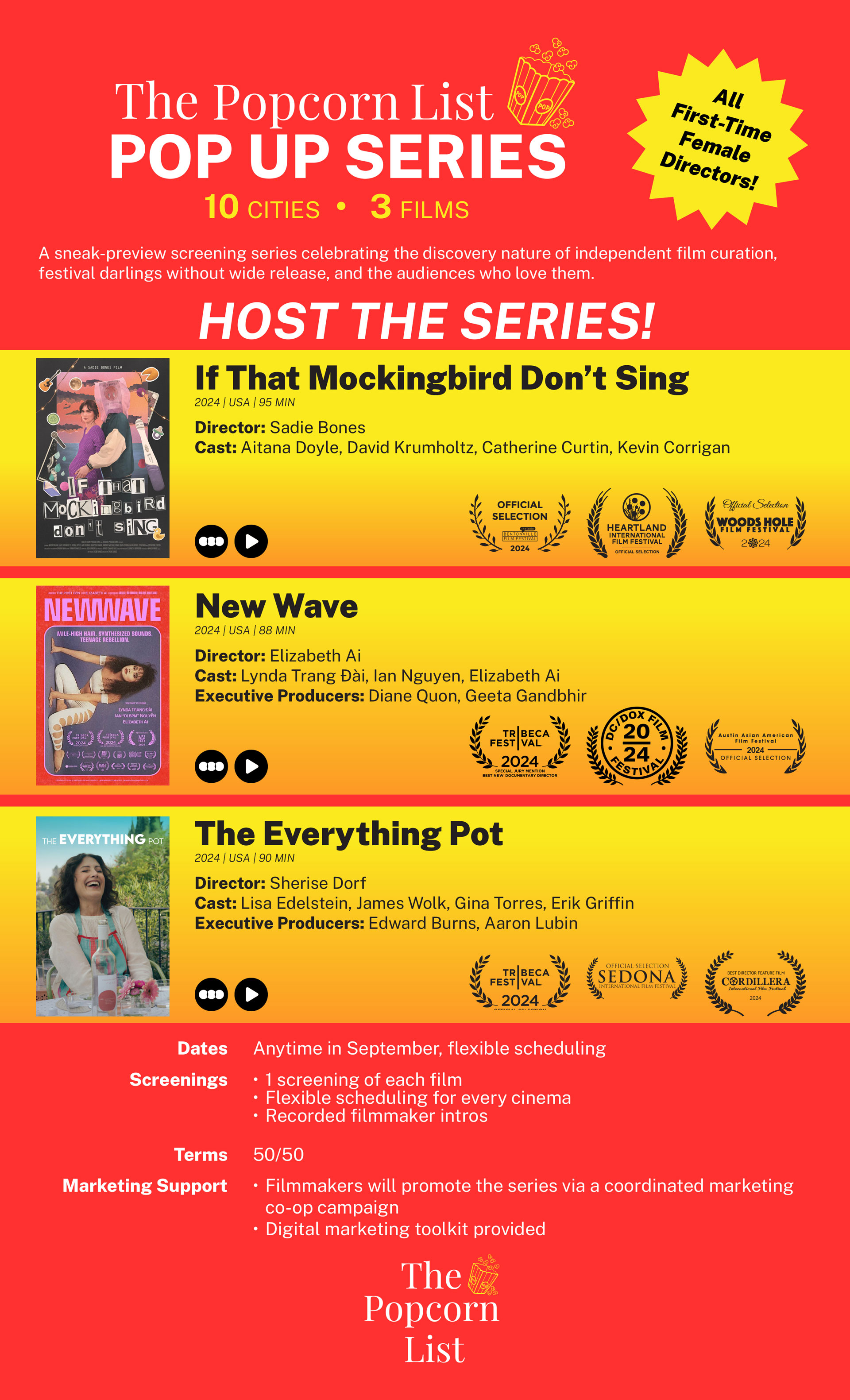
Starting out as a scrappy initiative with no funding, we knew the beta must be contained to ensure we could see the experiment through to completion. As we ideated the ideal structure, we opted to pursue a hybrid model, featuring both in-theater and virtual screenings. Ultimately, eight of TPL’s 2025 recommended films trusted us to help bring their films to audiences.
In keeping with our ethos to support films’ overall distribution plan and subsequent windows, we designed the Pop Up Series so as to not interfere with what distributors refer to as “cannibalizing audiences,” or to scare off potential buyers by being too broad or even referring to it as “theatrical.”
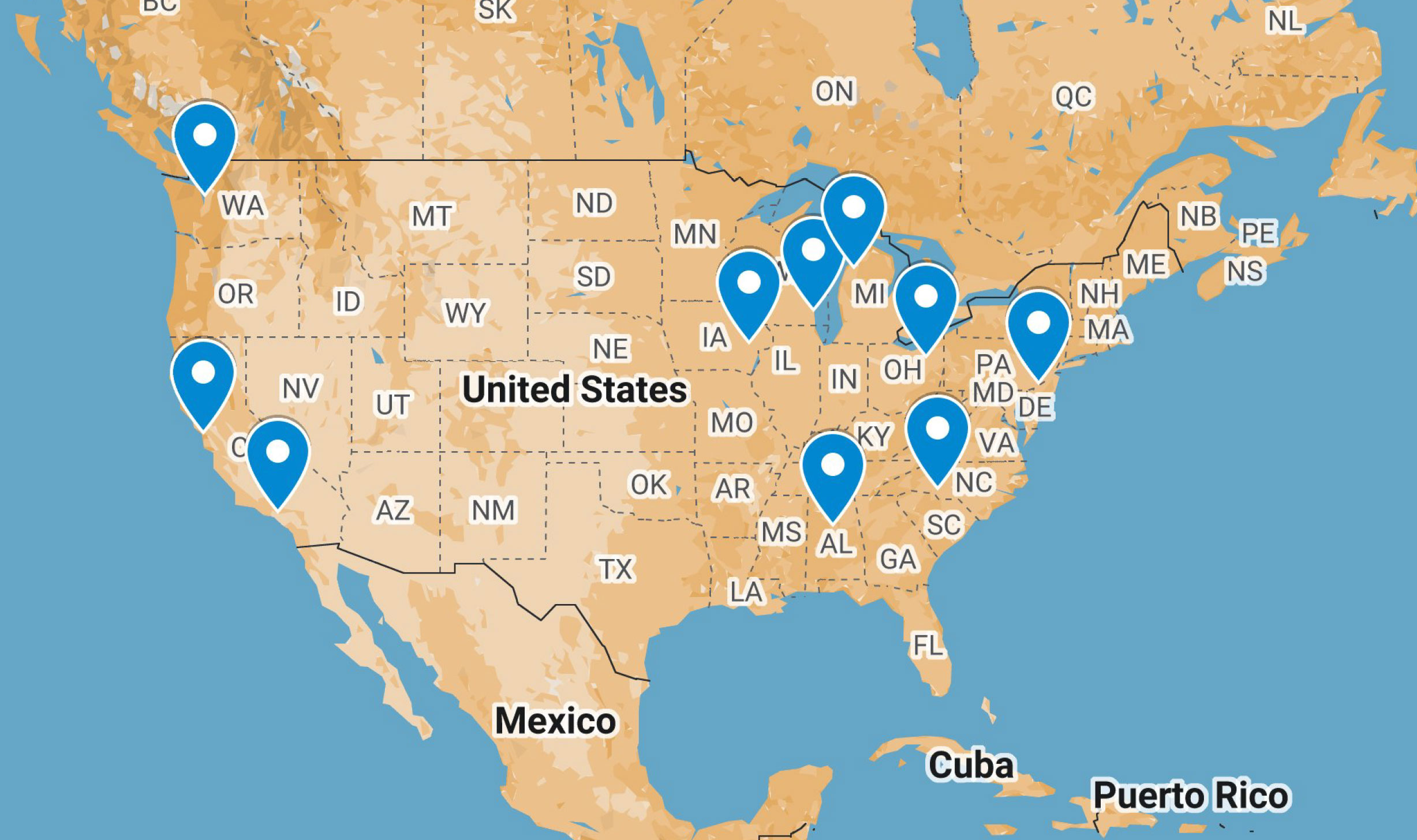
In Theaters: 10 cities, 3 Films, 1 Month Only
Selecting three films for the theatrical portion of the Series felt manageable, so we packaged the in-person Series with three films by first time female feature directors, representing a mix of documentary and narrative and an interesting spectrum of points of view and life experience.
Ten arthouse theaters around the country took the leap and joined us in the inaugural Series, agreeing to play all three films as “one-night-only sneak previews” throughout the month of September – but with complete flexibility on their end as to scheduling – since they know their audiences best.
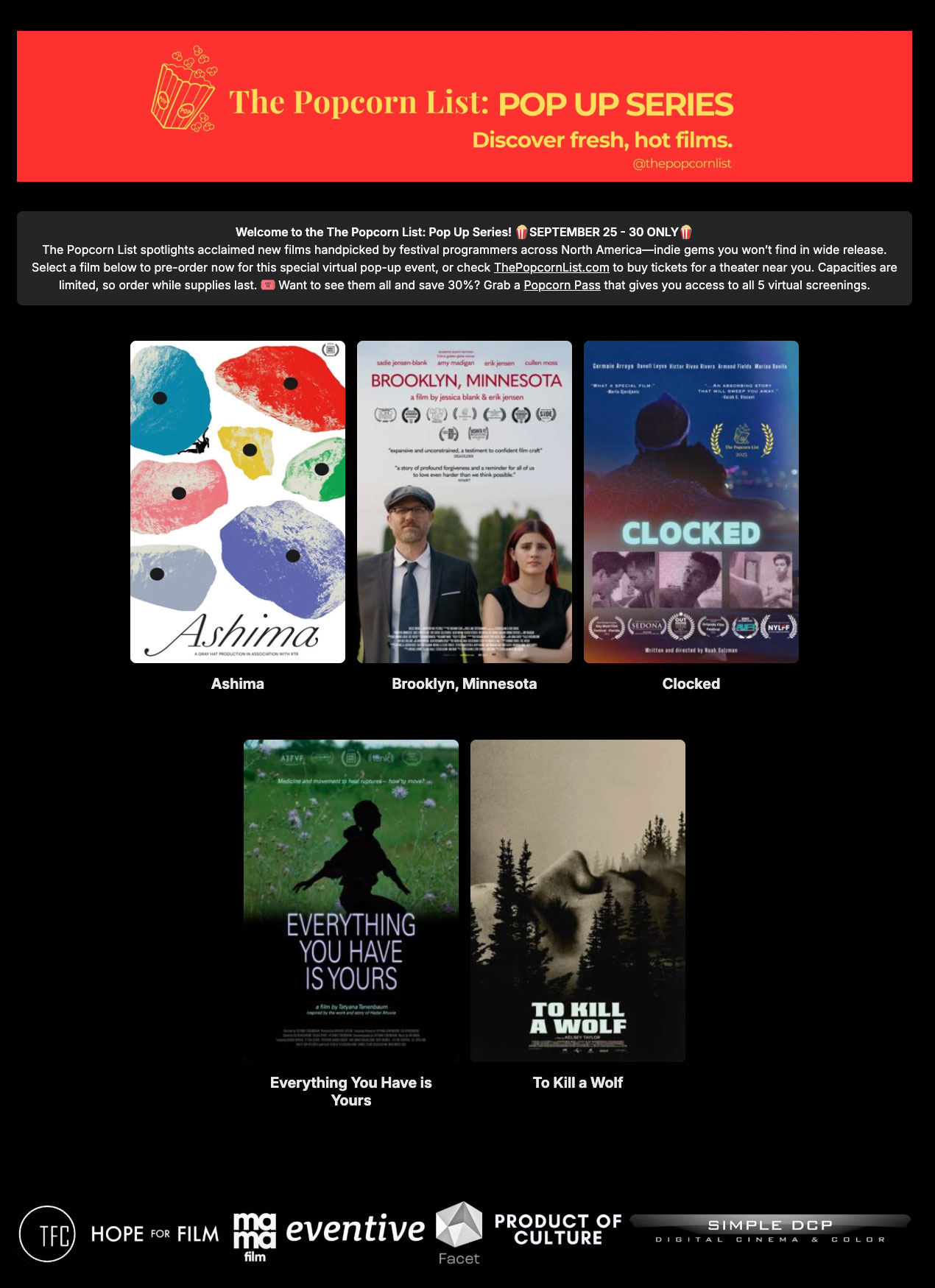
Virtual Screenings: Nationwide on Eventive, 6 days Only
We invited all remaining films from the 2025 List who had expressed interest in participating in the Series. Five films opted in to play virtually for six days at the end of September geo-blocked to the U.S.
Hosted by Eventive, the virtual element allowed us to expand the invitation not only to more filmmakers, but also to more audiences who may not be able to come to a theatrical screening because of geography, childcare, access, or any number of other reasons.
🍿 A Collaborative Approach
TPL’s ethos lies in the fundamental idea that there is power in the collective. We harnessed this notion as we continued to design a collaborative approach to revenue share and marketing.
Filmmaker Solidarity Pool & Rev Share Structure
We built the economics based on a rev-share structure of box office receipts (both for in-theater & virtual screenings). It allowed us to proceed without funds up front to pay licensing fees, while being as fair as possible to exhibitors, filmmakers, and ideally, ourselves as well. The message was clear: we are all in this together.
The payout structure included a Filmmaker Solidarity Pool:15% of every ticket sold went into a pool which was split evenly among teams at the Series’ conclusion. We hypothesized this would incentivize film teams to support and promote each other’s films, ensure that every film would receive some sort of payout regardless of individual box office, and reflect the collaborative nature of the Series.
In-Theater: The terms were 50/50 with the theaters, making us partners with an equal financial stake in this endeavor. The full economic split was:
- 50% to theater
- 25% to film team
- 15% to a Filmmaker Solidarity Pool (to be split equally among the teams)
- 10% to admin & overhead
Virtual: Because the exhibitor share was lower for the virtual Series, we were able to allocate a higher percentage to the individual films and design this split:
- 35% to platform
- 40% to film team
- 15% to a Filmmaker Solidarity Pool (to be split equally among the teams)
- 10% to admin & overhead
Marketing Collective
Independent filmmakers don’t have surplus money, but they do have social capital, so we conceived a collective social media marketing campaign in which the film teams would promote not only their own films but also each other’s films and the Series as a whole, creating crossover among existing followers and leveraging their social media to the collective’s benefit. The more tickets sold, the more each film team could:
- Retain a percentage of their own ticket sales
- Add to the overall value of the Filmmaker Solidarity Pool
- Be on the ground floor of building a new approach to marketing
- Form long-term relationships amongst each other & with key industry partners
Assets:
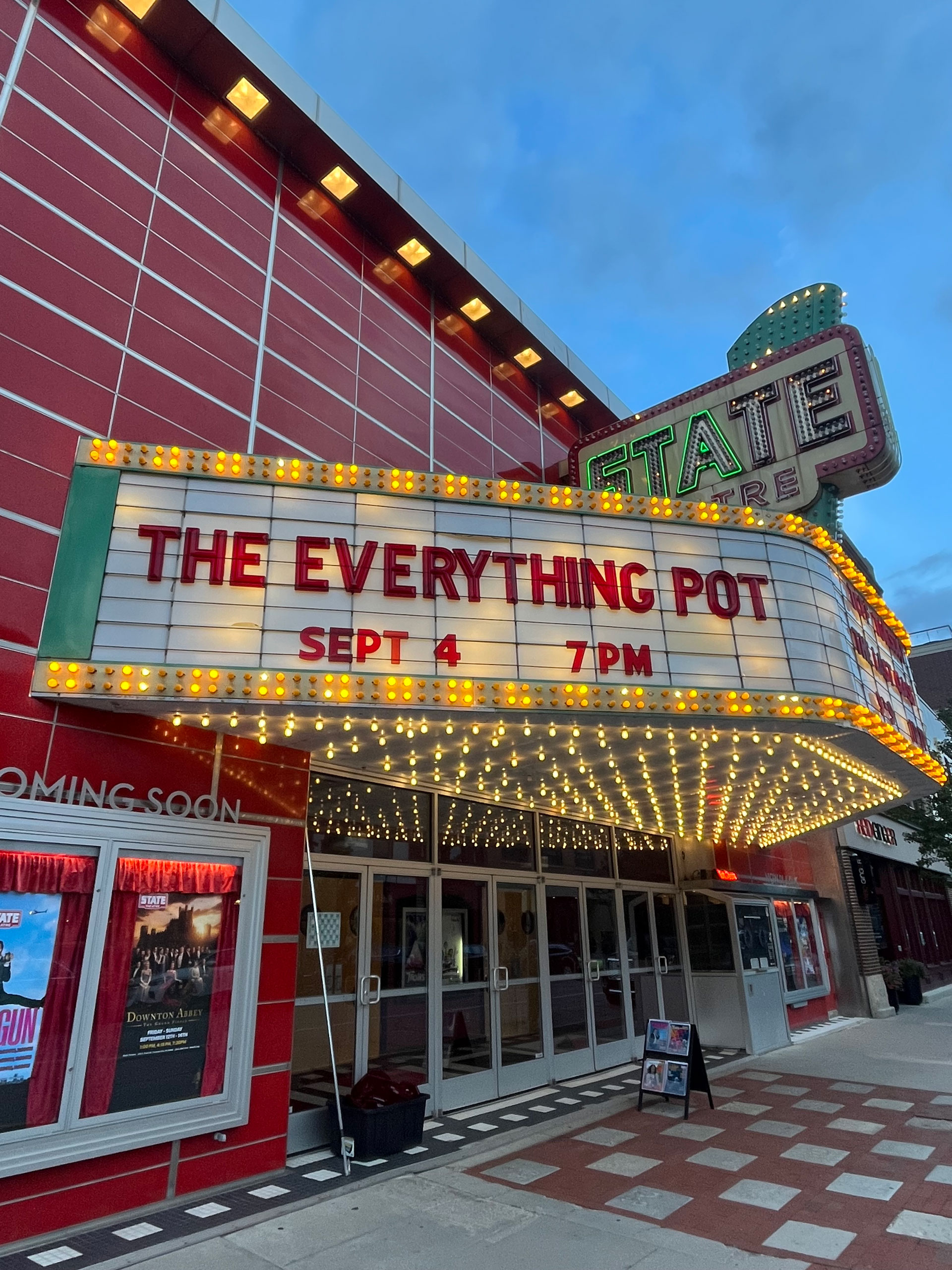
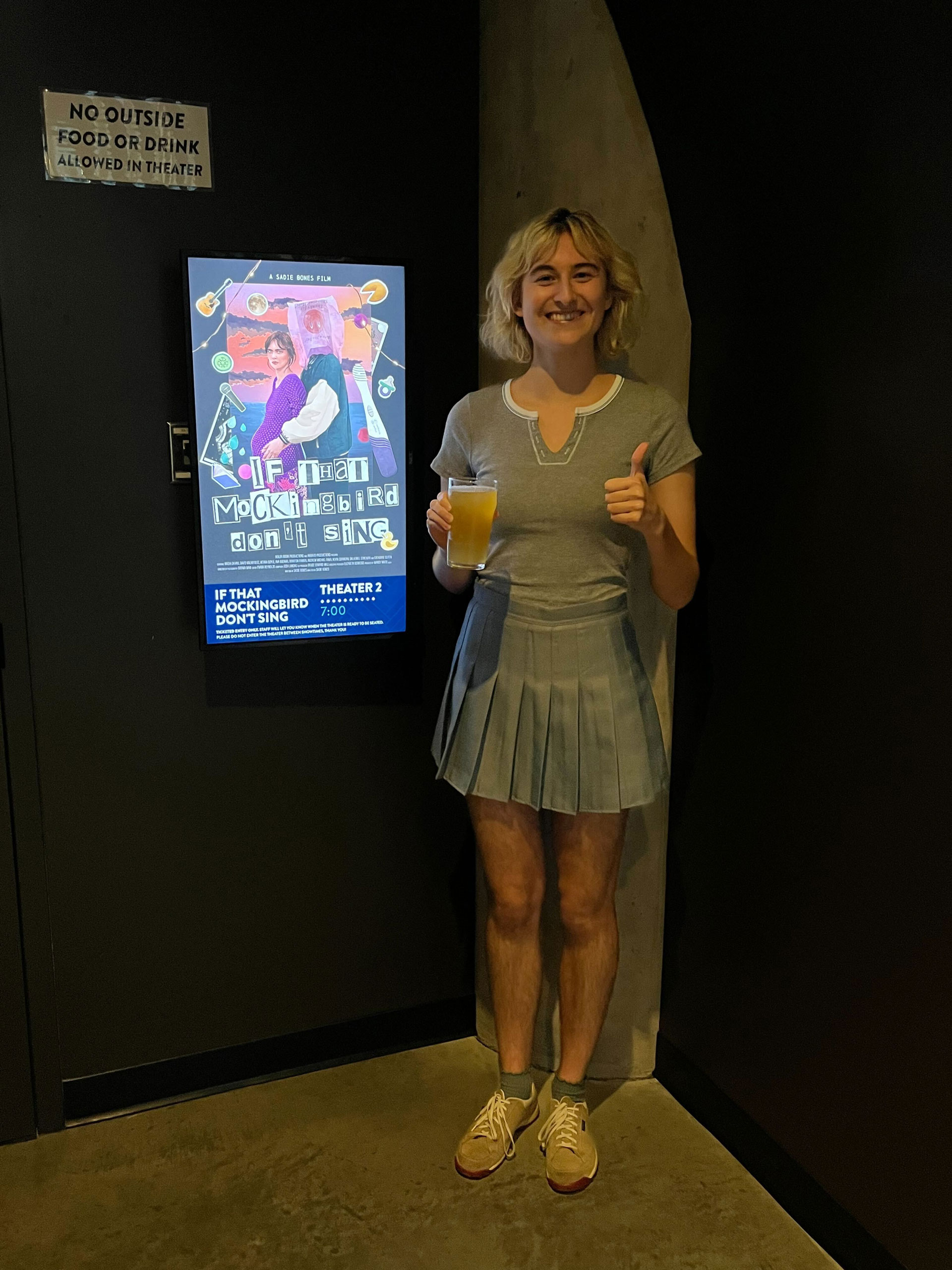
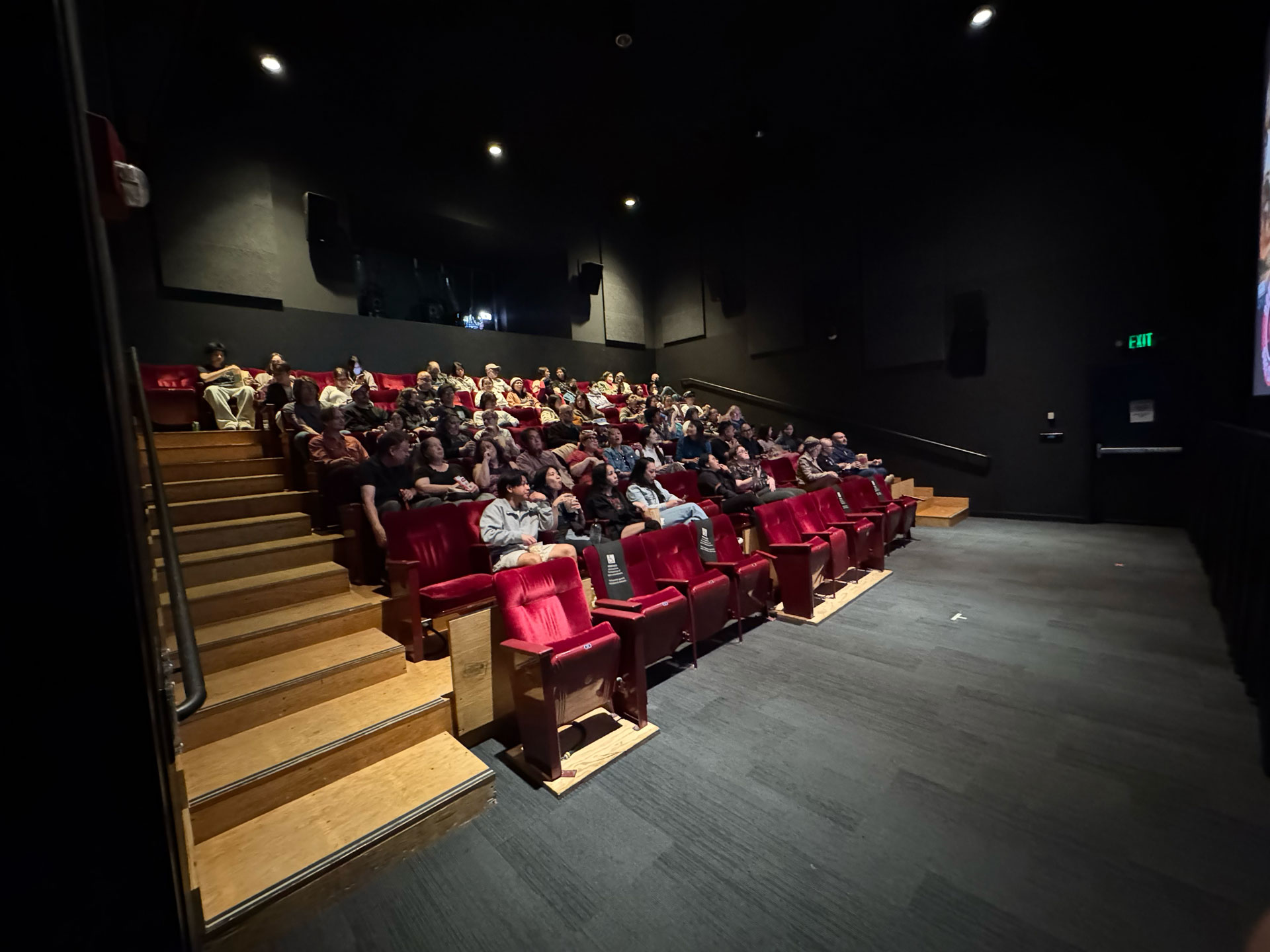
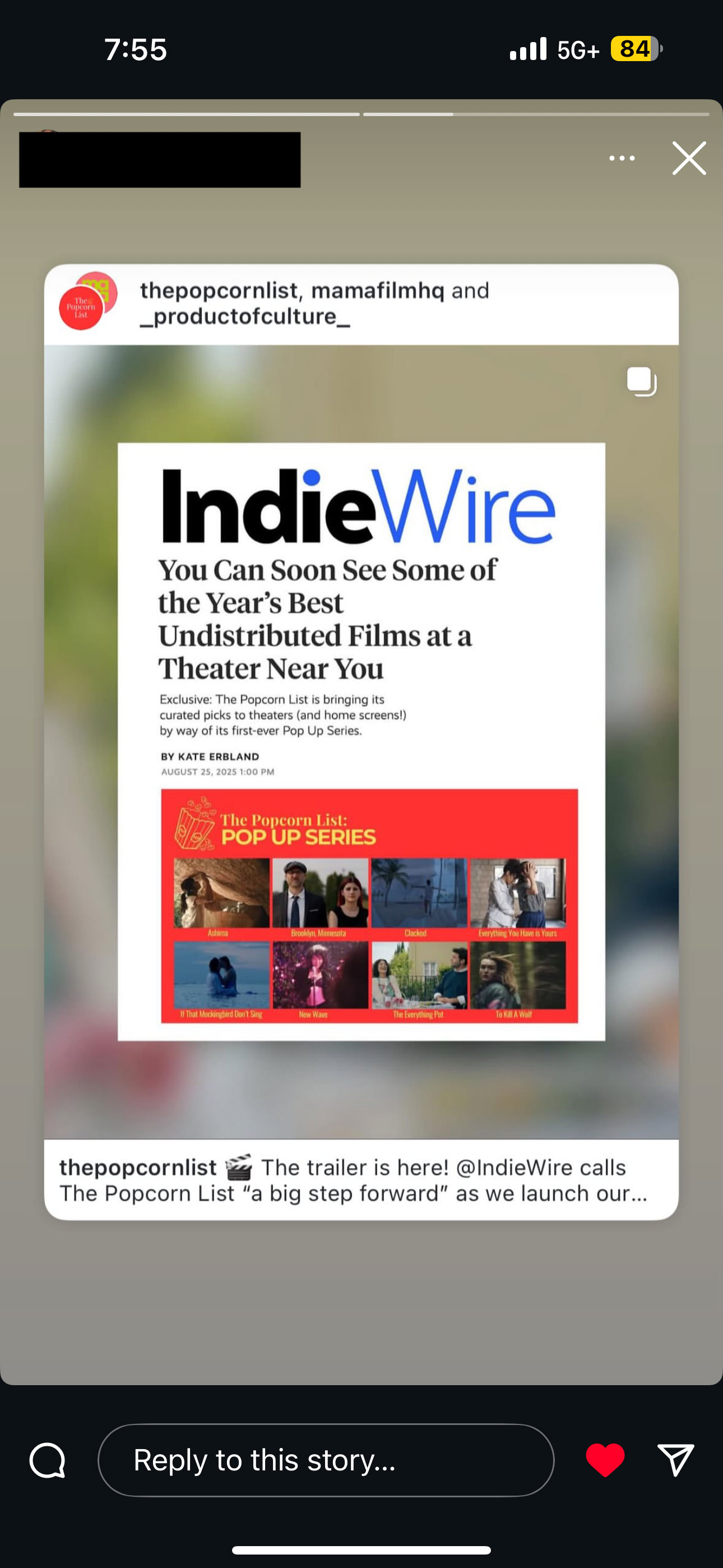
Working with marketing & social media agency Product of Culture, we created a Social Media Toolkit to be used by filmmakers, partners and theaters and a Series Trailer (in both horizontal and vertical formats) which IndieWire debuted. We created myriad promo codes to track ticket sales. All of our social media graphics were created internally in Canva and we ordered TPL stickers to be shipped directly to the theaters. Each theater was offered an additional stipend to collect videos and images.
Campaign:
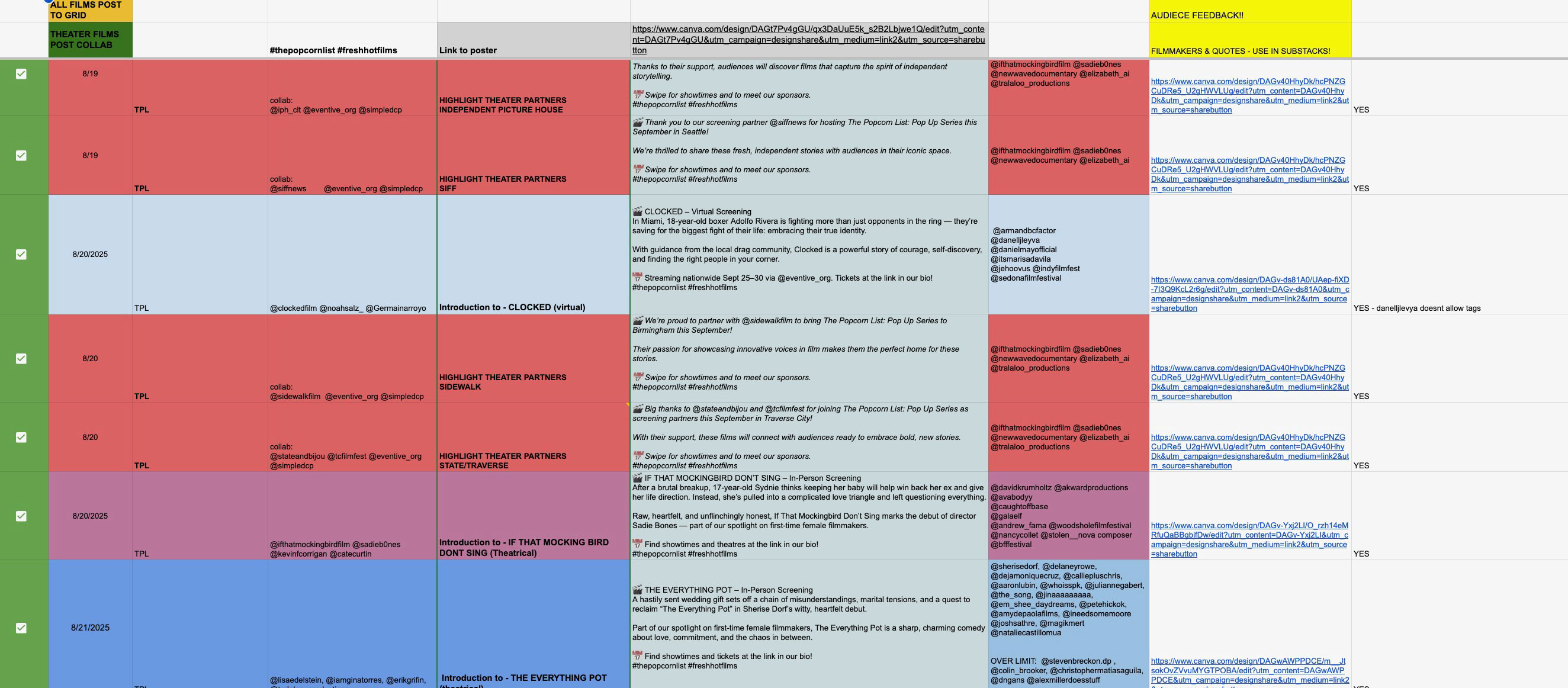
We began our marketing campaign in earnest on August 15th. Each film team was asked to share two posts that promoted all of the films/Series; and each team was guaranteed 3-4 unique posts. We collaborated on as many posts as possible with filmmakers, programmers, festivals, partners and theaters, and the team at Product of Culture cross-posted our content to Facebook and TikTok. In total, the campaign included 110 unique Instagram posts over the course of about 6 weeks. All in, we spent $4,500 on social media marketing (exclusively on Meta platforms).
Some filmmakers noted that the comms, posting schedule, and collab posts were overwhelming at times – a longer lead time for prep would allow us to streamline that process for ourselves and for participating filmmakers.
🍿 Cultivating Community & Capacity
For Filmmakers
Throughout the course of the year, we aimed to create community and opportunity for TPL filmmakers. We hosted group Zooms for networking, introductions to field experts and informational calls throughout the Series. Filmmakers got a peek behind the curtains, in real time, at what it’s like to organize a Series, received social media education from Product of Culture, and learned from each others’ strategies, successes, and failures.
Highlighting the Role of the Curator
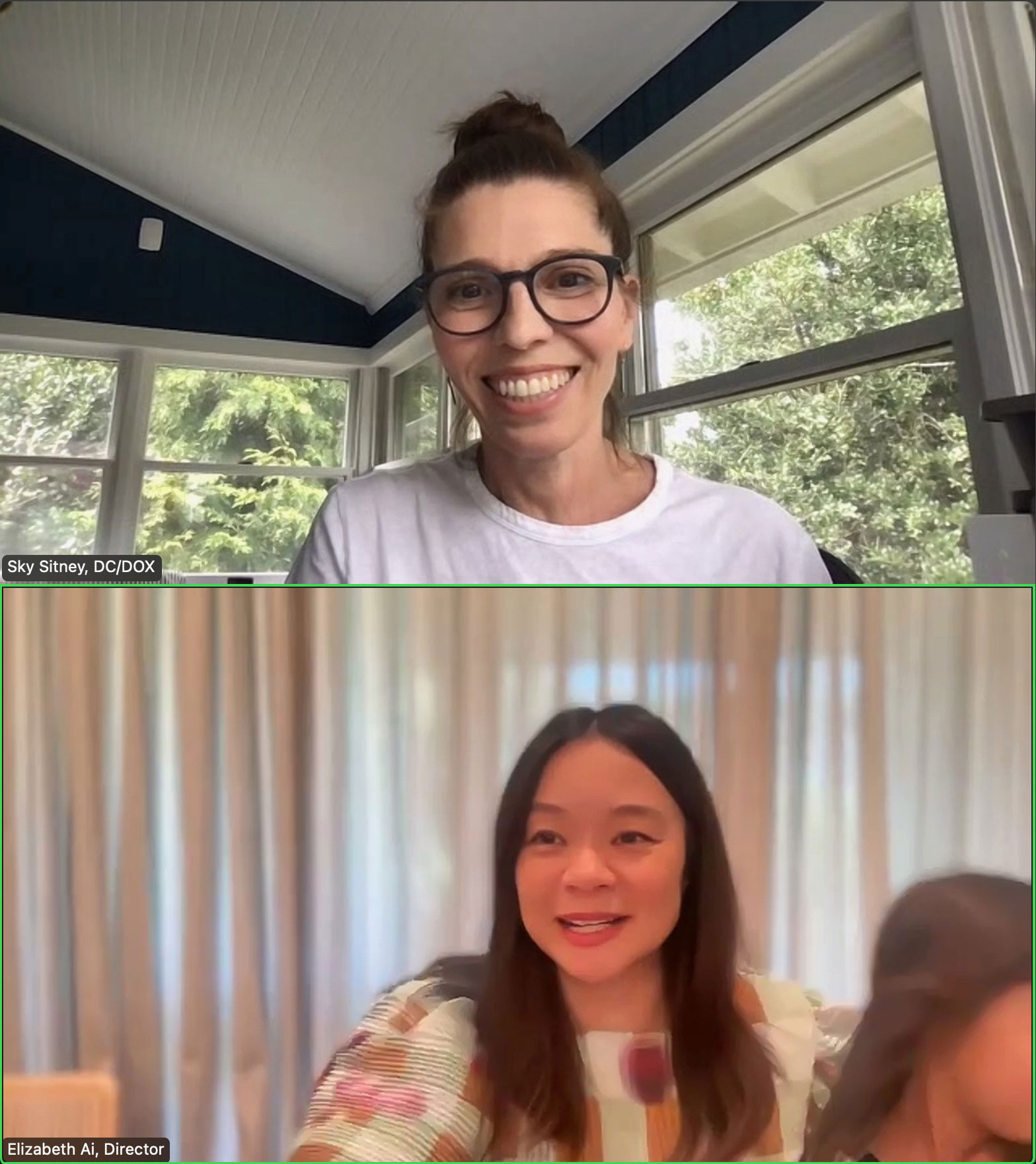
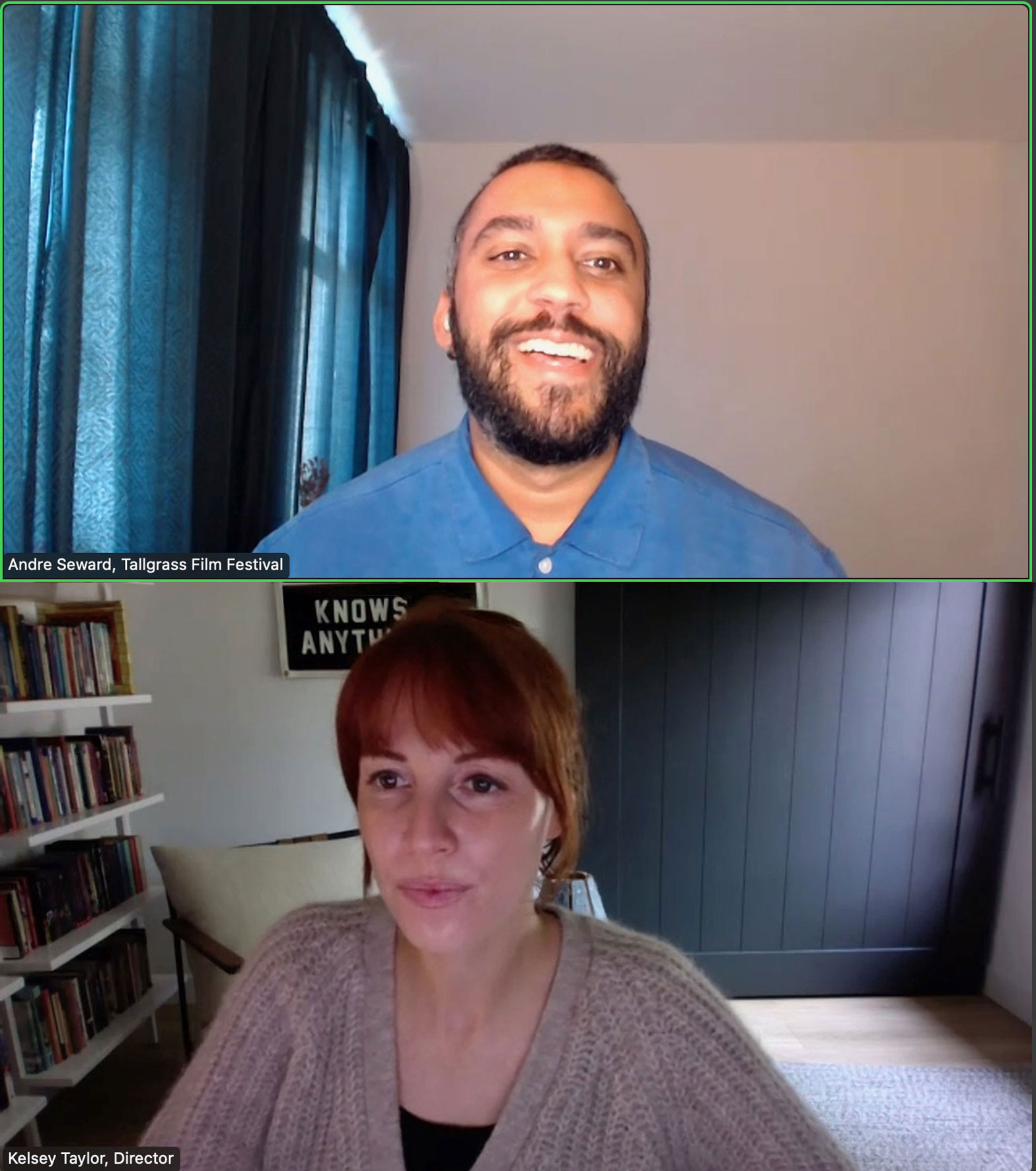
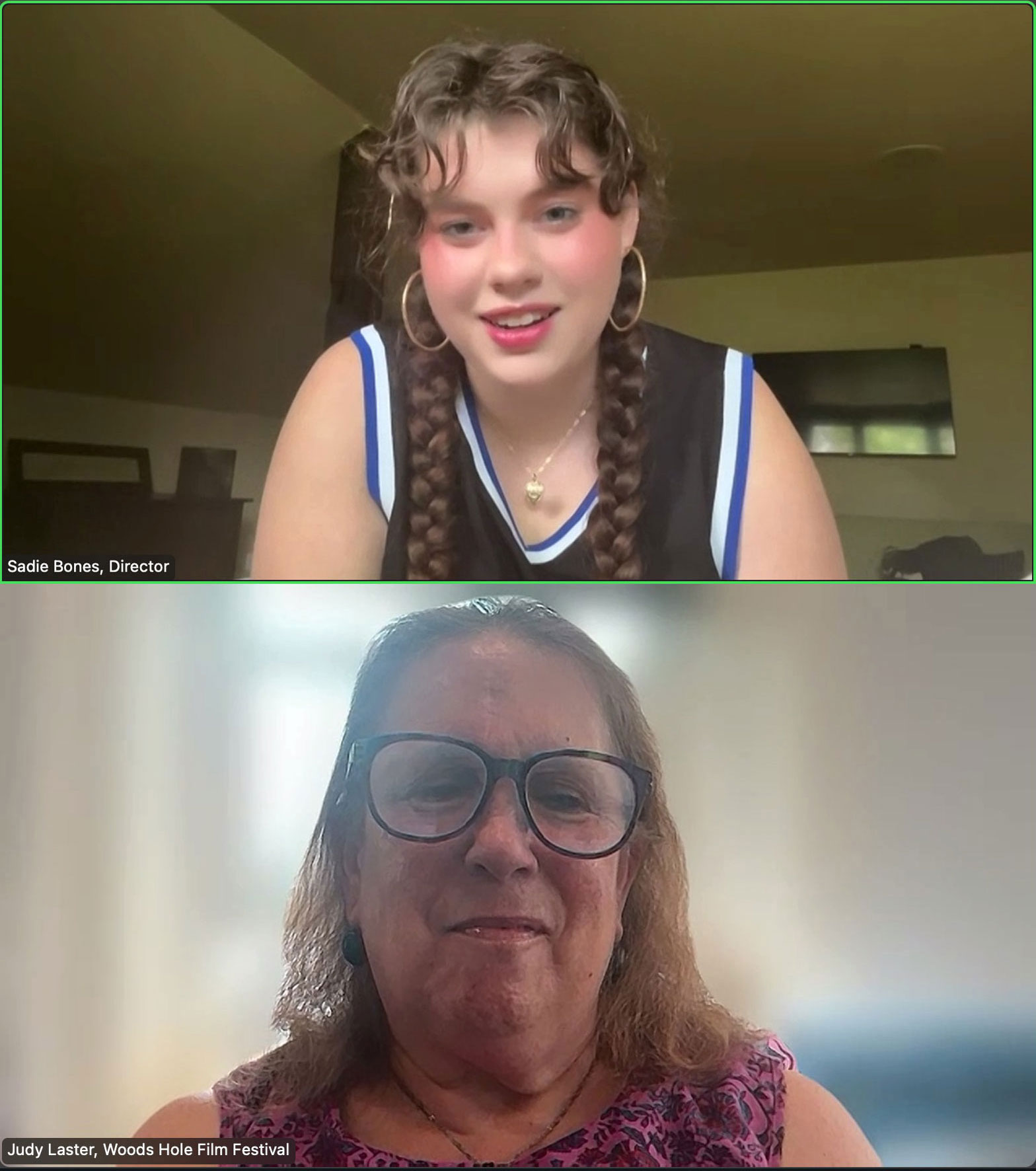
With no travel budget we pre-recorded short intros for every film with the film’s Director and the Programmer who recommended the film to TPL. This allowed audiences to connect with the storyteller and the curator who championed it – setting up TPL films with context and offering a human face in today’s disconnected world. It was important for the Series identity for audiences to have a better understanding of how and why they were watching these films.
Screenshots from the pre-recorded intros
Key Partners Stepped In
As it garnered more visibility, in-kind partners and donors came aboard to support the Series and our own capacity. Thanks to our fantastic partners, who made the Series happen in record time and who trusted us to try something new, together.

Hope for Film/Ted Hope
Ted Hope’s and his Hope for Film Substack have been partners since the first iteration of The Popcorn List in 2024. He offered the Series additional visibility and offered to match $5,000 in donations.
Eventive
Eventive came on as an in-kind partner to host the virtual portion of the Series. They also participated in the cooperative marketing campaign, doing a matching ad spend on socials, and showcased The Pop Up Series as a featured channel on their homepage for all of September.

Facet
In June, Maida Lynn and her philanthropic Facet LTD swooped in with a donation of $25,000, which gave us the ability to do paid ad spends on social media, hire extra muscle to implement our social posting calendar, cut a Series trailer, print stickers, compensate ourselves, and more.
Product of Culture
Product of Culture came on early as in-kind partners, designing our collaborative social strategy, implementing a robust calendar of posts throughout the month and beyond, and providing comprehensive analytics and follow up.

Roseade Wine Spritzer
Our very first brand partner, Roseade collaborated with us at Vidiots to offer a special combo price for spritzer and popcorn for anybody attending the LA screenings.

Simple DCP
Simple DCP came on as an in-kind partner to help us author DCPs for the filmmaker intros and the trailer to package each film’s deliverables into a neat, one-click download for theaters.
🍿 The Results: Did We Achieve Our Goals?
The Series was just a twinkle in our eye on February 9, 2025 and was in the bag by September 30. In order to analyze our success we collected the following:
- Filmmaker surveys: 7/8 film teams responded
- Theater surveys: 9/10 theaters responded
- Audience surveys: 69 respondents from across 9 cities and nationwide virtual
- Social media metrics: Product of Culture synthesized Meta metrics
- Box Office Receipts: From all theaters and Eventive
This year served as a beta; thus our metrics of success focused on participant satisfaction versus financial return. Note: with 7 film teams, 9 theaters, and 69 viewers responding, we don’t have the data to support a full statistical analysis. However, the anecdotal evidence included below is still valuable for us as we revise the Series for 2026, and informative for the field at large.
Overall, the general feedback we got from filmmakers, theaters, and audiences as to their experiences with this new model was very positive.
Goal #1: Experiment with a collaborative, ‘non-theatrical’ distribution model
Regarding the collaborative model, 100% of filmmakers agreed that the Filmmaker Solidarity Pool “was an asset”, though the question “collaborating with other filmmakers was to build audiences and support for each other’s films was useful” received mixed reviews, with 3 responding “Strongly Agree,” 3 responding “Somewhat Agree,” and one responding “Disagree.”
From our filmmaker survey, all responding films indicated that they would recommend participating in the TPL Series to fellow filmmakers, and their satisfaction scores averaged 8.14/10. What are the top things they took away from this experience?
“Understanding that marketing assets are very important.”
- “Understanding local press and outreach/community are necessary.”
- “We could directly see that you get what you put into it!”
- “I thought this was really interesting to include a solidarity pool and I thought it helped share the love amongst everyone.”
A major metric that is not to be overlooked is that the Series worked: the filmmakers trusted us with their projects, the theaters and Eventive came on board to exhibit the films, and the audiences showed up.
Goal #2: Facilitate access for theaters to festival darlings before their wide release
One of the Pop Up Series’ main goals was to help exhibitors access these films, and to support these films with a marketing push. 88% of theaters said that the level of marketing support they received from TPL was “Greater Than” the “amount of support they typically receive from small distributors or individual filmmakers.”
100% of responding theaters said they would be interested in participating in the Series again and expressed a general sentiment that the Pop Up Series is very mission-aligned for them. Open-ended feedback included the following notes:
- “We feel it is important and worthwhile to support independent filmmakers and give them an avenue in which to show their art.”
- “The Popcorn List Pop Up Series was exactly the breath of fresh air we needed as a small non-profit arthouse theater in the Midwest. You can tell they (TPL organizers) care as much about finding creative solutions to the problem of independent movie theaters and IRL audience attrition as they do about uplifting great films & filmmakers.”
Anecdotal feedback also indicates that not only was this goal clearly communicated, it was successfully achieved:
- “TPL lets us bring the films that matter—those the world hasn’t seen yet—directly to our audience, expanding the path from filmmaker to viewer. We look forward to bringing it back next year!”
- “TPL is a brilliant idea to spotlight overlooked gems on the festival circuit, particularly in a time of uncertainty in theatrical distribution.”
- “We loved hosting! There are so many amazing films that don’t get picked up post festival and this is a wonderful way to ensure that these important films don’t get lost in a void. We look forward to future events!”
From the filmmaker point of view, while the virtual had value, the ultimate goalpost remains big screen exhibition. In designing the Series, we did our best to create equal opportunities for all participating films, but we must acknowledge that just by the nature of a hybrid series, the three in-person films got outsized benefit compared to the virtual titles. This is a potential direction to develop the Series moving forward:
- “I never thought a theatrical release would be attainable for us before TPL.”
- “Access to the film from anywhere in the country was super beneficial!…[but] in person events are always appreciated. I think that’s the best way to support us.”
- “You could be of assistance by connecting us with a group of theaters that you have connections with so we could work alongside them to get screenings.”
- “I’m hoping that by getting on the list… it would be enough of a boost to convince theaters to program the film.”
Overall, a combination of in-person and hybrid access for films seems to be the best path forward to achieve the most opportunities for TPL films, reaching audiences that don’t have access to art house theaters, but still leaning into the traditional art house circuit and the importance of the communal viewing experience.
Goal #3: Cultivate audiences for TPL films fueled by the discovery nature of film curation
Audiences enjoyed the experience of the Pop Up Series, both in theater and virtually – and to a significant extent, they were motivated by the same metrics as the theaters:
- 46% attended the Series to support independent filmmakers
- 83% would attend another Pop Up Series screening
The majority of respondents fell into the 35-54 age range, skewed 71% female and regularly attend movies in the theater. Furthermore, the industry has long known that “word of mouth” generates the best ticket sales, and 34% of audience respondents said they learned about The Popcorn List from a friend. But even more importantly, when asked, 89% of respondents answered they were “highly likely to recommend TPL films to a friend.”
We were also excited to see the audience’s love for independent cinemas, who play a large role in the ecosystem and life span of an indie film:
- “(I attended) Because I still adore and prefer watching films on the screens they were intended to be conveyed on, and with an audience.”
- “Great theater, glad to know about it!”
- “The staff was so nice. I love supporting theatres like this one.”
A surprising result was to find that 41% of respondents said they had never been to that arthouse theater before – which shows us that we are successfully reaching new audiences not just for the films, but for the theaters as well.
And a note about virtual: Although virtual has lost some of its luster for filmmakers this far post-pandemic, audience feedback that suggests they still appreciate the access:
- “It was wonderful to access a new indie film. I live in a city with no art house cinema and my young kids keep me closer to home”
- “Excellent selection of interesting films. Streaming option was important.”
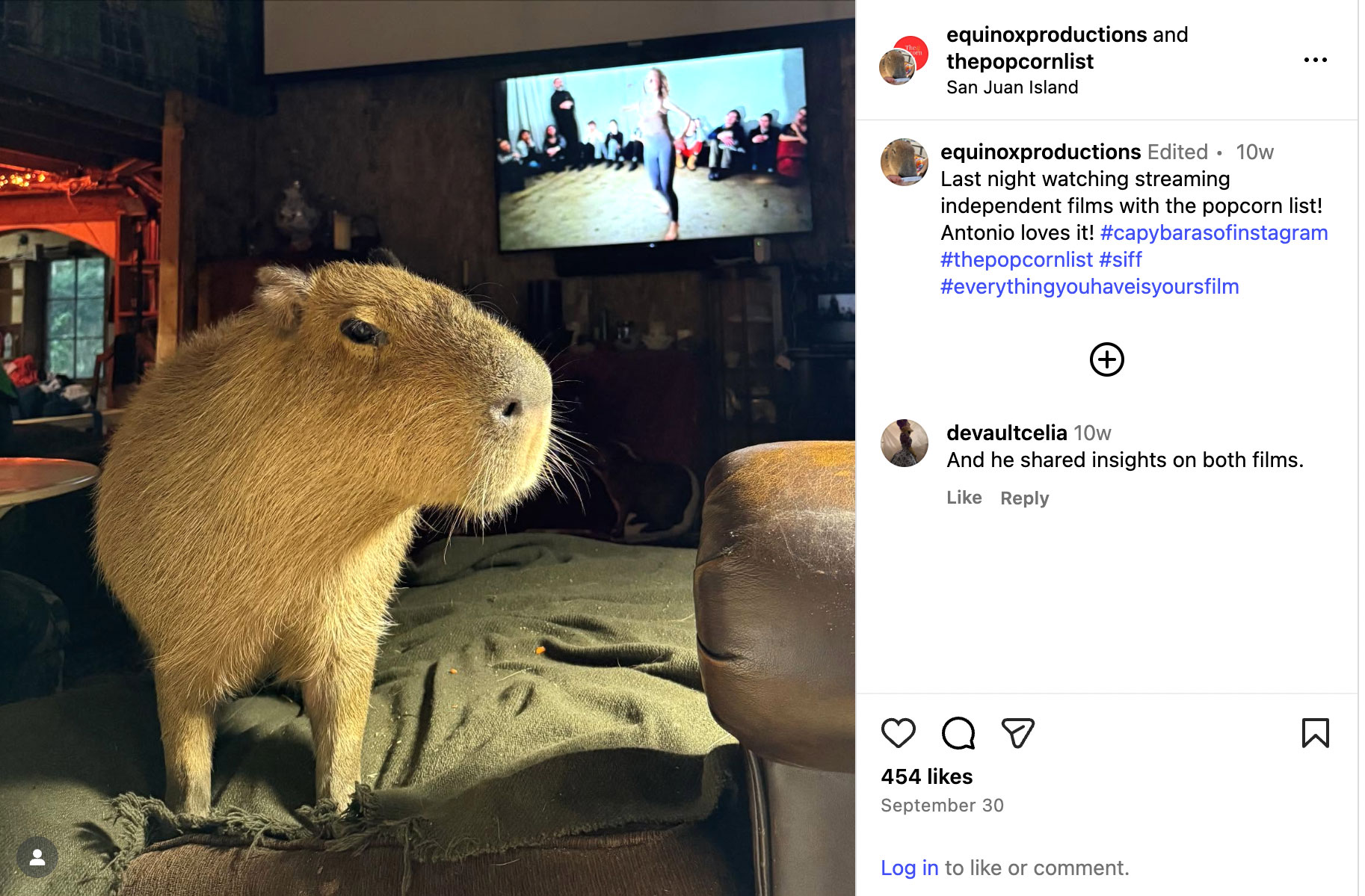
Anecdotal feedback from audiences indicates that the curation-forward messaging came across and was valuable to the attendees. When asked “why they would come back to a TPL screening” responses included:
- “To discover cinema gems and support filmmakers.”
- “Great to see a film different from mass releases.”
- “Good film selection.”
- “It was affordable, convenient, and I loved the Q&A with creators beforehand.”
- “It’s a really neat thing! I like supporting programmers doing their jobs and telling me what movie I should see! They’re usually correct!”
- “Because it’s cool to see a movie before it gets distribution and/or goes to VOD!”
- “It was an impactful and meaningful pick, i’d be interested to see other picks from the list!”
Social Media Metrics
Our social metrics told a similar story of broad reach not driven by paid ads or even necessarily by our own followers, but by organic discovery through collabs and cross-promotion. From the report generated by Product of Culture:
- Reach:
- Total Accounts reached: 133,841
- Total views: 568,526 (0.8% from ads)
- Total interactions: 7,577 (48.8% from followers / 51.2% from non-followers)
- Profile activity: 3,454 actions (+66.6%)
- 3,137 profile visits (+62.7%)
- 317 external link taps (+118.6%)
More than half of all engagements now come from non-followers, showing strong organic discovery and shareability.
- Engagement Sources:
- Followers: 48.8%
- Non-followers: 51.2%
- Accounts reached: 133,841
High share and non-follower rates suggest content is traveling beyond the core audience.
Box Office:
While the Box Office for 2025 was relatively modest, it was within the range we anticipated for a first-time Series that is still building its brand. Box office results were:
- In-person: 773 Tickets sold, $7,712.61 box office gross
- Virtual: 291 Virtual views, $3,001.15 virtual gross
- Total hybrid: 1,064 audience members, $10,713.76 gross
- Of the top 3 grossing films, one was virtual
As part of our commitment to transparency, we did our best to update a live shared BOR Google Sheet, so that the film teams had visibility into sales in real time. We also received some donations through Eventive’s portal, which we opted to split with the filmmakers.
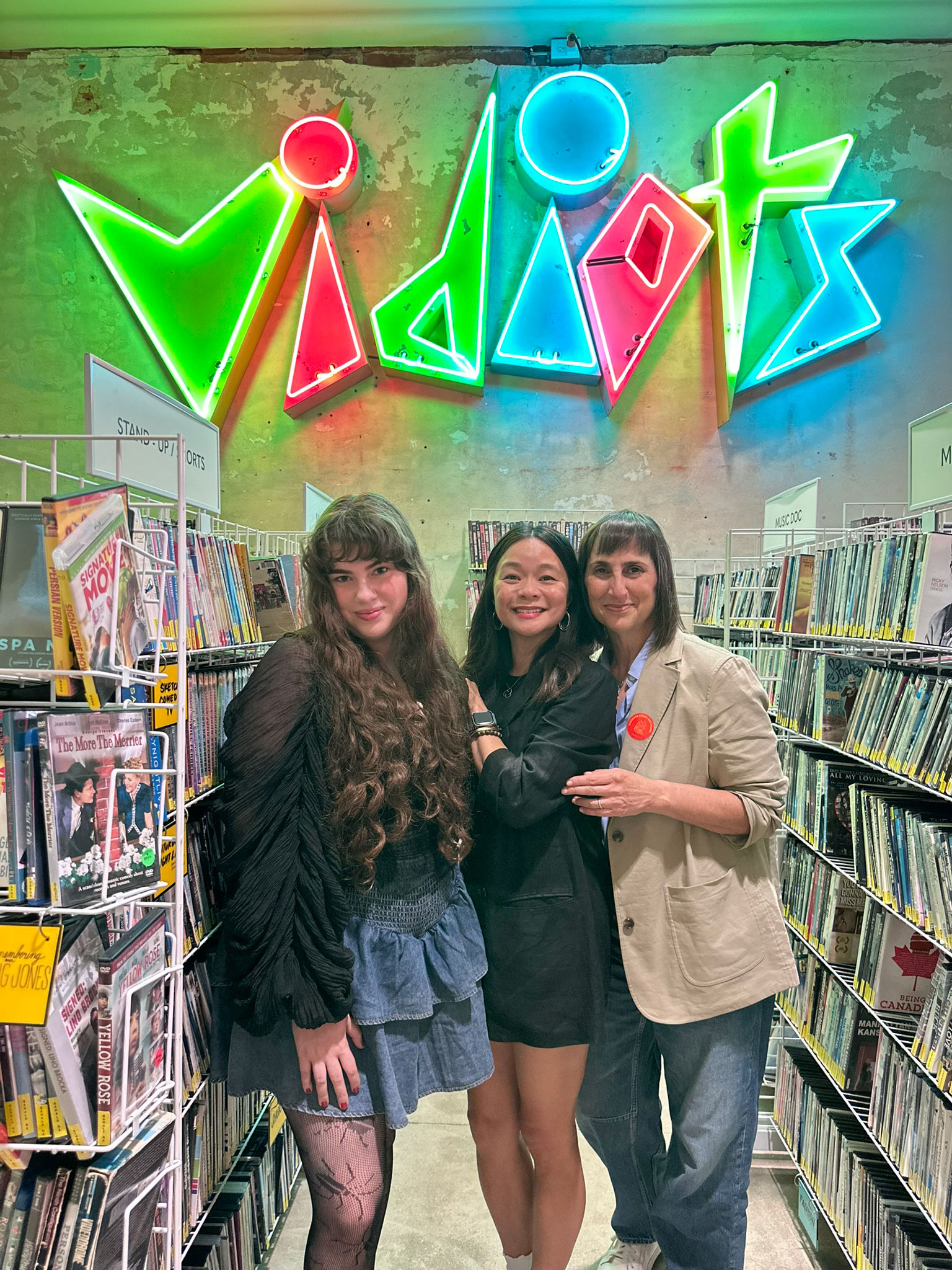
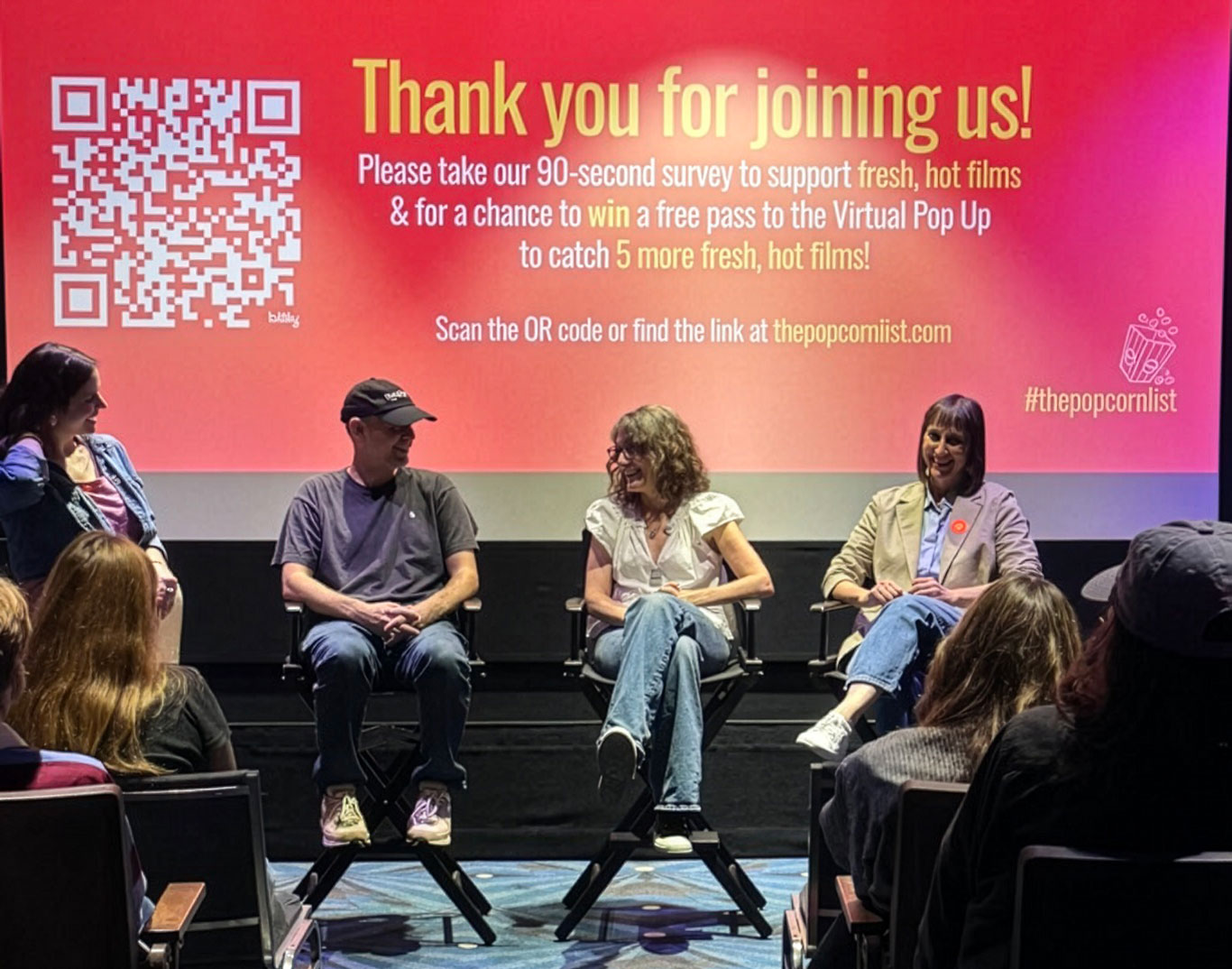
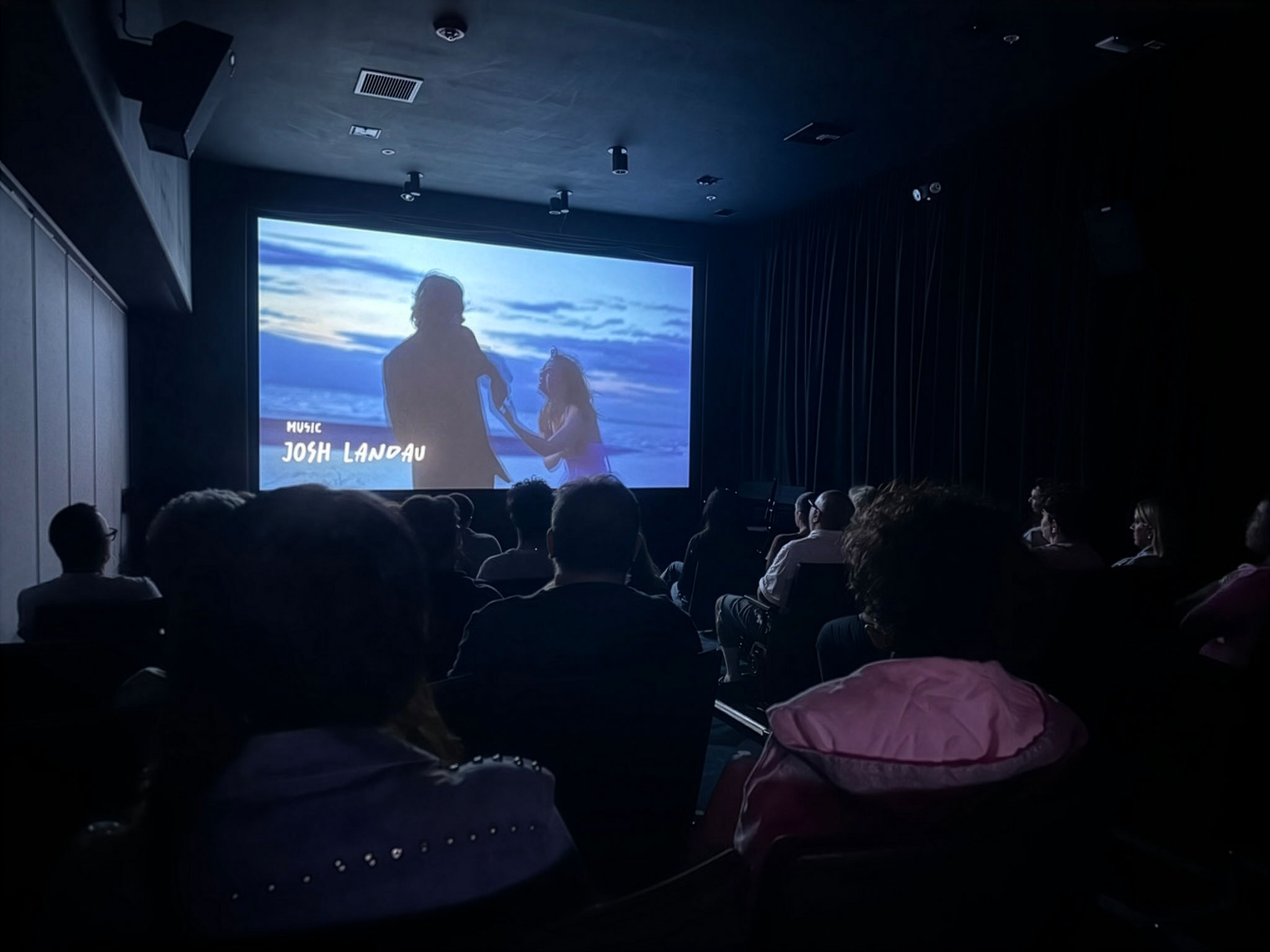
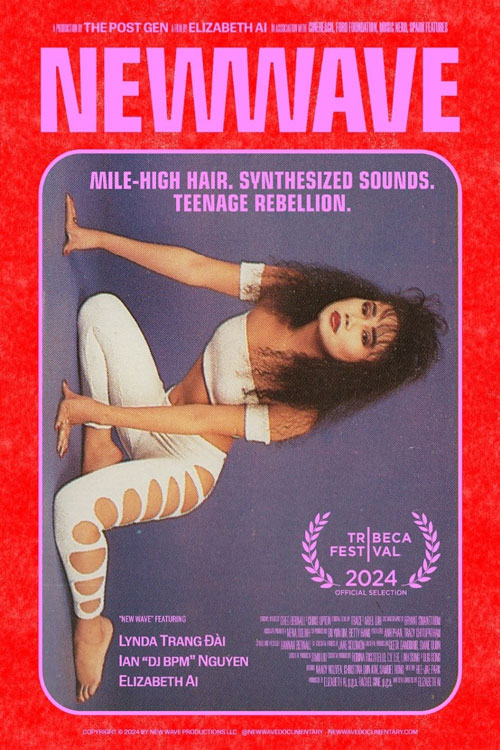
Ticket sales were correlated directly to the level of social media engagement on each film team’s side and their consistent outreach on socials drove significant ticket sales leading up to and during the virtual window. The most successful in-person screenings had filmmakers in attendance, or were eventized (e.g. The State Theatre offered a catered Vietnamese dinner to compliment NEW WAVE). The 3 sold-out screenings at Vidiots microcinema took place all in one day, allowing us to concentrate promotional efforts to a small window of time, create urgency around the scarcity of tickets, and draw audiences with a filmmaker Q&A–making this “mini-fest” a Series highlight.
Goal #4: Create capacity-building and networking opportunities for new and established filmmakers
One of our top priorities in the inaugural Series was filmmaker solidarity, both financially and in practice. We wanted the teams to feel like a cohort, to support each other (on socials and off), and to feel like they all had an equal stake in the Series.
Throughout the course of the Series, when the filmmakers came together (in-person and online) a lot of great energy, inspiration, commiseration, and innovative ideas were born. The film teams told us that it was encouraging to hear that other filmmakers were going through the same struggles.
Filmmaker surveys showed us that all of the film teams are keen to be part of a TPL peer mentorship program and anecdotal feedback around community-building included that filmmakers gained:
- “A feeling of solidarity with other filmmakers without distribution.”
- “New connections in the industry.”
- “A sense of accomplishment.”
- “I’d be happy to connect with new audiences and other filmmakers however possible.”
- “What a wonderful way to be in community w/ some badass indie filmmakers white knuckling their way through this.”
- “Loved the camaraderie with our cohort. Wish there was a bit more!”
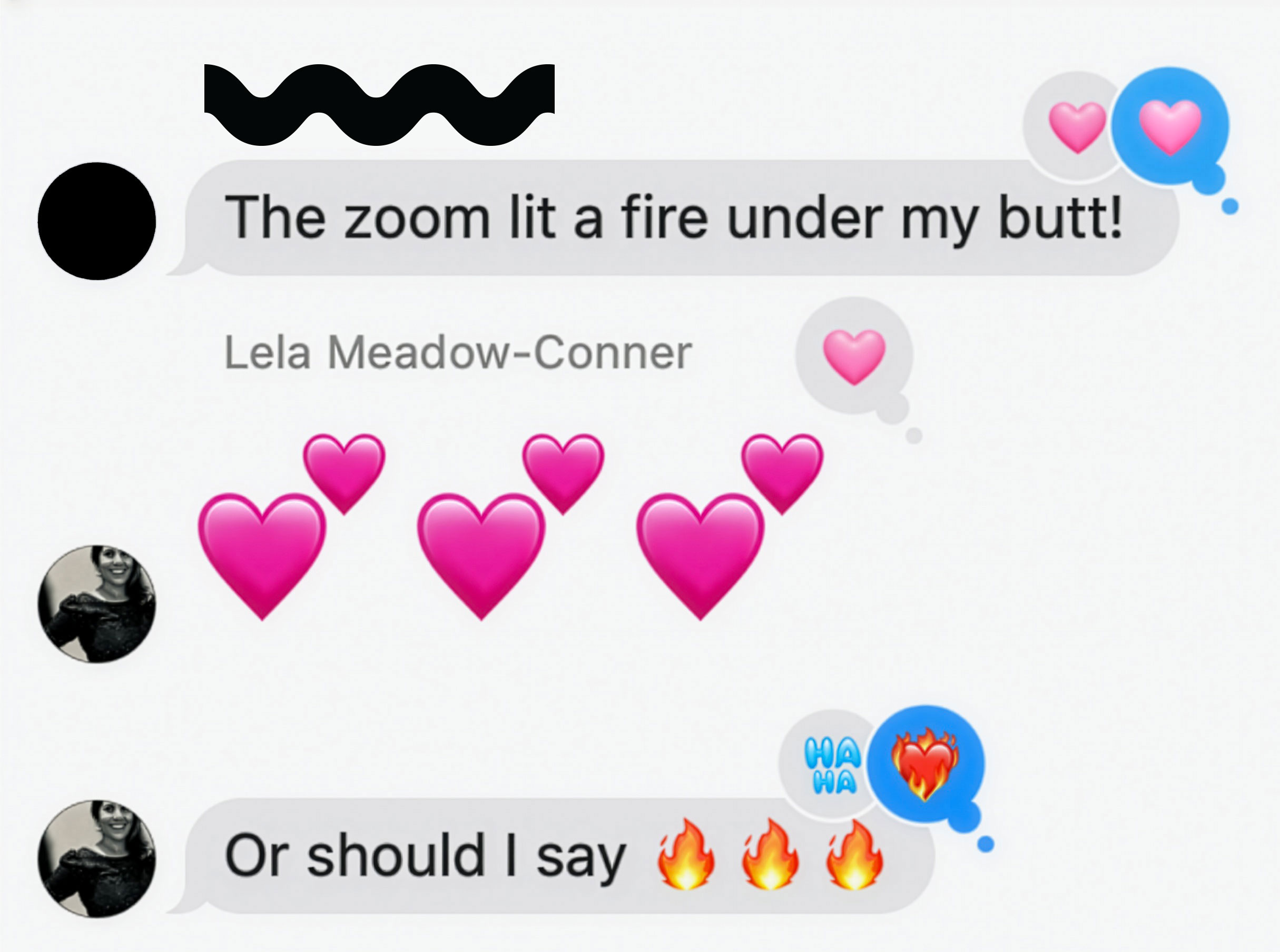
Connecting filmmakers in a cohort to discuss their journeys, their struggles, their questions – and also of course their successes and hopes and goals – was a breath of fresh air for everyone. Every film benefits when others succeed and vice versa. A rising tide lifts all boats. We make the tide together.
Goal #5: Serve as a springboard for wider distribution opportunities for TPL films
One of the primary goals of The List and the The Series is visibility for recommended films: visibility to audiences (we sold over 1,000 tickets and passes across the Series), social media presence (we had 568,000 views on our socials alone), and visibility within industry (IndieWire, Hope for Film, Filmmaker Magazine, etc.)
Many filmmakers reported having had conversations with distributors that were generated directly by their participation in the List and/or Series. We fielded some outreach from theaters interested in booking films outside the scope of the Series – we put them directly in touch with the film teams. One film even scored a two-week theatrical run in New Zealand. We’re tracking the film’s journeys as they continue to release wider into the world and are excited to see them making moves that are outside the conventional paths for independent films.
Anecdotal feedback from filmmakers does indicate that they learned something about distribution (in particular, self-distribution) from participating in the Series, and that they came away from the experience more empowered than when they went in. When asked “what does the term “not having distribution” mean to you at this moment?,” responses included:
- “Freedom.”
- “Opportunity.”
- “Control.”
- “Being a Punk Rock Muthfkr.”
- “The journey with this film isn’t over.”
- “We are letting go of a traditional distribution pathway. Our dreams have shifted organically and TPL has been a part of that journey.”
- “Made us more aware of other routes to get eyes on the project that don’t include aggregators or needing to take “the least crappy” deal.”
- “Being able to retain theatrical rights.”
🍿 The 2026 Popcorn List: Pop Up Series
As we move into the next iteration of the Series, we’re thinking about building our audience-facing brand, expanding opportunities for TPL films and fundraising for additive and supplemental elements. Some of the things we’re taking into consideration include:
- Expanding theatrical opportunities to more films and more cinemas.
- Hiring a publicist is always a gamble, but earned media is valuable.
- Lengthening promotional timeframe with a focused spend to & asset to build audience engagement.
- Offering travel support for filmmakers to attend screenings brings out audiences.
- Offering ‘Popcorn Stipends’ so theaters can provide free or discounted popcorn to audiences as part of our brand.
- Scheduling the Series to take advantage of theater’s more available months, and strategize the virtual window accordingly.
- Cultivating more collaborative opportunities to grow networking and capacity-building opportunities for and within the TPL Filmmaker cohorts.
- Expanding our budget. What would be ‘enough’ to execute this Series at the highest levels, checking all the boxes on this list? Our current estimate is over $150k per year.
- Being mindful of labor bandwidth: We’ll be more effective and intentional with how we spend our time and allocate resources.
For TPL, successful distribution means connecting films to audiences who would otherwise not find them; engaging in collaborative marketing and an incentivized financial model, introducing audiences to new filmmakers through the trust of known film curators; and building a community of networked filmmakers who uplift each other on their film’s distribution journey.
As the initiative and experiment grows into something bigger and better in 2026, we’re aware that we sit in the unique position of straddling lines, breaking boundaries, and participating in the discussion around redefining distribution. We know these parameters will continue to evolve with the times, and we want to keep The Popcorn List flexible, reactive and proactive to the industry’s ever-changing needs.
Stay tuned: The third edition of The Popcorn List drops January 5th, 2026.
Stay fresh, stay hot! 🍿🍿🍿
Lela Meadow-Conner (mamafilm) & Kathy Susca (The Film Collaborative)
(with special thanks to Maida Lynn for her invaluable guidance)
🍿 Appendix
*How does TPL work?
TPL is a curation of films recommended by film festival programmers who received a survey asking them to share a film that they believe: 1) deserves to be seen more widely and 2) does not have traditional distribution. TPL compiles all of the recommendations, and communicates with the film teams directly to confirm their eligibility.
Thank you to the Programmers who recommended films to 2025’s The Popcorn List:
- Nehad Khedar (BlackStar)
- Sean Flynn (Camden International Film Festival)
- Mimi Plauché (Chicago International Film Festival)
- Paul Sloop (Cordillera International Film Festival)
- Dan Brawley (Cucalorus)
- Sky Sitney (DC/DOX)
- Paris Burris (deadCenter)
- Matthew Campbell (Denver Film Festival)
- Allegra Madsen (Frameline)
- Kayla Meyers (IndieMemphis)
- Jason Hoffman (Indy Film Fest)
- Cara Ogburn (Milwaukee Film)
- Tom Hall (Montclair Film)
- Crystal Merrill (Mountainfilm)
- Nick McCarthy (NewFest)
- Barak Epstein (Oak Cliff Film Festival)
- Jim Farmer (Out on Film)
- tt stern-enzi (Over-the-Rhine Film Festival)
- Isaac Zablocki (Reel Abilities)
- Lisa Simmons, Allison Simmons-Uvin (Roxbury International Film Festival)
- Beth Barrett (SIFF)
- Paul Sbrizzi (Slamdance)
- Heidi Zwicker (Sundance Film Festival)
- Andre Seward (Tallgrass Film Festival)
- Shailaja Rao (Tasveer Film Festival)
- Faridah Gbadamosi (Tribeca)
- Karen McMullen (Urbanworld)
- Judy Laster (Woods Hole Film Festival)
- Meira Blaustein (Woodstock Film Festival)
*Why the data shows us that there are opportunities within the sector:
- Theatrical releases generate 8x more social buzz than streaming-only releases (MarketCast 2023).
- 78% of US moviegoers go to theaters due to word-of-mouth (Market Data).
- 74% of Gen Z & Millennials prefer originals to remakes and value diversity onscreen, and 71% want to see more indie content. (Tubi)
- Theatrical runs are thriving for films lacking traditional distribution: No Other Land, Hundreds of Beavers
- In 2025 Gen Z will purchase more than 452 Million movie tickets
The Films
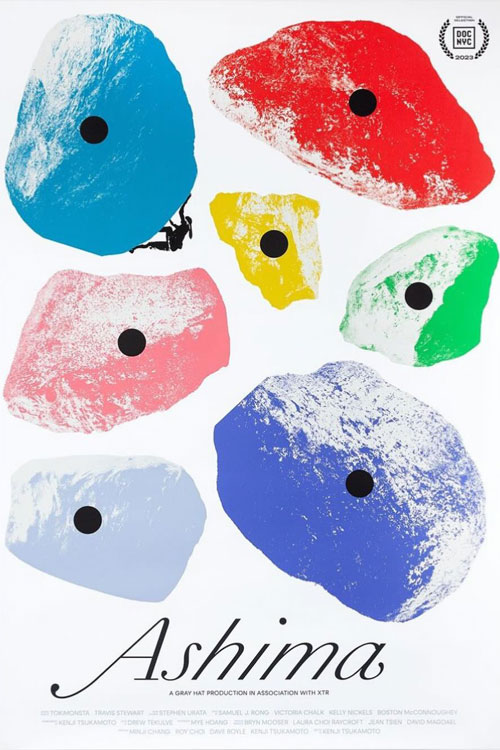
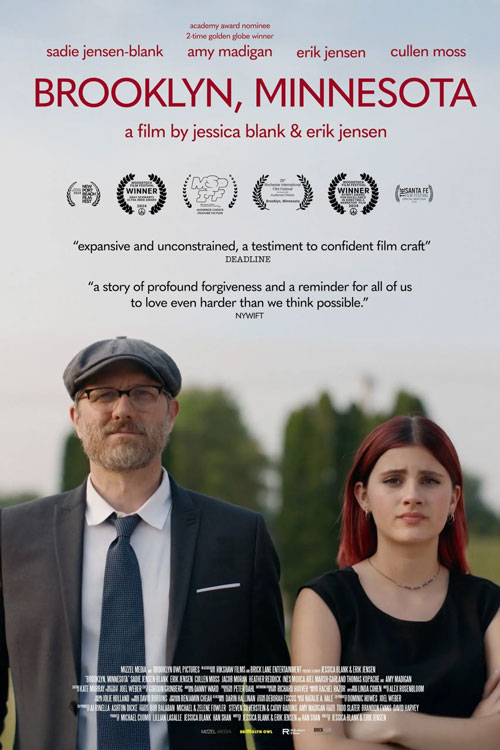
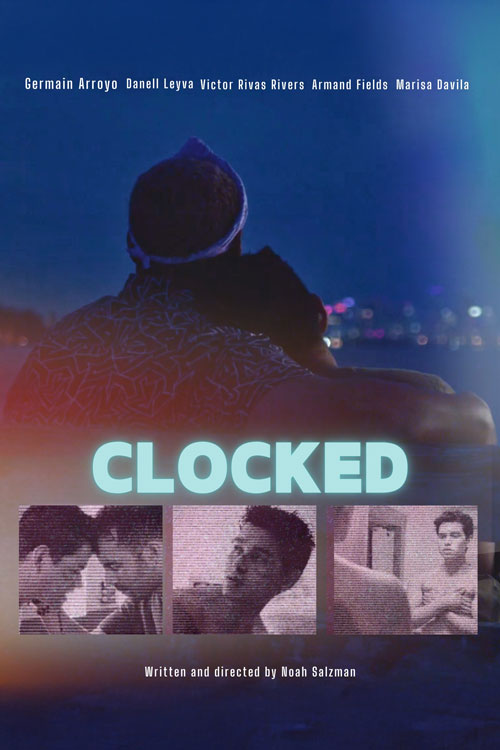
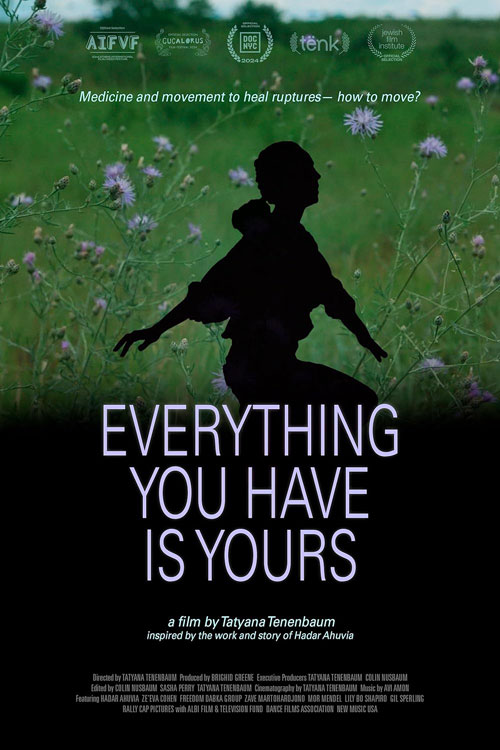
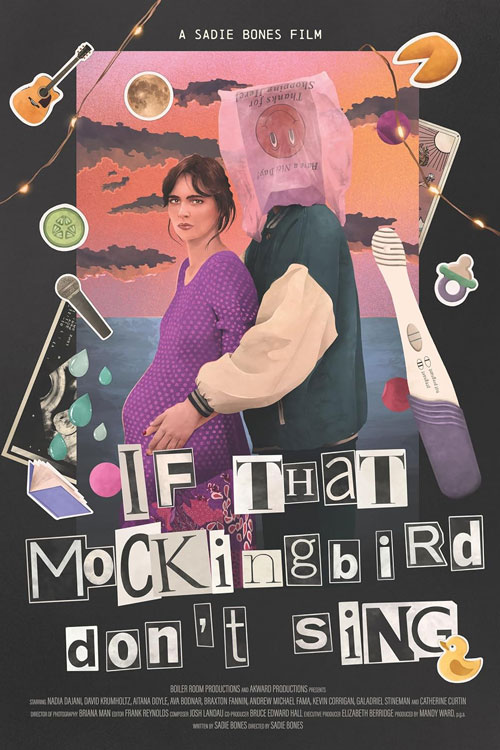
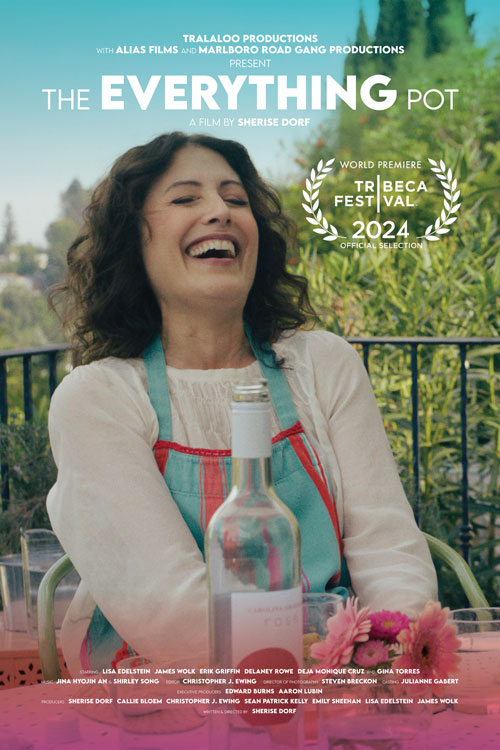
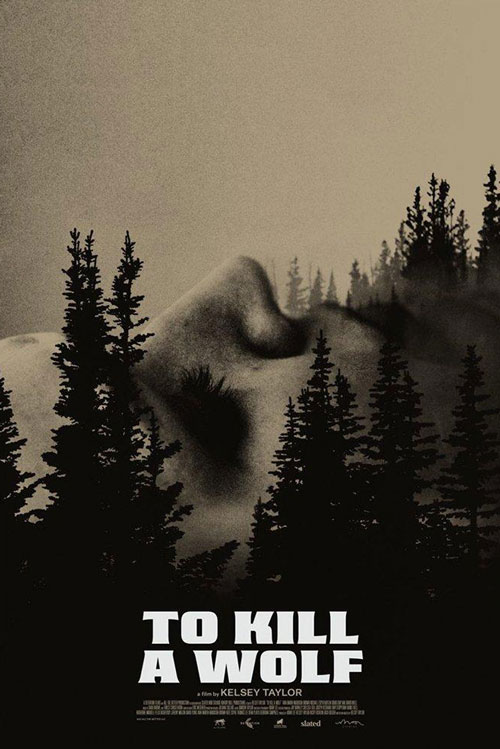
Eight of TPL’s 2025 recommended films trusted us to help bring their films to audiences:
The Theaters
- SIFF Film Center (Seattle, WA)
- cinéSPEAK (Philadelphia, PA)
- The Downer (Milwaukee, WI)
- The Independent Picture House (Charlotte, NC)
- Sidewalk Film Center (Birmingham, AL)
- State Theatre (Traverse City, MI)
- Vidiots (Los Angeles, CA)
- Roxie (San Francisco, CA)
- FilmScene (Iowa City, IA)
- Nightlight Cinema (Akron, OH)
Special Thanks: Archana Jain, Barbara Twist, Charity Hicks, Charlotte Simmons, Chris Hiti, David Averbach, Emily Christensen, Eric Moore, Fire on the Bluff, Gabrielle Wray, Garrett Sargent, Iddo Patt, Isis Masoud, Jeffrey Winter, Karl Ziegler, Kim Kauffman, Kylie Brown, Lynnette Gryseels, Maida Lynn, Marco Paolieri, Monika Sharma, Nina Winter, Onni Creative, Orly Ravid, Rich O’Brien, Robin Rose Singer, Ted Hope, Tejaswi Bhavaraju, Todd Looby, Trent Nakamura, Victoria Ash and to all the filmmakers, programmers, exhibitors and audiences who helped bring the Series to life.
Kathy Susca December 31st, 2025
Posted In: case studies, Community partnership, Distribution, DIY, Documentaries, Film Festivals, Publicity, Social Network Marketing, Theatrical, Trailers
TFC’s Distribution Days is upon us!
by David Averbach, Liz Manashil, and Orly Ravid
Next week, The Film Collaborative is holding a free virtual distribution conference, Distribution Days, which will offer concrete takeaways on the state of indie distribution and how filmmakers can navigate it. Attendees will hear from exhibitors, distributors, consultants, and filmmakers, some with case studies, as they describe and reflect on the landscape.
This conference hopes to help filmmakers develop critical thinking skills around distribution by looking at what is and what is not viable within a traditional distribution framework. It will also offer some alternative approaches. Willful blindness or a doomsday mindset are equally unproductive.
So, we are offering this pre-conference primer to set the tone, take stock of what myths are out there, and talk about what thought leaders in this space are coming up with as ways to deal with the current landscape.
Here we go!
Remember the days when creators and distributors were lying back in their easy chairs, proclaiming their satisfaction with how independent cinema has been evaluated by the marketplace? Yeah, we don’t either…and we’ve been in the industry (in the U.S.) for more than two decades. Nevertheless, there is a pervading sense that the state of independent film has never been worse—and that we’ve been going downhill from this mythic “better place” ever since Sundance was founded in 1978.
Why do we insist on bemoaning a Paradise Lost when the truth is that being a filmmaker has never been a paradise? Filmmakers have always been confronted with predatory distributors, dense and confusing contract language, onerous term lengths, noncollaborative partners, lack of transparency, and anemic support, if any (just to name a few). For an industry that prides itself on creating and shaping stories that speak to diverse audiences, we should be better at articulating truer narratives about our field.
It doesn’t help that, at Sundance this past year, all one could talk about was how streamers were “less interested in independent film than a few years ago, preferring [instead] to fund movie production internally or lean on movies that they’ve licensed” and how Sundance itself was “financially struggling, presenting fewer films than in previous years and using fewer venues.” (https://www.thewrap.com/sundance-indie-film-struggles-working-business-model) Still others like Megan Gilbride and Rebecca Green in their Dear Producer blog have put forth ideas how Sundance should be reinvented completely.
But we all know that independent film isn’t just about Sundance. We have heard a lot of discussion recently about the need to reshape the narratives we tell ourselves regarding the state of the independent film industry.
Distribution Advocates, which is also doing great work chasing the myths vs. the realities of the field, also believes that we must all question “some of our deepest-held beliefs about how independent films get made and released, and who profits from them.”
In their podcast episode about Exhibition, economist Matt Stoller remarked how “weird” it is that even with all the technology we possess connect audiences, we’re still so “atomized” that all that rises to the top is whatever appears in the algorithm Netflix chooses for us in the first few lines of key art when we log in (and we will note that even the version of the key art you see is itself based on an algorithm).
But is it really all that strange? One of the main reasons that myths exist is that someone is profiting from perpetuating them. The same with networks and platforms and algorithms. And the more layers of middlemen and gatekeepers there are, the harder it is for us to see the forest for the trees. Keeping us in our algorithmically determined silos numbs us into not minding (actually preferring) that we are watching things—or bingeing things—from the safety and comfort of our living rooms. The ability to discover on our own content that aligns with our true interests or consuming content in a communal space has disappeared the same way that the act of handwriting has…we used to be able to do it but haven’t done it in so long that it feels unnatural and too time-consuming to deal with.
Brian Newman / Sub-Genre Media acknowledges that the problems remain real, but that what everyone is calling crisis levels seems to him merely a return to norms that were in place before the bubble burst. No one, he says, is coming to rescue “independent film”—certainly not the streaming platforms, which merely used it as necessary to build a consumer base.
Many have posited myriad ideas about how to bypass the gatekeepers. Newman echoed what TFC has been recently discussion internally: that instead of many competing ideas, we need them to be merged into one bigger idea/solution. Like, for example, an overarching solution layer run by a nonprofit on top of each public exhibition avenue that will aggregate data and help filmmakers connect audiences to their content. A similar idea was also discussed at the last meeting of the Filmmaker Distribution Collective in the context of getting audiences into theaters.
By exclaiming that “No one is coming to the rescue,” Brian really means that we are all in this together, and that it’s going to take a village.
We agree, but a finer point needs to be made.
Every choice we make moving forward—whether you are a filmmaker, distributor, theater owner, or festival programmer, what have you—could possibly be distilled into either a decision for the independent filmmaking public good…or for one’s own professional interest. Saying that a non-profit should come in and offer a solution layer to aggregate data is all well and good until it threatens to put out of business someone whose livelihood is based on acquiring and trafficking in that data. How refreshing was it to be reminded at Getting Real by Mads K. Mikkelsen of CPH:DOX that his festival has no World Premiere requirements? It reminds us of the horrible posturing and gatekeeping film festivals do in the name of remaining relevant and innovative. For us to truly grow out of the predicament we are in, some of us are going to have to voluntarily release some of the controls to which we are so tightly clutching.
Keri Putnam & Barbara Twist have an excellent presentation on the progress of a dataset they are putting together of who is watching documentaries from 2017 – 2022. They provide some other data that was very sobering:
Film festivals: comparing 2019 numbers to 2023 – there was a 40% drop in attendance;
Theatrical: most docs are not released in theaters and attendance is down even for those that are released.
But they also note that there is really great work being done in the non-theatrical space— community centers, museums, libraries – that is not tracked by data. TFC’s Distribution Days offers two sessions on event theatrical and impact distribution, so we’ll be able to see a tiny bit of that data during the conference.
We also know that the educational market is still healthy, and that so many have remarked of the importance of getting young people interested in film…so we have three sessions where we hear from the Acquisitions Directors of 11 different educational distributors.
We also have a panel from folks in the EU who will provide advice on the landscape and how best to exploit films internationally and carve our rights and territories per partner. And we’ll speak to all-rights distributors about what kinds of films they see doing well, what they are doing to support filmmakers—and what their value proposition is in this marketplace.
We have a great panel on accessibility, and two others that relate to festivals and legal agreements.
Starting off with a keynote from noted distribution consultant and impact strategist Mia Bruno, the 2-day conference aims to summarize the state of the industry while providing thought provoking conversations to inspire disruption, facilitate effective collaboration, and to aid broken hearts.
Regardless of whether current days are better or worse than the heydays of Sundance and the independent film of yesteryear, Distribution Days will identify the current obstacles of the independent film distribution landscape, and what we can hold on to—as a commonality—to evolve the landscape together in the future.
If you look a little deeper, you will see that, despite all the challenges, filmmakers have and can still achieve “success” when they understand the terrain, (sometimes) work with multiple partners with a bifurcated strategy, protect themselves contractually, and maintain and grow their own personal audience.
We hope you will join us. And for those of you that cannot make all of the sessions we are offering live on May 2 & 3, you’ll be able to catch up on what you missed via The Film Collaborative website after the conference is over.
We look forward to seeing you next week! And if you have not registered yet, you can do so for free at this link.
David Averbach April 25th, 2024
Posted In: case studies, Digital Distribution, Distribution, Distribution Platforms, DIY, Documentaries, education, Film Festivals, International Sales, Legal, Marketing, Theatrical
Launching a Theatrical on Demand Campaign: An Unvarnished Look at the Promise and Reality (Hint: Read to the end)
Dan Habib, director/producer of INTELLIGENT LIVES, is the creator of the nationally broadcast documentaries Including Samuel, Who Cares About Kelsey?, Mr. Connolly Has ALS, and many other films. His films have been broadcast internationally, nominated for Emmy awards, and translated into 17 languages. Habib was appointed by President Obama to serve on the President’s Committee for People with Intellectual Disabilities from 2014-2017.

Let’s be honest. Most documentary filmmakers dream of having our films projected on big, beautiful theatrical screens across the country, with gorgeous 5:1 audio and packed houses, sharing the experience as one.
But only a very small fraction of the thousands (tens of thousands?) of documentaries produced each year receive a national theatrical run. As I wrote in a blog last year, my last two feature-length documentaries were self-distributed and had solid film festival runs, extensive college/conference tours, financially successful educational and individual sales, and were broadcast on public television and internationally.
I never seriously pursued a theatrical run for those films because a) traditional theatrical distribution seemed highly unlikely, b) getting the film into theaters without a distributor seemed daunting and expensive, and c) there were several alternative distribution options to achieve our goals for positive social change.
For my new documentary INTELLIGENT LIVES, we took the plunge: we added a limited theatrical distribution plan onto our established hybrid release strategy as a way to:
- Dip our toes into theatrical release
- Reach new audiences and expand our “Opening Doors” social impact campaign
- Expand the national buzz for the film
- Make the film more attractive to distributors and broadcasters
- Give people around the country a fairly simple mechanism for hosting screenings and discussions of the film, and;
- Maybe even bring in some revenue (more on that later).
We decided to simultaneously release and self-distribute (for now) a robust INTELLIGENT LIVES Education Kit (containing the film, five short companion films, and extensive educational materials) concurrent with the event theatrical campaign—a decision that has paid off, as you’ll see below.
Building an outreach and distribution team.
I worked with a wonderful national outreach strategist, Lisa Smithline of Cultural Front Productions, who had worked successfully with Tugg and Gathr, two of the major “Event Theatrical” (Tugg’s language) or “Theatrical on Demand®” (or TOD, Gathr’s language) companies on other projects. Lisa and I also worked with consultant Jon Reiss of Hybrid Cinema, who has extensive experience in event theatrical. Jon helped us make many crucial early decisions about our overall distribution strategy. We also received key early input from Jeffrey Winter and Orly Ravid at TFC when we came on board as a TFC “Conspirator.”

We spent months researching our options and went with Gathr largely because of their filmmaker focus and support. The model for TOD is similar to other event theatrical platforms: a person or group of people need to step up and host a screening in their community (Gathr calls them “Captains”) and then they need to do the grassroots work to make sure enough people reserve tickets in advance in order to ‘tip’ or ‘greenlight’ the screening. That ticket number can range from a few dozen to close to a hundred, depending on the minimum cost charged by each theater. There are other costs that are factored in before a screening tips, including the DCP rental and delivery cost, and virtual print fee (VPF).
We are now three months into our Gathr TOD campaign, and the film has screened in 60 theatres across the country to date (which includes 16 theatrical screenings as part of a traditional run in a Pacific NW chain), with dozens of other communities holding screenings using our Education Kit. Here’s what we’ve learned so far.
For successful TOD, as for any hybrid distribution strategy, you have to create buzz, credibility, and take financial risks.
Like nearly every other filmmaker, we spent lots of time and money pursuing film festival acceptances, with mixed results. Although we weren’t accepted by the “game-changing” festivals like Sundance or Tribeca, we were given primo slots in 20+ fantastic festivals including Ashland IFF, IFF Boston, Bentonville, & Cleveland IFF. Our film stars and our Executive Producers (Chris Cooper, Marianne Leone Cooper, and Amy Brenneman) traveled to many festivals and special events with us. These fests helped us create strong social media buzz, generated news stories and local reviews, and gave us a credible collection of laurels for our website, poster, etc.

Our publicist, Emma Griffiths, counseled us to take a financial risk and 4-wall a NYC theatrical week, assuring us it was the only way to get national reviews. It’s not cheap (10K and up) and we never expected to recoup our costs. But we were able to line up two underwriters who cut our costs in half. We’ve heard that the NY Times declines to review about half the films that open theatrically in NYC, and we fell into that shunned half. But we received a wonderful review in Hollywood Reporter, and more reviews and articles in Salon and a dozen or so other trade publications. Our Rotten Tomatoes score holds steady at 88% Fresh from critics and 100% Fresh from the audience.
Just before our NYC run, we released our trailer on Facebook and it went viral (at least by our measures), with 300K+ views and 5,700+ shares to date. We brought on social media consultant Sheri Candler who helped us create and execute a serious but affordable strategy for paid and organic social media.
You need to reach A LOT of people for a successful TOD campaign: Develop a network of outreach partner organizations.
All of my film work touches on disability rights and inclusion, and over the past 10 years we’ve been building alliances with national partner organizations that have overlapping interests. We strengthen and refine that network with each film, and we are partnering with more than 30 Outreach Partners for INTELLIGENT LIVES. More than a year before our launch, we held a daylong national strategy summit in Washington, DC with the leaders of these organizations, and during part of the summit we briefed them on the concept of a TOD campaign. Discussions at the Summit led to the name and content of our “Opening Doors” impact campaign. We had commitments from these organizations to regularly share updates about our project with their network – expanding our reach to millions of people, without paid advertising. Many of our TOD “Captains” found out about the film through these networks.

Make it easy and fun to host a screening.
If you assume that people will start hosting screenings just because your film is listed on the Gathr/Tugg website, THINK AGAIN! You need to recruit, support, and nurture screening Captains each step of the way.
As a team, we spent about 80 hours writing and designing our Host a Screening PDF Toolkit and a wide array of related images and resources. Lisa Smithline, Sheri Candler, and Gathr staff helped us determine what assets needed to be created, and shared examples from other films with us. Probably the most important team members on this front are our freelance designers, who created the PDFs and images we share with all TOD hosts through this Dropbox folder.
We created a 2-minute host-a-screening video that emphasizes the impact of live screening events, and briefly walks them through the hosting process.
Gathr also launches a Screening Captains Facebook Group for each film. Lisa has been actively engaging the Screening Captains every step of the way. She is continually answering questions, pointing people to resources, and having one-on-one conversations with Captains by email, messaging, and phone. Lisa spends an average of 20 hours a week on communication with Captains, which often includes moral support and cheerleading. The Gathr team also monitors the FB group and weighs in as needed. Don’t underestimate how much guidance your Captains will need to successfully host a screening, as this process is likely to be new to all of them, and it can at times be confusing.

Find theme months or other organizing strategies to build enthusiasm.
We set up our campaign so Captains could start hosting TOD screenings on October 1, 2018 – the start of Disability Employment Awareness Month. Our Outreach Partners heavily promoted the film beginning in mid-August (it’s best if Captains have a minimum of 3-4 weeks to tip a screening), and we also created a Facebook ad campaign, targeting people that have either visited our website and/or expressed an interest in disability rights and special education. These efforts seem to have worked – dozens of theatrical screenings occurred in October. Some other distributors, like Richard Abromowitz, have opted for a much more narrow time frame, engineering successful one-day screenings of films.
Make in-person pitches at every event and festival.
My fulltime job at the Institute on Disability at the University of New Hampshire (a 501c3 non-profit) is to make documentary films, as well as travel and show/discuss the films at national and regional conferences, universities, and school districts. The screening/speaking fees we charge make up a significant portion of my project’s annual budget. During the Q&A after these screening events and festivals, I always try to tell – and if possible, show – the audience how to host a screening of the film, pointing them to the Host a Screening page on our website. I explain how easy it is to host a TOD screening in just a few clicks – and emphasize that there is NO financial risk for them, but they do need to rally their community to reserve tickets. I also tell them how to host a non-theatrical screening using our Education Kit.
“Tipping” will make the screening happen, but selling out will make you money.
One of the misconceptions we had for our TOD campaign was that if a screening ‘tipped’ (i.e. enough tickets were reserved to greenlight the screening), we would make money. Not so fast…tipping just means that enough tickets were reserved to cover expenses.
As of this writing, we’ve had 46 TOD screenings around the U.S., with an average audience of 82 people per screening. Not bad turnout numbers, right? But most of those ticket sales went to cover the base expenses, so our average net income is $150 per screening. When screenings barely tip, our net profit may be $20-30, or in some cases even result in a small loss (after Gathr takes their cut of every screening that ‘tips’). Gathr will tell you that selling out screenings is how you can make real money through TOD. That’s true! One sold out screening netted us about $1,000. But from my point of view, it’s just not very easy for Captains to sell out their screening, and many take an understandable breather once they’ve ‘tipped.’ We are working on more incentives (beyond cheerleading and peer pressure) to get them to keep pushing until they sell out.
So overall, we are not making a ton of money through TOD, but we are not losing money either. And most importantly, we are getting the film seen by more people, while also collecting names and email addresses through the Gathr platform and expanding our film’s reach into new communities all over the country. And film Captains are usually flying high after their screening, excited to share photos and anecdotes from the discussion. Many expressed interest in purchasing our Education Kit and continuing to promote the film in their communities.
The numbers.
So, what’s the upshot? I’ll give you some real numbers and you can be the judge.
$6,900:Net income from Gathr screenings from October 1, 2018-December 31, 2018. The estimated box office gross for that time frame was $44,000, and the major expense by far is the costs charged by the theatres. Note that this does not take into account the up-front costs like the master DCP creation, the cost associated with the design of our Host a Screening materials (about $1,000), or the cost of our outreach consultants. Keep in mind that many of these expenses will be incurred in any sort of hybrid release strategy.
$36,800: Net income from Education Kit sales from September 1, 2018-November 30, 2018 (which represents an average of $16,000/month in gross sales through our Institute on Disability Bookstore). These kits are being used to host dozens of screenings in non-theatrical settings like schools, universities, community centers, places of worship, etc. Education Kits from my previous films have been used for thousands of screenings across the U.S. and internationally.
$160,000: Our project’s income for my speaking/screening events around the country tied to INTELLIGENT LIVES during our current fiscal year (July 1, 2018-June 30, 2019). At almost all of these events, I also sell the film’s Education Kit, as well as related products, and in many cases, I also can reach attendees with follow-up communications.
1,514: The number of names and emails we’ve accumulated to date (via the Gathr ticket sales platform) from the people who have attended TOD screenings, bringing our e-blast list to more than 22,000 people.
So, you might be thinking, would I do this again? The answer is…probably. Our TOD run has strengthened our position for expanded distribution. Our plans include:
- Transactional VOD and an individual DVD
- National broadcast (we are close to firming up a deal) with limited streaming rights
- Partnering with an educational distributor to reach additional markets, like public and university libraries
- Language translations and international distribution and sales.
But next time, I’d do some things differently:
- Produce a promotional ‘Host a Screening’ video before we go live with TOD (see this strong example from filmmaker Laurel Chiten of JUST ONE DROP).
- Make it clearer to prospective Captains that there is a mechanism for Gathr screenings to also serve as fundraisers for a local organization.
- Create strong incentives to sell out the house as soon as a Captain initiates a screening.
- Explore corporate sponsorship to subsidize some of the tickets for each show to lower the tipping point and enable more low-income people to attend.
Please don’t hesitate to reach out to me if you have follow-up questions!
admin January 14th, 2019
Posted In: case studies, Distribution, DIY, Marketing, Theatrical
Tags: DIY, Gathr, independent film, social media, The Film Collaborative, Theatrical, Tugg
SXSW Case Study Discussion – The Light of the Moon

If you missed our SXSW Case Study Discussion on The Light of the Moon, or if you just want a copy of the accompanying PowerPoint deck, you can download it here.
Case study discussion of the distribution of SXSW Winner The Light of the Moon diving into topics including: the platform theatrical release, educational, festivals and hybrid theatrical distribution, collaborative nature of the release involving key vendors, the filmmakers, grassroots partnerships, corporate sponsorships, use of social media, publicity firms on both coasts and representing lead actress Stephanie Beatriz, release timing analysis, and socio-cultural impact objective, all while coordinating TVOD and international licensing alongside utilizing the Amazon Festival Stars AVD offering and reconciling when to go direct-to-platform vs. license to buyers.
Participants: Michelle Mower, Imagination Worldwide (Distributor • International Sales Agent), Orly Ravid, The Film Collaborative/MSK (Festival/Theatrical Distribution), Michael Cuomo, Gran Fallon (Producer of The Light of the Moon), and Myriam Schroeter, Stedfast Productions (Co-Producer of The Light of the Moon)
Orly Ravid March 14th, 2018
Posted In: Amazon VOD & CreateSpace, case studies, Digital Distribution, Distribution, Distribution Platforms, DIY, education, Film Festivals, iTunes, Key Art, Marketing, Publicity, Social Network Marketing, Theatrical, Vimeo
What Nobody Will Tell You About Getting Distribution For Your Film; Or: What I Wish I Knew a Year Ago.
By Smriti Mundhra
Smriti Mundhra is a Los Angeles-based director, producer and journalist. Her film A Suitable Girl premiered at the Tribeca Film Festival in 2017 and is currently playing at festivals around the world, including Sheffield Doc/Fest and AFI DOCS. Along with her filmmaking partner Sarita Khurana, Smriti won the Albert Maysles Best New Documentary Director Award at the Tribeca Film Festival.

I recently attended a panel discussion at a major film festival featuring funders from the documentary world. The question being passed around the stage was, “What are some of the biggest mistakes filmmakers make when producing their films?” The answers were fairly standard—from submitting cuts too early to waiting till the last minute to seek institutional support—until the mic was passed to one member of the panel, who said, rather condescendingly, “Filmmakers need to be aware of what their films are worth to the marketplace. Is there a wide audience for it? Is it going to premiere at Sundance? Don’t spend $5 million on your niche indie documentary, you know?”
Immediately, my eyebrow shot up, followed by my hand. I told the panelist that I agreed with him that documentaries—really, all independent films—should be budgeted responsibly, but asked if he could step outside his hyperbolic example of spending $5 million on an indie documentary (side note: if you know someone who did that, I have a bridge to sell them) and provide any tools or insight for the rest of us who genuinely strive to keep the marketplace in mind when planning our films. After all, documentaries in particular take five years on average to make, during which time the “marketplace” can change drastically. For example, when I started making my feature-length documentary A Suitable Girl, which had its world premiere in the Documentary Competition section of this year’s Tribeca Film Festival, Netflix was still a mail-order DVD service and Amazon was where you went to buy toilet paper. What’s more, film festival admissions—a key deciding factor in the fate of your sales, I’ve learned—are a crapshoot, and there is frustratingly little transparency from distributors and other filmmakers when it comes to figuring out “what your film is worth to the marketplace.”
Sadly, I did not get a suitable answer to my questions from the panelist. Instead, I was told glibly to “make the best film I could and it will find a home.”
Not acceptable. The lack of transparency and insight into sales and distribution could be the single most important reason most filmmakers don’t go on to make second or third films. While the landscape does, indeed, shift dramatically year to year, any insight would make a big difference to other filmmakers who can emulate successes and avoid mistakes. In that spirit, here’s what I learned about sales and distribution that I wish I knew a year ago.
As any filmmaker who has experienced the dizzying high of getting accepted to a world-class film festival, followed by the sobering reality of watching the hours, days, weeks and months pass with nary a distribution deal in sight can tell you, bringing your film to market is an emotional experience. This is where your dreams come to die. A Suitable Girl went to the Tribeca Film Festival represented by one of the best agent/lawyers in the business: The Film Collaborative’s own Orly Ravid (who is also an attorney at MSK). Orly was both supportive and brutally honest when she assessed our film’s worth before we headed into our world premiere. She also helped us read between the lines in trade announcements to understand what was really going on with the deals that were being made – because, let’s face it, who among us hasn’t gone down the rabbit hole of Deadline.com or Variety looking for news of the great deals other films in our “class” are getting? Orly kept reminding us that perception is not reality, and that many of these envy-inducing deals, upon closer examination, are not as lucrative or glamorous as they may seem. Sometimes filmmakers take bad deals because they just don’t want to deal with distribution, have no other options, and can’t pursue DIY, and by taking the deal they get that sense of validation that comes with being able to say their film was picked up. Peek under the hood of some of these trade announcements, and you’ll often find that the money offered to filmmakers was shockingly low, or the deal was comprised of mostly soft money, or—even worse—filmmakers are paying the distributors for a service deal to get their film into theaters. There is nothing wrong with any of those scenarios, of course, if that’s what’s right for you and your film. But, there is often an incorrect perception that other filmmakers are somehow realizing their dreams while you’re sitting by the phone waiting for your agent to call.
Depressed yet? Don’t be, because here’s the good news: there are options, and once you figure out what yours are, making decisions becomes that much easier and more empowering.
Start by asking yourself the hard questions. Here are 12+ things Orly says she considers before crafting a distribution strategy for the films she represents, and why each one is important.
- At which festival did you have your premiere? “Your film will find a home” is a beautiful sentiment and true in many ways, but distributors care about one thing above all others: Sundance. If your film didn’t beat the odds to land a slot at the festival, you can already start lowering your expectations. That’s not to say great deals don’t come out of SXSW, Tribeca, Los Angeles Film Festival and others, but the hard truth is that Sundance still means a lot to buyers. Orly also noted that not all films are even right for festivals or will have a life that way, but they can still do great broadcast sales or great direct distribution business – but that’s a specific and separate analysis, often related to niche, genre, and/or cast.
- What is your film’s budget? How much of that is soft money that does not have to be paid back, or even equity where investors are okay with not being paid back? In other words, what do you need to net to consider the deal a success? Orly, of course, shot for the stars when working on sales for our film, but it was helpful for her to know what was the most modest version of success we could define, so that if we didn’t get a huge worldwide rights offer from a single buyer she could think creatively about how to make us “whole.”
- What kind of press and reviews did you receive? We hired a publicist for the Tribeca Film Festival (the incomparable Falco Ink), and it was the best money we could have spent. Falco was able to raise a ton of awareness around the film, making it as “review-proof” as possible (buyers pay attention if they see that press is inclined to write about your film, which in many cases is more important to them than how a trade publication reviews it). We got coverage in New York Magazine, Jezebel, the Washington Post and dozens of other sites, blogs, and magazines. Thankfully, we also got great reviews in Variety and The Hollywood Reporter, and even won the Albert Maysles Prize for Best New Documentary Director at Tribeca. Regardless of how this affected our distribution offers, we know for sure we can use all this press to reignite excitement for our film even if we self-distribute. On the other hand, if you’re struggling to get attention outside of the trades and your reviews are less than stellar, that’s another reason to lower expectations.
- What are your goals, in order of priority? Are you more concerned with recouping your budget? Raising awareness about the issues in your film (impact)? Or gaining exposure for your next project/ongoing career? And don’t say “all three”—or, if you do, list these in priority order and start to think about which one you’re willing to let go.
- How long can you spend on this film? If your film is designed for social impact, do you intend to run an impact/grassroots campaign? And can you hire someone to handle that, if you cannot? Do you see your impact campaign working hand in hand with your profit objectives, or separately from them? The longer you can dedicate to staying with your film following its premiere, the more revenue you can squeeze out of it through the educational circuit, transactional sales, and more. But that time comes at a personal cost and you need to ask yourself if it’s worth it to you. Side note: touring with your film and self-distributing are also great ways to stay visible between projects, and could lead to opportunities for future work.
- Does your film have sufficient international appeal to attract a worldwide deal or significant territory sales outside of the United States? If you think yes, what’s your evidence for that? Are you being realistic? By the way, feeling strongly that your film has a global appeal (as I do for my film) doesn’t guarantee sales. I believe my film will have strong appeal in the countries where there is a large South Asian diaspora—but many of those territories command pretty small sales. Ask your agent which territories around the world you think your film might do well in, and what kinds of licensing deals those territories tend to offer. It’s a sobering conversation.
- Does your film fit into key niches that work well for film festival monetization and robust educational distribution? For example, TFC has great success with LGBTQ, social justice, environmental, Latin American, African American, Women’s issues, mental health. Sports, music, and food-related can work well too.
- Does your film, either because of subjects or issues or both, have the ability to command a significant social media following? A “significant” social media following is ideally in the hundreds of thousands or millions of followers, but is at least in the high five figures. We know the last thing you want to think about when you’re trying to lock picture, run a crowdfunding campaign, deal with festival logistics, and all the other stress of preparing for your big debut is social media. But don’t sleep on it. Social media is important not only to show buyers that there is interest in your film, but also ideas on how to position your film and which audiences are engaging with it already. Truth be told, unless you’re in the hundreds of thousands or millions of followers range, social media probably won’t make or break your distribution options, but it can’t hurt. And, in our case, it actually helped us get a lot of interest from educational distributors, who were inspired by the dialogue they saw brewing on our Facebook page.
- How likely is your film to get great critic reviews, and thus get a good Rotten Tomatoes score? Yeah, not much you can do to predict this one. However, a good publicist will have relationships with critics who can give you some insight into what the critical reaction to your film might be, before you have to read it in print. They also reach out to press who they think will like your film, keep tabs on reactions during your press and industry screenings, and monitor any press who attend your public screenings. This data is super useful for your sales representatives.
- How likely is your film to perform theatrically (knowing that very few do), sell to broadcasters (some do but it’s very competitive), sell to SVOD platforms (as competitive as TV), and sell transactionally on iTunes and other similar services (since so many docs do not demand to be purchased)? While these questions are easy to pose and hard to answer, start by doing realistic comparisons to other films based on the subject, name recognition of filmmakers, subject, budget, festival premiere status, and other factors indicating popularity or lack thereof. Also adjust for industry changes and changes to the market if the film you are comparing to was distributed years before. Furthermore, adjust for changes to platform and broadcaster’s buying habits. Get real data about performance of like-films and adjust for and analyze how much money and what else it took to get there.
- Can your film be monetized via merchandise? Not all docs can do this, but it can help generate revenue. So, go for the bulk orders of t-shirts, mugs, and tote bags during your crowdfunding campaign and sell that merch! Even if it just adds up to a few hundred extra dollars, for most people it’s pretty easy to put a few products up on their website.
- Does your film lend itself to getting outreach/distribution grants, or corporate sponsorship/underwriting? With the traditional models of both film distribution and advertising breaking down, a new possibility emerges: finding a brand with a similar value set or mission as your film to underwrite some portion of your distribution campaign. I recently spoke to a documentary filmmaker who sold licenses to his film about veterans to a small regional banking chain, who then screened the film in local communities as part of their outreach effort. The bank paid the filmmakers $1000 per license for ten separate licenses without asking them to give up any rights or conflict with any of their other deals—that’s $10,000 with virtually no strings attached. Not bad!
Sadly, Netflix is no longer the blank check it once was (or that I imagined it to be) and the streaming giant is taking fewer and fewer risks on independent films. Thankfully, Amazon is sweeping in to fill the gap, and their most aggressive play has been their Festival Stars program. If you’re lucky enough to premiere in competition at one of the top-tier festivals (Sundance, SXSW, and Tribeca for now, but presumably more to come), then you already have a distribution deal on the table: Amazon will give you a $100,000 non-recoupable licensing fee ($75,000 for documentaries) and a more generous (double) revenue share than usual per hour your film is streamed on their platform for a term of two years. For many independent films, this could already mean recouping a big chunk of your budget. It also provides an important clue as to “what your film is worth to the marketplace”—$100,000 seems to be the benchmark for films that can cross that first hurdle of landing a competition slot at an A-list festival.
I’ll admit, I was a snob about the Amazon deal when I first heard about it. I couldn’t make myself get excited about a deal that was being offered to at least dozen other films, sight unseen, with no guarantee of publicity or marketing. A Facebook post by a fellow filmmaker (who had recent sold her film to a “legit” distributor) blasting the deal as “just a steep and quick path to devalue the film” left me shaken. But again, appearances proved to be deceiving.
I discussed my concerns with Orly, and she helped me see that with so few broadcast and financially meaningful SVOD options for docs, having a guaranteed significant platform deal with a financial commitment and additional revenue share is actually a great thing. Plus, one can build in lots of other distribution around the Amazon deal and end up with as robust a release as ever there could be. Orly says one should treat Amazon as a platform (online store) but as a distributor and that can provide for all the distribution potential. If one does manage to secure an all-rights deal from a “legit” distributor (we won’t name names, but it’s the companies you might see your friends selling their films to), oftentimes that distributor is just taking the Amazon deal on your behalf anyway, and shaving off up to 30% of it for themselves. So the analysis needs to be what is that distributor doing, if anything, to create additional value that merits taking a piece of a deal you can get on your own? Is it that much more money? Is it a commitment to do a significant impactful release? Are the terms sensible in light of the added value and your recoupment needs? Can you accomplish the same via DIY? Perhaps you can, but don’t want to bother. That’s your choice. But know what you are choosing and why.
Independent filmmakers are, yet again, in uncharted territory when it comes to distribution. Small distributors are closing up shop at a rapid pace. Netflix and Hulu are buying less content out of festivals, and creating more of it in house. Amazon’s Festival Stars program was just announced at Sundance this year (2017) and doesn’t launch until next Spring, so the jury is out as to whether it will really be the wonderful opportunity for filmmakers that it claims to be. By this time next year, several dozen films will have inaugurated the program and will be in a position to share their experiences with others. I hope my fellow filmmakers will be willing to do so. Given the sheer variety of films slated to debut on the platform, this data can be our first real chance to answer the question that the funder on the panel I attended refused to: “What is my film worth to the marketplace?”
Orly adds that the lack of transparency is, of course, in great part attributable to the distributors and buyers, who maintain a stranglehold on their data, but it’s also due to filmmakers’ willful blindness and simple unwillingness to share details about their deals in an effort to keep up appearances. That’s totally understandable, but if we can break the cycle of competing with each other and open up our books, we will not only have more leverage in our negotiations with buyers, but will be equipped to make better decisions for our investors and our careers. Knowledge is power, and if we all get real and share, we’ll all be informed to make the best choices we can.
admin July 5th, 2017
Posted In: Amazon VOD & CreateSpace, Digital Distribution, Distribution, Distribution Platforms, DIY, education, Film Festivals, Hulu, International Sales, iTunes, Marketing, Netflix, Publicity, Theatrical
When to Say No to a Festival
Bryan Glick is director of theatrical distribution at TFC
I love film festivals by-in-large and they have done great things for many of our films. In fact, we have multiple films this year that have generated over $50K in revenue on the festival circuit. Many companies cling to the myth that playing festivals hurts distribution deals and revenue, yet most of our top festival performers still received six figure distribution deals while continuing to generate revenue, awards and exposure on the circuit.
While The Film Collaborative is perhaps best known for monetizing the film festival universe, we provide just as much support in creating an overall festival strategy (which frequently includes playing some top festivals that don’t pay).
One of the most frequent questions I get asked is, “When/how do we determine that a festival is not worthwhile?” And, frequently, I see filmmakers making similar mistakes in terms of what festivals they say yes to. So with that in mind, here are real world examples of when and why (and often where) film festivals should be avoided.
The first three things we ask when determining whether or not a film festival should pay are:
- Do the domestic and/or international industry attend?
- Do the domestic and/or international press attend?
- Are other film festivals going to look to this festival’s lineup to fill their slate?
If the answer is yes to all 3 of the above questions, the festival probably doesn’t need to pay you a fee (and won’t offer it either), as they are providing significant additional benefits. These are the festivals we call impact festivals…and, in truth, there are not very many of these.
However, if they are not fitting the above criteria, then we believe they should be paying you a fee, as they are not what we call an impact festival and therefore need to offer compensation for their screenings. An exception of course is when major travel could be involved—though it is important to note that many festivals will pay a screening fee and cover travel. We don’t include festival travel or perks in our revenue totals but we have filmmakers that don’t pay rent the entire year and simply travel from festival to festival.
With this basic information in mind let’s pivot to festival no-go’s.
Over the summer, a film that I’ll be releasing theatrically next year got accepted to the Downtown Los Angeles Film Festival. The festival mandated that the filmmaker (who lives in NYC) attend the screening and refused to pay a screening fee. They also made it clear that they would not pay for print traffic or travel. Meanwhile, they would put the film in an auditorium that seats several hundred people. There was no way we were about to give away $5,000 worth of tickets and have to pay for the privilege to do so for a non-impact festival. If the film was capable of selling out in L.A., we’d rather apply that to the theatrical, or, for less money, do a special preview screening for an invited audience of maybe 100 people. Looking to those 3 questions above, I could honestly say the answer was “no” to all 3. There was a tiny bit of downtown only press but we were not going to get a THR or Variety review by playing this particular venue. And the festival demands were beyond absurd. If they can’t afford to even cover someone’s shipping, they should not be operating.
Perhaps the bigger issue, however, is that the festival is in the second largest city in America. If you plan to have a theatrical release you have to weigh the pros and cons of playing any fests in those 5-10 top target theatrical markets.
Along those lines, I was advising on another film whose central subject lives in Rhode Island. The Rhode Island International Film Festival had invited the film, but this festival also refuses to pay screening fees. It was not going to be the festival that would be causing the film to sell out, but rather the appeal of the subject, and all of us recognized this. Not only would Rhode Island not pay, but they were very unpleasant to deal with, and so the filmmakers wisely took the film to another festival that would give them just as much (if not more) exposure in the market. This other festival also paid a screening fee and they truly worked with the filmmakers so that they would still be able to use their capital accordingly when the time came for theatrical.
While both of these examples were obvious no go’s we frequently run into the more complicated matter of whether or not a film should play a bigger festival in a city that does not pay, hold until theatrical, and/or play a festival that does pay but is less prestigious. Perhaps the most common manifestation of this is broader international film festival (think the enormous Seattle International Film Festival) vs a niche specific fest (Like Seattle Translations). In this case it really depends on time and strategy but again if the filmmaker holds huge sway in that city it’s almost never worth giving it away for free. In these cases filmmakers really need to look at the size of their audience in the market.
With our film Tab Hunter Confidential, I was clear early on that I did not want the film to play any festival in Palm Springs. Tab Hunter is a former matinee idol and gay icon. The combo of which made it clear to me that despite its population of 100,000, Palm Springs would be our top theatrical market. The Palm Springs Film Festival is a truly amazing festival but since our brand awareness within our target demo was high, it allowed us to create an event arguably bigger than what the fest could provide. Cinema Diverse, which is Palm Springs LGBT festival, is run by a true mensch who I knew would still support the film’s theatrical even if we declined his admittedly well-paying festival. Skipping the festival opportunities allowed us to sell out a 500-seat theater and generate over $10,000 in box office in Palm Springs. Tab is a great example of assessing value all the way around, as TFCD made the choice with the producers to walk away from a distribution offer and instead self-release on iTunes where the film peaked at #2. You can read more about that release in my colleague David Averbach’s blog article from last month.
We had a different situation with (T)ERROR, when we opted to play two festivals in Manhattan. Following the film’s Sundance premiere, we took it to Tribeca and Human Rights Watch New York. Tribeca allowed us to continue the awards/prestige trajectory and (T)ERROR was the opening night film at Human Rights Watch, which enabled us to position the film with several politically-oriented festivals. It was smart for this title, but it admittedly made booking a theater in NYC quite complicated. Several venues did not want the film, as they thought it had exhausted its audience. The film played for 3 weeks at IFC Center and went on to win IDA and Cinema Eye Awards. If this film had been a world premiere at Tribeca, I likely would have turned down Human Rights Watch, not because it doesn’t have value, but because of possible future theatrical issues.
In the city of San Francisco these choices are constant as the city has some of the top festivals of almost every niche (Jewish, LGBT, Asian, Environmental, etc.) in addition to the well-respected San Francisco International. In that market, if there is a niche we can position film for, that option is almost always better in the long run than playing a San Francisco Film Festival. Screening at Frameline can be the difference between a 5 figure LGBT festival run and being passed over by the entire LGBT circuit. This is where knowing the audience for the film is so important in evaluating festivals. And I encourage every filmmaker to figure out what niches the film can be positioned for and what the top 2-3 fests are for those niches.
More recently, I’ve dealt with a simple reality of time. Perhaps the most difficult thing to do is figure out when a festival is too demanding compared to what it is they offer. For the Love of Spock is one of our top festival and theatrical bookers of the year and, with the 50th anniversary of Star Trek in September and 100% rating on Rotten Tomatoes, it’s easy to see why. I admittedly found myself quite frustrated that non-impact festivals in rural towns of less than 50,000 were offering chump change and asking for crazy requests like having the director attend their festival during the first weekend of the film’s theatrical release. With one festival in particular I turned them down three times only to have them try and go around my back. The filmmakers were responsible enough to let me know what was going on and we ultimately passed. If a festival is being unreasonable compared to what they offer, it is perfectly fine to say no. Your time has value after-all.
The most likely reason that we will say no, though, is premiere status. Holding out for a top European premiere (Berlin, Locarno, etc.) instead of launching at the first fest that says yes in that region. Most festivals are understanding when it comes to navigating premiere status, but beyond the World, International, European, North American premieres of a film, most of the other obligations are really stretching it. And if there’s 4 festivals in New Mexico that will pay for a film ahead of one that’s asking for the Florida premiere we will usually say take the 4 paying festivals. This is the one area, however, where we see filmmakers turning down festivals that they should be saying yes to. Every year I see filmmakers pulling films out of festivals after Sundance in a hope that Cannes will take their film. And most of the time it hurts the film as they sit out dozens of festivals only to get rejected by Cannes and be subsequently forgotten after all the other fests like Berlin, SXSW and Tribeca have passed. Once the filmmakers get the rejection letter from Cannes they try to reroute course, but some of the festivals that fought for the film months earlier will hold a grudge and instead turn the film down.
Luckily, most festivals are welcoming places and 9/10 a festival that says yes can and will be a positive notch in the film’s exposure belt. But when fests are not willing to pay or are a huge drain of time and resources, that’s when you have to be prepared to say no. Of course keep your theatrical release in mind but you only need to focus on the top few target markets. As you look at the fests in those markets, figure out what your brand awareness is and how the festivals can or cannot help you connect with an audience. The truth is most festivals happily will promote their alumni titles when they open.
Bryan Glick October 27th, 2016
Posted In: Film Festivals, Theatrical
Is the Academy Hurting Most Documentary Filmmakers?
’Tis the season of giving.
That is the season, when documentary filmmakers give and give while getting nothing in return.
All in the dream of making the prized Oscar shortlist that was announced Dec 1st. Since Michael Moore and AMPAS tweaked the system in 2012, the exploitation of filmmakers has only gotten worse.
I am not here to tarnish people’s dreams, but merely to decry the sad reality that publicists, publications, screening series, cinemas, and private venues are more than happy to let filmmakers waste money even when they have, statistically, speaking VIRTUALLY NO CHANCE of making the Oscar shortlist.
In the last 4 years (since the major rule changes):
60% of Oscar Shortlisted Docs screened at Sundance
28% of Oscar Shortlisted Docs screened at Toronto
10% of Oscar Shortlisted Docs screened at Tribeca
Only 4 films that did not screen at any of the 3 festivals above made the Oscar Shortlist. Three of those grossed over $200K and the fourth was distributed by HBO. Two of the three were also NYFF premieres (First Cousin Once Removed and Citizenfour) and one was in Cannes.
71% of Oscar Shortlisted Docs were Cinema Eye and/or IDA nominees.
0% of Non-HBO/Netflix docs that were shortlisted played fewer than 10 theaters theatrically. Yet there are companies that advertise Oscar Qualifying runs in New York and Los Angeles. Filmmakers can spend over $20K for this. These companies charge thousands of dollars more while often providing less of a service than what would have been delivered for a standard release. Keep in mind that any industry vet with half a noggin knows that films using this service have essentially no shot.
ERROR_image_1.jpg)
error_image_2.jpg)
(T)ERROR
In fact, so far, ZERO films that have used this approach (and not had HBO or Netflix backing) have made the shortlist. It is misleading at best to claim these companies are providing a useful service. To be fair, an Oscar nomination is a lifelong dream of many filmmakers, but that doesn’t make leading them down a false path any less horrid. If companies wanted to help filmmakers enter into the race they would arrange for 10 cities not 2. It is almost predatory to give filmmakers this false sense of hope.
Looking at the 124 documentaries that qualified this year it was reasonable to assume that less than half ever had any slightly realistic shot of making the shortlist. Yet no fewer than 45 films with essentially ZERO shot have spent over $25K to qualify. And no fewer than 20 have spent over $20K on awards campaigning. Many have spent over $100K! A full-page ad in a trade can cost $30K, a promo email from a doc group can cost thousands, and those free screening series for the public and special member orgs can cost anywhere from $1K-10K apiece.
We here at TFC have had filmmakers claim they can barely scrape by to cover their theatrical release costs and then spend twice as much money on Oscar campaigning. All of these films did not screen at the 5 key fests (Tribeca, Sundance, Toronto, Cannes, New York) and have destroyed opportunities for a chance to reach a larger audience. Just think of what $50K for marketing and promotion could do for a small doc.
Laura Poitras (Citizenfour) and Johanna Hamilton (1971)
To be clear, the whole awards system if screwed up. We ask filmmakers to pay to attend award shows where they are nominees. In fact many of the precursors not only cost $$ to submit but can cost 10x as much if you’re nominated. If you’re being honored, the bare minimum we can do is not charge you. Now a larger company or bigger docs can whether these costs but for any film that’s not Amy this kind of out of control spending creates a vicious cycle in which all but the small core group of awards voters lose.
Case and point, at least 10 docs that had major awards screenings (cost of $5K or more) did not have a real shot at making the shortlist. Worse yet, only one of them got a nod from IDA or Cinema Eye awards.
This has got to stop! If filmmakers can raise that kind of capital why on earth would they not put it into grassroots engagement or adding markets? For a cost of a single screening to reach voters each of the films could have four walled in 1-4 markets across the country.
For the 50ish docs with even the slightest shot I am willing to give the benefit of the doubt but looking at other indicators from past years only about 30 ever had reason to seriously campaign. In fact, using IDA, Cinema Eye, prior nominee status, and winning at Sundance, Tribeca, or TIFF as an indicator I was able to reduce this year’s crop of 124 docs to a possible list of 33. All 15 shortlisted films were on this list.
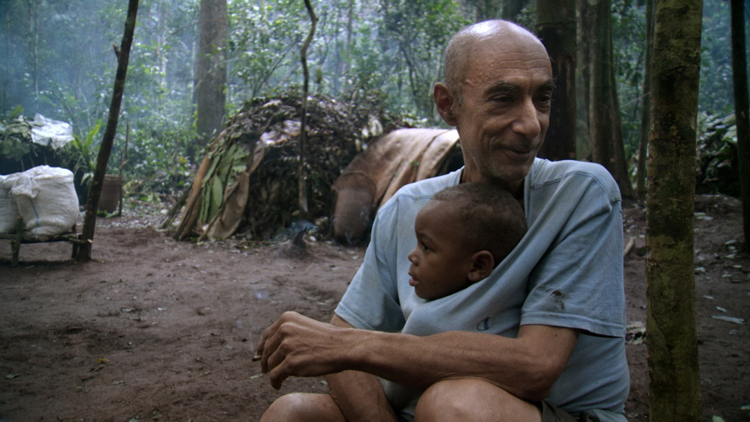
Song from the Forest
So how do we help rectify this situation where documentary filmmakers shell out tens of thousands of dollars for nothing in return? In the doc shorts category they have to win the jury prize at a qualifying festival. If we simplified and said only Jury, Special Jury and audience winners from Sundance, SXSW, Tribeca and TIFF as well as nominees from Cinema Eye and IDA are eligible we would cut the list to fewer than 70 films. This does not eliminate campaigning but it significantly cuts back on wasteful spending from films without a shot. Also 14 of the 15 shortlisted films would have been eligible under this system. Granted, this gives even more power to the most influential festivals in North America and that is its own concern.
Yet, this also allows the bulk of the docs to focus on what matters, which is reaching an audience. I love winning awards as much as the next person, but if filmmakers will not listen to reason and if our industry continues to exploit them, why not eliminate a lot of the ability for them to fall into the trap in the first place? The doc branch is quite small and favors their own, with a clear pattern.
Tab Hunter Confidential
2/3 of the shortlisted films each year have been political docs and 1/3 have been character profiles. With few exceptions (Listen to Me Marlon being one) they don’t like films about narrative filmmakers or actors (shocker…not!) and tend to reward the same people. 7 of the 15 shortlisted films this year were directed by prior nominees. You can go a step further and see that political docs are the only ones that can gross under $100K and make the shortlist (again not counting for HBO/Netflix titles). And the biggest shocker is that waiting until fall to release does not increase your chances. In fact, the summer was the most common time for Oscar shortlisted docs to come out.
So filmmakers, I ask you in 2016 not to waste your time or the industry’s time on a pipe dream that only causes you heartache. Take your Oscar campaign money and put it into audience engagement and outreach, use it to make the case for your next feature. Do not spend it on an insular circle unless you statistically match the profile I have laid out. And PLEASE PLEASE PLEASE do not bother telling me why your film is different, because it’s not. I just gave you the statistics that make it pretty clear, at least for the last few years (and I will keep tracking). Don’t put AMPAS above a proper release and find other ways to win attention. If you are that rare doc that fits it into that awards bait by all means strike a balance and don’t overspend.

The Hunting Ground
TFC has had many films on the shortlist in the past including We Were Here, The Invisible War, and The Hunting Ground. All of them were cost effective in promotion and put their original release first before spending big. In fact, our theatrical release, (T)error has spent less than $1K on any awards campaigning and yet it is an IDA Winner, Cinema Eye Nominee, and Spirit Award Nominee. It’s about where you premiere, your subject matter, and who you know. Sort of like the larger industry. Now onward to Sundance 2016.
Bryan Glick December 3rd, 2015
Posted In: Distribution, DIY, Marketing, Theatrical
Tags: Academy of Motion Picture Arts and Sciences, AMPAS, Bryan Glick, documentary filmmaking, Oscar shortlist, qualifying for Oscar, The Film Collaborative
Wonk/Fest 2015: Exhibition and Deliverables for the Contemporary Age
This post is part 4 of an ongoing series of posts chronicling how rapid technological change is impacting the exhibition side of independent film, and how this affects filmmakers and their post-production and delivery choices. The prior three can be found at the following links: January 2013 • August 2013 • October 2014
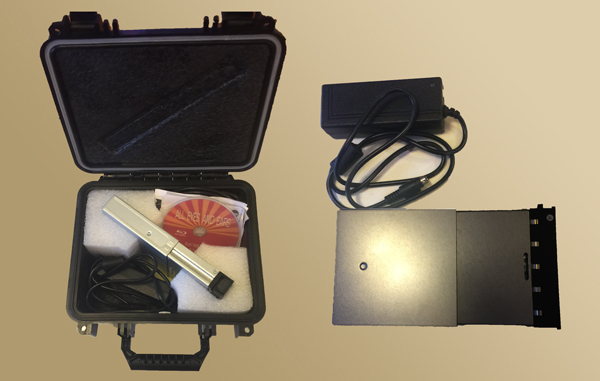
DCPs can be proprietary hard drives. Alternatively (not shown), then can look virtually identical to external hard drives
When I started this series back in 2013, a fairly new exhibition format called DCP was starting to significantly impact independent exhibition and distribution, and I was very afraid. I was sure that the higher costs associated with production, the higher encryption threshold, and the higher cost of shipping would significantly impact the independents, and heavily favor the studios.
Flash forward to today, and of course DCP has taken over the world. And thankfully we independents are still here. Don’t get me wrong…I still kinda hate DCP…especially for the increased shipping price and their often bulky complicated cases and how they are so easily confused with other kinds of hard drives…but they are a fact of life that we can adapt to. Prices for initial DCP creation have dropped to more manageable rates in the last two years, and creating additional DCPs off the master are downright cheap. And most importantly, they don’t fail nearly as often as they used to…apparently the technology and our understanding of it has improved to the point where the DCP fail rate is relatively similar to every other format we’ve ever used.
While DCPs rule on the elite level….at all top festivals and all major theatrical chains…filmmakers still need to recognize that a wide array of other formats are being requested by venues and distributors every day. Those include BluRays, ProRes Files on Portable Hard Drives, and, most significantly, more and more requests for downloadable files from the cloud.
To track the evolution of formats over the last two years, please refer to the booking charts of Film Collaborative films below. Of the many things that The Film Collaborative does, one of our core services is booking our clients’ films in public venues all over the world – including everything from film festivals, traditional theatrical venues, universities, art galleries, etc. October is always the busiest month of the year…as it is the month of the year with the most film festivals. By comparing the last three Octobers, we can see quite clearly how venue deliverables have changed over the last two years.
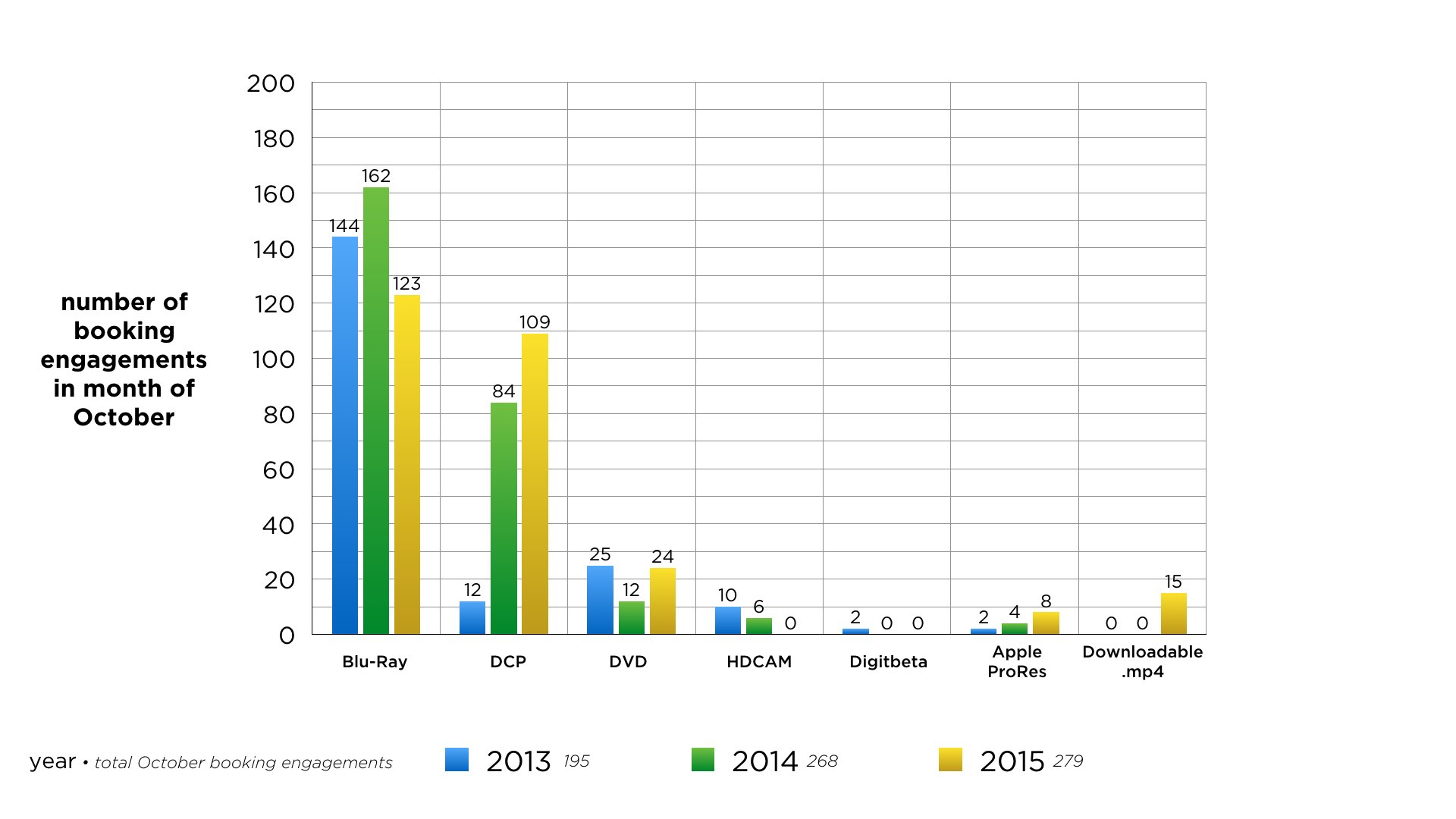
Quick observations of the above include:
- Bluray use for exhibition has remained relatively constant over the last three years in terms of total Blurays used, although its percentage rate has declined by about 23% from last year.
- DCP use for exhibition has increased from 6.1 percent in 2013 to 31% in 2014 to 39% in 2015. It should be noted that the vast majority of high-end bookings such as top festivals or top theatrical chains require DCP now, and the vast majority of Bluray bookings are at the smaller venues.
- Digital tape formats, such as HDCAM and Digibeta, have entirely disappeared to 0. As we said in our last post to this effect….stop making these entirely!
- Requests for Quicktime files on hard drive format are on the rise…and the only reason their numbers above seem so low is because we resist booking them whenever we can—because they are an additional cost. So the 8 listed for October 2015 means in those cases we determined we had no other choice. We should discuss this further in this post.
- For the first year ever, our company is now offering downloadable vimeo links to festivals to show the film from electronic files delivered over the internet. This is a radical direction that has much to be discussed, and we shall do so later in this post. To date we are only offering these in extraordinary situations….mostly for emergency purposes.
While DCP is certainly the dominant format at major venues for now and the foreseeable future, I still maintain my caution in advising filmmakers to make them before they are needed. Nowadays, I hear filmmakers talk about making their DCP master as part of their post process, well before they actually know how their film will be received by programmers and venue bookers. Lets face it, a lot of films, even a lot of TFC member films, never play major festivals or theatrical venues, and their real life is on digital platforms. Remember that DCP is a theatrical format, so if your film is never going to have life in theatrical venues, you do not need to spend the money on a DCP.
If and when you do make your DCP(s), know that DCPs still do on occasion fail. Sometimes you send it and the drive gets inexplicably wiped in transit. Sometimes there is a problem with the ingest equipment in the venue, which you can’t control. Film festivals in particular know this the hard way….even just a year ago DCP failure was happening all the time. A lot (most) festivals got spooked, so now they ask for a DCP plus a Bluray backup. That can be a significant problem for distributors such as TFC, since it can mean multiple shipments per booking which is expensive and time-consuming. However for individual filmmakers this should be quite do-able….just make a Bluray and a DVD for each DCP and stick them in the DCP case so they travel with the drive (yes I know they will probably eventually get separated…sigh). And the Golden Rule remains….that is never ever ever travel to a festival without at least a Bluray and a DVD backup on your person. It never ceases to amaze me how many (most) filmmakers will fly to a foreign country for a big screening of their film and simply trust that their film safely arrived and has been tech checked and ready to go. If your DCP fails at a screening that you are not at…well that sucks but you’ll live. If you travel to present your film at a festival and you are standing in a crowded theater and your film doesn’t play and everyone has to go home disappointed, that, in fact, is a disaster.
As mentioned previously, more and more venues that cannot afford to upgrade to DCP projection are choosing to ask for films to be delivered as an Apple ProRes 422 HQ on a hard drive. Since this is not a traditional exhibition format, a lot of filmmakers do not think they need to have this ready and are caught unawares when a venue cannot or will not accept anything else. At The Film Collaborative, we keep a hard drive of each of our films ready to go at our lab…as mentioned we do not prefer to use them because of the extra shipping cost (DCPs are trafficked from festival to festival so at no shipping cost to us, while hard drives are not used often enough to keep them moving like this). However we do find we often need them in a pinch. So do keep one handy and ready to go out. This should not be a big deal for filmmakers, since the Apple ProRes 422 HQ spec is the most important format you’ll need for nearly all types of distribution deliveries, whether it be to distributors or digital aggregators or direct to digital platforms. So, if you plan to have any kind of distribution at all, this is a format you are almost certainly going to need. Make a couple to be safe.
Is the Future in the Cloud?
As I have touched on before, the Holy Grail of independent film distribution would seem to live in the cloud, wherein we could leave physical distribution formats behind and simply make our films available electronically via the internet anywhere in the world. This would change the economics of independent film radically, if we could take the P out of Prints & Advertising and save dramatically on both format creation and format shipping. Unfortunately today’s reality is far more complicated, and is not certain to change any time soon.
I can’t begin to tell you how often…nearly every day…small festivals looking to save on time and shipping will ask me if I can send them the film via Dropbox or WeTransfer or the like. The simple answer is no, not really. So every time they ask me, I ask them back…exactly how do you think I can do that? What spec do you need? What is the exact way you think this can work? And they invariably answer back…“We don’t know…we just hoped you’d be able to.” It is utterly maddening.
Here’s the tech-heavy problem. Anyone can get a professional-sized Dropbox these days…ours is over 5,100 gigs (short for Gigabytes, or GB) and an average 90 minute Apple ProRes 422 HQ is around 150 gigs…so that doesn’t seem like a problem. Clearly our Dropbox can fit multiple films.
The current problem is in the upload/download speed. At current upload speeds, a Apple ProRes 422 HQ is going to take several days to upload, with the computer processing the upload uninterrupted all the time (running day and night). Even this upload time doesn’t seem too daunting, after all you could just upload a film once and then it would be available to download by sending your Dropbox info. However, the real problem is the download…that will also take more than a day on the download side (running day and night) and I have yet to ever come across a festival or venue even close to sophisticated enough to handle this. Not even close. Think of the computing power at current speeds that one would need to handle the many films at each festival that this would require. And to be clear, I am told that WeTransfer is even slower.
To make this (hopefully) a little clearer…I would point out four major specs that one might consider for digital delivery for exhibition.
- Uncompressed Quicktime File (90 mins). This would be approx. 500 gigs. Given the upload/download math I’ve given you above, you can see why 500 gigs is a non-starter.
- Apple ProRes 422 HQ (90 mins). Approx 150 gigs. Problematic uploaded/download math given above. Doesn’t seem currently viable with today’s technology.
- HD Vimeo File made available to download (90 mins). Approx 1.5 – 3 gigs. This format is entirely doable—and we now make all our films available this way if needed. This format looks essentially the same as Bluray on an HD TV, but not as good when projected onto a large screen. This can be instantaneously emailed to venues and they can quickly download and play from a laptop or thumb-drive or even make a disc-based format relatively inexpensively. However, there are two major problems…a) most professional venues that value excellent presentation values and have large screens find this to be sub-par projection quality and b) this is a file that is incredibly easy to pirate and make available online. For these reasons, we currently use these only for emergency purposes…when we get last minute word that a package hasn’t arrived or an exhibition format has failed. It is quite a shame…because this is incredibly easy to do, so if we could find the right balance of quality and security…we would be on this in a heart-beat.
- Blu-Ray-Quality File (Made available via Dropbox)(90 mins). This spec would be just around the same quality as a Bluray (which is quality-wise good enough for nearly all venues) and made available via Dropbox or the like. It is estimated that this file would be around 22 – 25 gigs. This would be slow, but potentially doable according to our current upload/download calculations. This is the spec we at TFC are currently looking at…but to be clear we have NOT ever done this yet. Right now it is our pipe dream…and our plan to implement in 2016. I will follow up on this in further posts!
To conclude, where we stand now, we have yet to find a spec that is reasonably made available to venues via the internet, both in terms of quality and safety protocols…but a girl can dream.
It is critical to note that the folks I am talking to recently are saying this may NOT change in the foreseeable future…because internet speeds worldwide might need to quintuple (or so) in speed to make this a more feasible proposition. Nobody that I know is necessarily projecting this right now. And that’s a sobering prospect that might leave us with physical deliverables for quite a while now. And for now, that would be the DCP with Bluray back-up. If this changes, you can be sure we will write about it here.
But hey, maybe that Quantum Computer I’ve heard about will sudden manifest itself? Gosh, that would be cool. In the meantime…how about a long-range battery that runs an affordable electric car and is easy to recharge? That would be super cool too. We can save the world and independent film at the same time.
In the meantime…if you think I am missing the point on any of the nerdy details included in this post, or you know anything about how digital delivery of exhibition materials that I might have missed, please email me. Trust me….we want to hear from you!
Jeffrey Winter November 24th, 2015
Posted In: Digital Distribution, Distribution, Film Festivals, Theatrical, Uncategorized
Tags: Apple Pro-res, BluRay, DCP, Digital Cinema Package, digital film delivery, DVD, film deliverables, film distribution, film exhibition, HDCam, Jeffrey Winter, Prints and Advertising, The Film Collaborative
How to Win at Film Festival Roulette: Stacking Your Odds at the Top Fests
This article was originally posted on indiewire on June 26, 2015.
Be smart in organizing your priorities, do your homework and prepare for the emotional roller coaster of festivals. To help you, we’ve asked an experienced distributor to run down the numbers, so you can determine your odds.
Bryan Glick is the director of theatrical distribution for The Film Collaborative. Some of his notable releases include "I Am Divine," "Manos Sucias" and "1971". He has also worked for LAFF, AFI Fest and Sundance. Below is his take on the top festivals.
We at The Film Collaborative frequently hear from filmmakers after the fact that they regretted premiering at festival "A" and wish they had opted for festival "B." Similarly, when we ask a filmmaker why they want to premiere at a particular film festival, we rarely get an answer grounded in research.
The truth is that all the top festivals have certain types of films they gravitate towards, and all attract certain kinds of buyers looking for a particular type of product. With Sundance, Berlin, SXSW, Tribeca and Cannes behind us (and many filmmakers going into production to meet their Sundance deadline or wrapping up to apply for TIFF), we thought that now would be the perfect time to step back and look at the bigger picture of the 2015 festival landscape (including TIFF 2014).
We chose to define this list based on the number of films that screened at each festival and had not publicly stated they were being distributed before the festival lineup was announced.
The number of films listed as being acquired is to the best of our knowledge. This includes many films that have yet to go public with their distribution deals but that we can confirm from filmmakers, distributors and/or sales agents.
While we focused on a small list of top festivals, please note that major deals can come from any of a variety of festival. All that said, the following is the look at the major premiere festivals most filmmakers we meet with are pursuing.
2015 Sundance Film Festival
By the numbers:
- 74 Sundance acquisitions (including 19 for over $1 million)
- 74 of 104 films acquired
- 18 of 25 award winners acquired
Buyers: A24, Alchemy, Broad Green Pictures, Film Arcade, Fox Searchlight, Gravitas, HBO, IFC, Kino Lorber, Lionsgate, Magnolia, Netflix, Showtime, Sony Pictures Classics and The Orchard.
The lowdown: Sundance is perhaps the Holy Grail as far as buyers are concerned. Sundance is a popular stomping ground for Netflix and the all rights deals that
are much harder to come by at Cannes or TIFF. The fest is especially effective for highlighting documentaries and top notch narrative films.
The only catch is that Sundance simply isn’t an international festival. If you don’t take the all rights deal it can be much more work selling the film abroad. Since Sundance is the first big festival stop of the year, many distributors jockey for position. But if your film is not American, this might not be the festival for you. Half of the world doc/world dramatic films have yet to secure North American distribution; all but four films in the U.S . Dramatic and Documentary section have secured distribution and almost all were in six or seven figures.
As far as getting into the festival, the festival is notoriously insular. A strong majority of U.S. Competition films are backed by the Sundance Institute and/or come from Sundance alumni. Also, Sundance tends to stick to theatrical length films. You will rarely see 50-70 minute films accepted. They show a particular interest in politically-oriented documentaries.
SXSW 2015
By the numbers:
- 37 SXSW Acquisitions
- including 3 for over $1 million
- 37 of 100 films acquired
- 11 of 17 award winners acquired
Buyers: Netflix, Drafthouse Films, Roadside Attractions, Gravitas, FilmBuff, Alchemy, Vertical Films, Ignite Channel and IFC
The lowdown: SXSW is always a tricky proposition. With 145 films (20+% more than Sundance or Tribeca) presented over nine days instead of 11-12, there’s simply a lot going on. This means it is much easier to fall through the cracks. Since the festival doesn’t sell tickets ahead of time, it’s very possible nobody will show up to your screening.
However, the fact that the slate skews younger and is more adventurous often means that films have large built-in fan bases, and that there are bold discoveries that distributors can sometimes get at bargain prices. There is a reason FilmBuff and Gravitas nabbed at least eight films combined. Throw in Netflix and you have 11 titles that we can confirm going a targeted digital route.
This is the one top festival where your film is guaranteed to get screened by a festival programmer when you submit. They go out of their way to find filmmakers who are not as connected to the industry. If you don’t have industry contacts, this might be your best bet. The festival primarily programs American films and is a popular follow up to TIFF and Sundance. They also shine a light on local Texas talent.
2015 Tribeca Film Festival
By the numbers:
- 22 Tribeca acquisitions including 3 for over $1 Million
- 22 of 79 acquired
- 3 of 15 award winners sold
Buyers: A24, IFC, Saban Films, Paramount and Strand Releasing all took multiple titles
The lowdown: Tribeca screens fewer films than the other top North American fests and has a reduced schedule during the regular workweek. As the only top festival in a major U.S. industry hub, things tend to follow a more traditional trajectory.
However, we find films at Tribeca often don’t think about the long game. With summer being a slow period, many films will simply stop pursuing festivals while waiting for a deal—a strategy that tends to backfire, as more often than not they wind up forgotten.
While the narrative quality is growing, the star-driven fare tends to dominate. Some based on their star brand can get big deals, but at its heart, the fest is really about documentaries. They have a lot of character profile and political documentaries that fall under the awards bait category and frequently appeal to a more traditional indie film crowd.
As Sundance continues to narrowly define their documentary programming, Tribeca is proving to be an industry asset. This is also a great fest to go to as a North
American premiere. Frequently films that fall through the cracks at Berlin, IDFA and Rotterdam get more attention here, and also tend to be the winners on awards night. Accordingly, if you’re an American filmmaker and awards are important to you, recent history suggests that you might want to bypass this fest. Additionally (unlike SXSW), they embrace their local filmmakers far less, preferring to focus on the international power.
2015 Cannes Film Festival
By the numbers:
- 21 of 81 acquired
- 9 of 25 award winners acquired
Buyers: Alchemy, Cohen Media Group, IFC, Kino Lorber, Radius-TWC, Strand Releasing, Film Movement, IFC and Sony Pictures Classics
The lowdown: Cannes is the international behemoth and certainly being in competition is the best place to launch a film as a foreign language contender. The festival skews much more international in its programming and deal opportunities. While the U.S. distribution picture is bleaker, the rest of the world rapidly snatches up everything they can from the festival.
This is perhaps the most insider-y of the festivals. Only one film in competition was from a first-time director. Cannes frequently pulls from their own rank and file. They also show the fewest number of documentaries of any festival on the list and those are almost solely films about film/filmmakers/actors.
There are similarly few slots for genre fare. Films in the other sidebars like Directors Fortnight and Un Certain Regard are far less likely to get North American distribution when the dust settles, but can usually count on a long festival life.
Cannes, of course, is committed to films from France. However, the festival has continued to struggle in highlighting female directors.
This festival is easily the worst of the bunch for thinking outside-the-box when it comes to distribution. DIY is basically a dirty word and very few crowdfunded films get in. Distributors are also less likely to tout how much they paid for a film in press releases, which is why we do not list the amount of seven-figure deals.
2015 Toronto Film Festival
By the numbers:
- 99 TIFF films acquired (including 16 for over $1 million)
- 99 of 214 acquired
Buyers: A24, Alchemy, Bleecker, Broad Green, Image Entertainment, Lionsgate, Magnolia, Roadside Attractions, Paramount, Radius-TWC, Relativity, Saban Films, Sony Pictures Classics, Breaking Glass Pictures, China Lion, Focus World, Cinema Guild, Cohen Media Group, Film Movement, IFC, Lionsgate, Magnolia, Monterey Media, Drafthouse Films, Oscilloscope, Strand Releasing, Music Box Films, Screen Media, Saban Films, Kino Lorber and The Orchard
Now, keep in mind that TIFF was a full nine months ago. So why the relatively low numbers when compared to Sundance or even SXSW?
The truth is that TIFF has too much product and is largely geared toward star-driven fare. It can be a place to snatch up leftovers from Cannes and Locarno, but non-star driven English language fare (including several Canadian films), documentaries and any of the films in the Discovery, Contemporary World Cinema and Wavelength sections are unlikely to generate much attention.
The nice thing about TIFF is they take films from more countries than anywhere else. The fest also has never been too concerned with length, with many films over two and a half hours and others not even reaching 70 minutes.
With such a wide variety of films TIFF is the most eclectic and hardest to define programming-wise. They take a lot more genre fare than the other fests and their docs tend to reflect an international worldview. The seven figure deals almost exclusively come from star-driven fare. If a film is in English and Oscar bait, but lacks distribution this is the place to be. Keep in mind that documentaries account for less than 15% of the festival’s lineup.
Of course, keep in mind that many more films from these festivals will ultimately secure some form of domestic distribution. It took TFC’s "Gore
Vidal: The United States of Amnesia" nine months after its Tribeca premiere to secure its IFC deal and it ultimately went on to become the second highest grossing film from Tribeca 2013.
So be smart in organizing your priorities, do your homework and prepare for the emotional roller coaster of festivals.
Bryan Glick June 26th, 2015
Posted In: Distribution, Film Festivals, Theatrical
DCP failure rate is extraordinarily high. Should you make one?
In two prior posts, I chronicled how rapid technological change was impacting the exhibition side of independent film, and how this was affecting filmmakers and their post-production and delivery choices. In January 2013, in a post called “The Independent’s Guide to Film Exhibition and Delivery” I discussed the rise of the DCP in independent exhibition, and the potential dangers it posed to filmmakers on a budget. And later that year, I posted “Digital Tape is Dead” in which I gave further evidence that it was possible to resist the rise of DCP…at least for the time being… and the reasons for doing so.

photo credit: Bradley Fortner via photopin cc
It’s a little over a year later, so I am returning to the topic to take stock of what a difference another year makes. And as always, the main goal of this exercise is to help you, as filmmakers, to make the best post and delivery choices in finishing and exhibiting your films.
Of the many things that The Film Collaborative does, one of our core services is booking our clients’ and members’ films in public venues all over the world – including everything from film festivals, traditional theatrical venues, universities, art galleries, etc. Every year, this work hits a peak frenzy in October, which is unquestionably THE month of the year with the largest number of film festivals. By simply comparing our booking format totals from October 2013 to October 2014, I can see that once again the landscape of booking has evolved substantially in the last 12 months.
BOOKINGS IN OCTOBER 2013 (total 195 booking engagements):
BLURAY: 144
DVD: 25
DCP: 12
HDCAM: 10
Digibeta: 2
Quicktime File: 2
BOOKINGS IN OCTOBER 2014 (total 268 booking engagements)
BLURAY: 162
DCP: 84
DVD: 12
HDCAM: 6
Quicktime File: 4
Other than the fact that we are obviously a busy company (!), the main takeaway here is that the DCP’s slow and seemingly inevitable rise to the top is continuing, although the actual majority of venues (especially in the U.S.) are still trying to cut costs by the use of BluRay. In Europe, the DCP has already overtaken all other formats, and is nearly impossible to resist if you want to play in any reputable festivals or venues. And after DCP and BluRay, all other formats are now nearly dead worldwide, at least for now.
There are many reasons why this isn’t good news for independent filmmakers (which we’ll go into)…but the first and most obvious problem is that all of the filmmakers we work with are still making multiple HDCAMs! From the data above it is clear, STOP MAKING HDCAMS PEOPLE! I know many companies that have stopped producing them entirely, and are providing only on DCP, BluRay, and DVD.
Usually, an independent filmmaker’s first worry about DCPs is the initial price – indeed it is the most expensive exhibition format to make since the 35mm print. However, the good news is that it has already dropped in price quite a bit from 2013…now if you look around you are sure to be able to get an initial one made for $1,000 – $1,500 (compared to around $2,500 a year ago).
Now there is the really weird situation with the subsequent DCPs…and what you should pay to make additional copies. If you’ve seen DCPs, you’ll know that they often come in these elaborate and heavy “Pelican Cases” with a “Sled” hard drive with USB adaptors and power supplies. That’s the kind the studios use, and they will usually run you around $400 per additional DCP…which is expensive.
The strange thing is that every tech-savvy person I know tells me that this is all window-dressing, and that a regular “Office Depot style drive” USB 3 Drive for $100 serves exactly the same purpose and is actually a bit more reliable since it has less moving parts. Add to this the simple charge for copying the DCP (for which our lab charges only $50), and you’ve got subsequent DCPs at only $150 each…which of course is even cheaper than old tape-based formats like HDCAM and Digibeta.
If someone out there knows why one SHOULDN’T go with the more inexpensive option, I’m all ears. Call me, tweet us @filmcollab, leave a comment on our Facebook page! ‘Cause I haven’t heard it yet.
Of course, its still not a super-cheap $10 BluRay, but the truly annoying thing about the DCP and all its solid state technology and its fancy cases is that it is HEAVY, surpassing everything except old 35mm prints in weight. As a result, the cost of SHIPPING becomes a major issue for independents, and more than $100 every time you send since you obviously aren’t going to put your pristine file in regular mail. If you’ve been booking and playing films for a long time, you’ll know that $100 in shipping is often the difference between a profitable screening a not-so-profitable one…and so the cost adds up quickly.
It’s truly the cost of shipping that makes me sad that the BluRay is doomed as a major exhibition format. At one point, when filmmakers and distributors made “P&A” assessments for their films, the biggest cost in the “P” analysis was the cost of shipping heavy prints. For a brief and shining moment….from like mid 2013 to mid 2014… the lightweight BluRays took that part of the “P” out of the equation entirely…and that sure was nice.
But the (dirty and secret) truth is that COST isn’t the main problem with DCP. It is the RELIABILITY of the format. The horrible fact is that DCP is the most unreliable format in terms of playability that we have ever had….bar none that I can think of. BluRays used to have the reputation for failing often, but they were easy to include a back-up copy with, and they have drastically improved in the last two years such that they almost never fail. DCPs, however, now fail ALL THE TIME, at an alarming rate, and for an alarming number of reasons.
Rather than go into the deep tech-geek reason for DCP failures in venues all over the world…I am going to copy a few recent emails from labs, festivals, and venues I have been communicating with in the last couple of weeks. I promise you…all of this is just in the last two weeks! And all of these are all different films and different DCPs!
[EXAMPLE] On September 16th, XXXX wrote:
So, bad news guys, we couldn’t access the hard drive on this DCP, so it’s our thoughts that it is dead.
[EXAMPLE} On September 18th, XXXX wrote:
Nothing over here is recognizing this DCP. The drive appears to be EXT3 formatted and I think this may be why it’s not recognizing as a usable hard drive. Generally, we use NTFS and EXT2 formatted drives. This one does have a bluray backup, but if you can try to get us another DCP, that’d be cool.
[EXAMPLE} On September 17th, XXX wrote
We just got the DCP and the sled was loose and the final screw holding it came off. It’s the plastic thing that pops out. Just now I noticed that most of the screws on it are loose. It won’t play because I think we need to replace the screws?
[EXAMPLE} On September 22,, XXXX wrote
We are facing difficulties with the DCP as our Server does not seem to recognize the drive. We have spoken to your lab and we think it’s because our server cannot recognize Linux Files. We have about 100 DCPs in our festival, and this is happening to about 10 of our films. Can you offer any advice?
It is this last example that really cracks me up….if you happen to know anything about DCP you know that Linux was chosen as the best format for DCI-complaint files. So the fact that a festival could not read Linux, but could still read 90 out of 100 of their DCPs is absolutely mid-boggling, as I thought Linux was in fact the common denominator.
But I digress.
As filmmakers, is any of this what you want to be doing with your time? Do you really want to know about EXT3 and EXT2, and do you seriously want to worry about replacing loose screws on a drive? Do you want to reduce your whole filmmaking experience as to whether a venue can read Linux or not? Do you have time for this?
Just this weekend, we had a screening in North Hollywood where the sound on the DCP went out for the last 5 minutes of the film, all the way through the credits. Is this acceptable? I thought not.
It was better before. We don’t like to think that evolution is like this….getting worse rather than better….but in truth it often is. And this is one of those times.
The truth is, I will never trust this format. The DCP was created by a 7-member consortium of the major multinational studios called the Digital Cinema Initiative (DCI). It represented only the major studios…and created a format best suited to their needs. They have since adapted all the major venues to their needs. Is it any wonder that these needs do not represent the needs of independent filmmakers? Do we have any doubt that that any “consortium” would actively seek to suppress the needs of its competition? It created encryption codes only they can functionally work with. It put all the rest of us in danger, in my opinion. Let’s just talk about their unworkable encryption technology if we want to start somewhere. KDMs on independent films are a joke….leaving us more vulnerable to piracy than ever.
So, here is why the “P” matters more than ever. And why there is still GREAT reasons to hope. Just when you thought I was writing a depressing post, I am going to flip this b*itch. And I mean “b*itch” in the best manner possible.
The truth is…the age of cloud based computing, the no shipping, the no P in “P&A” reality is finally nearly upon us.
The truth is…it will not be long before we can use cloud-based services to deliver our films to venues all over the world. Of course, it is happening now….but it is not a mature system yet. But my guess is that it WILL be very soon. Definitely less than 5 years.
With all the new services like Google Drive, WeTransfer, DropBox, Vimeo, etc all rapidly evolving…..we are only months (if not years) from really delivering our films without help from middle men like Technicolor and FED EX. And that will be a good thing. A great thing really. I believe it will increase our indie profits many fold.
Already, every single day, I have numerous festivals asking me to DropBox them the films we are working with. In truth, I haven’t figured out really how to do that yet in quality levels I am comfortable with that also make financial sense. I am in constant dialogue with our lab and our tech people as to how to make this work in terms of uploading time, server space, and quality of presentation.
But it is clear to me that it IS happening over time….if anyone knows the secrets…again, I am ALL ears! Please call me! Because I truly believe that when we can remove the P from the P&A equation….and I mean truly remove it such that any number of prints and all shipping can be eliminated as easily as sending someone a link to an FTP or whatever…..we will re-enter an age where independent film distribution will make real financial sense. Imagine that, for a moment.
And the weirdest thing is I think it is truly happening… any day now.
NOTE: Step 4 in this blog series will be an analysis of how to deliver your film digitally and via The Cloud. We aren’t there yet….BUT that is what I will cover in the next post of this series. Hopefully new updates will happen by the end of the year!
Jeffrey Winter October 1st, 2014
Posted In: Digital Distribution, Distribution, DIY, Film Festivals, Theatrical
Tags: BluRays, DCP, DCP failure rate, Digital Cinema Package, DVD, film festival distribution, HDCam, Jeffrey Winter, Quicktime, The Film Collaborative, theatrical distribution