Distribution Pivot: The Narrative Feature Lilly
April 15, 2026
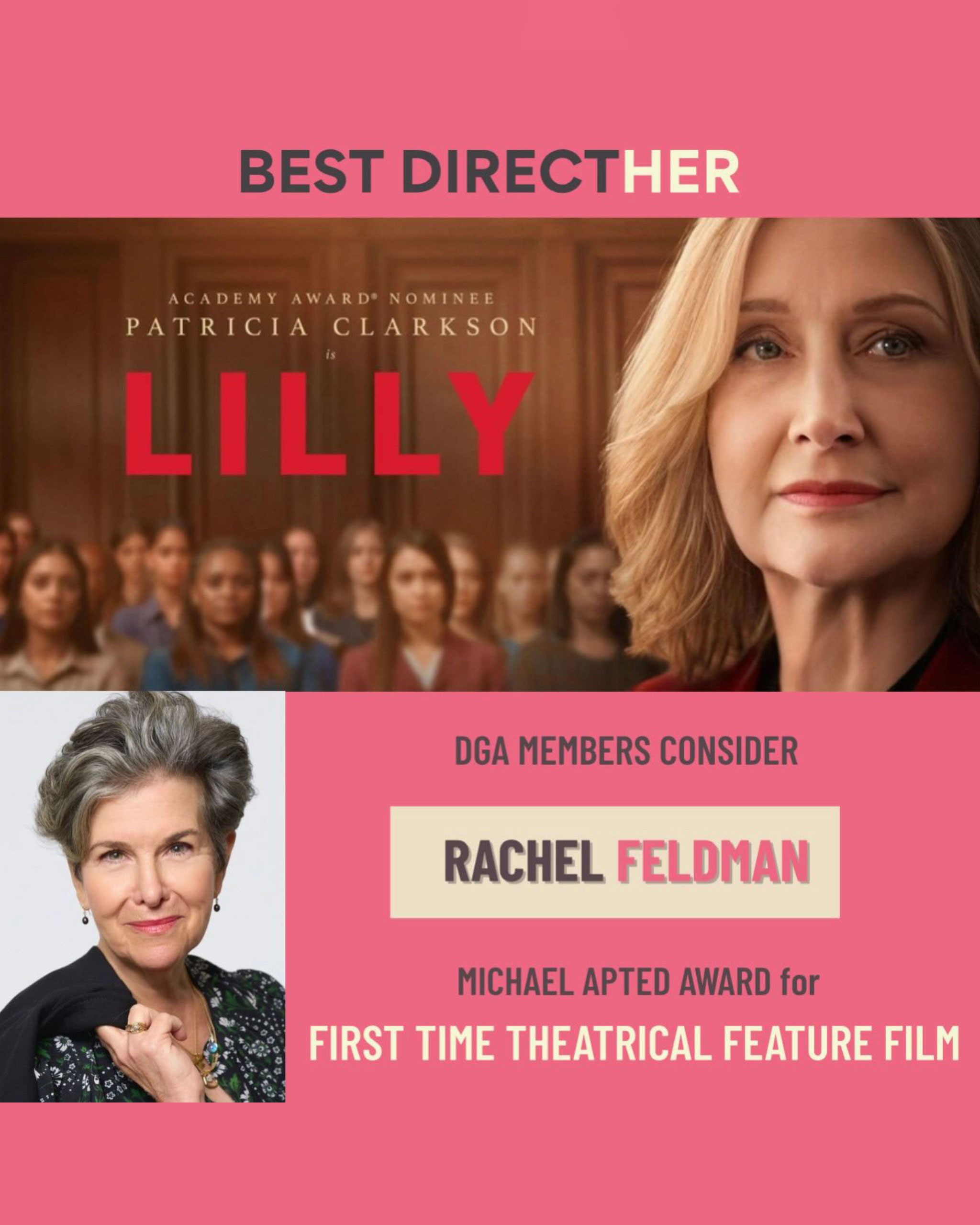
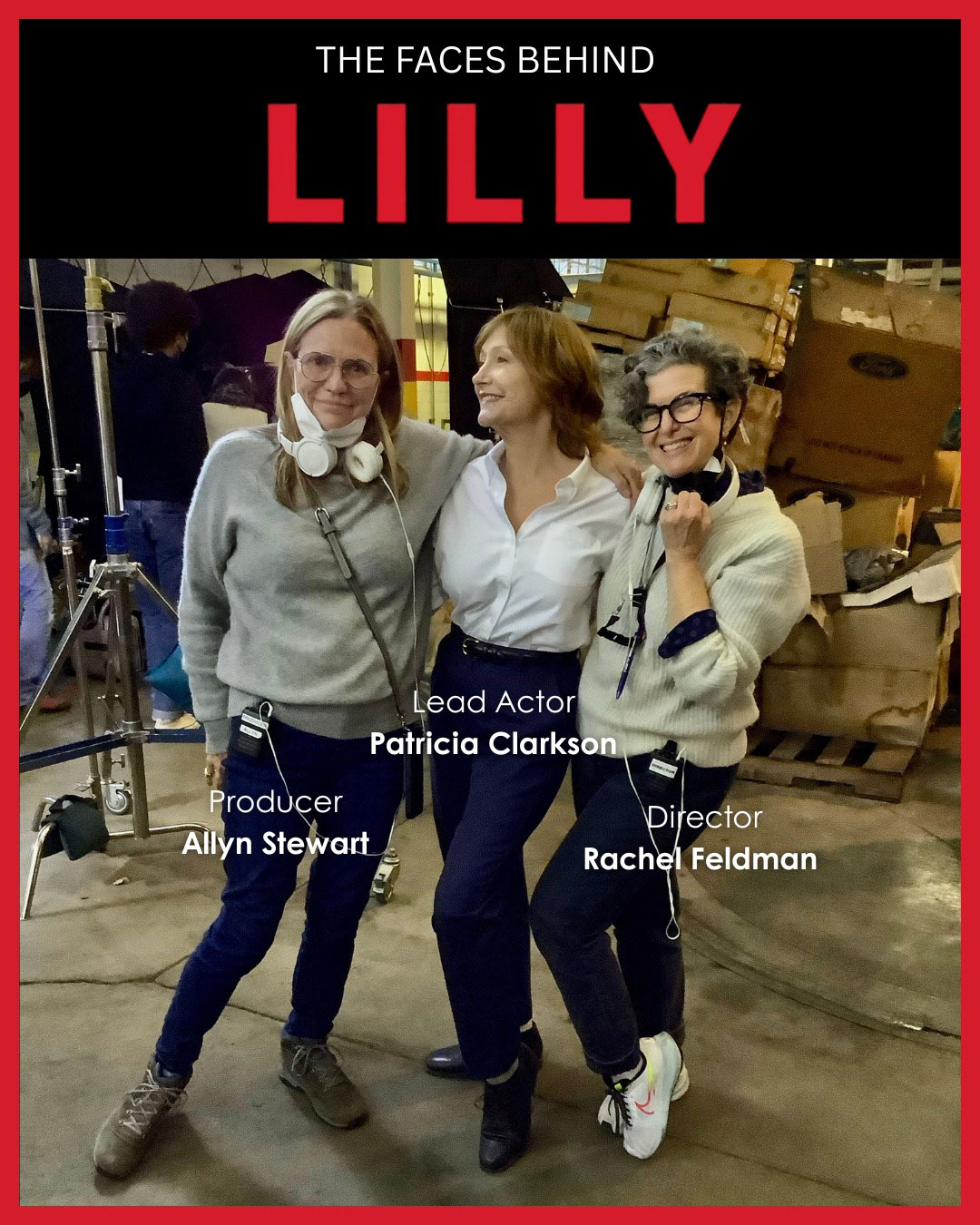
Rachel Feldman is director, co-writer, and one of nine producers on LILLY.
I’m one of those filmmakers who’s known what I wanted to do it for a very long time. My mother loved movies, I loved movies. I studied drawing, painting, photography, graphics, fashion design, acting, singing, dancing (I was terrible) and started writing short stories early in life. I went to grad film school. My thesis film from NYU won over 25 festival awards. I worked as a storyboard artist on studio pictures for well-known directors, simultaneously applying for and receiving grants that enabled me to continue making short films. I moved to Los Angeles, where I wrote features that were optioned by good producers—but none got made. It took a few years for me to understand that being a woman was not to my benefit. It wasn’t that I wasn’t talented or hadn’t worked hard enough; it was because only 0.05% of what was being made in Hollywood was being directed by a woman.
All of this is just to reiterate that while my goal had always been to direct movies, those doors just didn’t open. Nearly ten years after getting my masters, I was offered to direct my first episode of television, and for the next three decades, while also raising two children, I built a career in broadcast TV network procedurals. I was thrilled to make a good living, work with incredible crews, producers, and actors and to practice my craft. But my dream of directing a movie had not diminished.
Lilly Ledbetter
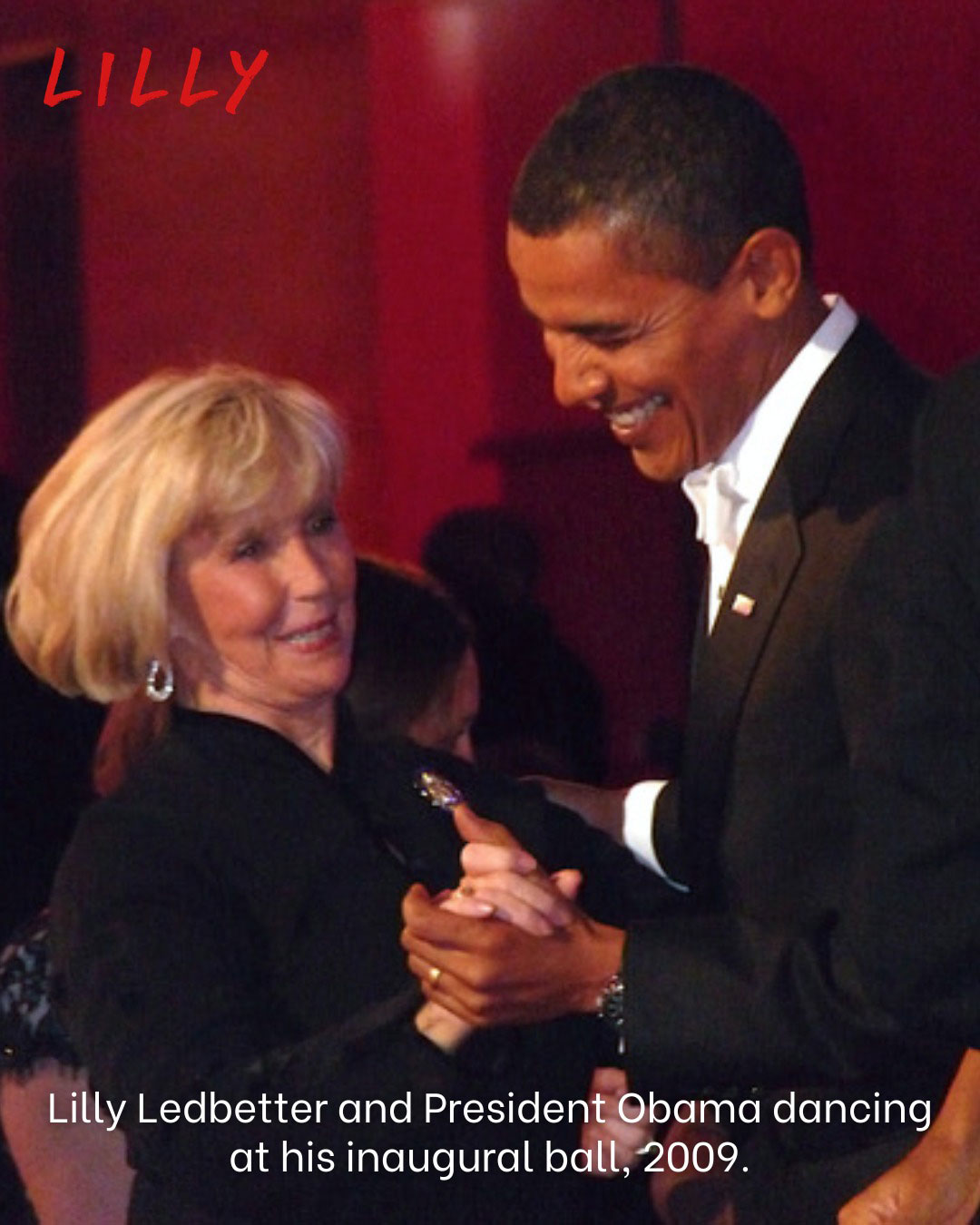
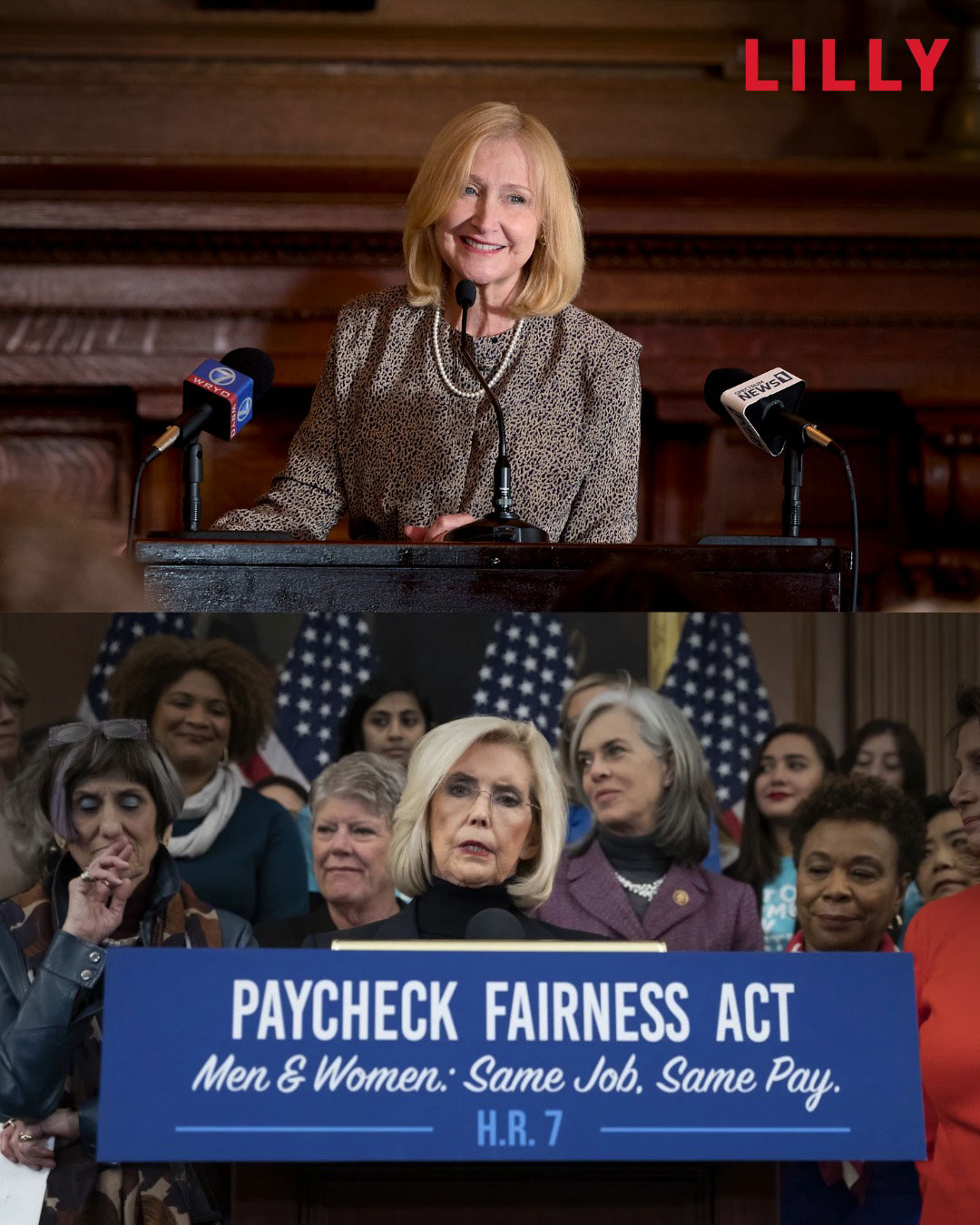
I first heard fair pay activist Lilly Ledbetter speak while watching the 2008 Democratic National Convention on television. She talked about gender equity in front of millions of American people. As I watched this brave, bleach blonde with that gorgeously thick drawl speak her truth, I had a strong sense that her personal story would make a great movie. I found out more about her. I reached out to her. And I was right. Her life laid out in sweeping dramatic arcs, ripe for the making. Her story was a heartbreaker, and I love tear-jerkers. I felt in my bones that I was the filmmaker to tell it. Although she was an Alabama tire factory worker and I was a Hollywood television director, we had both experienced the insidious poison of sex discrimination.
Three years later, around 2012, I optioned Lilly Ledbetter and Lanier Scott Isom’s beautiful memoir, “Grace and Grit.” I was honest with Lilly and her civil rights attorney, Jon Goldfarb, that I was not a super-connected Hollywood person. But I promised them that I would leave no stone unturned in the effort to bring her story to the screen, and I meant it. During the next 14 years, even on the many occasions when doors were slammed shut with brick walls behind them, I never thought to give up. I was inspired by Lilly’s resilience, and I seemed to have a well of it myself.
Fundraising
In 2013, I finished a screenplay with co-writer Adam Prince, and we immediately placed on The Athena List and I was awarded a director’s Ravenal Foundation Grant through NYWIFT. I began submitting the screenplay around town (without reps) and landed an Oscar®-winning producer to whom I gave a free “hip-pocket option” for nearly a year. At the end of that period, she told me that she could not move forward with me attached to direct the movie. For a nano-second I considered that option. However, when she added that she wouldn’t set it up with any woman director, I understood that the problem was not me, it was her. We parted ways. Over the next few years I optioned it a couple more times, again to another Oscar® winner, but none of them were able to find a way to get a political movie about a middle-aged woman, directed by a non-celebrity director, off the ground.
I realized that if I wanted LILLY to come into being, I was going to have to raise the budget myself, something I never saw myself doing. More than 5 years later, in 2019, I met Todd Harris, a fund-raising producer who had successfully raised money for many other films. He really liked the script. Then began a series of extraordinary serendipities that lifted the experience of making this film to nearly magical proportions. Lilly Ledbetter had a strong faith and a will of iron. I believe her spirit infused all of us. That very day, I also received a call from a friend I had not spoken to since high school, who had seen a Facebook post about my Lilly Ledbetter project and suggested that she knew some folks who might be interested in backing a movie about the subject. I asked Todd to join me, and we flew to visit my high school friend who threw us a dinner party and a breakfast. When we returned home, we had our seed money! We created an LLC, hired a casting director and a UPM (Unit Production Manager) for a budget and schedule, and began exploring tax incentives. We had launched.
Very soon after, in early 2020, COVID struck—but it ended up being a blessing in disguise. Another odd serendipity. Rather than having to fly all over the country to cater investor parties, we organized large-scale Zoom meetings, sometimes with Lilly Ledbetter herself on the call. We hit lightening. Investors loved hearing from Lilly. Friends told friends; women from every industry saw themselves in Lilly and wanted to be part of making this film. The energy was palpable. We brought on other producers—Kelly Ashton, Simone Pero, and Jyoti Sarda. Simone had produced another dramatic feature with a social justice theme. Jyoti was a former studio marketing executive and now a producer of political docs. Simone and Jyoti both had social impact experience. Kelly Ashton was experienced with financing and produced other films. We established a fiscal sponsorship with The Film Collaborative and began taking in donations via what Simone termed “filmanthropy.” In the end, we brought in over 100 equity investors, many of whom were mature women who had themselves experienced gender inequity in their lives and were passionate about helping to see this film made. Soon we were cooking.
Casting
We needed someone extraordinary to play Lilly Ledbetter. In another stroke of serendipity, I wrote a letter (with a stamp) to a well-known actor about the movie. She knew about Lilly Ledbetter, and she also understood how tough it was for women directors to launch feature films. She asked what she could do and I told her that I wanted to get the script to Patricia Clarkson, who was at the same agency. Her agent called me the next day and sent Patricia Clarkson my script. We met on Zoom. She loved the script. We hit it off. She came from a political family and wanted to do the role! Boom! Once we had Patti, Thomas Sadowski joined us to play John Goldfarb, Lilly’s lawyer. A very popular actor was set to play Charles Ledbetter, Lilly’s husband, but that didn’t happen and you’ll soon know why.
Pre-Production: Take One, 2021
We chose Atlanta for the tax incentives but underestimated how busy the city was with other productions. Big mistake #1. Our UPM was from NYC and had never shot in Atlanta before. Big mistake #2. Without knowing the local crews, vendors, or local HODs, we fell behind. We hired and fired a string of location managers, but none of them really knew the city. Without the locations we couldn’t put together a schedule, so props, costumes, and casting all were delayed. The Georgia State Capitol Building was a location we would never be able to get again, so we shot there for the scheduled 3 days, but then went back into prep while holding an entire crew. Big mistake #3. A bit later, with more location managers hired and fired, we still hadn’t nailed things down. Knowing that to have a fighting chance to restart in the future, we had to stop the financial bleeding. My very smart, hard-working AD (Assistant Director), John Mattingly, was the voice of reason. We shut down. This was our low point.Pre-Production Redux: Take Two, 2023
During the next year, Todd solicited loans to make up the shortfall. I was introduced to former studio executive and current indie producer Allyn Stewart, who was interested in coming onboard as the lead producer. The singular act of bringing on Allyn righted our ship. We brought on a top UPM with Atlanta experience, who brought in a top location manager from Atlanta, and we began again with a shortened prep to save money and because much of the work had already been done. I was tasked with cutting 25 pages from the original screenplay, 11 shooting days, and many locations in order to make the shoot leaner, faster, cheaper. I really missed those scenes—it felt like a very different project without them—but it’s what I had to do to keep the project alive.
Producer Jyoti Sarda took control of all the business: contracts, accounting, tax credits, and later took the lead on publicity, distribution/marketing—while producer Simone Pero took the reins of the social impact campaign. It’s great to have a team!
This time pre-production was smooth sailing. We had incredible HODs (Heads of Department) who loved the project—some of whom stayed on from what we dubbed ”LILLY 1.0“—and we added several new folks who were very strong and all had experience shooting in Atlanta. The cast all stayed with us, aside from the actor who was to play Charles Ledbetter, but in a stroke of “blessings in disguise,” one of my favorite actors, John Benjamin Hickey, was available and loved the project. Turns out, he was also an old friend of Patti Clarkson. Now the cast had come together in a gorgeous, new way.
Post-Production: 2023/2024
We cut the film quickly in L.A., then headed to New York to take advantage of the New York State post-production tax credit. We had a 95% female post team all the way through music—so many great, talented women. I’m very proud of that. We raced to finish and just as we were about to take the film to market, the SAG-AFTRA strike hit in July 2023.
We couldn’t show the film; we couldn’t sell the film. Allyn suggested that now that we had more time, maybe we should consider re-cutting the film with a new editor. We liked the first cut, but we didn’t love it. Because we’d been so disciplined in production, we still had our contingency left, which afforded us the opportunity. The new cut was much more dynamic.
We were thrilled, that is until the strikes were over in November 2023 and our CAA sales agents at told us that they didn’t think they could sell the film. We had made this movie believing it would be considered a “prestige drama,” a genre very popular at award season, but apparently the sands had shifted beneath our feet without our being aware that the distribution world had changed. We were blindsided.
Initially I was embarrassed; I thought that maybe we had made a bad film. But as I began to talk to other filmmakers, I saw that this was also happening to so many others. Then, as I started to take the film to festivals, I could see that the movie was an audience pleaser. People loved the movie! They laughed, cried, shouted at the screen. They hugged me with tears streaming down their faces during the Q&A. We just had to figure out how to navigate a whole new world of distribution.

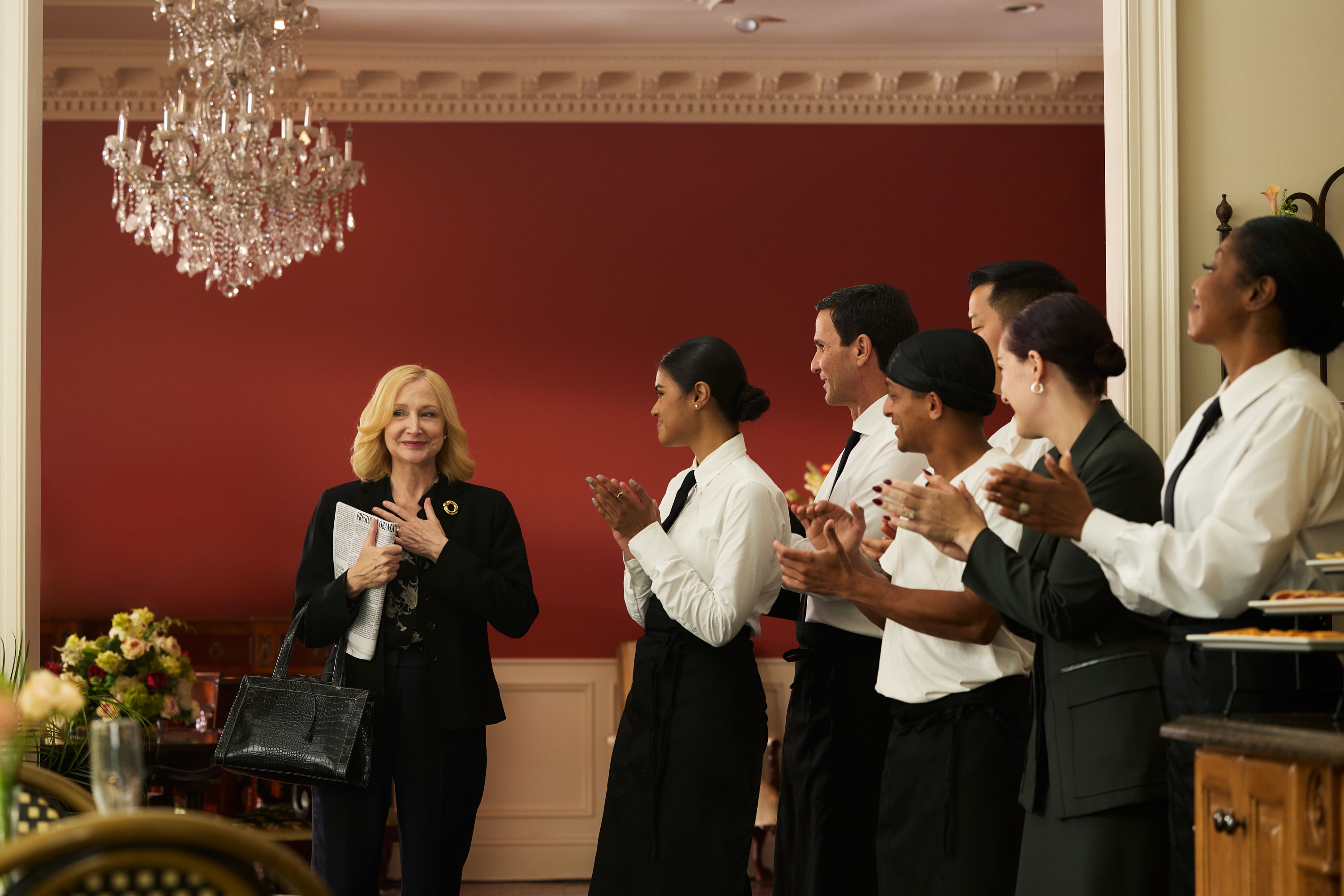
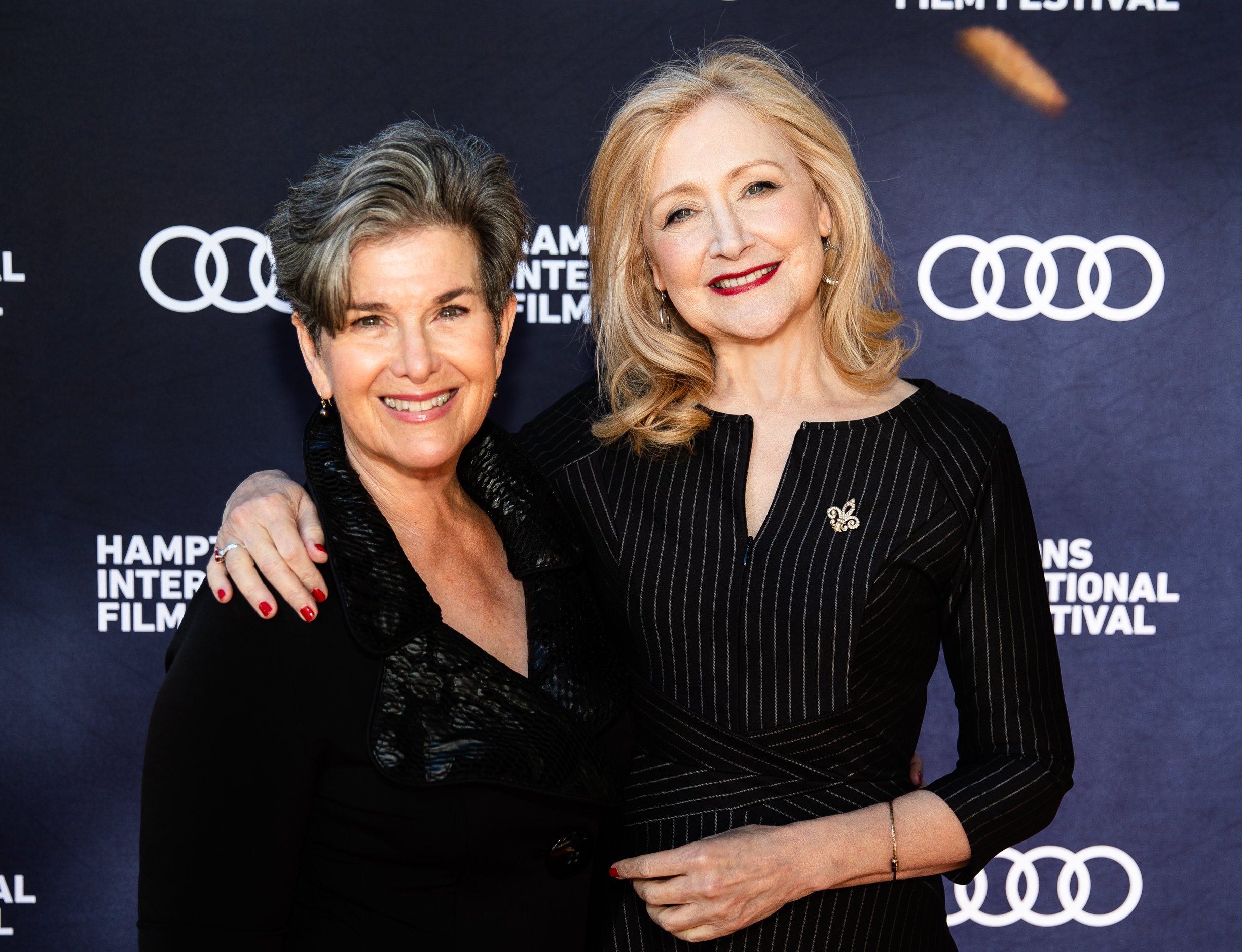
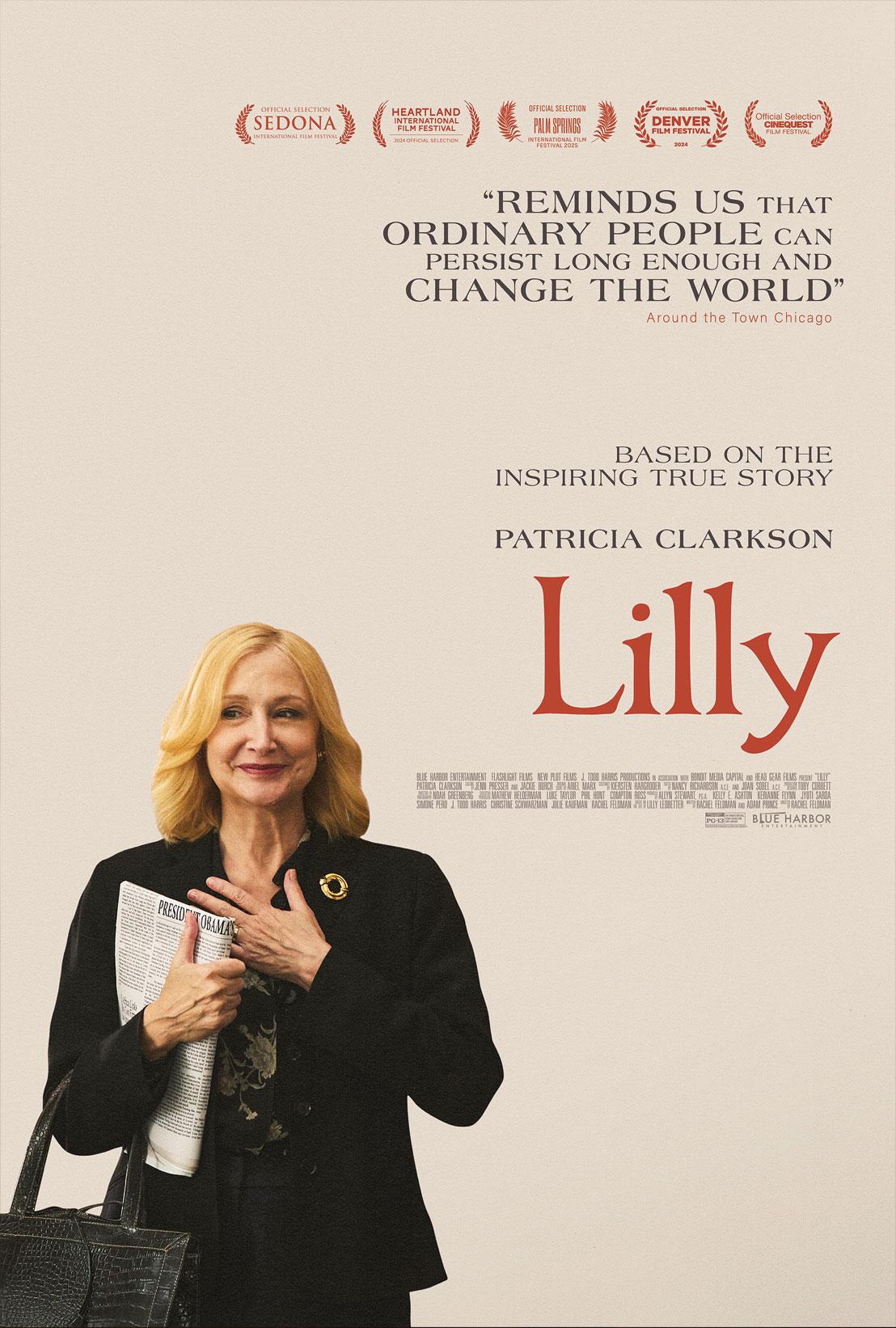
festival poster
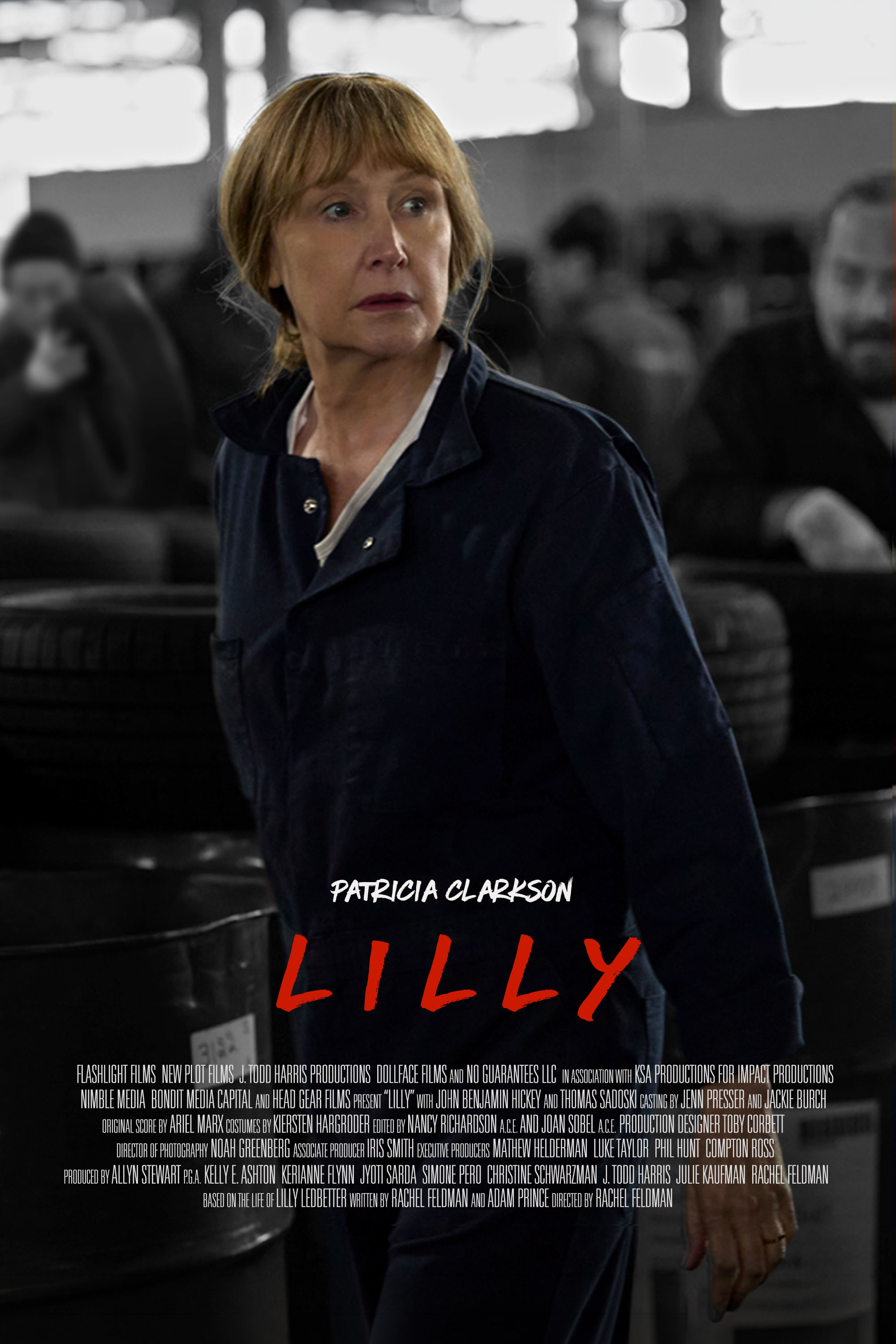
theatrical poster
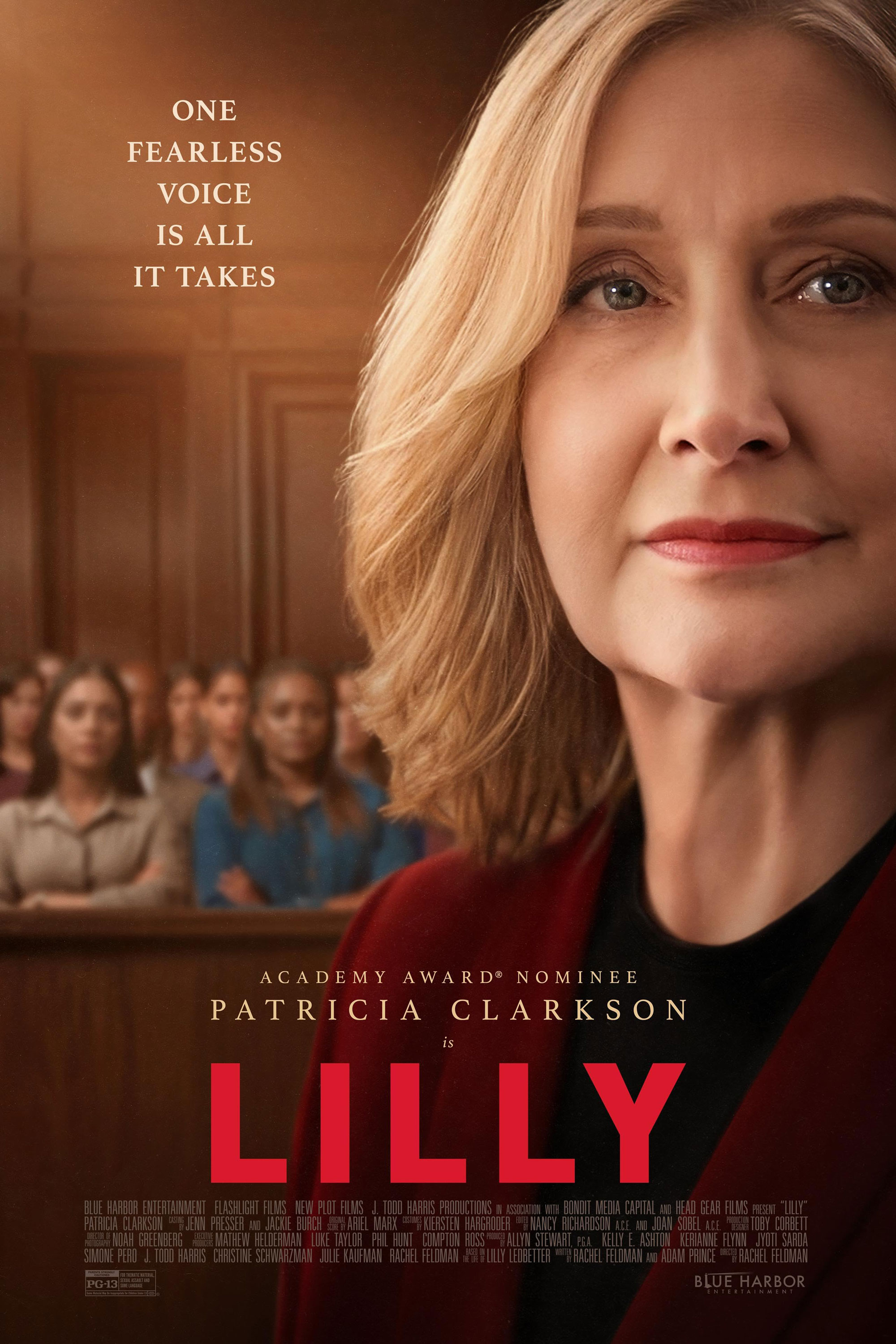
international poster
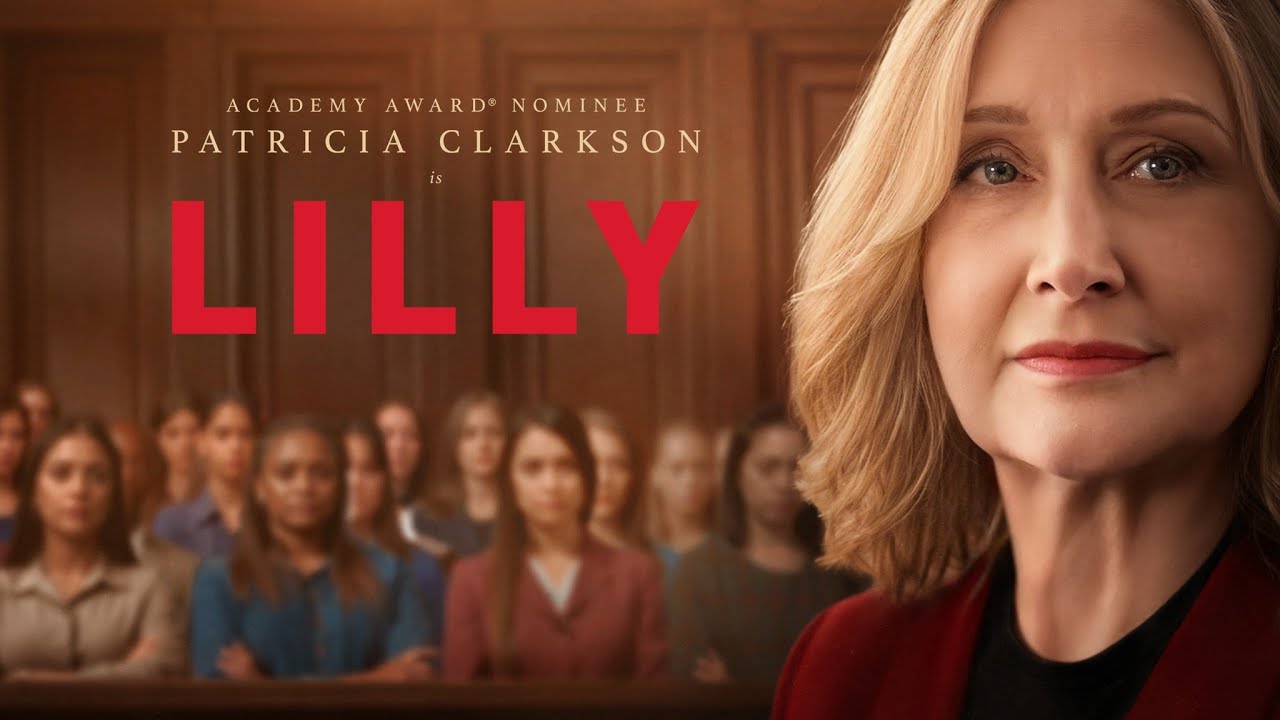
official trailer

website
lillymovie.com
rotten tomatoes
rottentomatoes.com/m/lilly_2024
letterboxd
letterboxd.com/film/lilly-2024
instagram
instagram.com/lillymovie
facebook
facebook.com/LillyMovie
tiktok
tiktok.com/@lillymovie2025
youtube
youtube.com/@lillymovie2025
type
narrative feature (drama)
keywords
drama, history, based on actual events, based on real person, pay discrimination, sex discrimination, women's rights, labor rights, sexism in the workplace, fight for equal pay, injustice
director
Rachel Feldman
co-writers
Rachel Feldman, Adam Prince
producers
Allyn Stewart, Kelly E. Ashton, Kerianne Flynn, Jyoti Sarda, Simone Pero, J. Todd Harris, Christine Schwarzman, Julie Kaufman, Rachel Feldman
exeutive producers
Richard D. Batchelder, Jr., Mary Jane (MJ) Elmore, Wendy Federman, Patti Hart, Milledge Hart, Lisa Anderson Kelley, Jen Radjikowski, Kim Robson, Jayne Baron Sherman, Regina K. Scully
editors
Joan Sobel, Nancy Richardson
composer
Ariel Marx
production designer
Toby Corbett
costume designer
Kirsten Hargroder
director of photography
Noah Greenberg
cast
Patricia Clarkson, John Benjamin Hicky, Thomas Sadoski
publicist
42 West
release year
2025
country
USA
running time
96 min.
synopsis
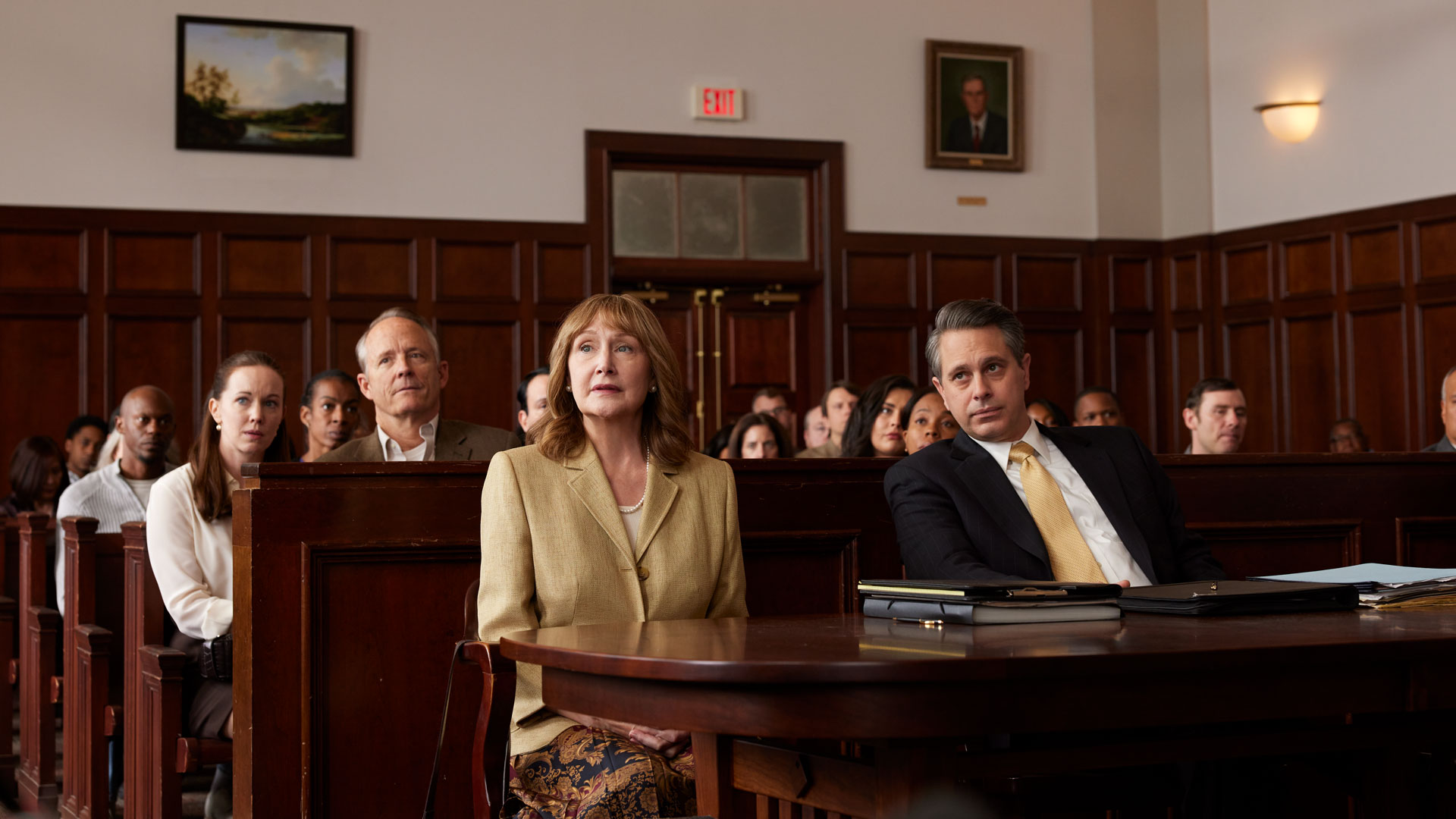
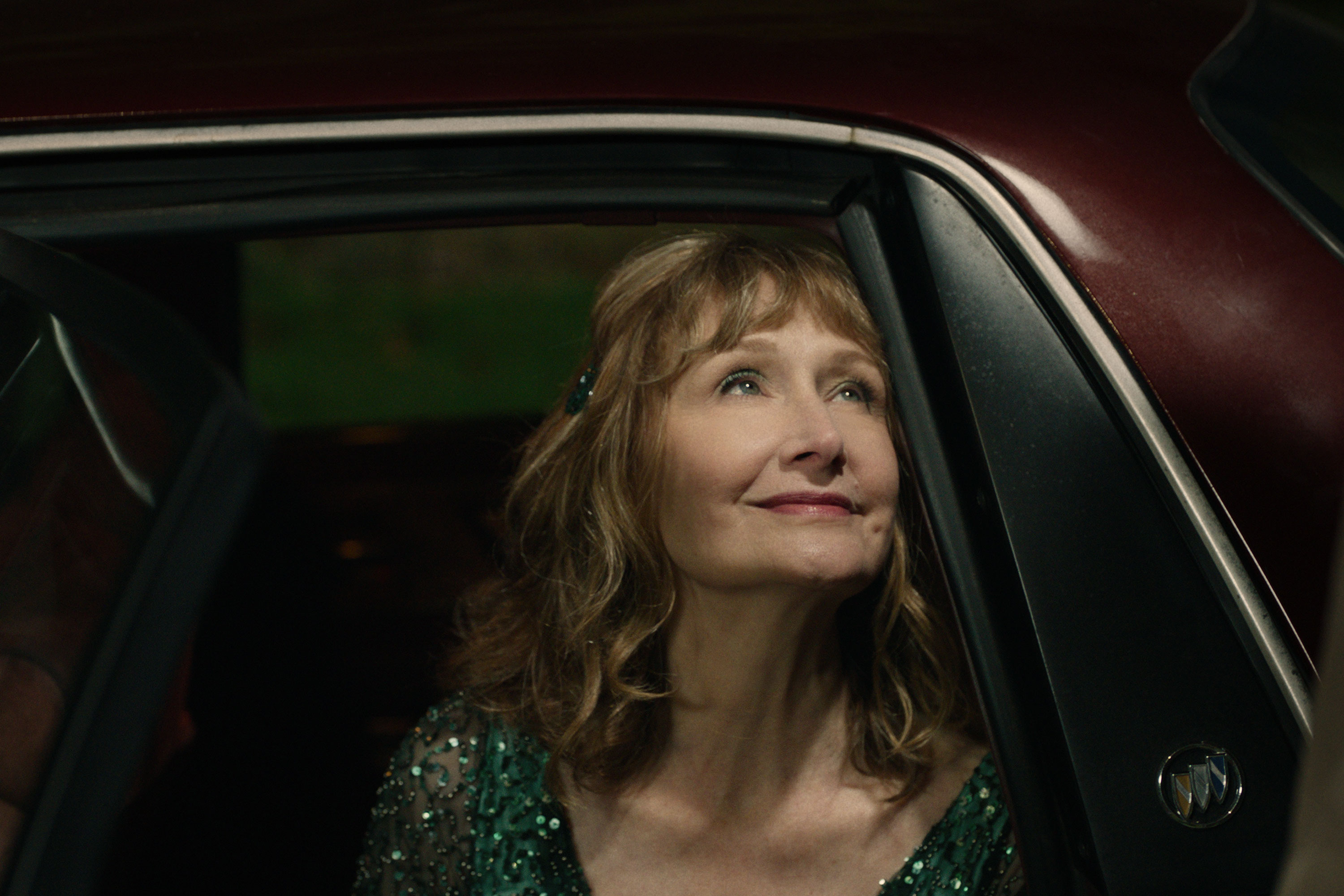
LILLY is based on the remarkable true story of working-class hero, Lilly Ledbetter, a hard-working Alabama tire factory supervisor whose singular goal is to lift her family into the middle class.
Having grown up in poverty, she endures a work environment plagued by pervasive harassment for the sake of the best paycheck in the county. As retirement approaches, Lilly discovers that the system has been cheating her, paying her close to half of what the men with the same jobs are earning.
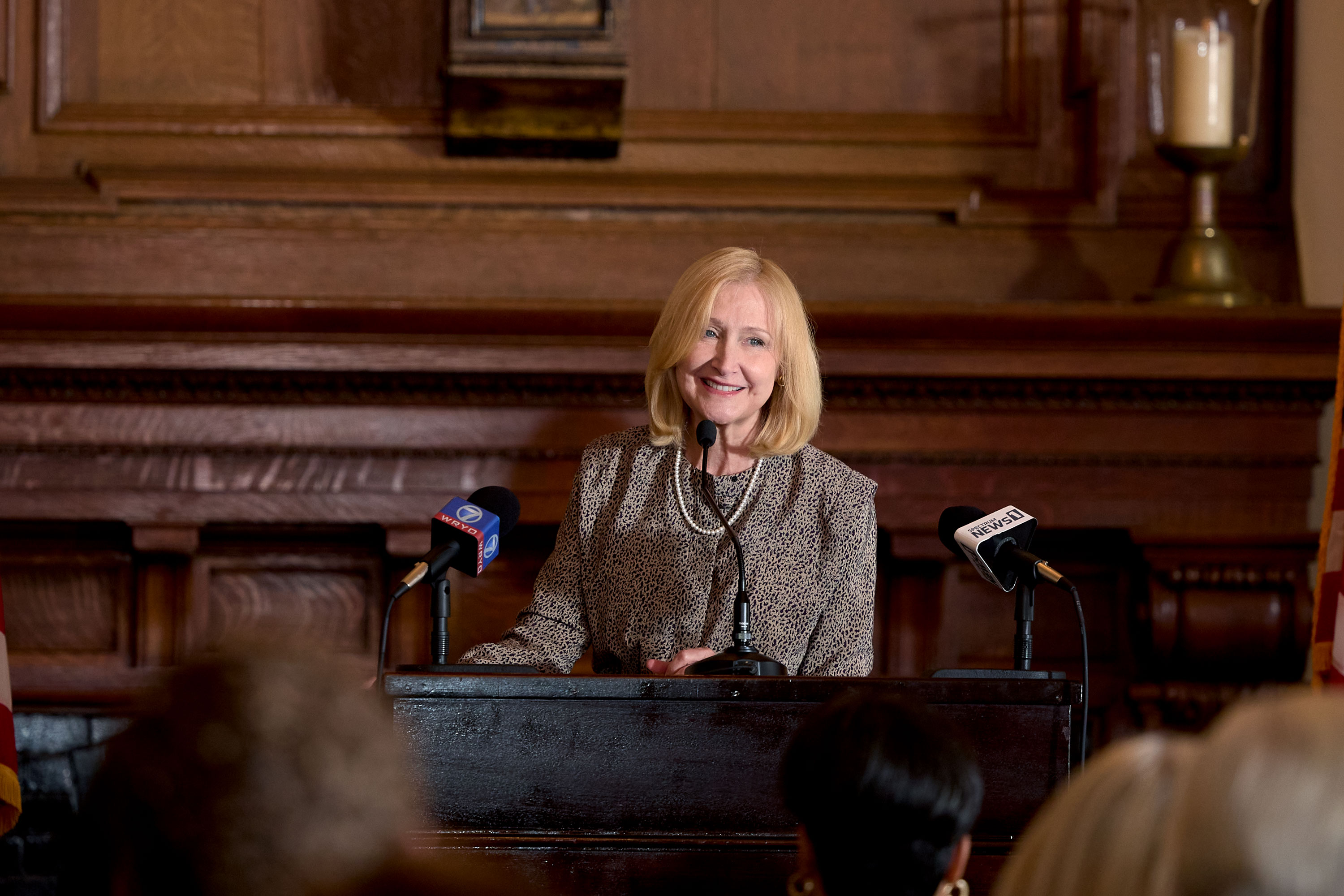
Outraged, Lilly fights this injustice to the Supreme Court, the corridors of Congress and eventually The White House all while powerful forces try to shut her down.
LILLY follows the transformation of an ordinary citizen into the face of an issue, illuminating the impact a single, courageous person can have.
Festivals and Reviews
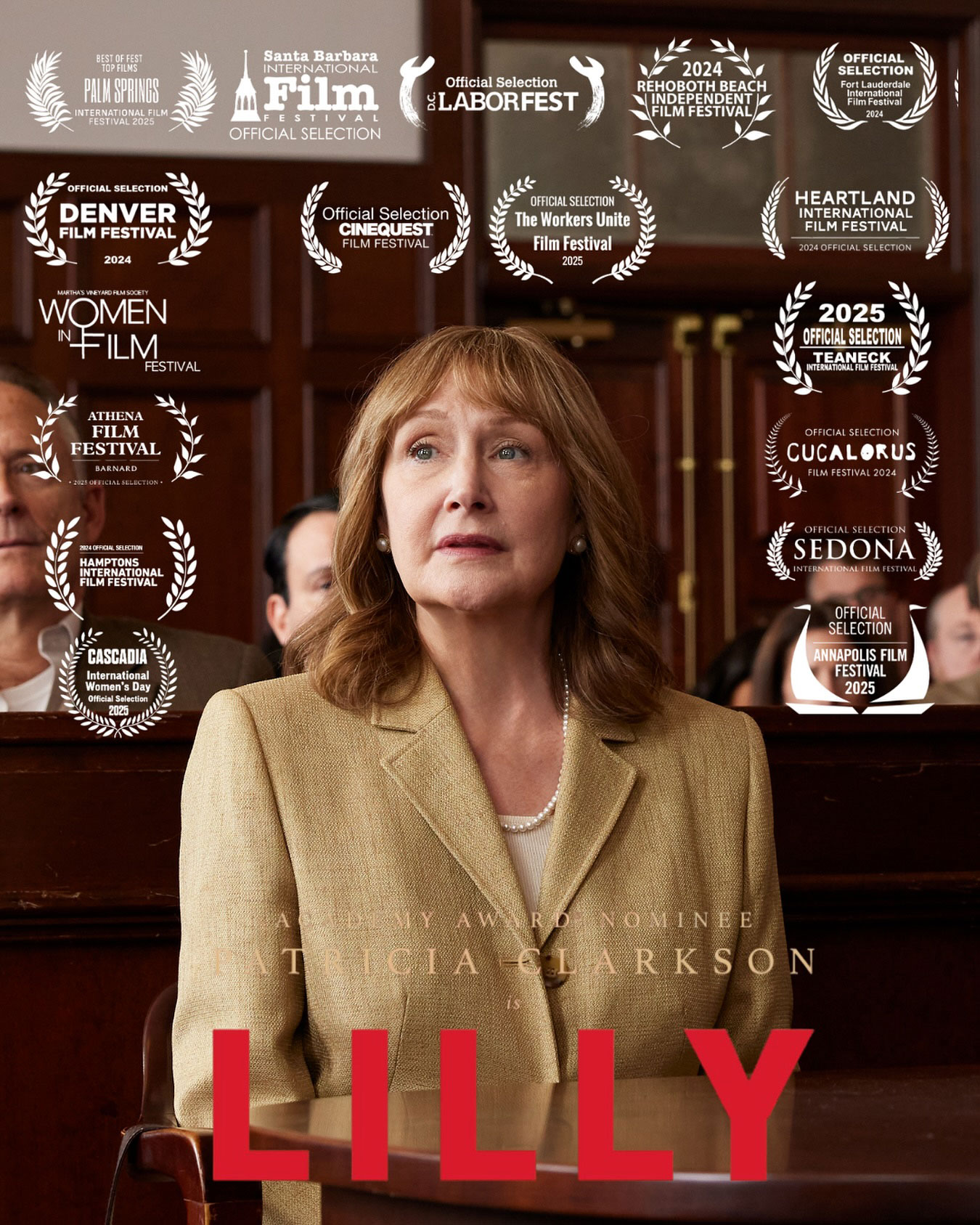
Our world premiere was at the Hamptons International Film Festival in October 2024. It was glorious to watch the film with 500 strangers. They gave Patti Clarkson, Vickie Ledbetter Saxon (Lilly’s daughter), and me a standing ovation. Producer Kerianne Flynn threw us a beautiful party where we finally met many of our key investors in person for the first time, each of them thrilled to have been a part of this movie. We won “Best of the Fest” at the 2025 Palm Springs International Film Festival, and the ADL Stand Up Award at the 2025 Santa Barbara International Film Festival.
I traveled the country to several other great festivals. Denver gave Ms. Clarkson the John Cassavetes lifetime achievement award. New Orleans also gave her a beautiful award. LILLY played at: Hamptons, Provincetown, Martha’s Vinyard, Heartland, Denver, Rehoboth Beach, Fort Lauderdale, Cucalorus, Palm Springs, Santa Barbara, Sedona, Athena, Annapolis, Cinequest, Labor Fest, Worker’s Unite, Teaneck and a few more. Producer Julie Kaufman and her husband Doug threw us another fabulous party in Palm Springs, where again, our investors and cast could meet and mingle. At so many festivals, it was an extraordinary feeling to sit in the theater with exuberant fans and then celebrate afterwards with the amazing investors and donors who had believed in Lilly and in the LILLY team.
I hadn’t known much about festivals before LILLY. Utilizing Jeffrey Winter from the Film Collaborative as our festival consultant was the best move. He understood where our film fit into the festival landscape and taught me how to ask for festival waivers and built a list for me. It was a lot of work, but his target list proved great.
Social Impact Campaign
We had a robust social action campaign led by Simone Pero. Part of our strategy was to engage with non-profit organizations that held common beliefs with our film. We wanted not only to illuminate the work they were doing, but also for them to share news about our film to their memberships, which totaled in the millions. Many of these organizations had worked with Lilly Ledbetter over the years and had been helpful to me doing research on the screenplay. In the end, we had over 200 non-profit organizations as partners, from the National Women’s Law Center to AAUW, ACLU and AARP. We hired GSD Social Impact Entertainment who set many successful screenings, panels and events, and the publicity generated by news about LILLY in organization newsletters and their social media boosted our audiences during our theatrical run. The AARP digital screening brought in over 3,000 viewers who loved the film and spread the word, our in-person Museum of Tolerance screening was sold out. Unfortunately, the timing of our release coincided with DEI programs being stripped and corporate sponsorships disappearing.
Sales
CAA was our sales agent but they warned us that they were having trouble selling dramas. Though we heard many lovely responses, we didn’t receive any offers we felt were reasonable. Few believed the film would attract an audience and buyers who seemed to want only horror, superhero movies, or super-cool indie vibes. And while we were none of those, we were something good. We knew that all kinds of audiences loved our film. Not just older women, not just feminists. We had seen all kinds of audiences respond emotionally—they loved the music, the performances, and the story. Most importantly, they were deeply affected by Lilly’s struggle.
I reached out to Ted Hope, Keri Putnam, and to several other experts for whom I had tremendous respect. They reiterated that we were in a new moment, a time for reinvention, a time to pivot. Their recommendation was essentially to figure it out, hold your head high, and do it yourself.
Theatrical & Digital Distribution, and beyond…
The term “self-distribution” was stripped from our vocabulary. Folks who had not gone on this journey of education with us often used the word, “four-walling,” which we also banished. We were on the hunt for a “distribution partner” who we would pay a fee to for their expertise in addition to percentages on specific deals.
Producer Jyoti Sarda took the lead on this as well as on the publicity side. We interviewed a lot of smart folks. there are great people out there doing innovative work. Some were stronger at theatrical, others had solid inroads with streamers. Prices varied to a degree, but we had several good options. We went with Blue Harbor Entertainment out of NYC. For a very reasonable fee, they guided us through the poster and the trailer, worked with our publicists at 42 West, handled lab/prints/DCP, guided social media, and worked with our booker Michael Tuckman, who placed LILLY in theaters around the country, as well as Jackie Papier who handled one-off screenings. They would also take 15% of the future VOD, SVOD sales, make the deals and handle the bookkeeping. We were very happy with them. They are nice people—efficient and fair.
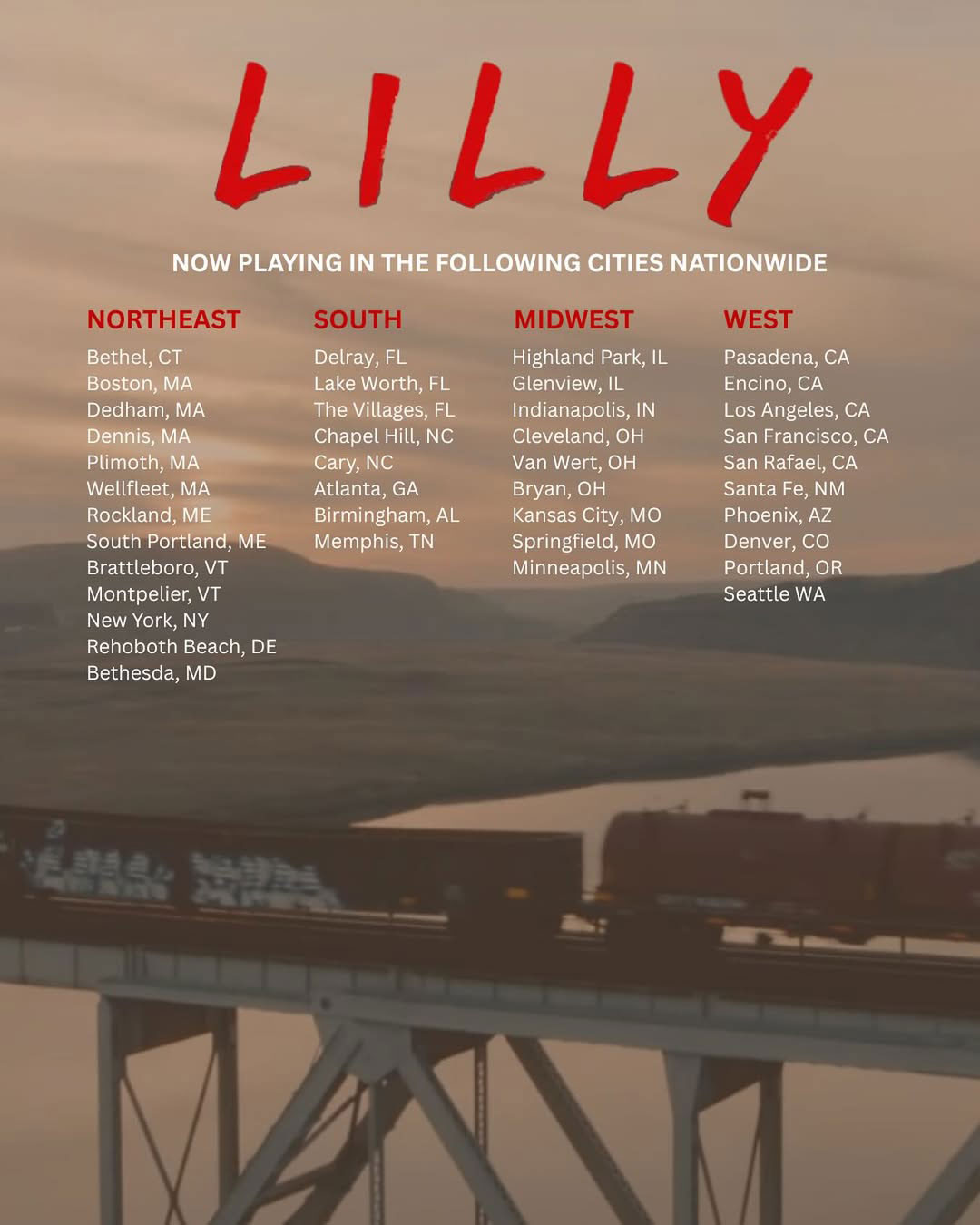
Because we had initially believed that a distributor would be covering marketing costs for theatrical, we hadn’t budgeted that anywhere. I designed a program that investors could buy into. “Adopt-A-City” enabled investors and donors who cared about a particular city to support the marketing for that specific area. It was highly effective and that infusion of funds greatly contributed to our ability to grow our theatrical release into more cities. Our theatrical profits neared $200K.
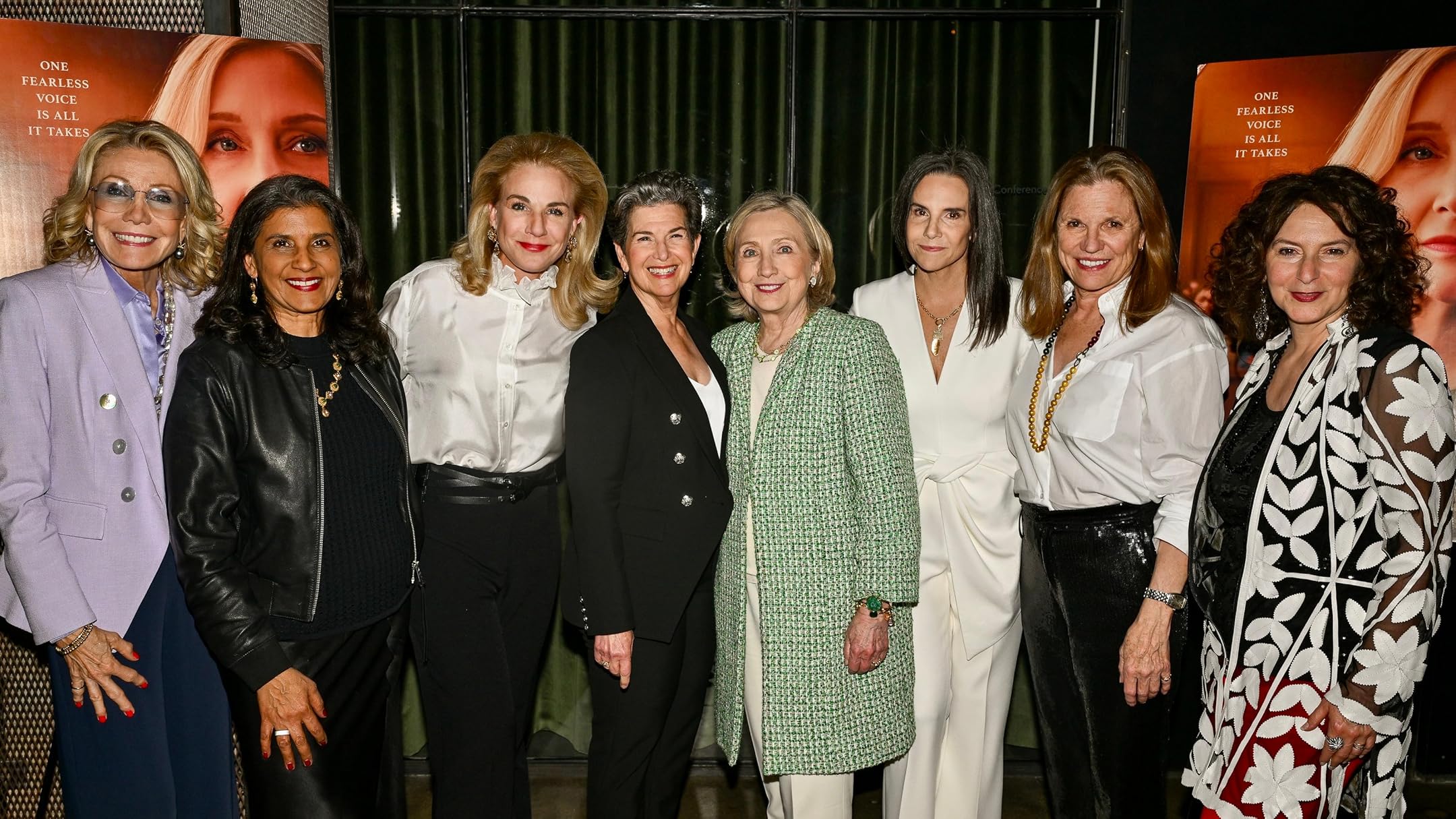
Our various producer level investors showed up for us big time! Andrea Batista threw a wonderful, Los Angeles CAA first screening and party, followed by a glamorous theatrical premiere at Neuehouse in New York, thrown by Christine Schwarzman May 2025, attended by Secretary Hillary Rodham Clinton, many investors, and dozens of New York’s finest actors. We opened at the Quad that month.
Our VOD run that started in July 2025 has been equally successful. We are playing on Amazon Prime, Apple TV, and others. Our popular (“Popcornmeter”) score on Rotten Tomatoes was (and still is) over 90%. And our reviews on Letterboxed and many other platforms were positive. In our first months of TVOD, we grossed $175K.
Netflix offered us a streaming deal, and the film went on the platform in November 2025. Not a big one, low 6 figures, but we were thrilled nevertheless for folks all over the country to be able to see Lilly Ledbetter’s story. Blue Harbor made the deal—they had very little communication with them and we had none. It was hard to know if having had a successful theatrical release was meaningful to them or not. Within just a few days of release we were given the “most liked” thumbs up on the Netflix tile.
Blue Harbor also set up airline distribution. We are working with Radiant for International and have sold to a several territories. We are working with Swank for educational distribution and that’s just getting started. We are working with Kinema for organizational screenings.
A Word About Reviews
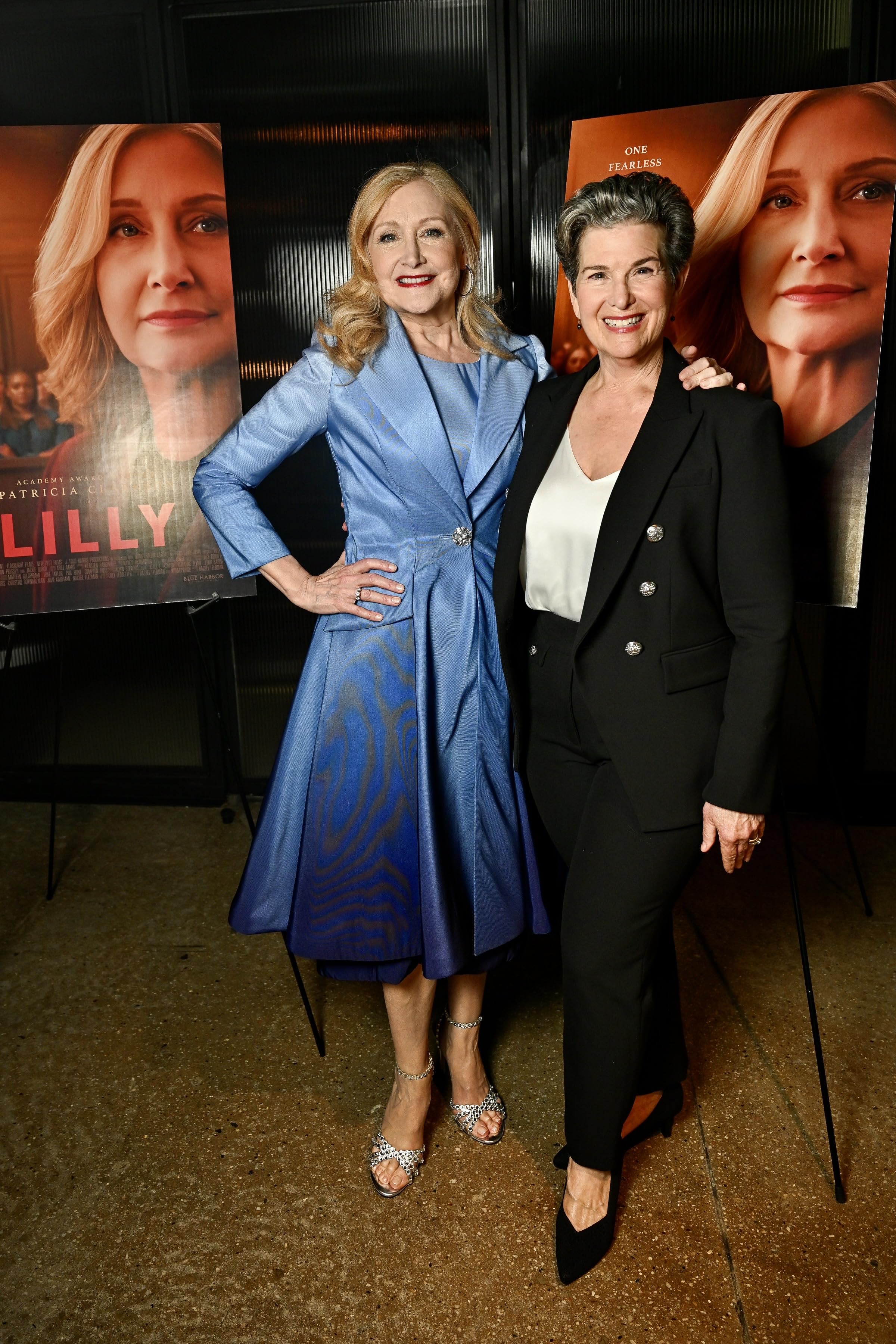
We were very lucky that our leading lady, Patricia Clarkson, is not only a great actor, but was fully dedicated to Lilly Ledbetter, our team and our movie. She jumped into promotion with both feet, doing morning shows and nighttime talk shows like “CBS Sunday Morning,” “The Kelly Clarkson Show,” shows with Andy Cohen, Hoda and Jenny, talks at the 92nd St Y, and so much more. In combination with our press, her Herculean efforts made a big difference.
Our PR company, 42 West, had advised that we hold all reviews until our world premiere, but somehow one of the trades published a scathing review of the film months earlier, ironically on the very same day that we won the “Best of the Fest” at the Palm Springs International Film Festival. Right on the heels of that one, a major newspaper wrote an equally unkind review. The majority decision was to shut down all reviews. There was concern that reviewers might be affected by their colleague’s opinions. I have to say that at this moment, although I had been gob-smacked by the mean-spiritedness of these two reviews, I felt in my heart that there were people out there who would appreciate the film, even though there might be others who didn’t. I had seen it with my own eyes at festivals. But we had real experts on our team, top professionals who were all advising the same thing, so I listened. I regret that now.
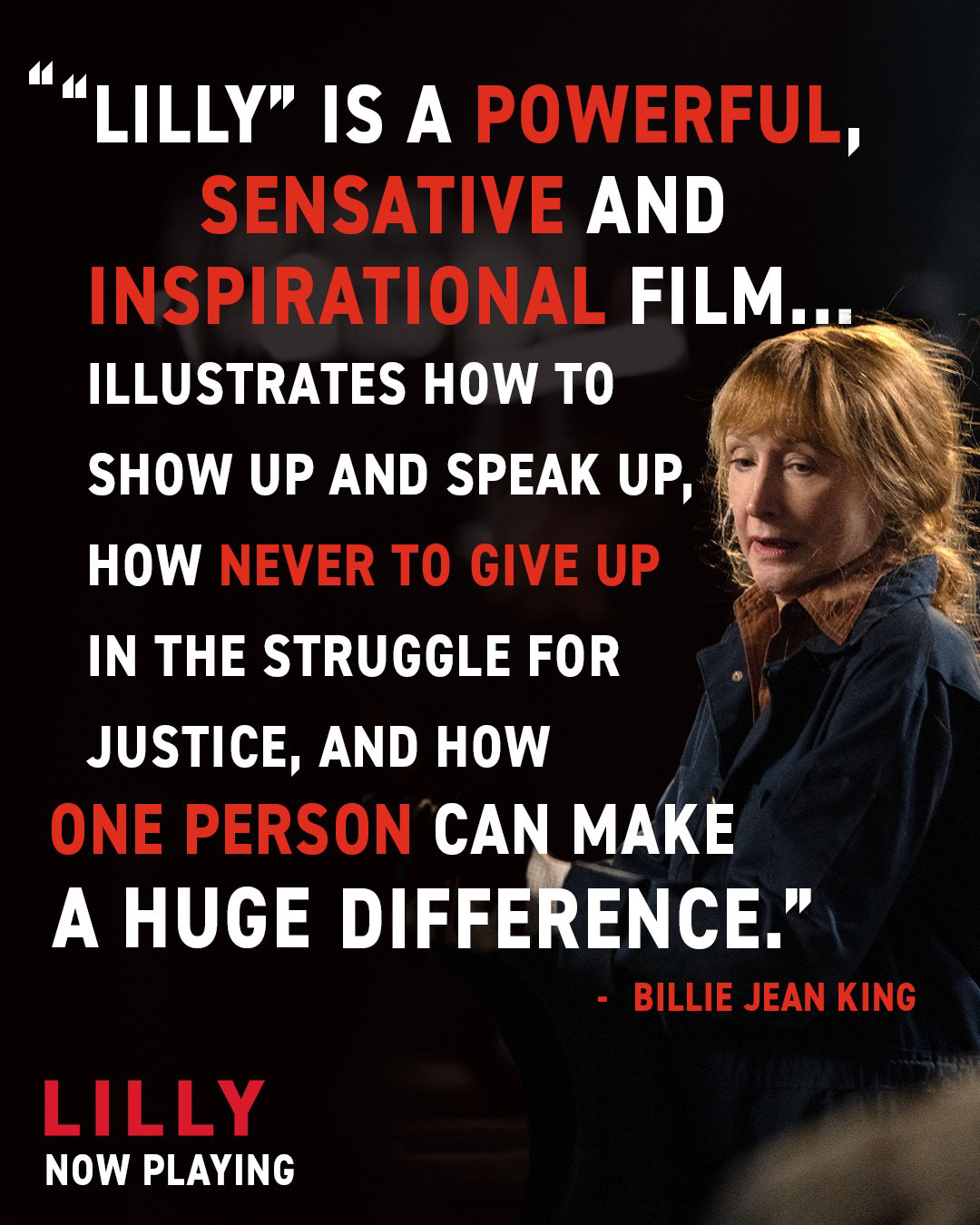
Soon, there were several beautiful reviews that snuck through. Those lifted our spirits, but months later, once the film was streaming, I was horrified to learn that the Rotten Tomatoes professional score was 23%, even though the popular score, comprised of regular audiences, was 91%! Knowing absolutely nothing about reviews, I spent the next several weeks writing to every journalist I’d ever heard about, asking if they were RT certified and if they might look at the film. I heard that RT won’t accept reviews after the theatrical release, but soon the score jumped to 58%, which was still very low in my opinion. Rotten Tomatoes has many rules about what they consider a review and what they don’t, and I was done hoping to fix the damage of what a clearly broken system can do to a film. Lesson learned? Never halt reviews. Never. Let the floodgates open. Some will be haters, but many will be lovers, and you will never find the good if you shut the spigot.
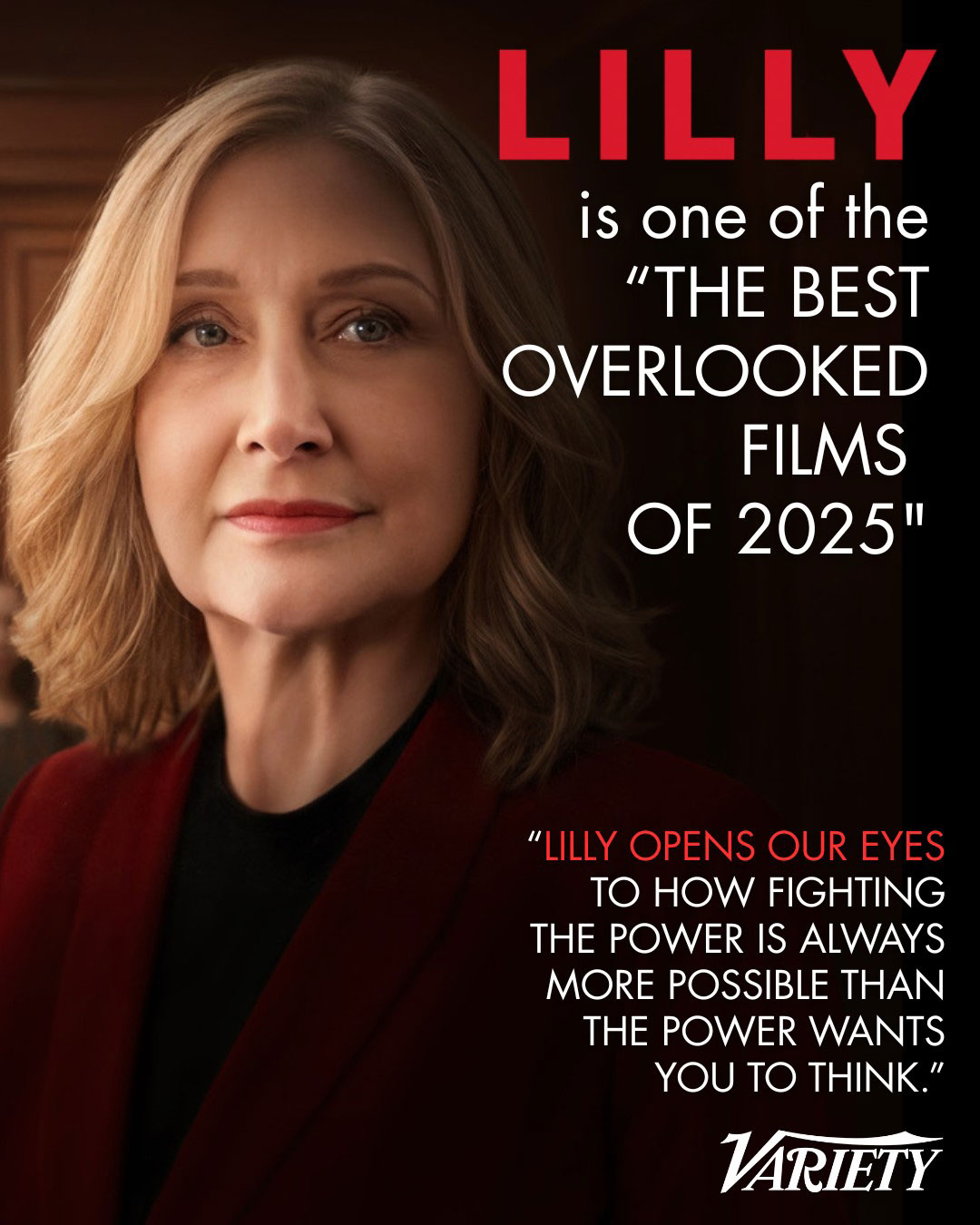
I’m very pleased to report that in Variety’s end-of-year movie breakdown, they called LILLY, “one of the best overlooked films of 2025.”
Investor Relations
We started raising money for this film September 2019. Netflix acquired it at the end of 2025 for the aforementioned low 6-figures. When we began the journey, Todd Harris had helped raise funds for a different film that sold to Netflix for nearly $20M, an example we often used when pitching to investors. “Prestige dramas” were winning Oscars® and studios and distributors were picking up independent films and doing well with them. During those five years we were so focused on making a movie that we hadn’t realized that the marketplace had sunk into quicksand. And if we were unaware of this change, our investors, most of whom were not experienced investors nor film people, were going to need an education to understand that we hadn’t done anything wrong—that we had not mishandled their money. We were simply hit by a tidal wave of change in our industry.
We had been keeping our investor/donor/supporter community abreast of news for several years via a newsletter and now became the process of leveling expectations, as we ourselves were learning a new financial reality. Because the vast majority of our investors and donors had invested in LILLY because of their commitment to social change and gender equity for political reasons, despite their disappointed to learn that there would be little likelihood to recoup most, if any of their investment, the social ROI, was still substantial for the majority of them—and for that I am enormously grateful.
Awards
As a director who has worked primarily in television, I was not really aware of the ins-and-outs of “award season.” I was shocked to hear that awards budgets were hundreds of thousands on the low end and several million on the bigger end. I heard many stories about movies that were made for $8M that had budgets double that sum for publicity. And while I never thought that LILLY could compete against the big contenders this year, I did hope that perhaps Patricia Clarkson’s stunning portrayal of Lilly Ledbetter might be in contention for some kind of nomination. What I learned is that “awards season” is capitalism gone amok and that no film can compete for anything without huge infusions of cash. Again, never thinking that we were going to be marketing and distributing the film ourselves, there had never been a line item in the budget for awards.
Final Thoughts
Some advice to future film teams… make sure you fully understand each state’s tax credit regulations thoroughly, including investigating the length of time and in what form funds are returned, and avoiding taking a loan against the credit.
Even with unforeseen scenarios, I realized a dream—and I’m really proud of that. I wrote and directed a feature film with great actors that had a big, theatrical release and ended up on Netflix. I’m proud of the other producers, investors, donors, actors, and crew who worked their butts off in joy to bring LILLY to life. And I’m so happy that I delivered the promise to Lilly, Lanier, and Jon that I would bring Lilly’s story to the world.
I’d like to acknowledge my fellow producers and executive producers without whom this film would not exist. It’s hard to express the joy of shared effort toward one goal, how each and every person stepped-up big time, showed up in full vitality and stayed with us for the long haul, through thick and thin. Allyn Stewart, who had been brought in late, but was dedicated to the project with mama bear ferocity and was the secret sauce that brought the movie “home,” often said, “In for a penny, in for a pound.” Every filmmaker should have the experience of being surrounded with this kind of collaboration.
Lilly Ledbetter passed away two days after our festival world premiere at the Hamptons. She saw the finished film but not in a theater with 500 screaming fans. I wish she had been able to experience that. And I wish my movie-loving mother would have been sitting right next to her.
Distribution
theatrical release
Blue Harbor Entertainment with booker Michael Tuckman
May 9, 2025
virtual PVOD for private screening events
Kinema
digital TVOD release
Blue Harbor Entertainment
July 10, 2025
digital SVOD release
Netflix
November 19, 2025
international distributor
Radiant Films International
educational distribution
Swank
awards & nominations
2024 Denver Film Festival: John Cassavetes Award, Patricia Clarkson (Winner)
2024 New Orleans Film Festival Lifetime Achievement Award Patricia Clarkson
2025 Palm Springs International Film Festival – Festival Best of the Fest
2025 Santa Barbara International Film Festival – ADL Stand Up Award for Social Justice
2025 Women Film Critics Circle Awards: WFCC Award, Best Equality of the Sexes (Nominee), Adrienne Shelly Award (Nominee)
2026: The Encore Lumen Award given by Equality Lounge (See a short clip of Director Rachel Feldman’s Luman Awards speech)
2026: Gracie Award Winner
2026: American Bar Association – Silver Gavel Award – Nominee – (Awards selection Summer 2026)
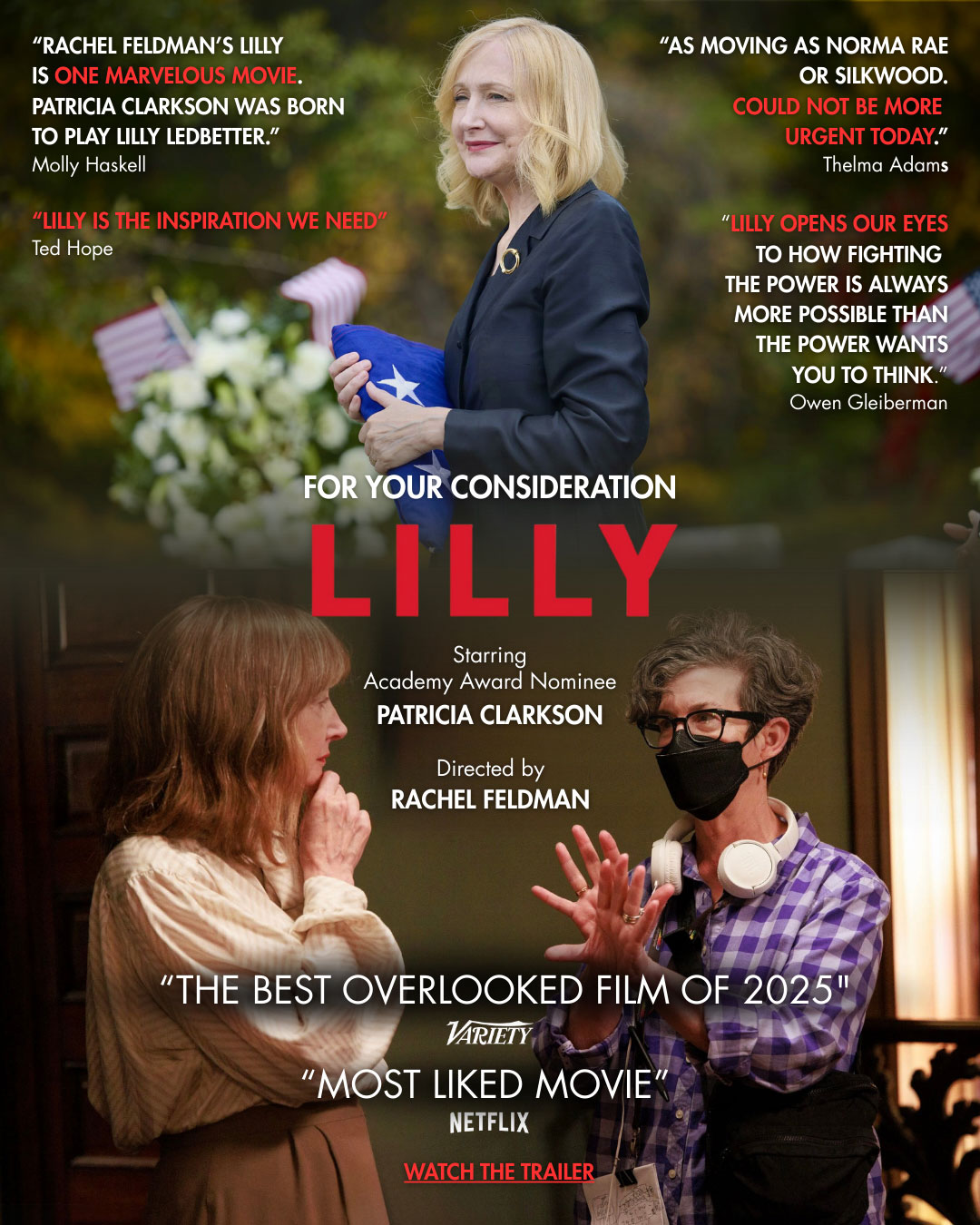
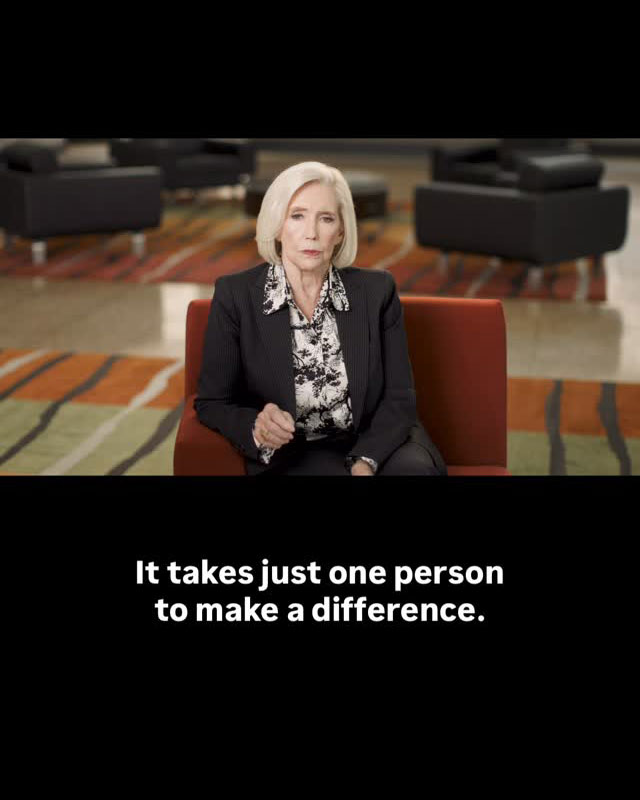
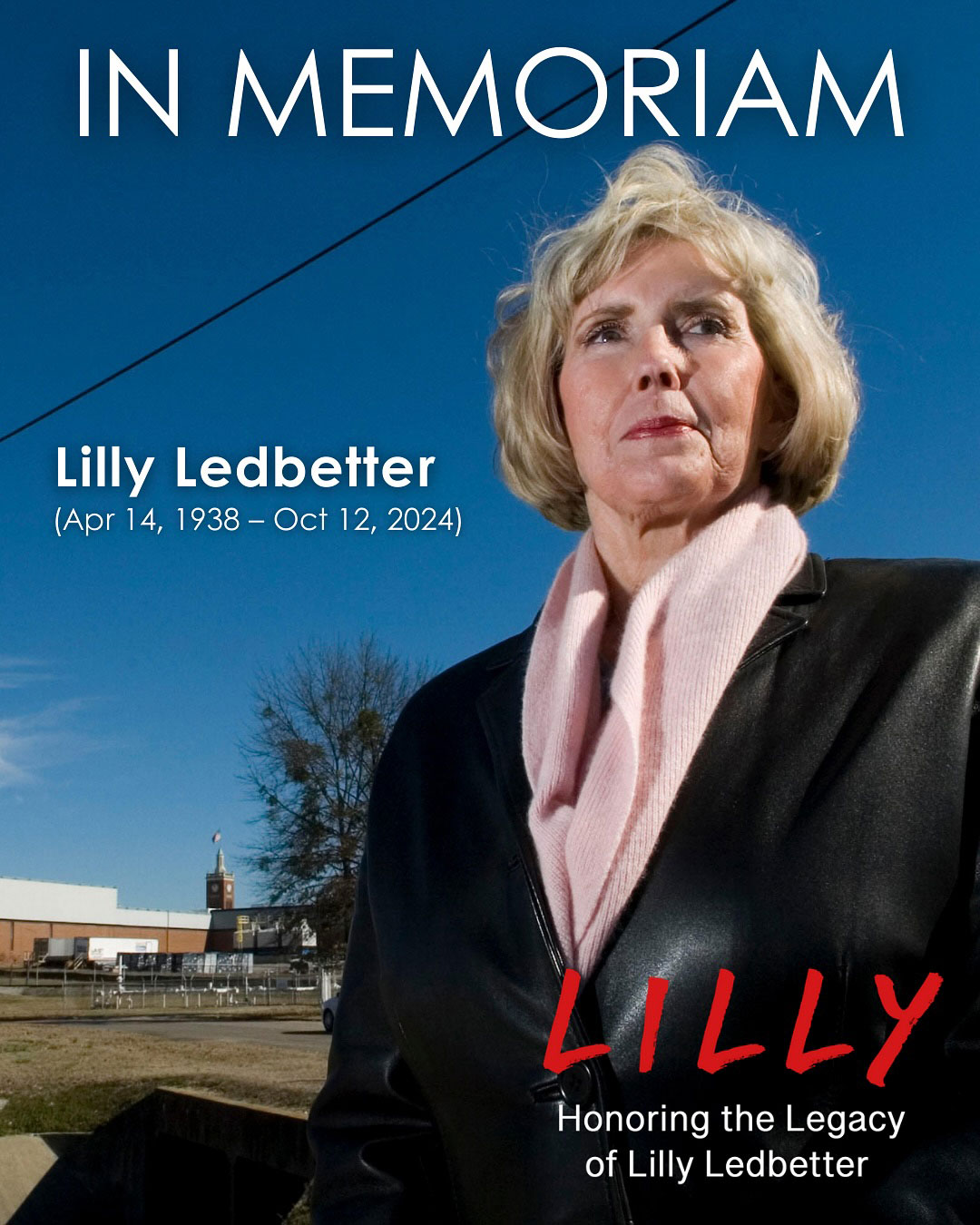
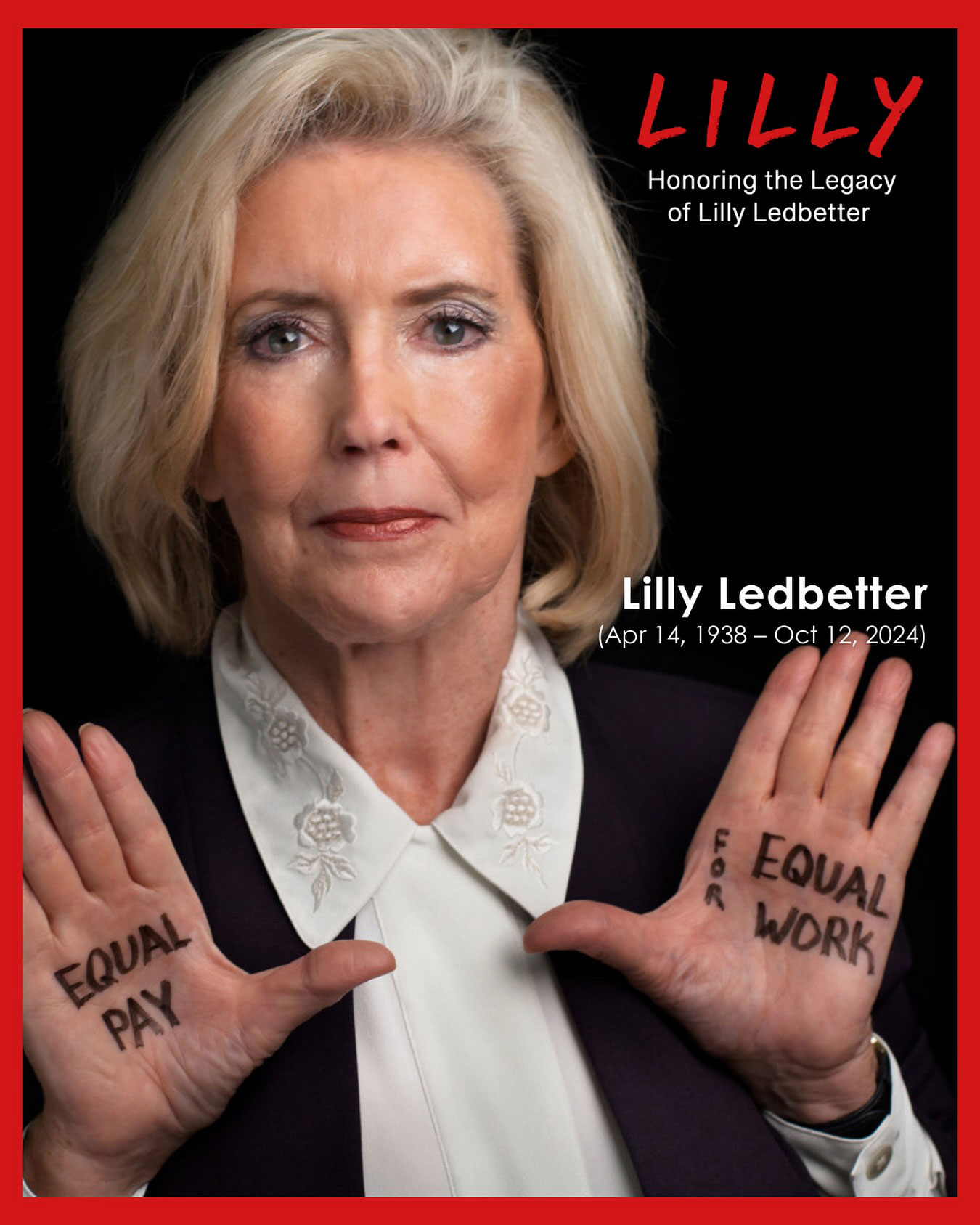
You can also find other press photos on the LILLY Website.
Acknowledgements