How the Distribution of Good Bad Things was a Good Good Thing
May 15, 2026
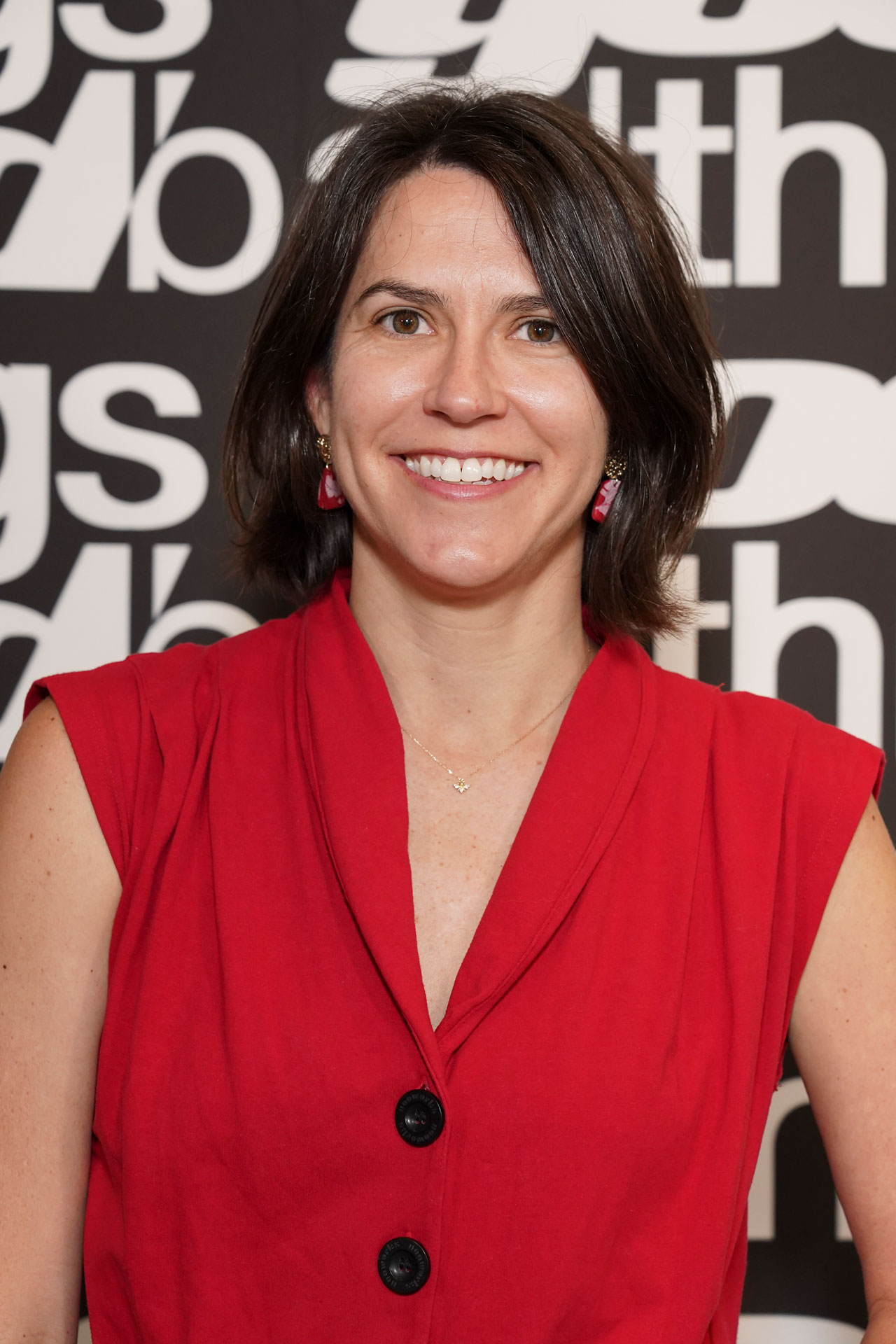
Annalisa Shoemaker is CEO & founder of Suncatcher Productions.
Festivals
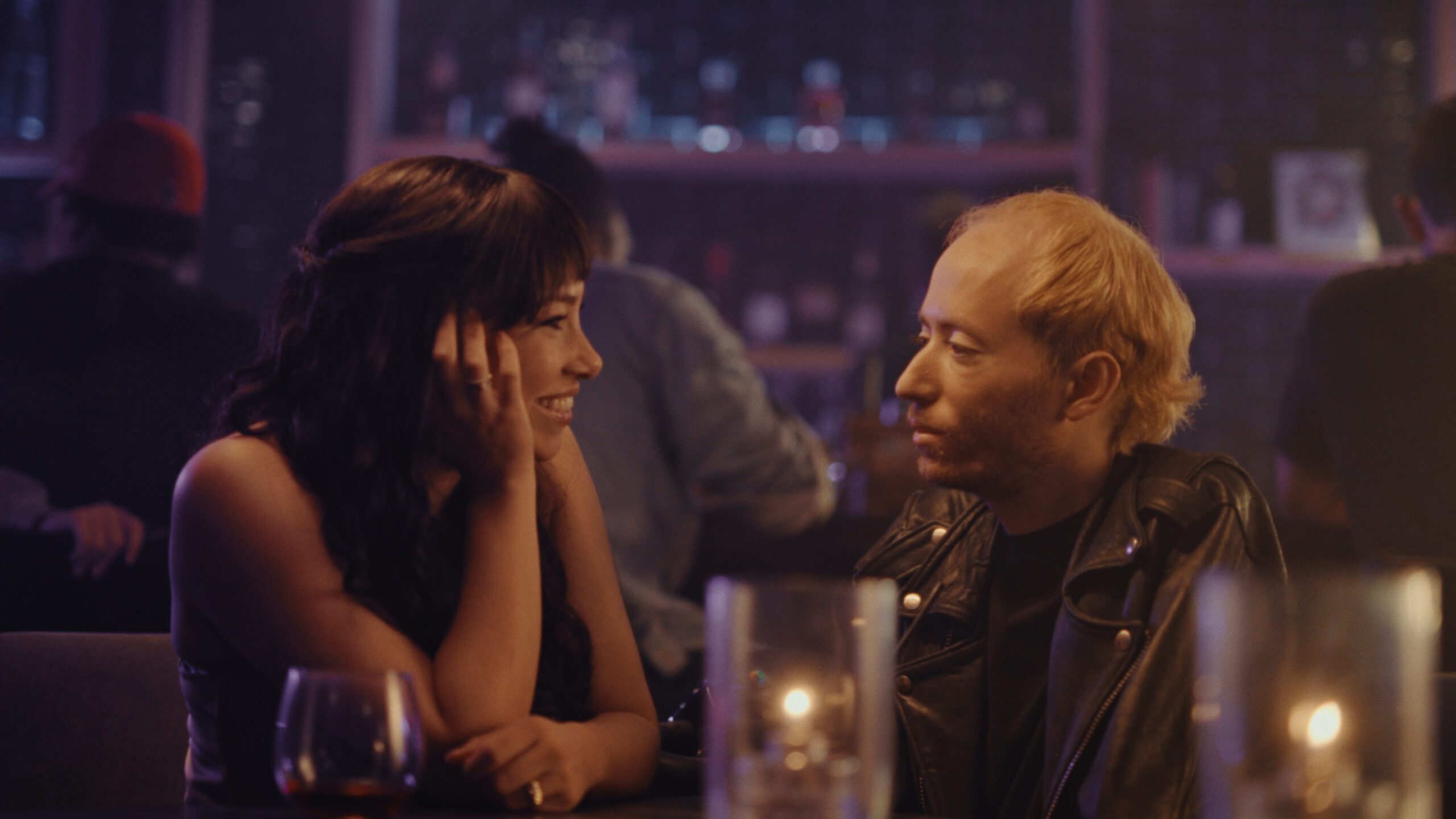
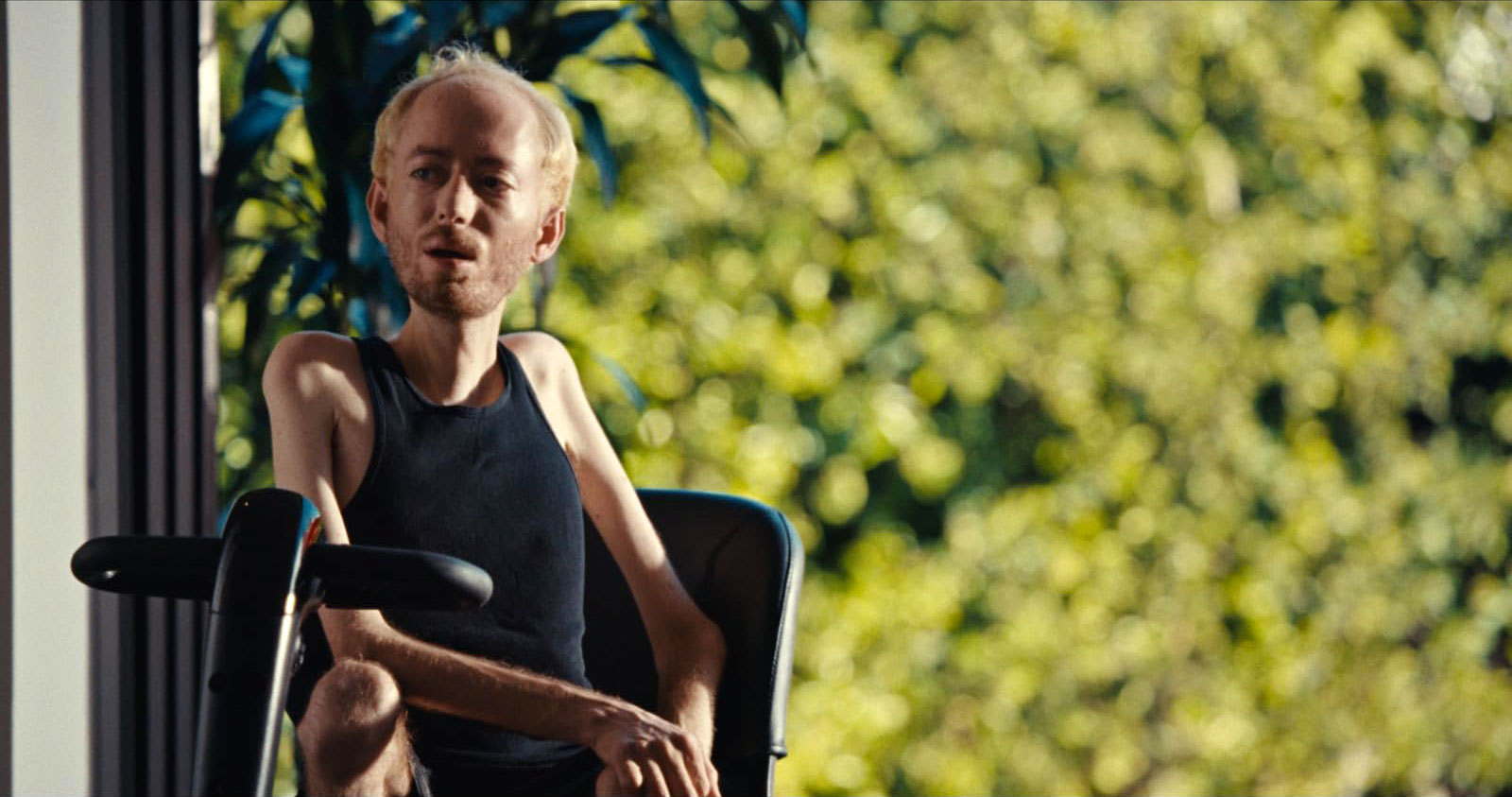
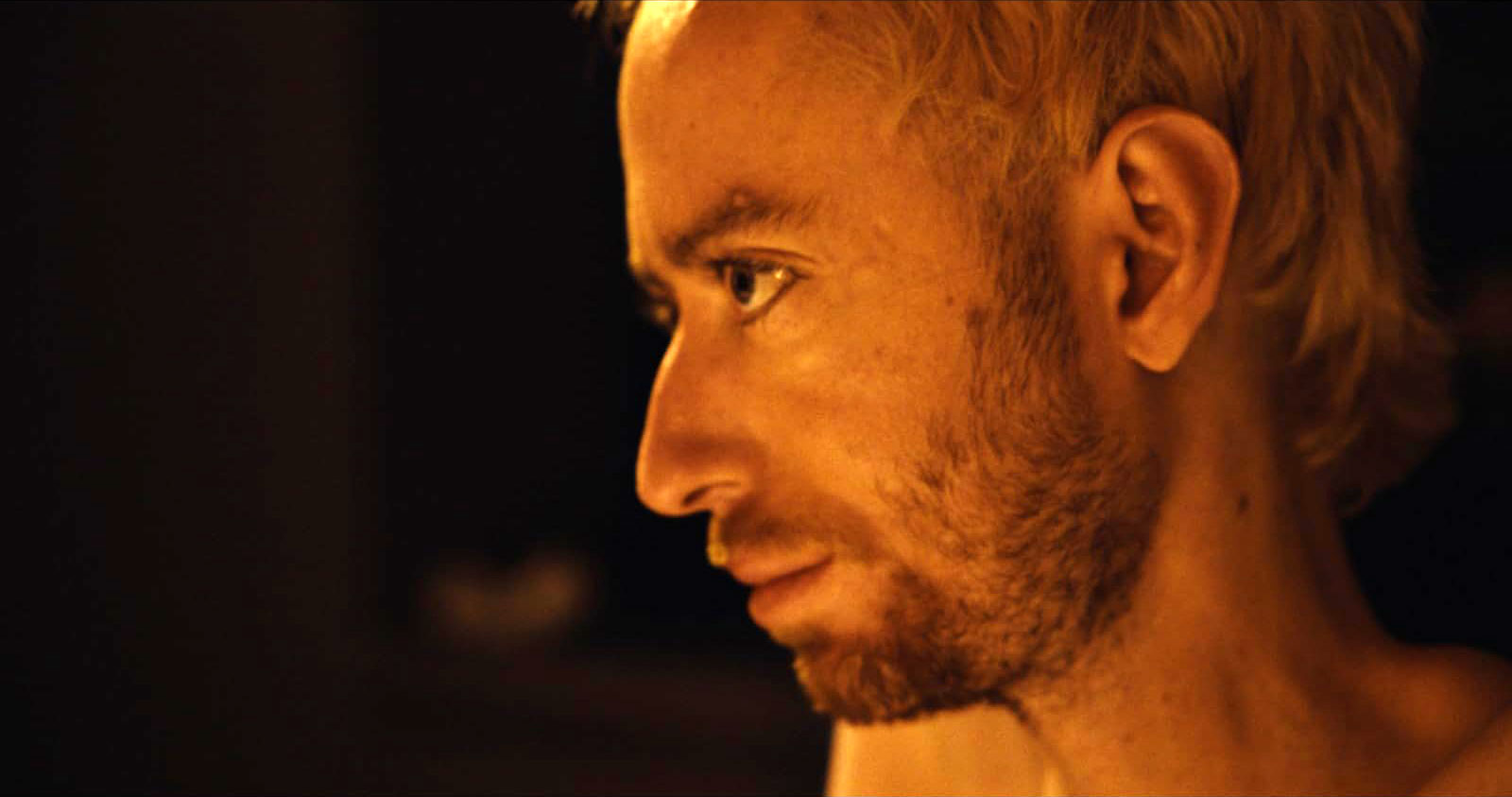
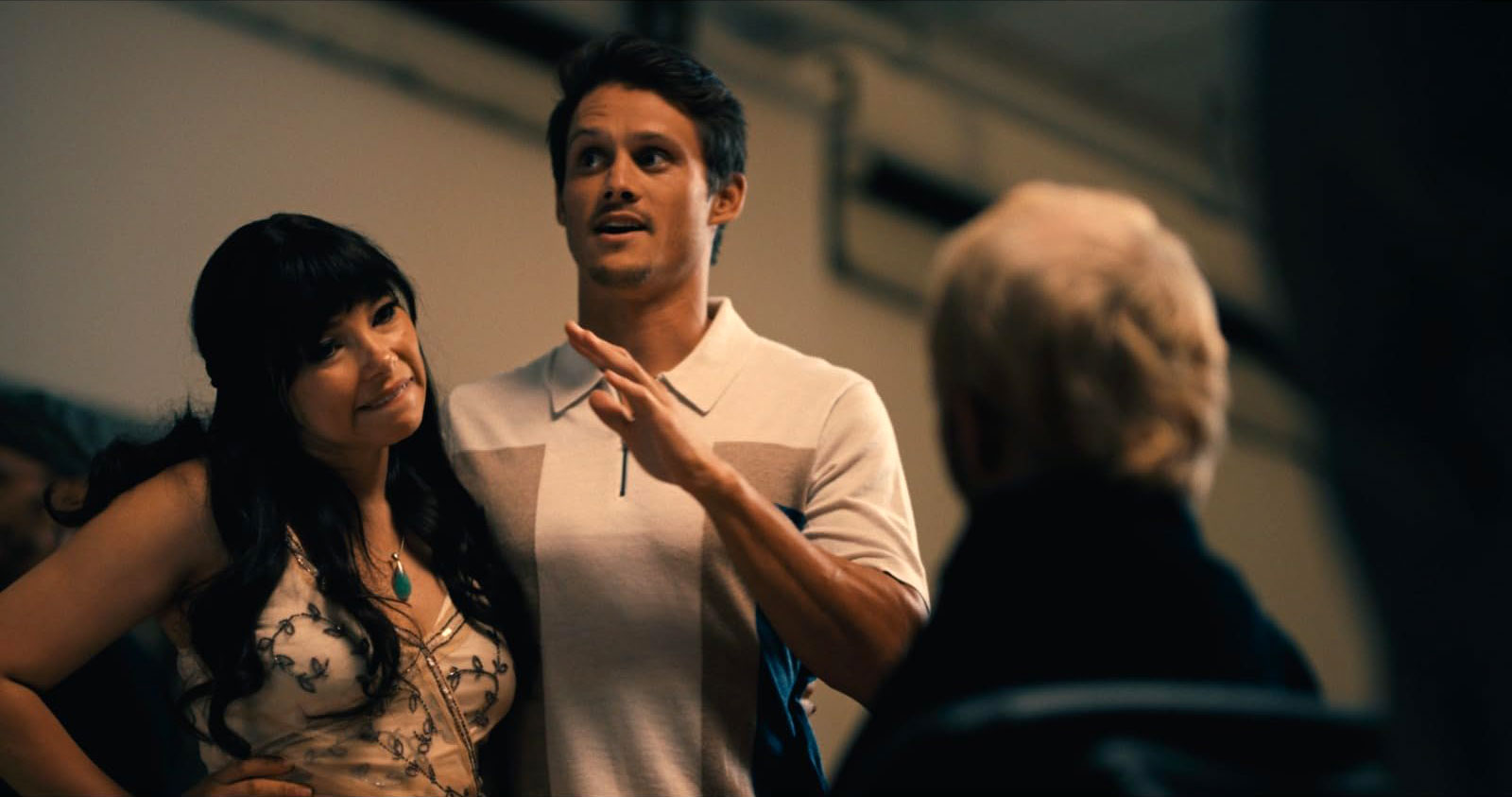
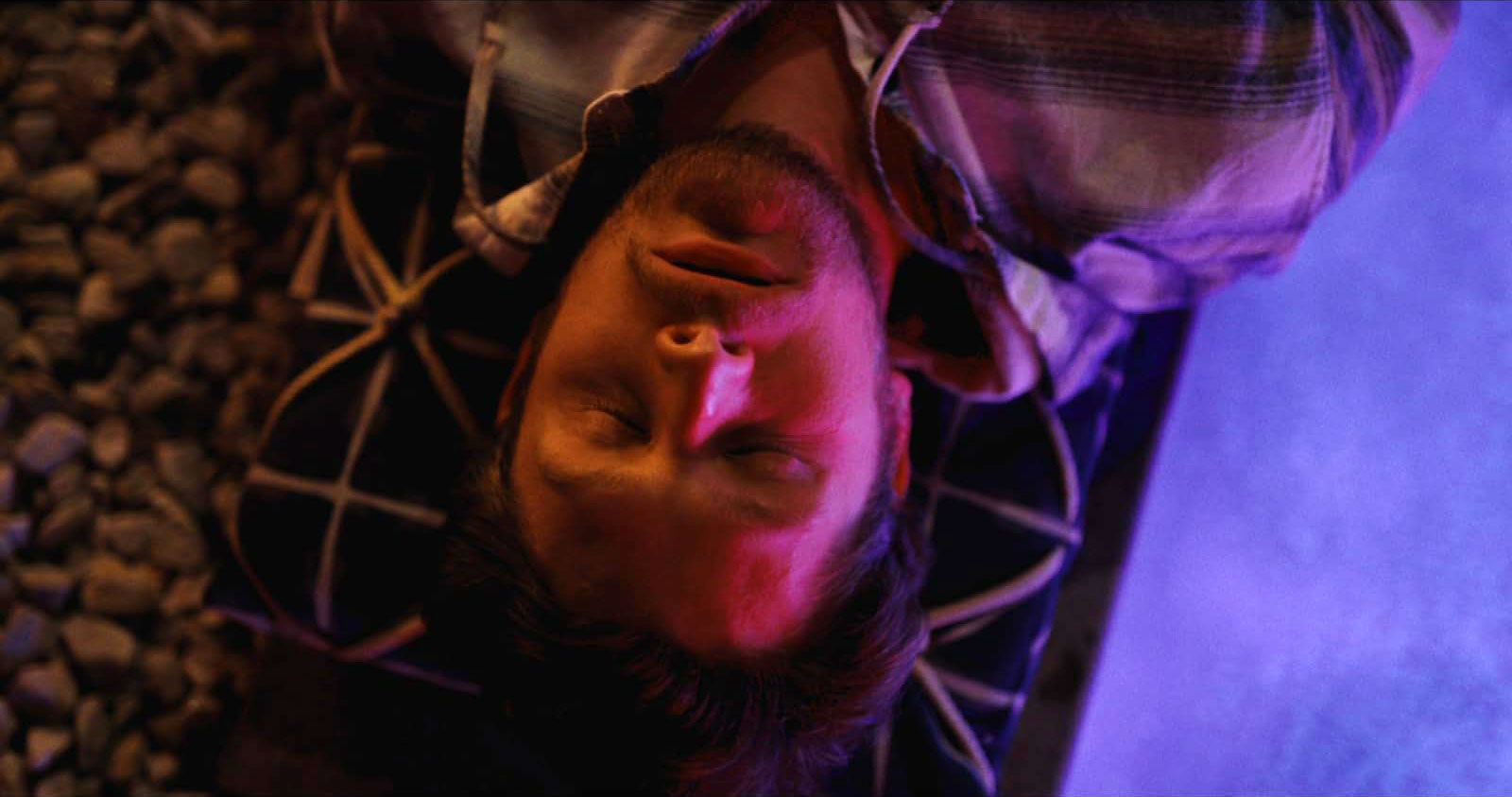
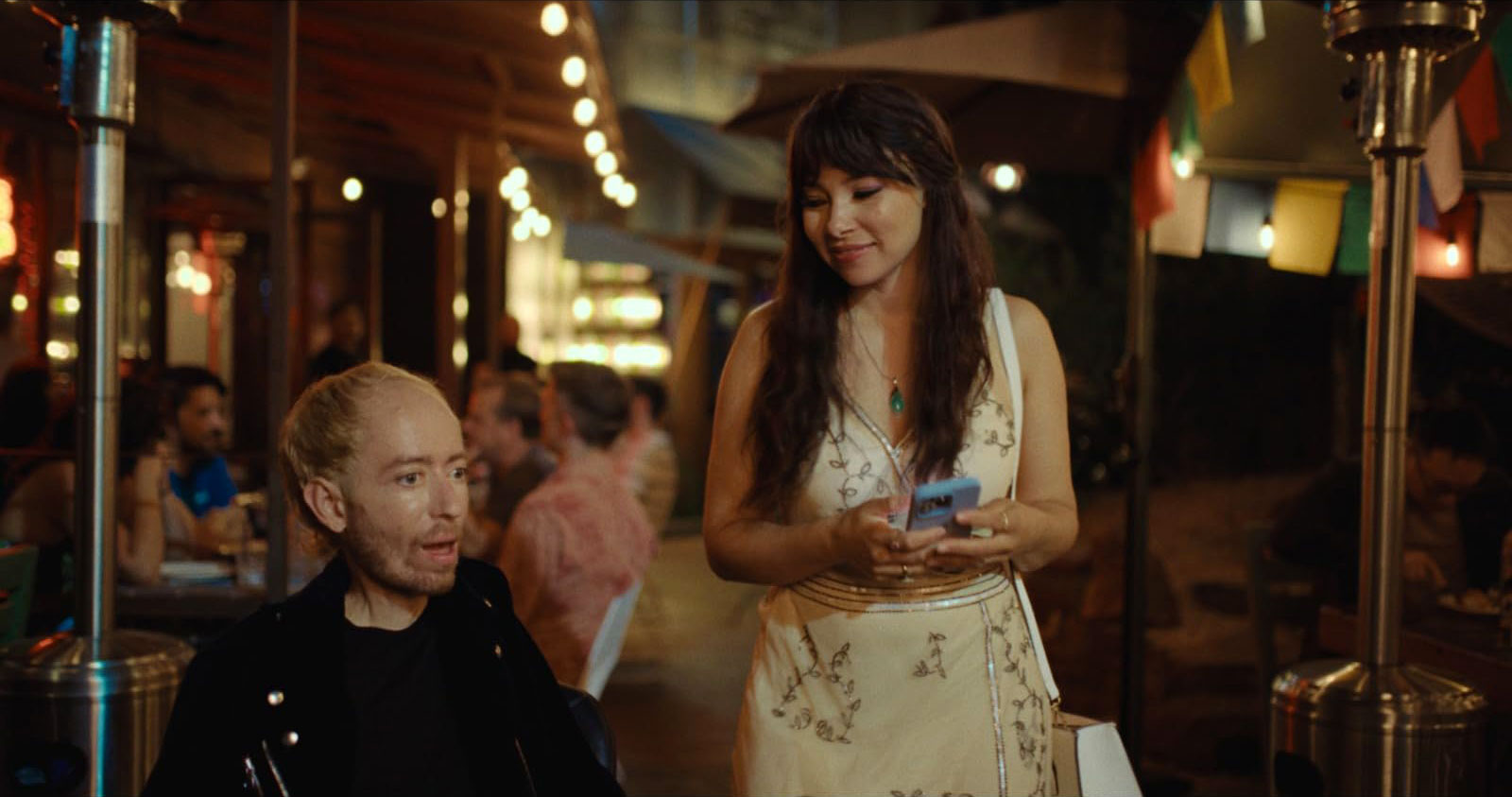
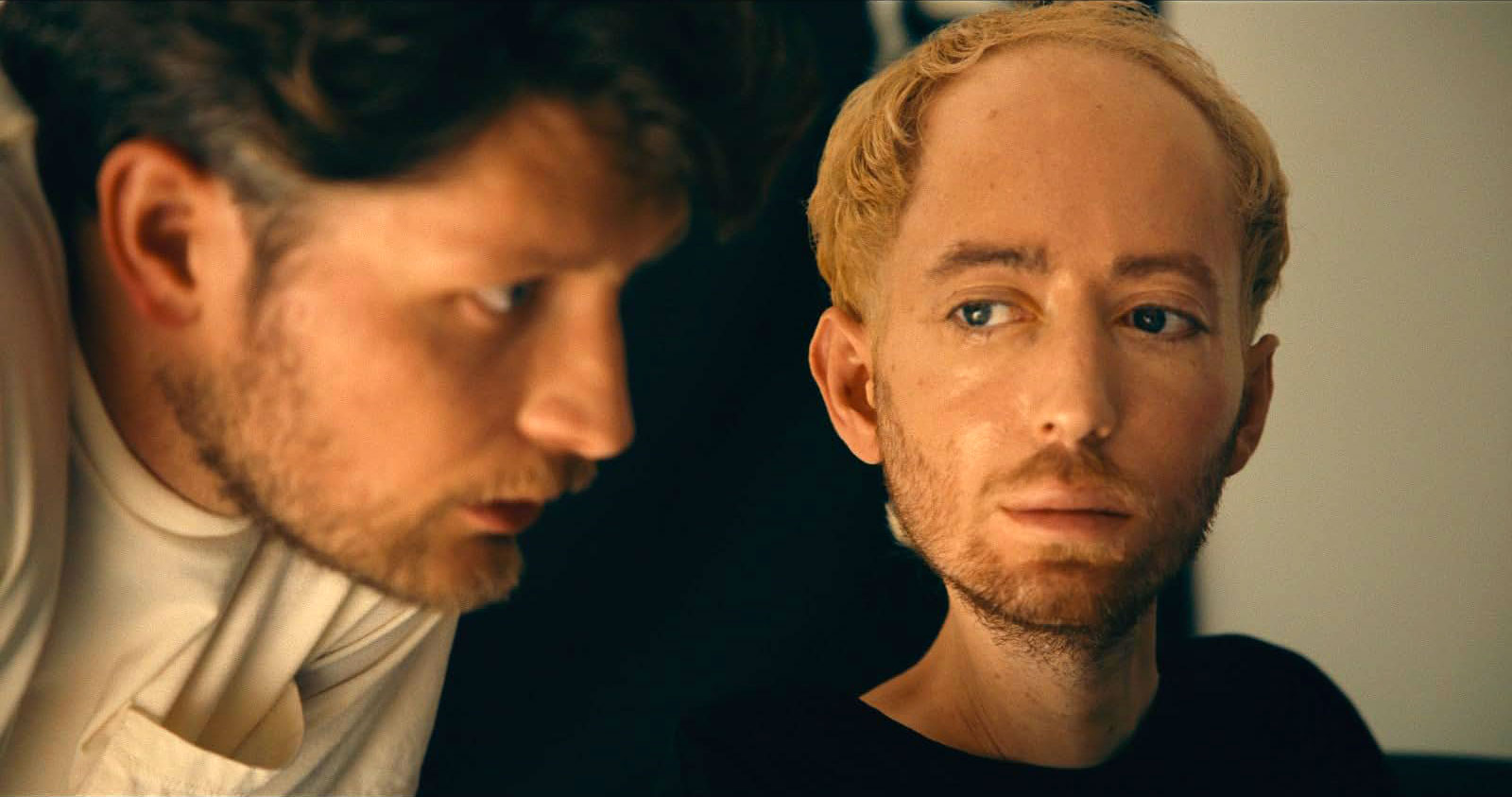
GOOD BAD THINGS is a 2024 narrative feature about an entrepreneur with a physical disability who reluctantly tries a dating app, leading him on a profound journey of love and self-discovery. The film was co-written and directed by Shane D. Stanger, his feature debut, as well as co-written by and starring Danny Kurtzman, an actor with muscular dystrophy.
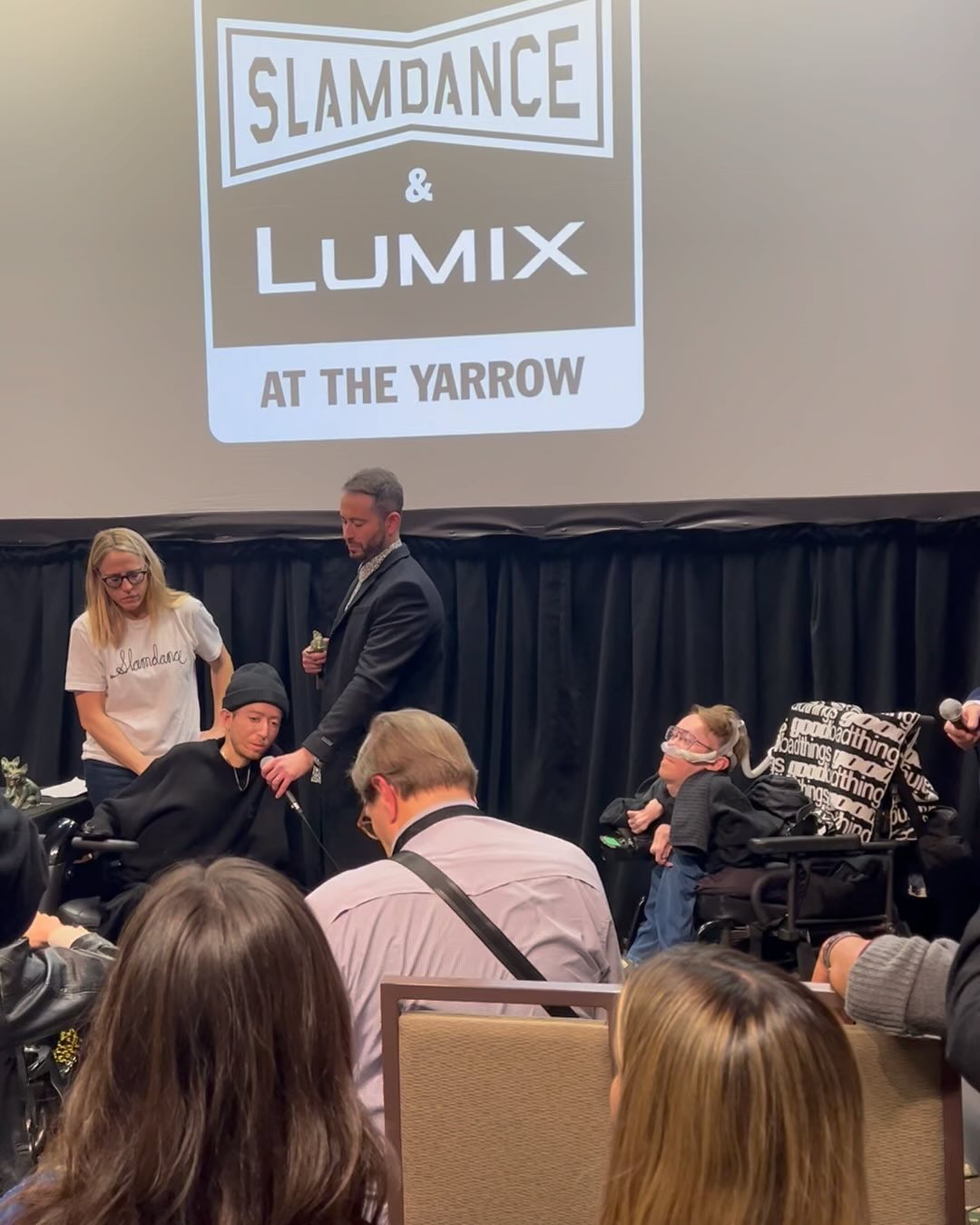
The film premiered at the Slamdance Film Festival in January 2024, where it won both the Grand Jury Prize and the Audience Award. Prior to the Slamdance premiere, actor/comedian Steve Way (Hulu’s “Ramy,” “Ramy Youssef: More Feelings”) joined the team as an Executive Producer to help with the film’s marketing (more on that later). GOOD BAD THINGS was closing night at ReelAbilities in New York and also played the following festivals: Sarasota, Miami, RiverRun, Sydney, Calgary, Port Townsend, San Luis Obispo, Berkshire, and Mammoth.
During the festival run, the film team was offered a few distribution deals, but none included an MG (minimum guarantee), a theatrical release, or any sufficient marketing support. The filmmakers were understandably concerned that any distributor that released a large volume of titles each month might not be able to provide the individualized attention and bespoke care that GOOD BAD THINGS required. During this period, they were also working with a sales agent, but he was unable to generate any meaningful offers.
This is when I entered the frame. Mutual friend Albert Berger (Producer of Little Miss Sunshine, The Peanut Butter Falcon) introduced me to Shane and not long after, Shane hired my company Suncatcher Productions to execute a theatrical release and serve as sales agent going forward. I also joined Steve as an Executive Producer.
Suncatcher Productions
Before diving deep into GOOD BAD THINGS, let me tell you a little about Suncatcher Productions. Suncatcher is a woman- and disabled-led boutique film distribution company that amplifies intentional, representative stories that awaken audiences. We specialize in theatrical distribution and prioritize films about women, people with disabilities, and the environment. We collaborate closely with film teams on a variety of project types–feature or short, documentary or fiction, international or English language.
Suncatcher consults with film teams to craft bespoke marketing, distribution, and audience engagement strategies for a wide variety of projects. For a select number of films each year, Suncatcher executes a film’s distribution strategy as the theatrical distribution, which includes campaign management, theater booking, marketing, and sales (serving as sales agent) for home entertainment and ancillary distribution. We cannot only do theater booking because marketing is critical to selling tickets and building community.
Since founding in 2023, Suncatcher has theatrically released ten feature films, including To Kill a Tiger, a 96th Academy Award® nominee for Best Documentary Feature. We have also consulted on dozens of projects, empowering film teams with individually tailored marketing and distribution strategies. (You can make a great film but if no one sees it, what’s the point?) Consulting starts at $1,000 and execution is a monthly retainer. It’s important to note that Suncatcher, like The Film Collaborative, does not take any rights to films.
Goals
One of the earliest conversations Shane, Danny, and I had centered on their goals—because the marketing and distribution strategy had to be designed in reverse and work backwards from those objectives. First, they wanted to celebrate the film’s authentic disability representation. Next, they wanted to prove there’s an audience for GOOD BAD THINGS. Finally, since it was Shane and Danny’s first feature film, they wanted to launch their respective directing and acting careers.
Given their first goal, accessibility was critical for every stage of marketing and distribution. To that end, we had captioning and audio description versions made and all theatrical screenings screened with open captions. We hired ASL interpreters at all theatrical Q&As. And, we checked to make sure all physical venues and virtual platforms were accessible. Furthermore, GOOD BAD THINGS was the first film to receive the GAMUT Seal of Approval—“a mark to assure customers who purchase Adaptive products and services that a stringent set of requirements developed by experts in the disability space have been met.”
The success of any goal, but especially Shane and Danny’s second and third goals, came down to strategy, creativity, luck, and relationships. They say film is a collaborative art—that it takes a team to make a movie. But it also takes a team to release one. It is for this reason that, in this case study, I will be acknowledging the many the many new and old friends who made our dreams come true with GOOD BAD THINGS.
Windowing Strategy
Phase 1: Theatrical
Phase 2: Virtual
Phase 3: Home Entertainment & Ancillary
Phase 1: Theatrical
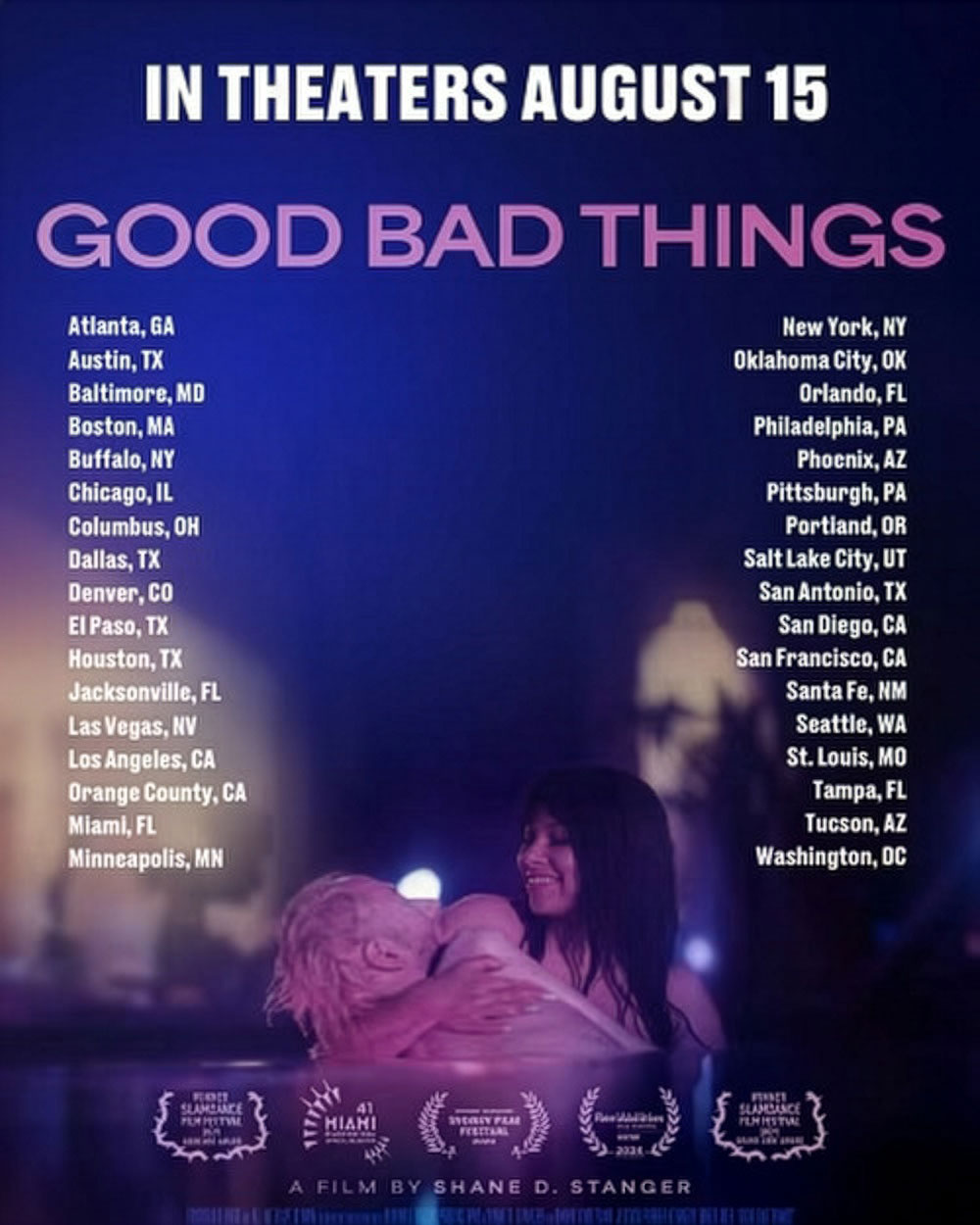
Shane and Danny wanted to prove there was an audience for GOOD BAD THINGS. I also knew there was an audience for it. So, as my “Plan A,” I positioned it as such: a commercial film with a large audience. I pitched the film to the largest U.S. circuit, AMC Theatres. I’ve worked with AMC on many releases over the years, so I knew their team, that their venues are accessible, and they program Hollywood movies from studios that we wanted GOOD BAD THINGS to be in conversation with. To drive urgency for audiences to watch in theaters, our strategy was to make the film available for one-night-only.
My friends at AMC (shout out to Nikkole and Scott!) enjoyed the film and saw its potential. Yet perhaps more importantly, they were pleased with our marketing strategy, despite lacking funds for advertising. To be clear, GOOD BAD THINGS was not part of the AMC Independent program where filmmakers can submit their films directly to AMC. Once AMC was onboard with the film, we chose the release date and specific theaters.
How did we go about choosing which markets and which theaters the film should play in? We knew our target audiences but didn’t necessarily know where they lived or the theaters they attended. Looking at grosses by theater of comparable films wasn’t sufficient because (A) there wasn’t an authentic rom-com about disability released recently; and (B) we know that people with disabilities often find theaters inaccessible, so they rarely go.
So, we got creative—we learned (thanks to our friends at Runway of Dreams) that Victoria’s Secret had just come out with an adaptive clothing line but only sold them in select stores. And, since—fun fact!—Victoria’s Secret stores are often in the same malls as AMC Theatres, we piggybacked off of Victoria’s Secret’s market research on their new clothing line. The list of select locations that sold the adaptive lingerie was one of our primary data sources for choosing which AMC Theatres to play.
We also prioritized markets where we, or our partners, had a personal network—Sarasota (my hometown), Tulsa (film’s editor resides there), and Los Angeles (Danny and Shane reside there). All 50 theaters were specifically selected, working backwards from our audience.
Phase 2: Virtual
As mentioned earlier, we knew movie-going is not always a positive experience for the disability community. Therefore, we planned a virtual premiere (PVOD window) to follow the theatrical release on an accessible platform called VEEPS. VEEPS was created as a way for fans to watch concerts from the comfort of their home and is now owned by Live Nation. GOOD BAD THINGS would be their first fiction feature.
Phase 3: Home Entertainment & Ancillary
The strategy behind home entertainment and ancillary distribution was to show traditional distributors that there’s a large and loyal audience for GOOD BAD THINGS through both the theatrical and virtual releases. This way, the home entertainment and ancillary distributors would pay for the film’s rights, instead of working with an aggregator.
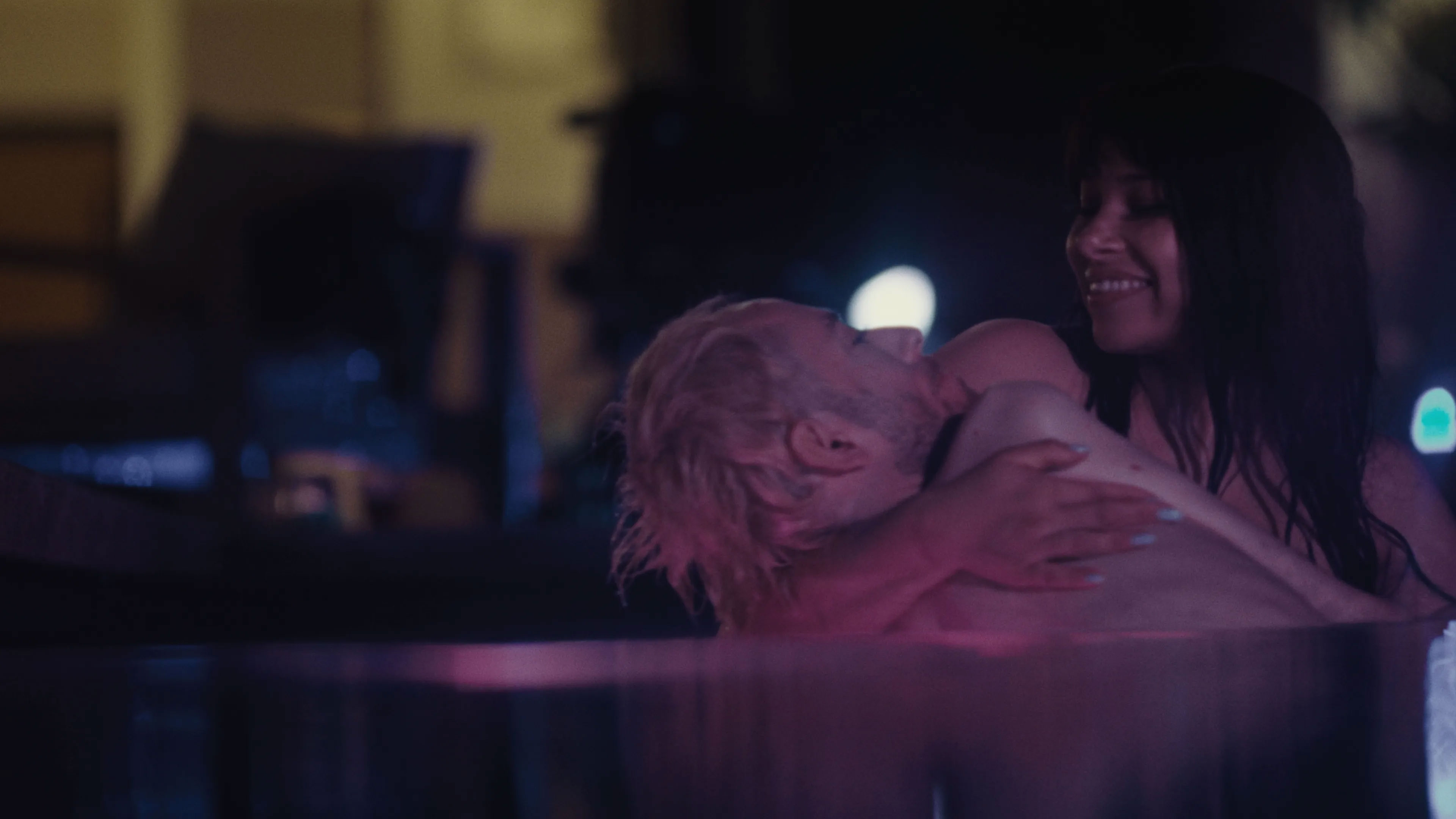
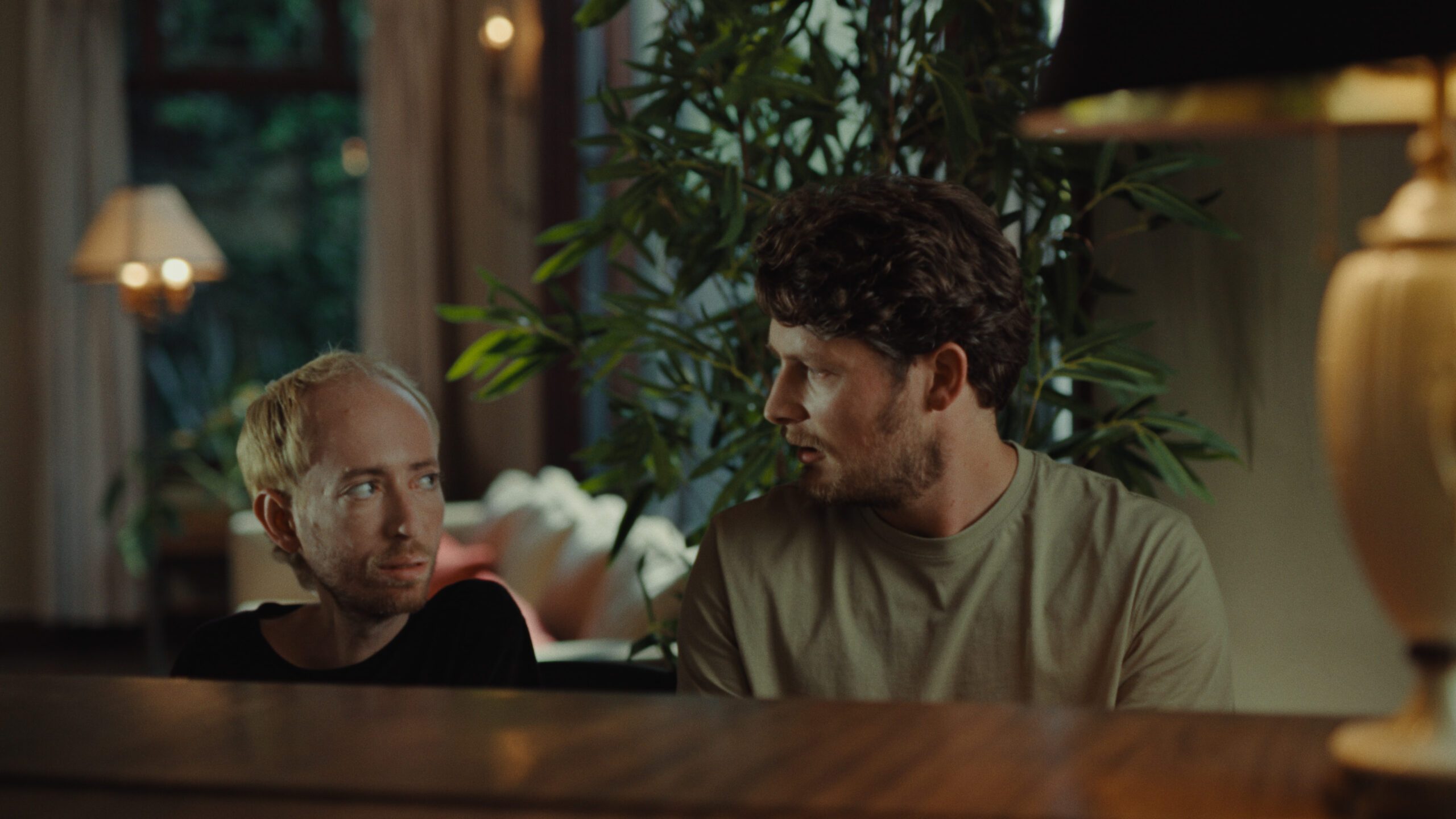
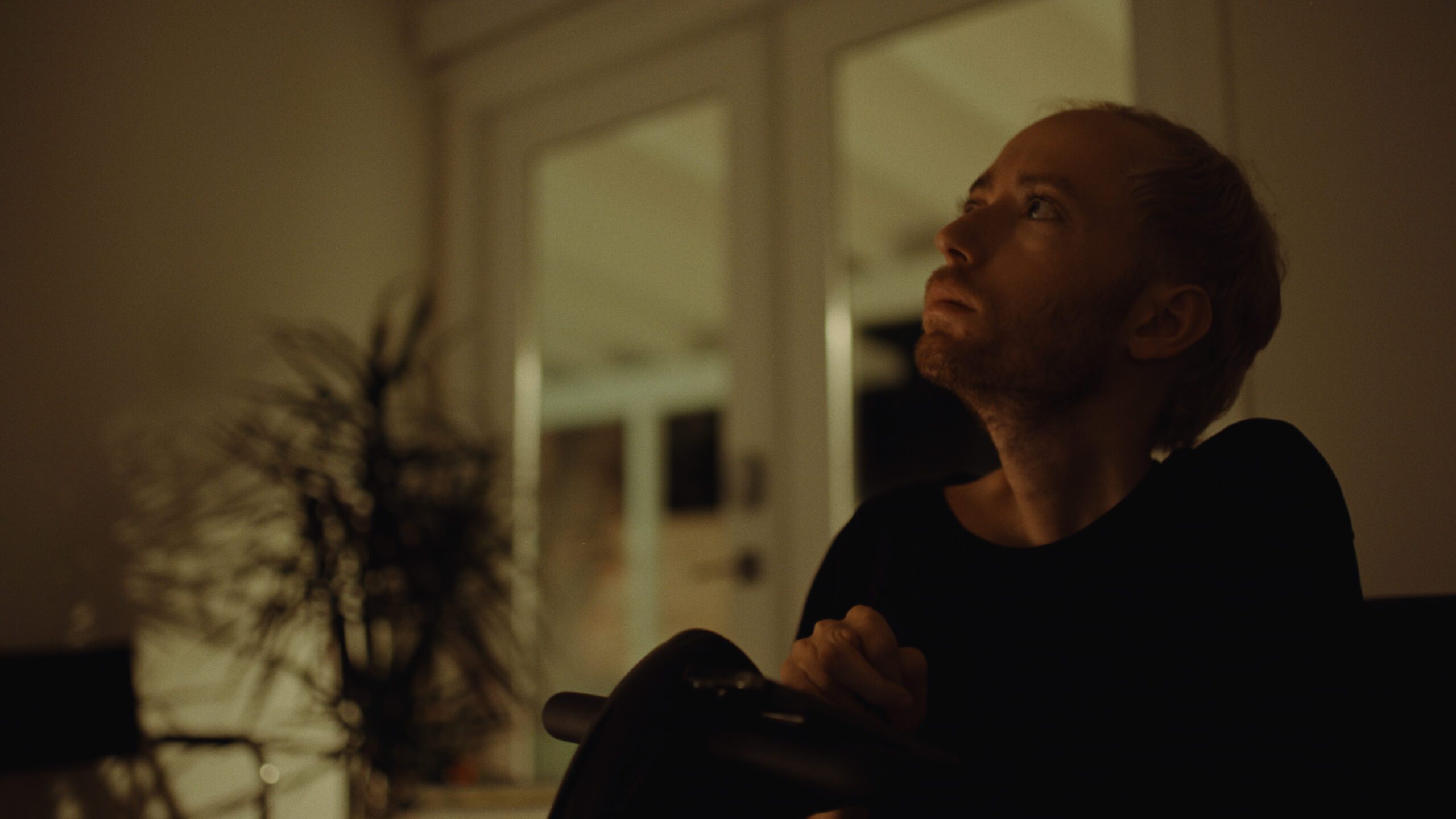
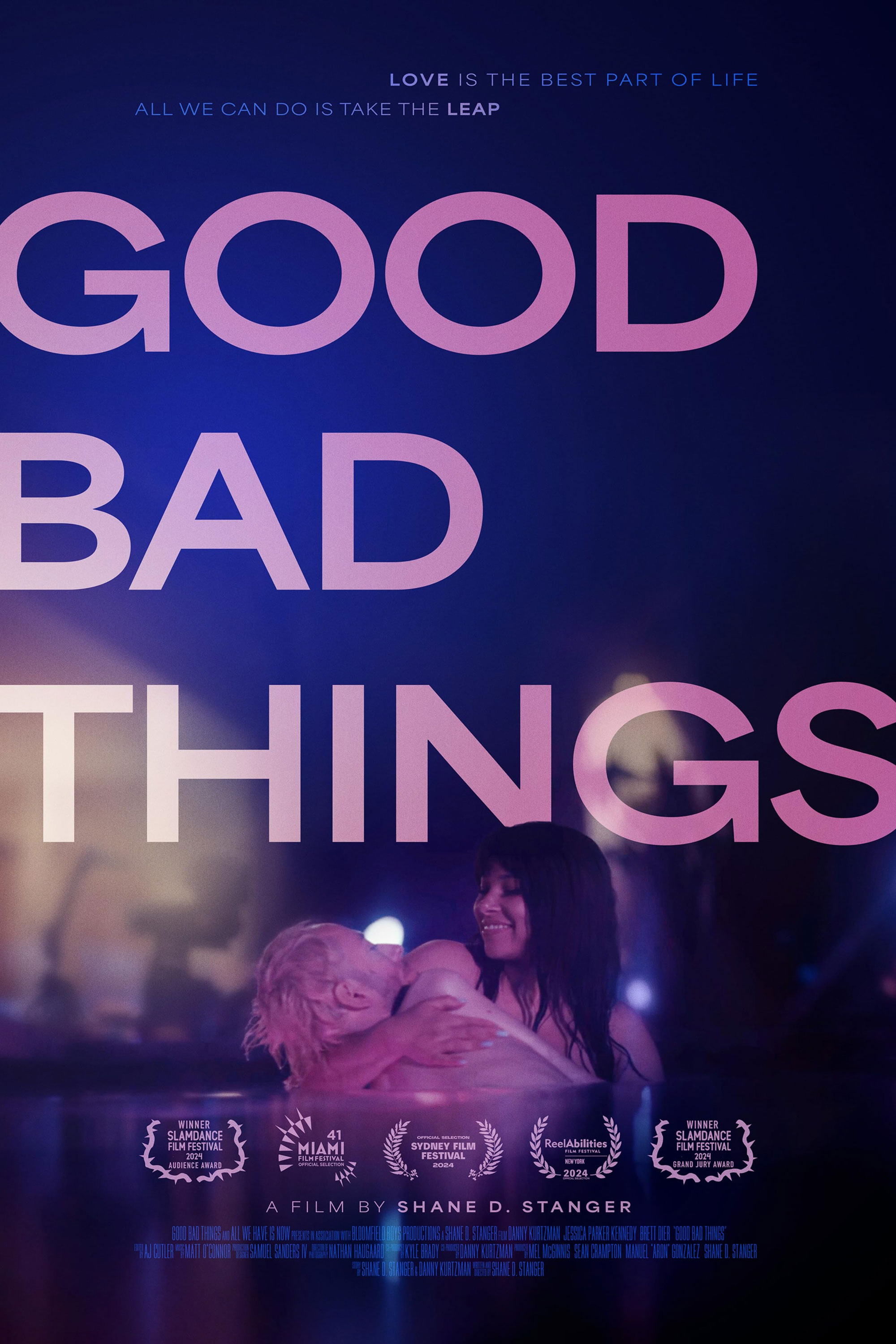
festival poster
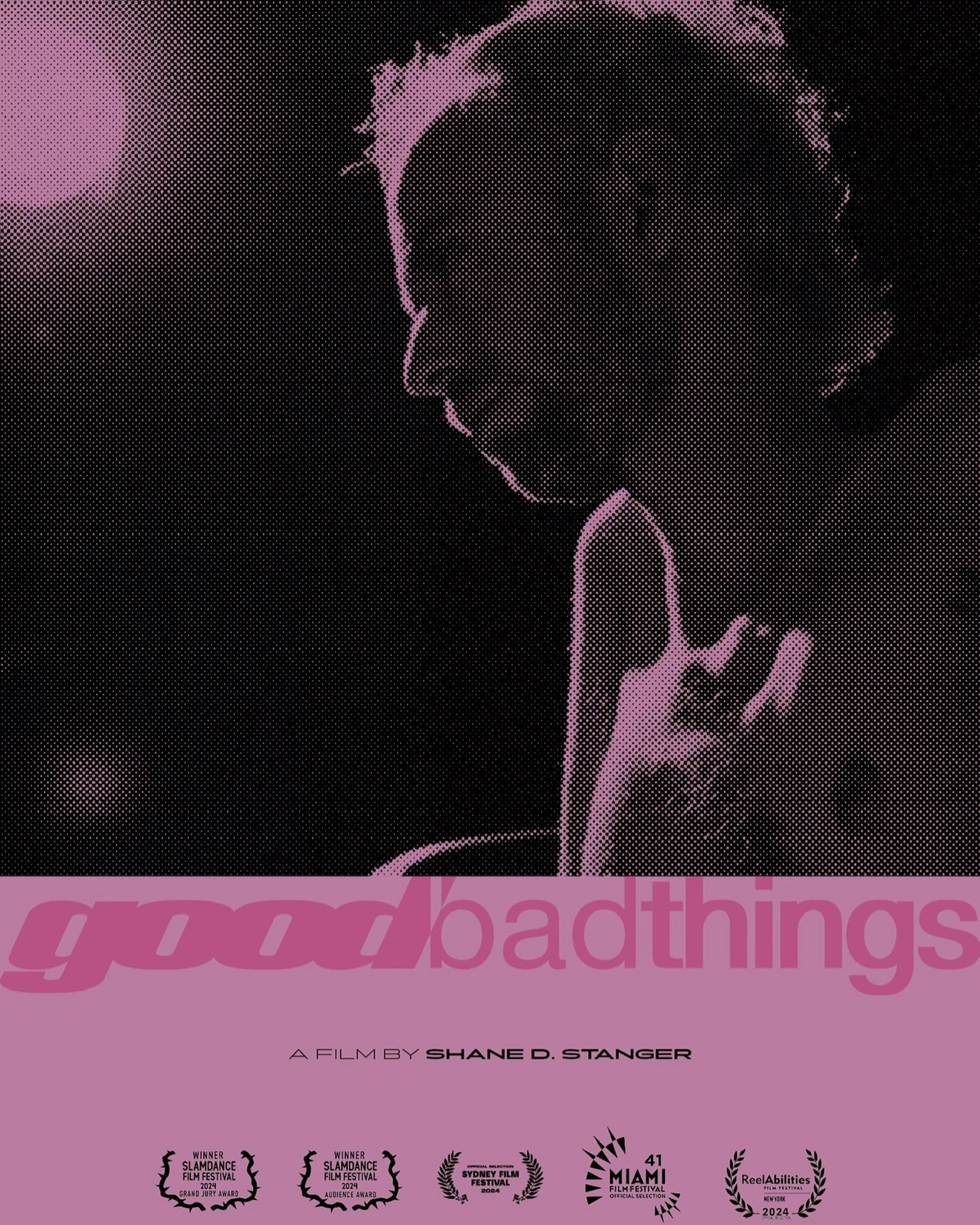
theatrical poster
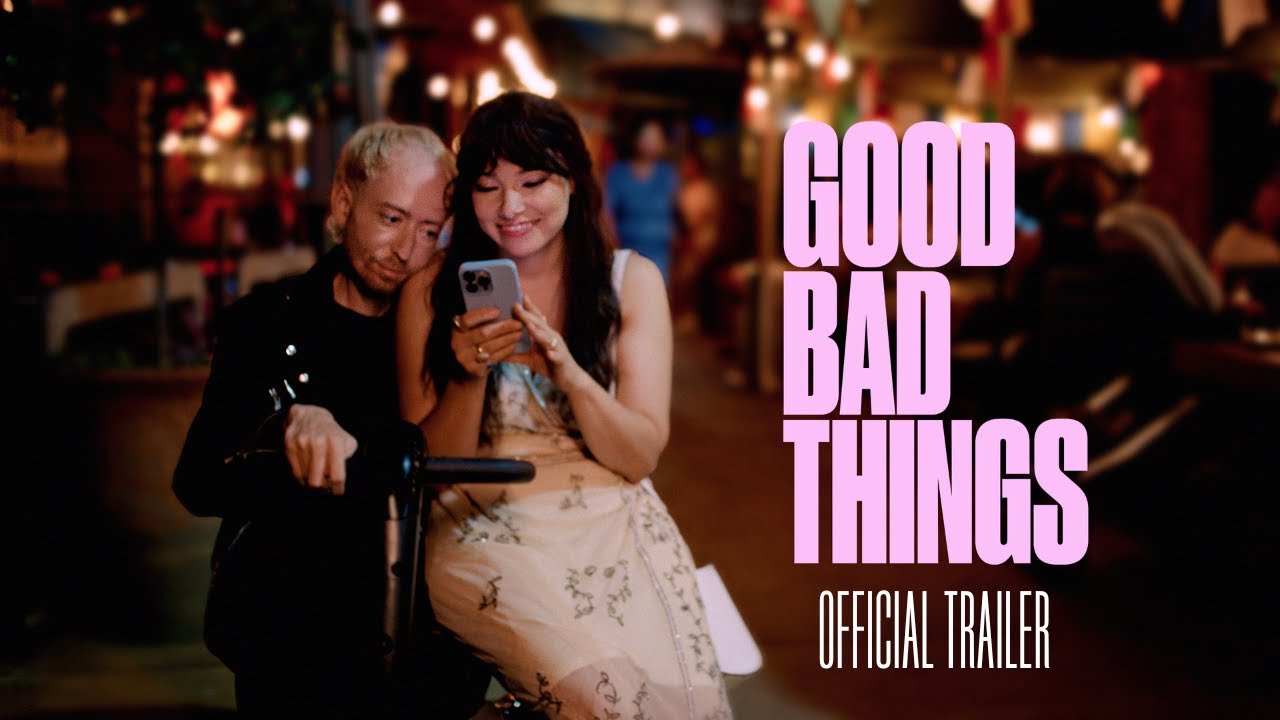
official trailer

website
goodbadthings.com
Rotten Tomatoes
rottentomatoes.com/m/good_bad_things
letterboxd
letterboxd.com/film/good-bad-things
Instagram
instagram.com/goodbadthingsfilm
type
narrative feature (rom-com)
keywords
love, vulnerability, disability advocacy, romantic relationships, body acceptance, authentic storytelling, independent film, micro-budget film
director
Shane D. Stanger
writers
Shane D. Stanger, Danny Kurtzman
producers
Mel McGinnis, Sean Crampton, Manuel “Aron” Gonzalez, Shane D. Stranger
exeutive producers
Steve Way, Annalisa Shoemaker, Shane and Hannah Burcaw
co-producer
Kyle Brady
editor
AJ Cutler
music
Matt O’Connor
production designer
Samuel Sanders IV
director of photography
Nathan Haugaard
cast
Danny Kurtzman, Jessica Parker Kennedy, Brett Dier
publicist
Arianne Rocchi
release year
2024
country
USA
running time
96 min.
synopsis
Danny, a young man with muscular dystrophy who is disillusioned by failed relationships, steps out of his comfort zone and into the world of online dating. An unexpected match with Madi, an enigmatic photographer, challenges him to be vulnerable and sparks a profound journey of self-acceptance, discovering the extraordinary beauty of his unique body.
film budget
low 6-figures (USD)
Marketing (aka Community Building)
To market GOOD BAD THINGS leading up to our August 15, 2024 release, our team worked around the clock for four months (June-September) on partnerships, influencers, exhibitor marketing, community outreach, and publicity. All the promotion was strategic and positioned the film to reach its specific audience segments (e.g., people with muscular dystrophy, disability community, fans of rom-coms, etc.).
Partnerships
Social Media Influencers
Exhibitor Marketing
Community Outreach
Premiere
Publicity
Corporate Partnerships
Partnerships: We were incredibly lucky to have many partners support the theatrical release by posting on social media and emailing their followers. We scheduled Zooms to review timelines, share assets, and listen to what works best for their communities. We found these organizations were eager to help because (1) there was an existing relationship or (2) they were truly moved by the film—a long overdue authentic disabled love story.
Furthermore, the below list of partners signed up to be affiliates to help spread the word about the virtual premiere on VEEPS. In return for promoting, these non-profit organizations received 25% of all tickets they sold. The affiliate program was a big success—78% of tickets were sold by affiliates. And, 78% of those tickets were sold by a single affiliate partner. We tracked ticket sales by affiliate since each one had a unique ticketing link from the platform VEEPS.
Our partners, in alphabetic order:
- All We Have Is Now Foundation (shout out to Danny!)
- FSHD Society (shout out to Erin and Beth!)
- Gamut (shout out to Mindy, Jennifer, and Debbie!)
- Laughing at My Nightmare (shout out to Shane and Hannah!)
- Muscular Dystrophy Association (shout out to Mary, Mindy, and Sandra!)
- Runway of Dreams (shout out to Mindy, Jennifer, and Debbie!)
- Slamdance Film Festival / Unstoppable (shout out to Peter!)
festival screenings
Key festivals bookings can be found here.
Slamdance Film Festival
Jan. 19 - 28, 2024 • Park City, UT
ReelAbilities Film Festival New York
Apr. 3 - 10, 2024 • New York, NY
Miami Film Festival
Apr. 5 - 14, 2024 • Miami, FL
Sarasota Film Festival
Apr. 5 - 14, 2024 • Sarasota, FL
RiverRun International Film Festival
Apr. 18 - 27, 2024 • Winston-Salem, NC
Mammoth Lakes Film Festival
May. 22 - 26, 2024 • Mammoth Lakes, CA
Berkshire International Film Festival
May. 30 - Jun. 2, 2024 • Great Barrington, MA
Sydney Film Festival
Jun. 5 - 16, 2024 • Sydney AUSTRALIA
Calgary International Film Festival (CIFF)
Sep. 18 - 29, 2024 • Calgary CANADA
Port Townsend Film Festival
Sep. 19 - 22, 2024 • Port Townsend, WA
theatrical release
AMC
August 15, 2024
virtual PVOD premiere weekend event
VEEPS
Friday, September 20, 2024 at 6pm PST—Sunday, September 22, 2024 at 11:59 PST
digital TVOD release
Music Box Films
February 4, 2025
digital SVOD release,
Hulu / Disney+
May 13, 2025
awards & nominations
- Jury Award (Slamdance)
- Audience Award (Slamdance), Christopher Reeve
- Acting Award—Danny Kurtzman (Media Access Awards)
- Best Indie Drama Award Nomination Award This!)
- Best Indie Romance Award (Award This!)
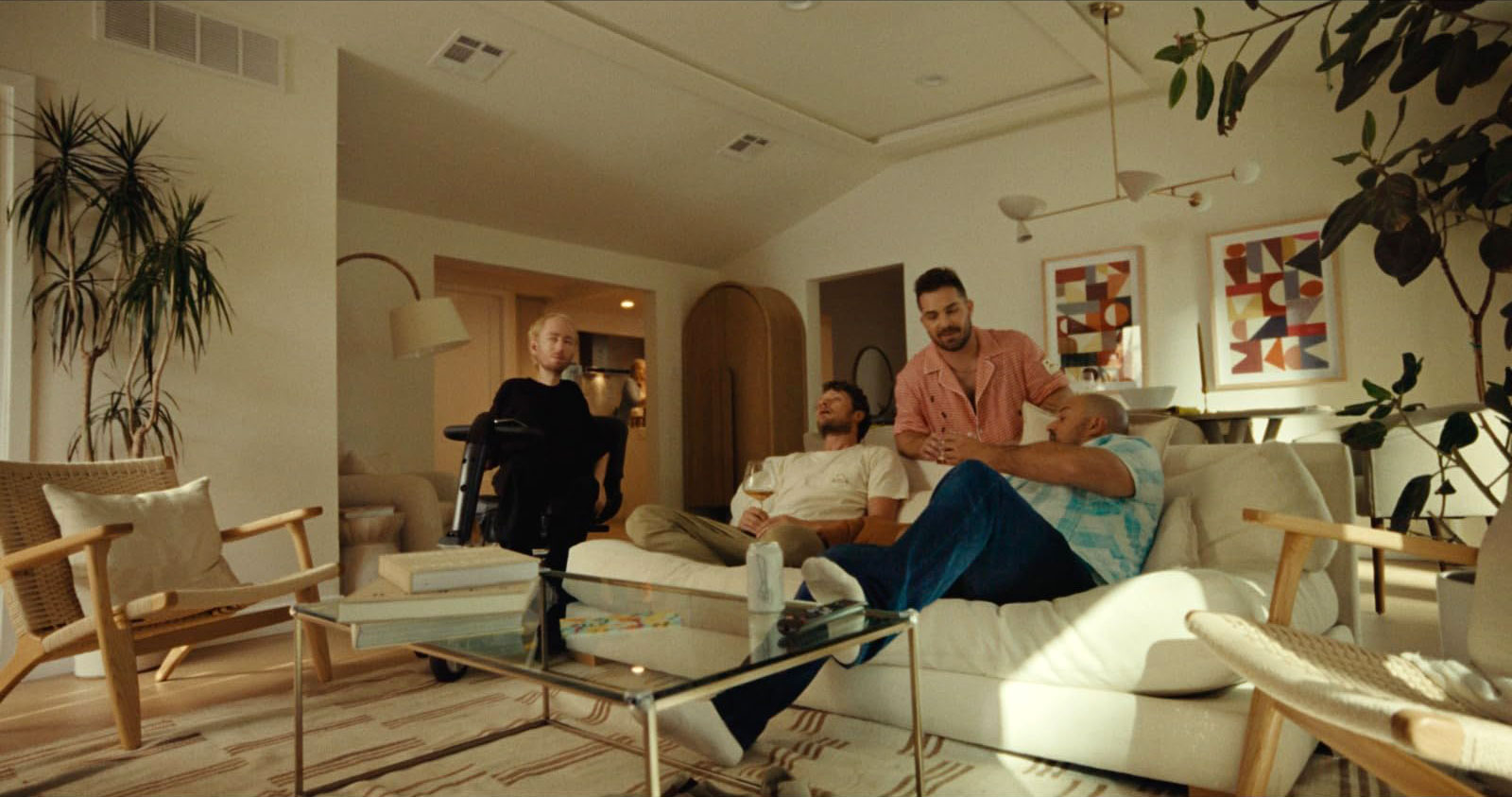
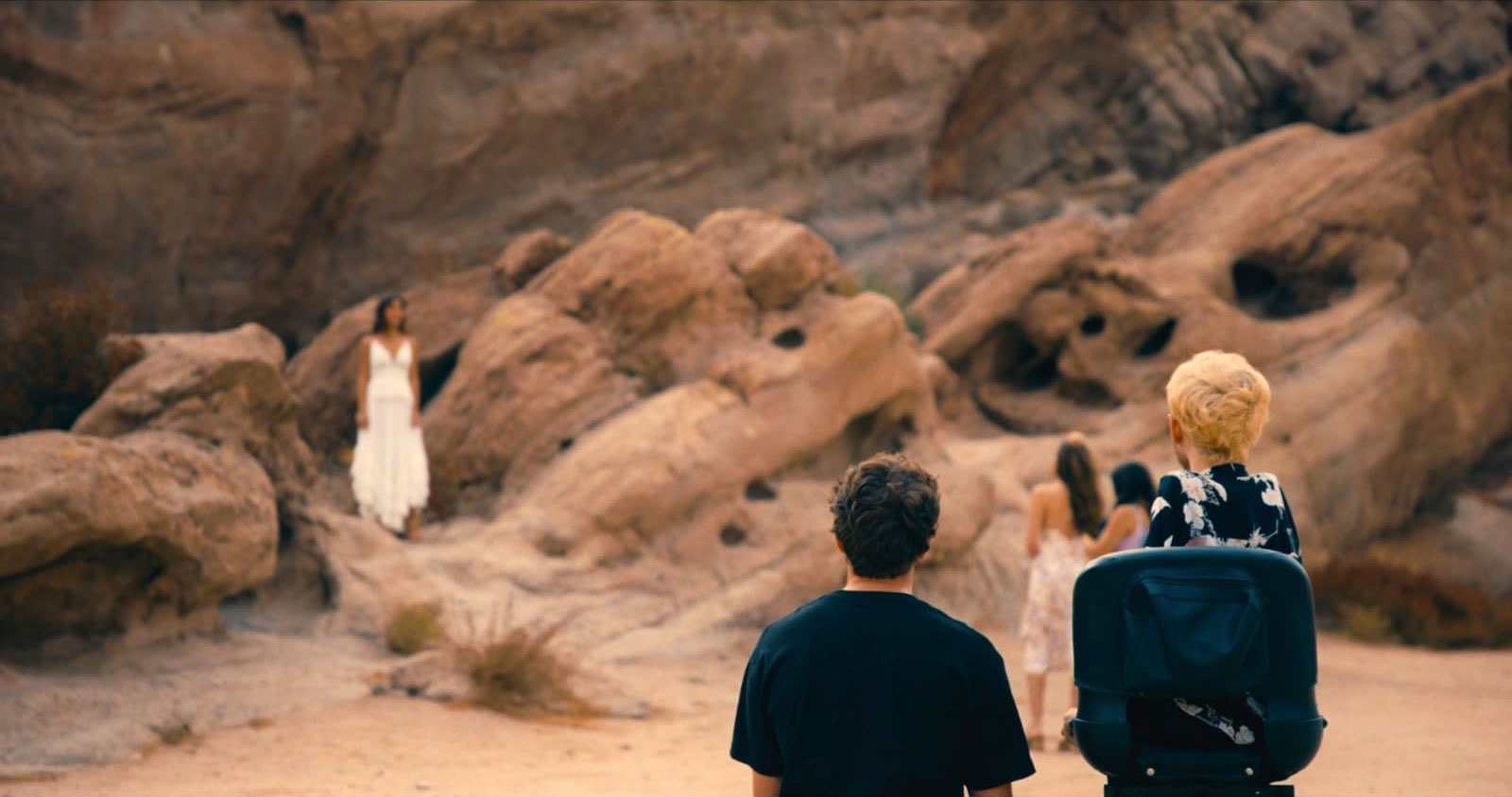
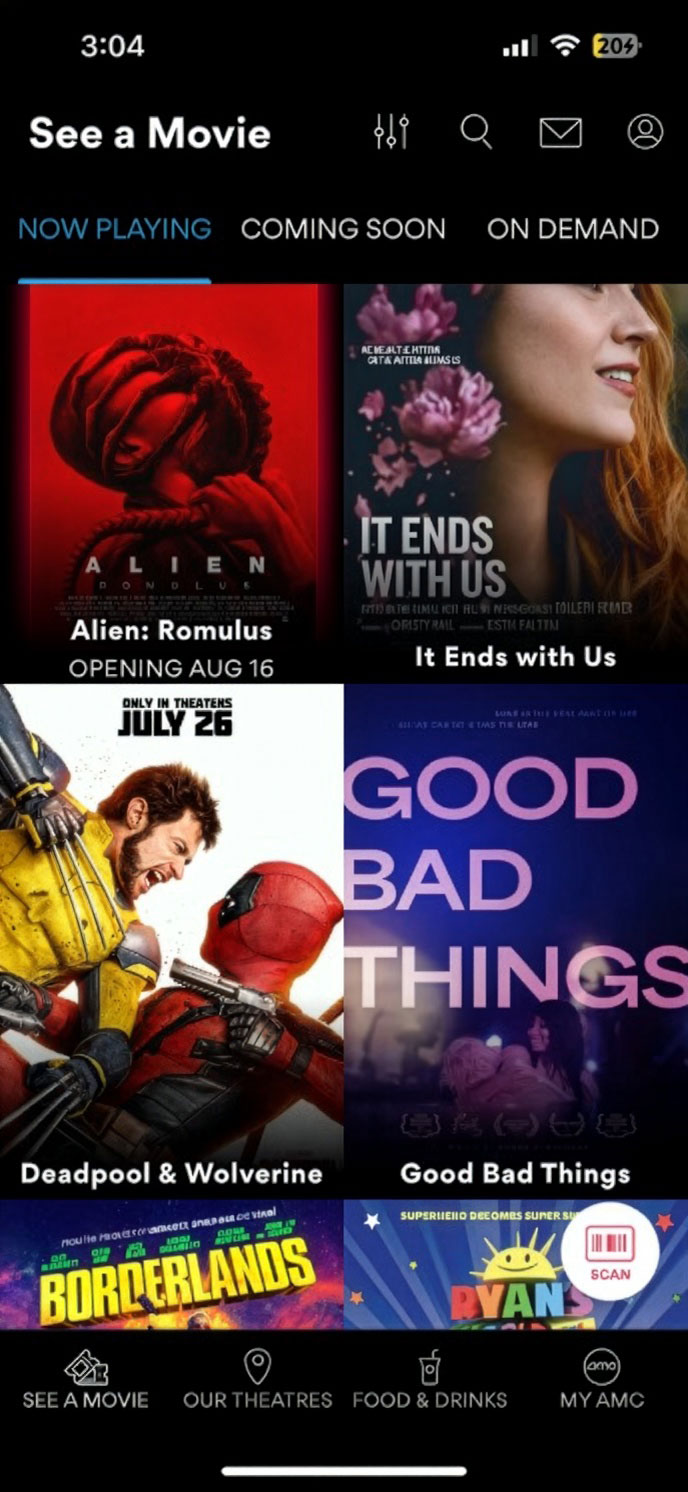
Exhibitor Marketing: AMC was also critical in helping to promote the theatrical release. One of the best ways to market your film is by playing the trailer in theaters with comparable films (same audiences). However, studios pay millions of dollars for trailer placements each year. As an independent release, we were grateful that AMC programmed our trailer on select titles at all confirmed theaters starting one month prior to release (July 26). These select titles had a similar audience to GOOD BAD THINGS (rom-coms, indies) and included:
- Fly Me to the Moon (Columbia/Apple)
- Twisters (Universal)
- The Fabulous Four (Bleecker St.)
- Didi (Focus)
- The Duel (Lionsgate)
- Kneecap (Sony)
- It Ends with Us (Sony)
In addition to the trailering, AMC included GOOD BAD THINGS on their website, in their newsletter, and in digital poster cases in theater lobbies. These were all digital placements, so besides creating the assets, there was no printing or shipping costs involved.
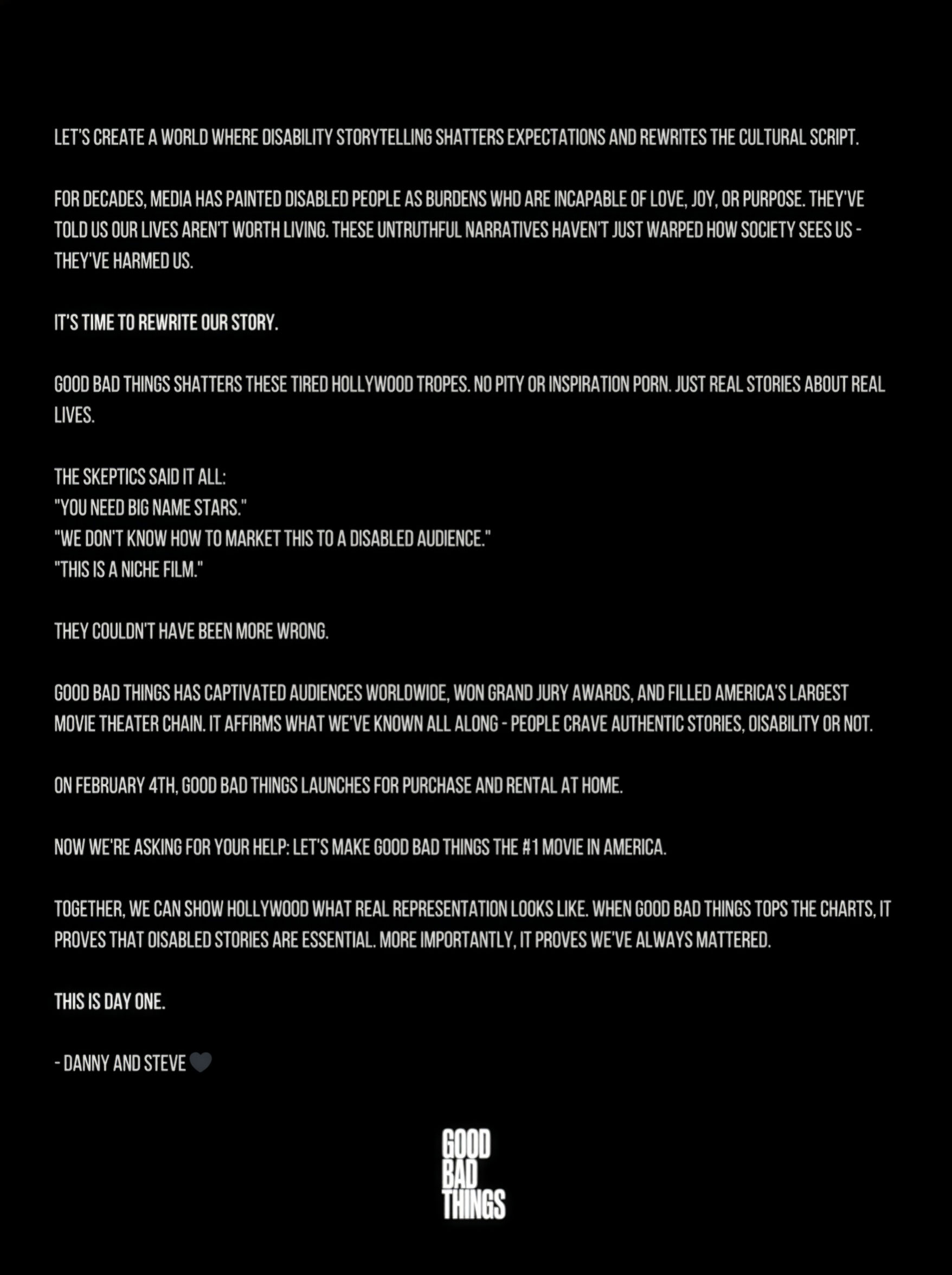
Community Outreach: Danny and Steve personally reached out to leaders in the disability community and would schedule individual Zooms with them to share information about the film, release, and marketing assets. Those personal conversations took hours upon hours, but it was community building—not just for GOOD BAD THINGS, but to support everyone’s creative pursuits. The mindset was collaboration, not competition. Here’s an example of the community outreach work that Danny and Steve made for the home entertainment release:
Premiere: The week of the theatrical release (Tuesday, August 13) we hosted a premiere at the Culver Theater in Los Angeles. We specifically chose this location because they have an auditorium where the stadium seating was removed. It’s a private space not open to the public, but I knew this because I used to work at Amazon Studios, which controlled the theater space. This specific auditorium allowed us to invite as many wheelchair users as we needed, unlike a traditional auditorium that only has a handful of ADA spaces.
Given my relationship with the theater (shout out to Tom!), we confirmed a great deal to screen the film, provide concessions for guests, and host a reception in the lobby. Due to Steve’s relationship, he enlisted his friend, actor/comedian Ramy Youssef, to moderate a post-screening Q&A featuring Steve, Danny, Shane, Brett, and Jessica Parker Kennedy.
To make the evening feel like a true “premiere,” we had a step-and-repeat with the film’s title treatment, a professional photographer, and SWAG (branded baseball caps). We decided not to have a physical red carpet because it would not be as accessible for wheelchair users. For the reception, we set up the film’s photography artwork of Danny around the lobby on easels.
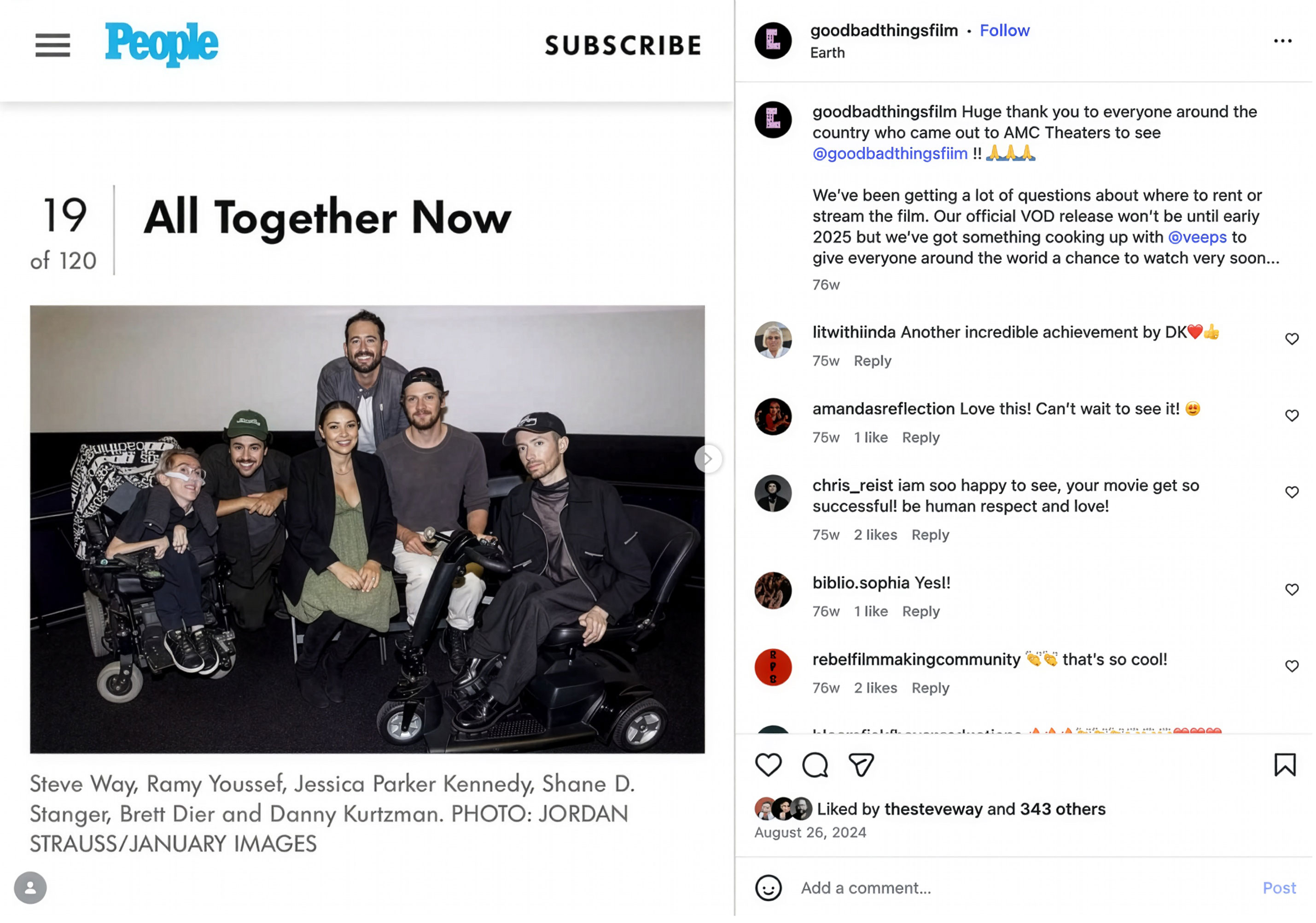
The only hiccup was the ASL Interpreter hired for the introduction and post-screening Q&A never showed. We desperately tried to reach her, but to no avail, so an audience member was able to help with signing. Otherwise, the night was absolutely magical with a “sold out” crowd!
Publicity: For independent releases, I strongly recommend hiring a publicist who can write press notes, secure reviews, and generate press stories. The film team hired Arianne Rocchi, who I collaborated with back in our Amazon days—an excellent addition to the team. Since the film was going to have a nationwide theatrical release, Arianne could pitch to both local and national outlets. Plus, we had marketing beats in the campaign (press screening; read premiere above) that gave press an opportunity to cover the film.
Here is a selection of outlets that covered the film, starting with its festival release, with reviews, interviews, and announcements:
- 48 Hills (San Francisco)
- Cape Code Health
- Dallas Film Now
- Digital Journal
- Entertainment Weekly
- Every Movie Has A Lesson
- Film Ink
- Film Obsessive
- Film School Radio
- Filmmaker Magazine
- Forbes
- IMDb
- KUCI—Film School Radio
- MovieMaker Magazine
- Oklahoma City Free Press
- RogerEbert.com
- The Hollywood Reporter
- The Moveable Feast
- The Park Record
- The San Diego Union Tribune
- USC Cinematic Arts
- Variety
- Yahoo Entertainment
One of my favorite quotes the film received was from Nell Minow at RogerEbert.com, “…this movie is one of those good good things.” On Rotten Tomatoes, the critics score was 80% fresh with a 99% audience score.
Corporate Partnership: Nathan Haugaard was the film’s incredibly talented cinematographer. He shot on a Canon EOS R5 C camera and Canon said it was the best-looking footage / project shot on that camera they’d seen. Canon’s marketing team was so impressed with the quality, color, and performances of GOOD BAD THINGS that they helped to promote the release. More specifically, they offered to produce a featurette, post to their 4 million Instagram followers, and loan Canon gear for Nathan and Shane’s future projects.
Distribution
After all that fantastic marketing, onto distribution! As mentioned earlier, the film team hired Suncatcher as the theatrical distributor and sales agent. So, we executed the theatrical release and a virtual premiere – showing there is a commercial audience for the film. After, we licensed home entertainment rights to Music Box Films and streaming (SVOD) rights to Hulu. Since the original sales agent was not successful, we know the marketing and audience building of the theatrical and virtual releases is what led to sales.
Theatrical
Virtual Premiere (PVOD)
Other Distribution Types (Blu-Ray, VOD, Ancillary)
Streaming (SVOD)
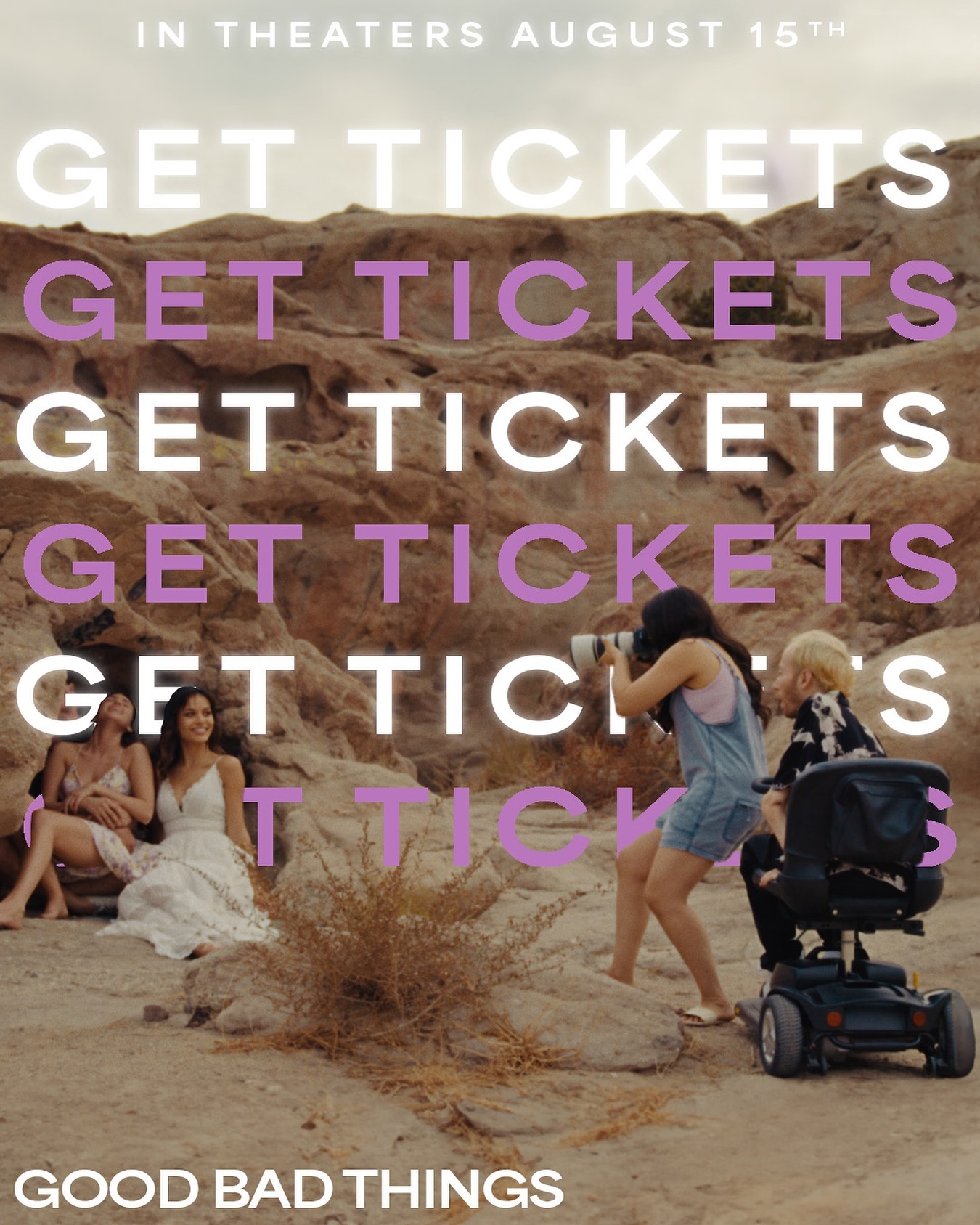
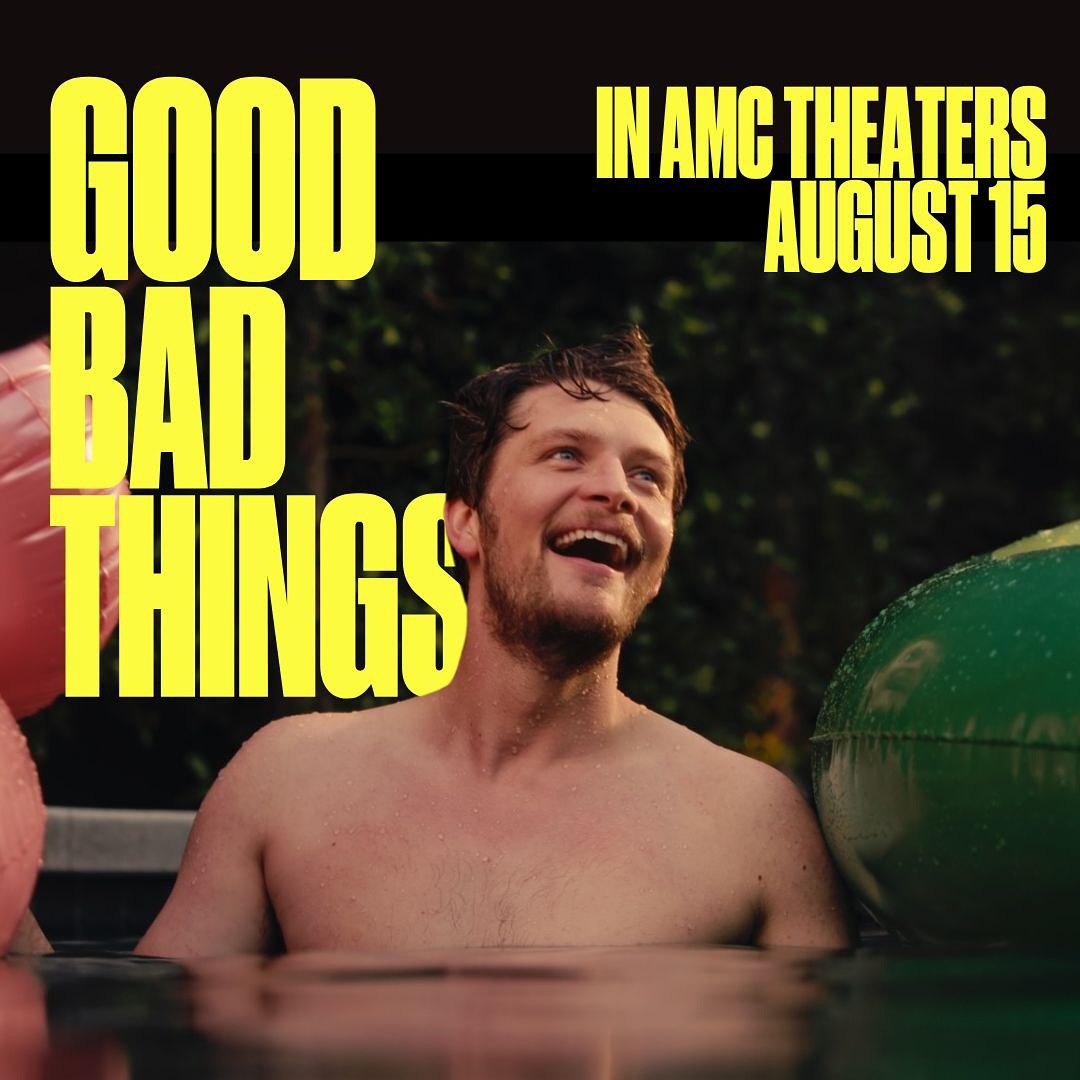
Theatrical: On ADA Day (July 26, 2024), we announced the 50-theater release with AMC would be on Thursday, August 15, 2024 at 7:00pm. Pre-sales were so strong that we added an encore showtime for Sunday, August 18 at 2:00pm in 48 of our original 50 theaters. In addition to these specific event showtimes, we confirmed an awards qualifying run at AMC Burbank—which was the highest grossing theater for independent films in Los Angeles.
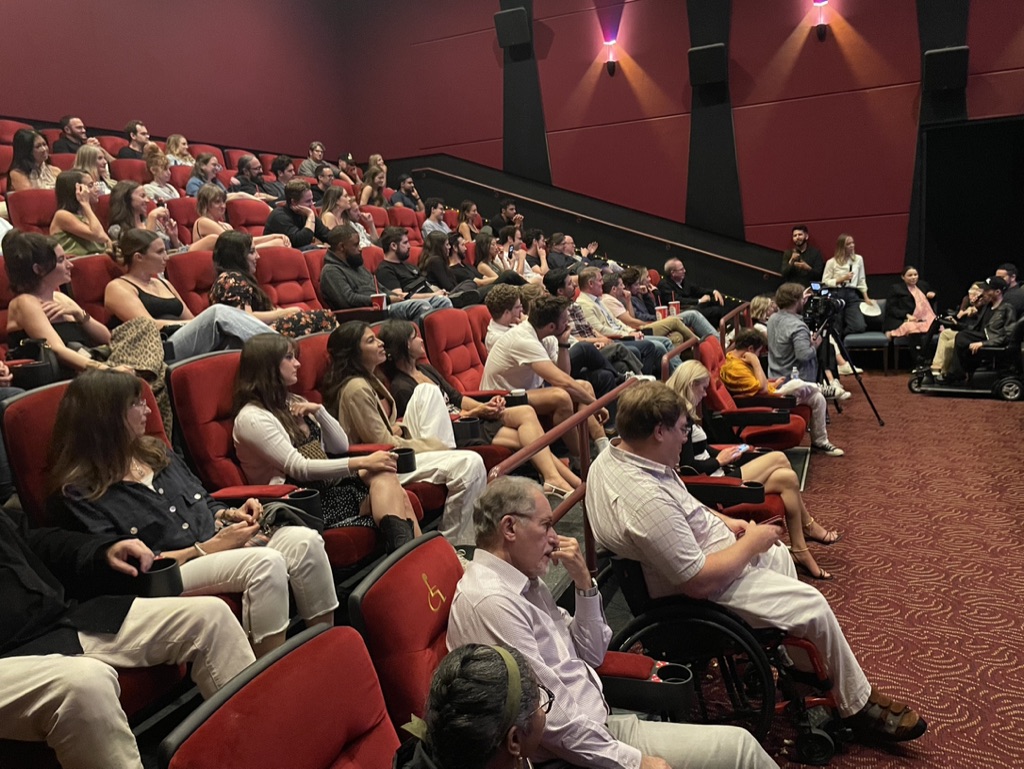
For opening weekend, we hosted in-person Q&As at five theaters. (We thought about hosting a Q&A at AMC Burbank but the auditorium’s configuration for ADA seating was not ideal for Danny or Steve). Here is a list of our five theatrical Q&As:
- Thursday 8/15 at AMC Century City, moderated by Oscar winner Sian Heder (thanks Steve!!) featuring Shane, Danny, Steve, Jessica Parker Kennedy, and Brett Dier.
- Thursday 8/15 at AMC Penn Square with editor AJ Culter.
- Sunday 8/18 at AMC Century City, moderated by yours truly featuring Shane, producer Manny Gonzalez, cinematographer Nathan Haugaard, and actors Brett Dier and Gale Hansen.
- Sunday 8/18 at AMC Tustin with Danny.
- Sunday 8/18 at AMC Clifton Commons with Steve.
Deluxe handled the DCP delivery to all of our confirmed theaters (shout out to Mary!). We chose to make the DCP unencrypted (no key) because the chance of piracy was minimal, it saved hundreds of dollars, and it allowed me to sleep better at night.
We did have two technical issues on opening day—the projector at the Sarasota theater broke 😭 (my hometown, remember?!) and Mesquite initially played the wrong film 😖. Otherwise, the theatrical was a major success with audience members from all over the country posting their reactions on social media.
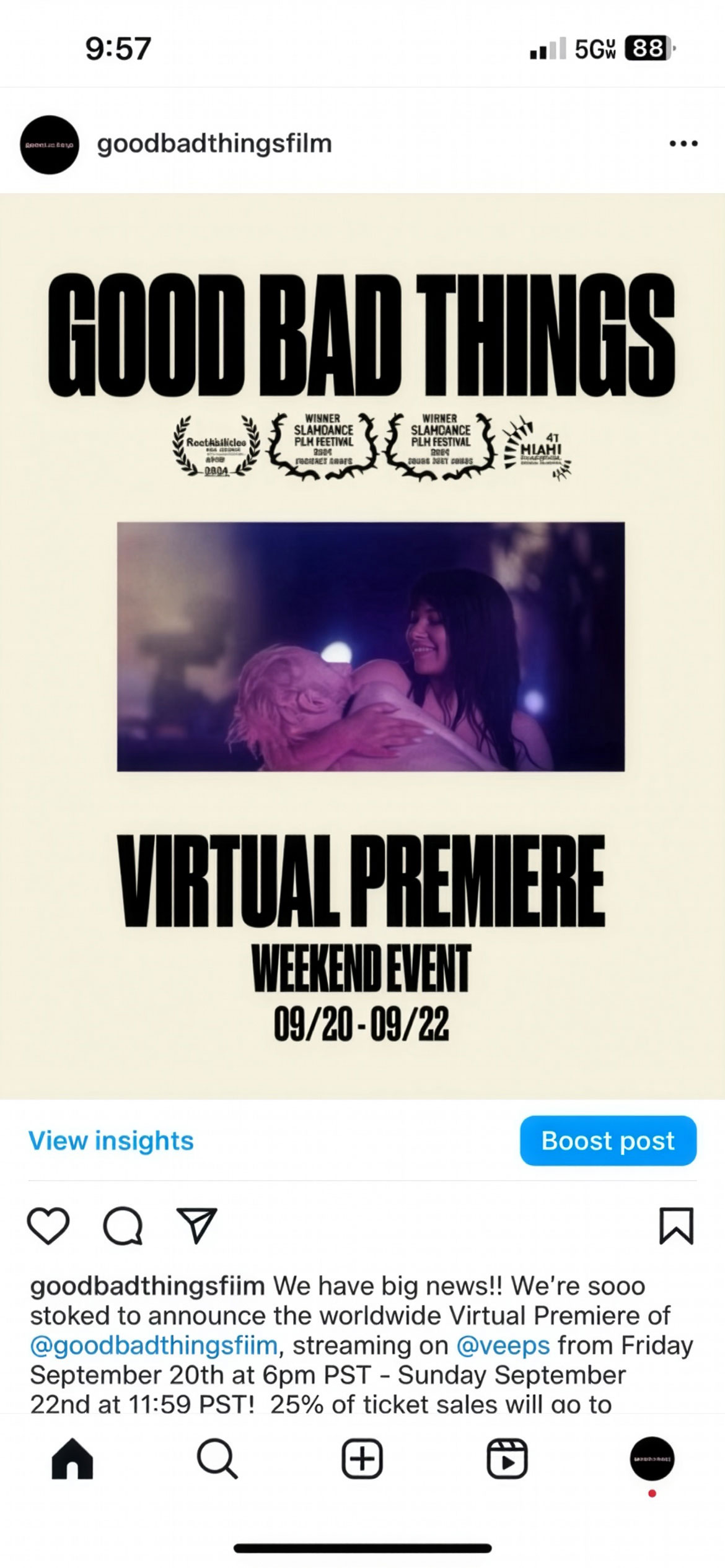
Virtual Premiere (PVOD): Over Labor Day weekend 2024, we announced the limited virtual premiere would take place September 20-22, 2024 on the platform VEEPS. (Initially, the virtual premiere was going to take place closer to the theatrical release but, honestly, our lean team was exhausted and needed more time to organize). We only allowed the film to be available to rent for that one weekend to drive scarcity for audiences while also making sure a digital distributor would still want to license the film.
We chose the platform VEEPS because Shane was longtime friends of the co-founder Kyle Heller. GOOD BAD THINGS would betheir first scripted feature on the platform. We chose a premium ticket price of $19.99 (PVOD).To market the virtual premiere, we relied on audience testimonials and the affiliate program described above. In addition to ticket sales, the film team received customer email addresses—“gold” as Danny called it.
After the virtual premiere, it was time to try to sell/license the other distribution types (spoiler alert, we did). To help capture the movie’s magic and incredible audience testimonials, Steve edited a short video that became our sales reel.
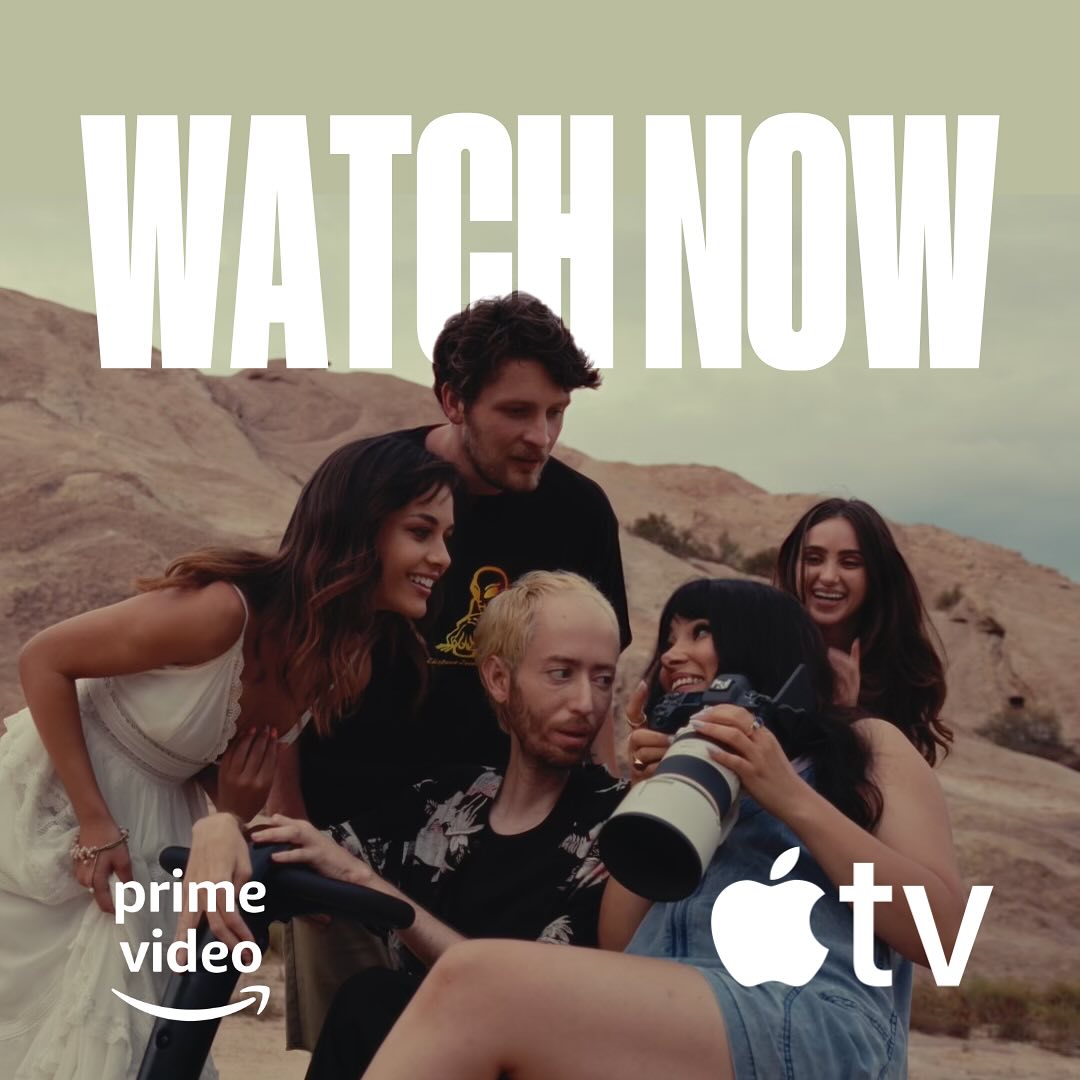
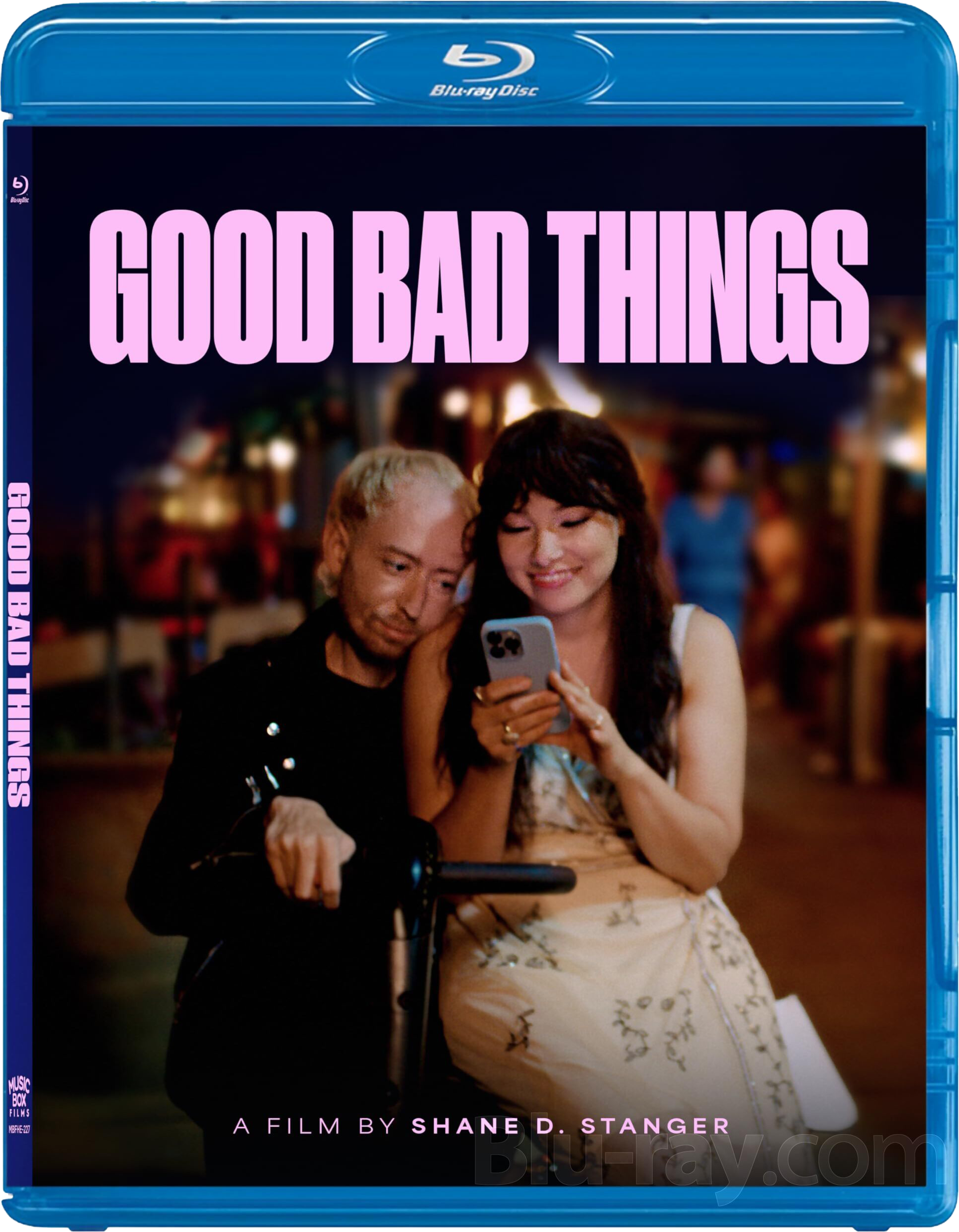
Other Distribution Types (Blu-Ray, VOD, Ancillary): Music Box Films (shout out to Ryan and Brian!) licensed home entertainment and ancillary rights but for no minimum guarantee (MG). This means the filmmakers did not receive money up front and will split revenue with Music Box. There is a cap on Music Box’s expenses so revenue will be seen by the film team earlier. For Valentine’s 2025, they released a Blu-ray and made the film available to purchase and rent at home (TVOD). As of October 2025, GOOD BAD THINGS is available to watch on Delta Airlines. Once exclusive windows end, Music Box will license other VOD and ancillary distribution.
Streaming (SVOD): For SVOD, I pitched the film to a few streamers including my friends at Hulu (shout out to Aijah and Jess!). Hulu appreciated not only the craft of the film, but the audience we had built along the way. Hulu paid a licensing fee (of which Suncatcher earned 10%) and the team (including the cast and crew) is proud to say GOOD BAD THINGS is available to watch on Hulu.
Hulu made the film available on May 13, 2025 but without any special promotion so, Shane and Danny hosted another premiere at an accessible venue in Los Angeles. Instead of a screening (invitees had already seen the film), we decorated the space like an art gallery—just like (SPOILER ALERT) the final scene in the movie with the huge (naked) portraits of Danny. Shane’s cookie company Baked Bear provided green cookies in honor of Hulu. Actor Brett Dier displayed and sold his original art (I bought a fun piece for my hubby). It was a celebratory night and a packed house with many friends in the disability community!
All of this is to say that movie marketing and distribution is about working backwards from your audience. We knew the disabled community would be our primary audience to drive views, engagement, and impact. This brief timeline shows the distribution of GOOD BAD THINGS is nearing two years in the making! And this is after the couple of years it took to make.
Revenue Net Analysis
I’m not permitted to share too many financial numbers, but I can share that the theatrical release broke even for the entire marketing and distribution campaign.
Phase 1 – Theatrical & PVOD/Virtual Premiere
- Revenue:
- Box office from AMC Theatres
- Ticket sales from VEEPS
- Expenses:
- Suncatcher
- Publicist
- Mastering
- DCPs
- Premiere
- Misc. Expenses
Phase 2 – Home Entertainment & Ancillary
- Revenue:
- SVOD: Hulu licensing deal (mid-five figures)
- Blu-Ray/VOD/Ancillary: Music Box’s deals
- Expenses:
- Hulu launch party (paid for by Shane & Danny)
- Music Box’s (capped) expenses
Although making money was not a goal of the film team, we were frugal every step of the way. A theatrical release costs money but it adds value to your film. More important than revenue, Shane and Danny accomplished their goals. We showcased an authentic love story starring a person with a disability and proved there’s a robust audience seeking real stories from and about underserved communities. Shane and Danny also launched their respective careers—both have representation and are working on their next projects. Another valuable benefit of the release was the community built. The film team secured thousands of email addresses through the virtual premiere as well as the fans (followers) who continue to reach out to them to this day.
But Wait, There’s More…
After the film’s initial release, we were invited to speaking engagements and won awards:
- Slamdance virtual panel: Case study about the theatrical release moderated by Peter Broderick featuring Shane, Danny, and myself.
- Slamdance IRL panel: Shane and Danny participated on a Market Monday panel, moderated by Barbara Twist, called “Navigating the New Indie Landscape: Filmmaker Strategies for Building Audiences and Partnerships.”
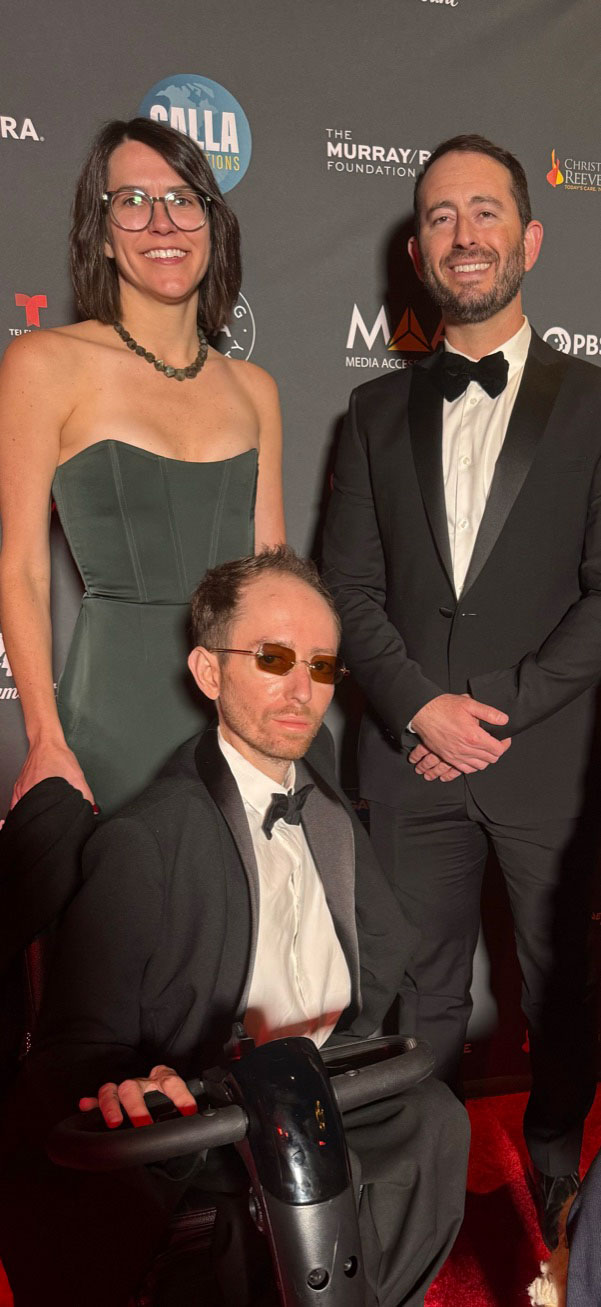
- Media Access Awards: Danny won the Christopher Reeve Acting Award which was presented by his daughter Alexandra Reeve Givens
- Award This!: The film was nominated for Best Indie Drama and won Best Indie Romance.
Takeaways
If we could do it all over again, we would absolutely do it again. Honestly, there is not much I would change about the film’s release. Having said that, I probably should have charged the film team my full rate (Suncatcher’s services were 50% off because I loved the film and team so much—but I can’t afford to financially do that again).
Shane said, “As far as distribution goes, I feel like we maximized our potential within our network… I couldn’t really imagine getting more out of it than we did, other than someone just paying more. As far as lessons go, take your time, no one is watching the clock except for you. A movie is new as long as no one has seen it!”
Not only was it an honor to work on the distribution of GOOD BAD THINGS, but the life-long friendships I’ve made with Shane, Danny, and Steve are the most important part of this experience.
TL;DR
TFC loves so much of what Annalisa did here for the distribution of GOOD BAD FILMS, and it goes so much farther beyond the simple fact that her company, Suncatcher Productions, is a woman- and disabled-led firm. First, she brings a wealth of experience and connections from her time at Focus Features and Amazon Studios, and her company added value to the film in many ways. First, in handling the theatrical, she was able to get AMC not only to play it, but to position the film alongside the top concurrent rom-coms through throughtful trailer placement. Furthermore, she ingeniously selected which AMC markets to play the film in by piggybacking off of a larger company’s market research. Second, as the films sales agent, she leveraged the success of the theatrical to get the film onto Hulu when not a lot of streaming deals were (and still are not) happening. And, all the while giving thanks and shout-outs to the folks that were instrumental in helping her achieve these goals, showing that film distribution, too, is a collaborative effort. Our hats are off to Annalisa!
Acknowledgements
Social Media Influencers: We found promotional success for all stages of the release thanks to actor/comedian Steve Way as well as influencer couple Shane and Hannah Burcaw—a.k.a. Squirmy and Grubs. In both cases, Danny sent them a DM “Hail Mary” and they replied—there was no prior relationship or introduction by a mutual friend! Steve, Shane, and Hannah all received Executive Producer credit on the film to help compensate them for their hard work. Having them as EPs also signaled to audiences that GOOD BAD THINGS was a legitimate and authentic film worth watching.
Steve has incredible Hollywood connections from being an actor and comedian, which opened the door for VIPs with major social followings to post about the film—like Ramy Youssef and Judd Apatow. (More on Steve’s network below). When Steve posted that he would be doing a Q&A at his local New Jersey theater (AMC Clifton Commons) on Sunday, ticket sales doubled from Thursday’s screening.
The Burcaw’s are social media influencers with 1.85+ million subscribers on YouTube. When they announced their involvement with GOOD BAD THINGS, their YouTube video was viewed 50K+ times. Tickets sold out in minutes for their local Minneapolis theater (AMC Southdale Center). Their next video, Our Relationship Is A Movie, announcing the virtual premiere, was viewed 68K+ times.
We found organic social media marketing to be effective. We briefly tried spending a little money to boost influencer posts but stopped because we quickly saw the ROI was not efficient.